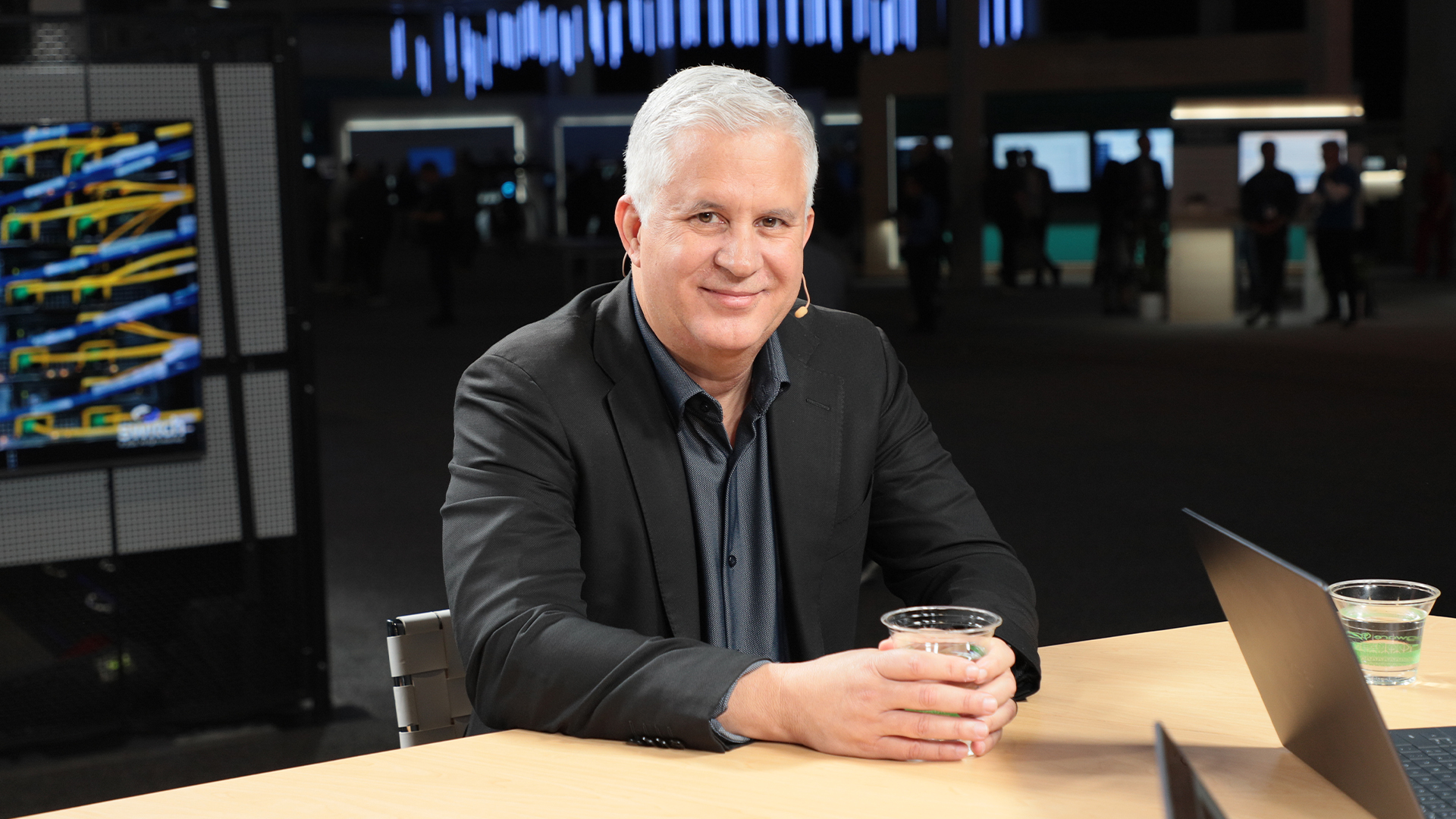
According to Yugal Joshi, Partner, Everest Group, a few years back, it was generally about tail-end spend; now clients are consolidating even larger vendor spend.
As enterprises accelerate vendor consolidation to free up budgets for AI investments, the battle for technology spending is shifting rather than shrinking.While large IT services firms continue to benefit from consolidation of strategic accounts, industry experts say mid-sized providers are also emerging as winners where they have deep client relationships or specialized AI capabilities.According to Yugal Joshi, Partner, Everest Group, a few years back, it was generally about tail-end spend; now clients are consolidating even larger vendor spend.“Generally, larger vendors benefit from this consolidation, but occasionally mid-sized providers win as well, especially if they have significant spend and a deeper relationship with the client. Some large vendors are deliberately letting clients go, in which case, mid-sized providers are winning,” he said.While large vendors are not necessarily taking share away from smaller firms, the bigger shift is that almost every large IT services company is now building a stronger mid-market strategy, Gaurav Vasu, the CEO & Founder of UnearthInsight, highlighted.“As growth in large transformation deals remains muted, companies like Accenture and TCS are increasingly focusing on mid-sized enterprises. Competitive intensity is likely to increase here. The mid-market segment is where smaller IT services firms, particularly the non-listed players that have traditionally won these accounts, could begin to see pressure. Listed mid-sized firms are likely to continue retaining their core clients because of their established capabilities and customer relationships,” Vasu explained.Meanwhile, large global enterprises continue to consolidate their technology platforms and strategic partners with Tier 1 and established mid-sized IT services firms. Vasu noted that large enterprises like Mercedes-Benz and Novartis continue to work with a smaller set of large, trusted partners.Vendor consolidation at this end of the market, he said, is not at the expense of smaller IT firms. Instead, it happens within the pool of large providers themselves.“If an enterprise reduces the number of vendors, it is more likely to consolidate from four large vendors to two large vendors rather than replace them with smaller players. Smaller IT firms will continue to find opportunities in specialized engagements, but large enterprise-wide consolidation remains largely concentrated among Tier 1 and established mid-sized providers,” Vasu stated.Happiest Minds echoed this view, saying it had become the primary, and in some cases the sole, technology partner for several mid-sized customers last year.larger players“It’s natural for larger players to suggest that vendor consolidation will favour them at the expense of smaller firms. However, our experience so far has been the opposite—we’ve benefited from consolidation rather than lost business because of it,” said Venkatraman Narayanan, the company’s MD, in an earlier interaction with businessline.Moreover, AI will further influence vendor consolidation. The analysts said that AI impact is visible where commitments are being translated into benefits. These, however, may or may not be derived from AI. Clients want funding for AI initiatives, and consolidation unlocks that investment.“Specific AI engagement is not by default won by larger providers; on the contrary, large vendors get consolidation, but mid-sized may be chosen for AI engagements. Vendors do believe they need fewer people to deliver current services but more people to deliver newer AI services,” Joshi said.Meanwhile, Vasu argued that the defining factor will not just be the size of the provider and instead, specialization. Large providers, established mid-sized firms, and specialized players are all well positioned to benefit since, in the enterprise AI market, customers are increasingly looking for deep domain expertise rather than just scale. The winners over the next few years will be firms that bring specialized AI capabilities to specific industries or business functions.Published on August 6, 2026