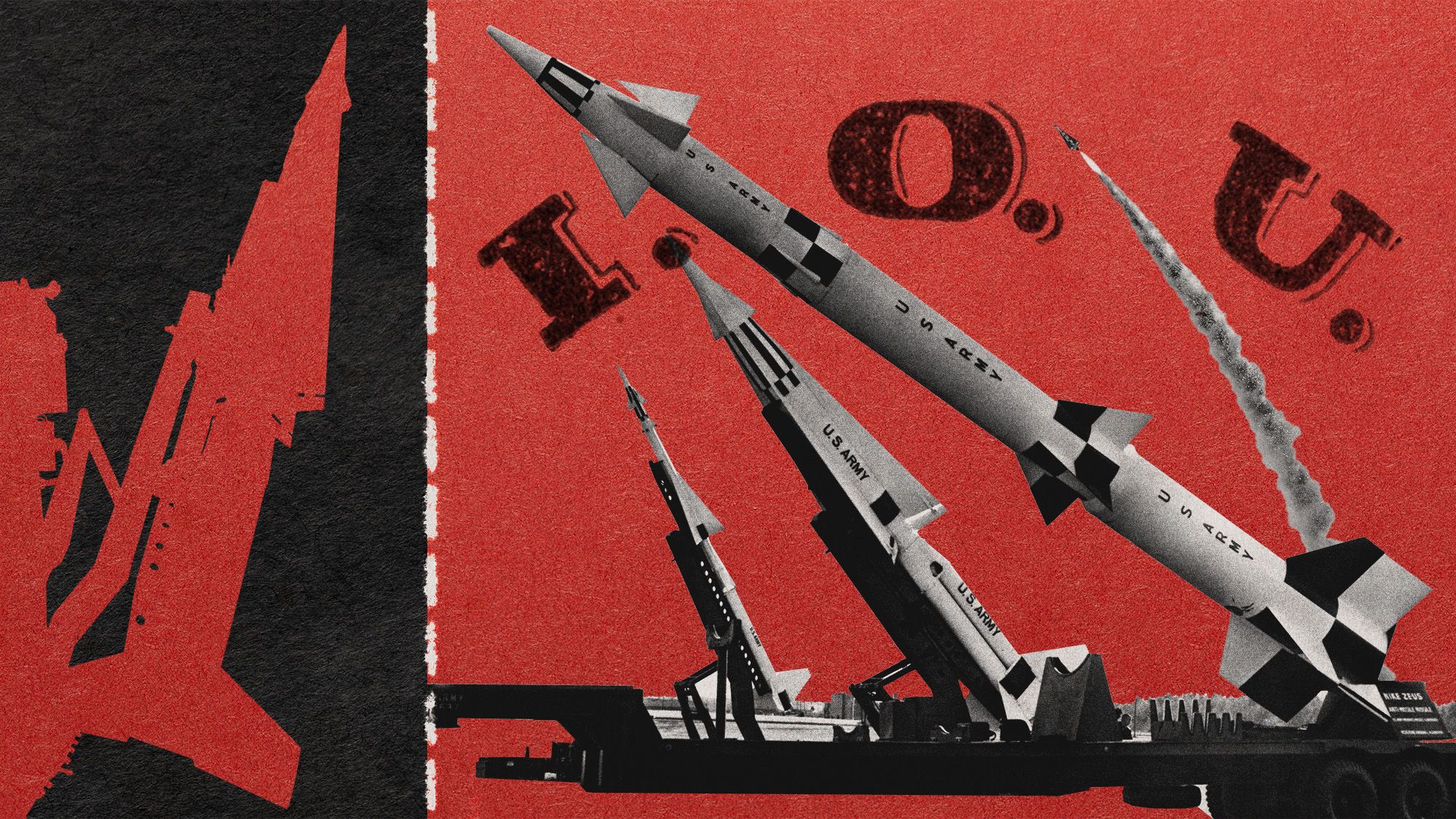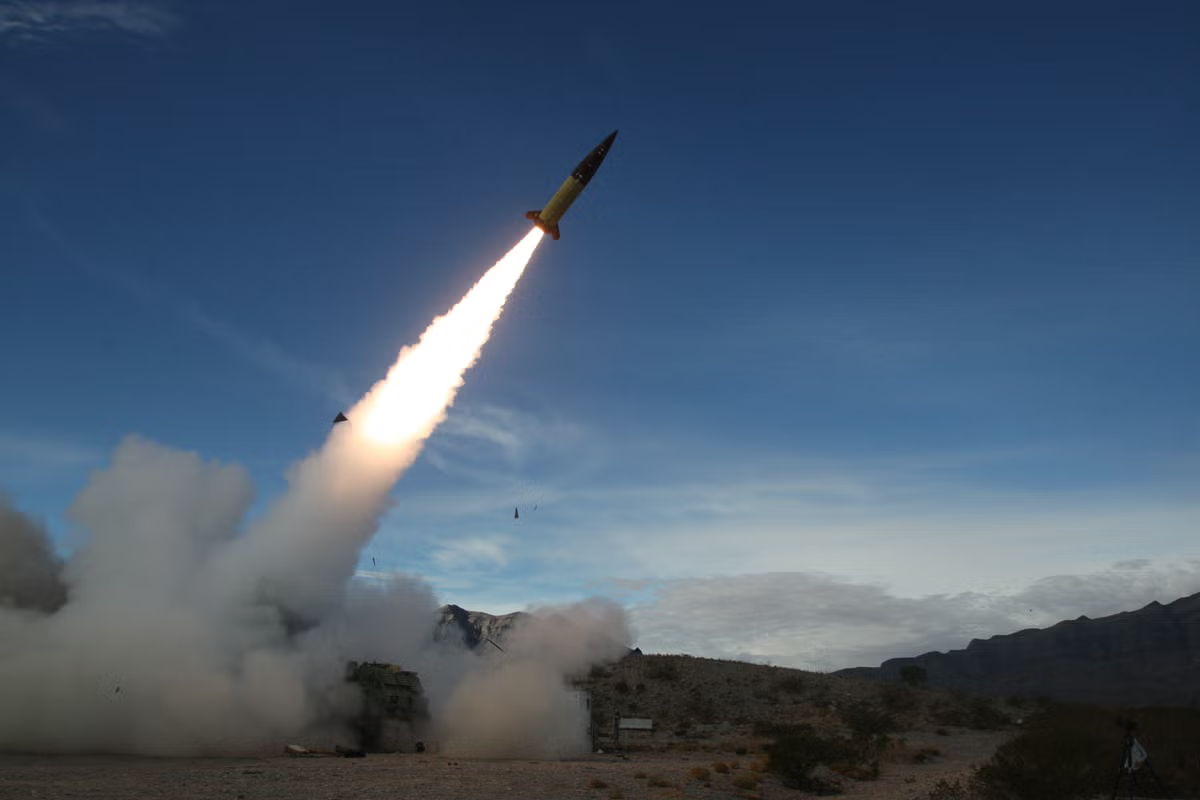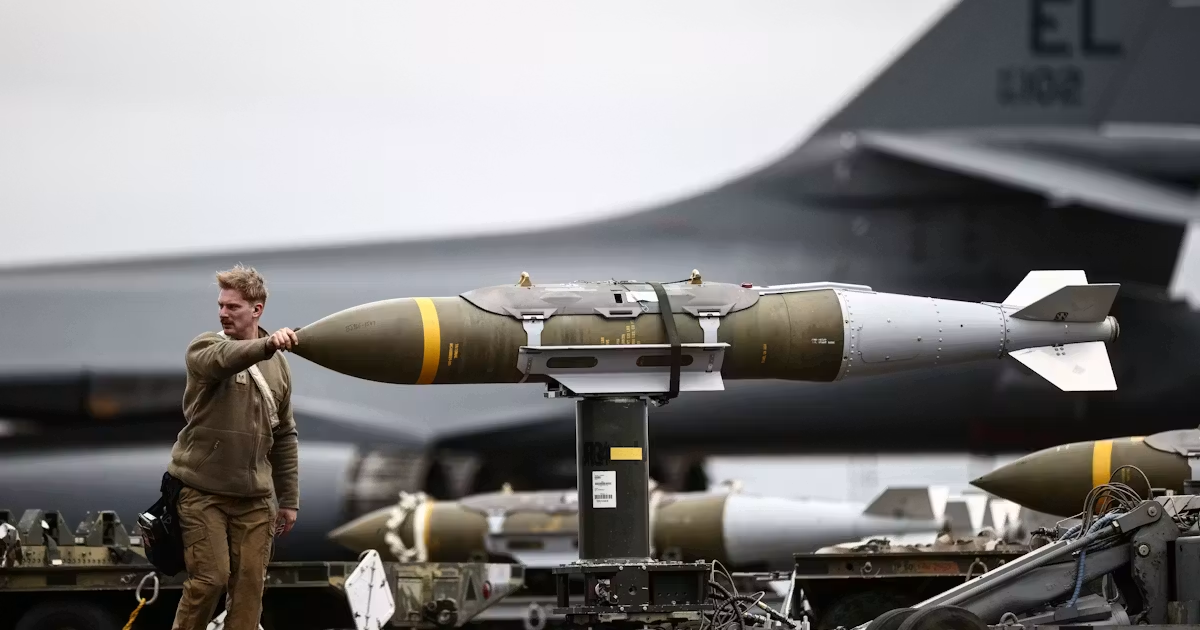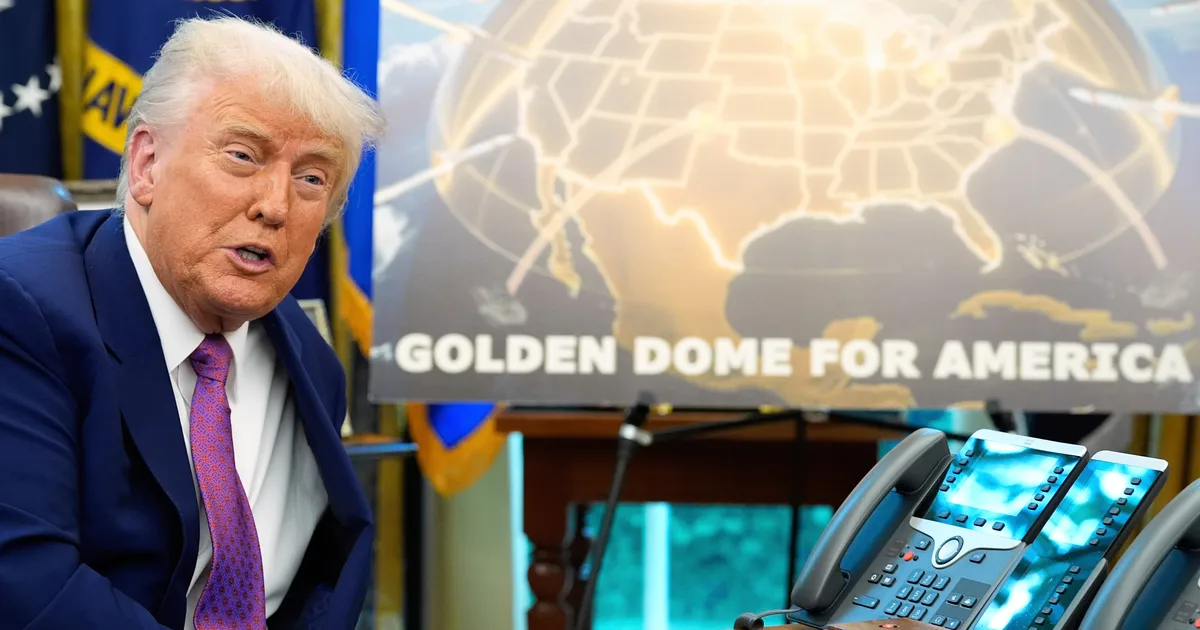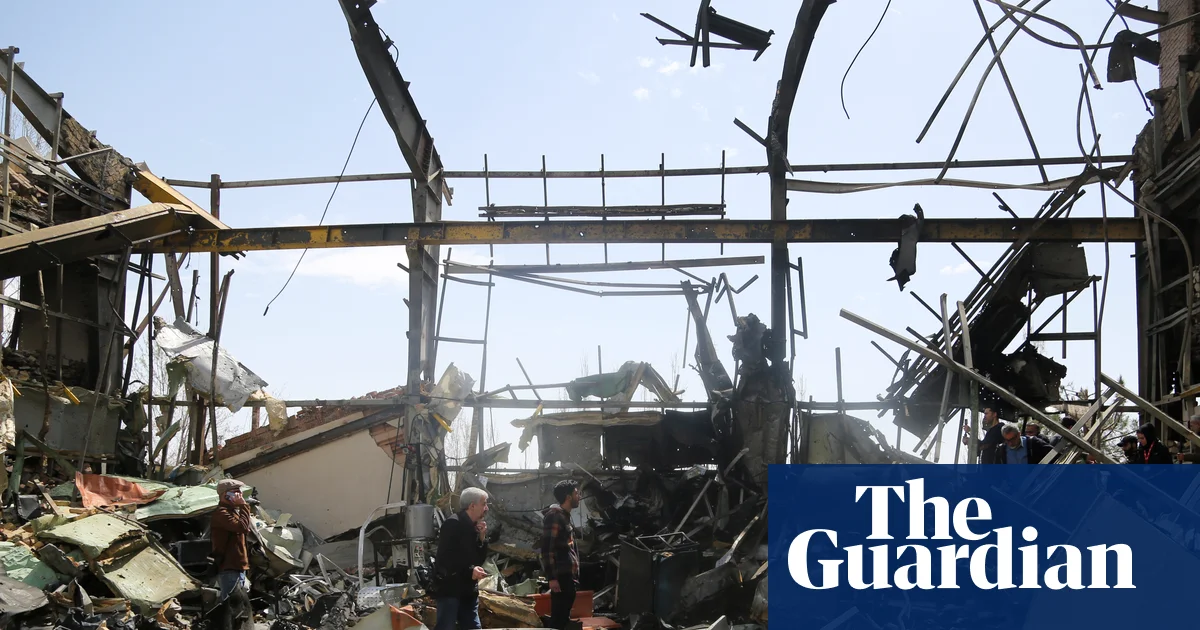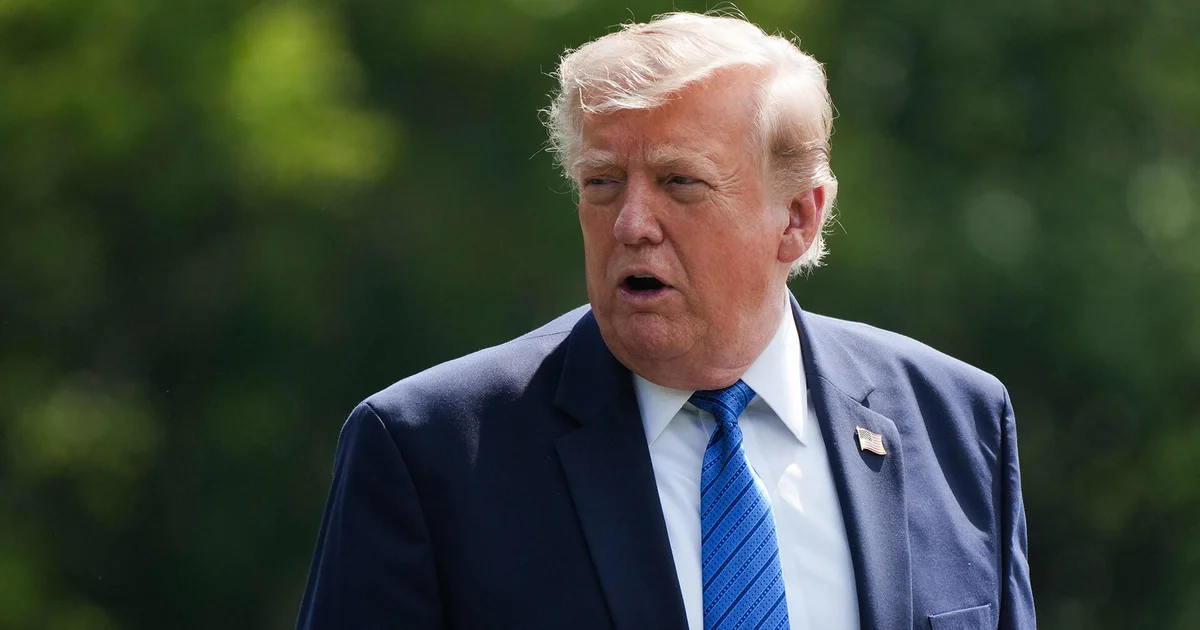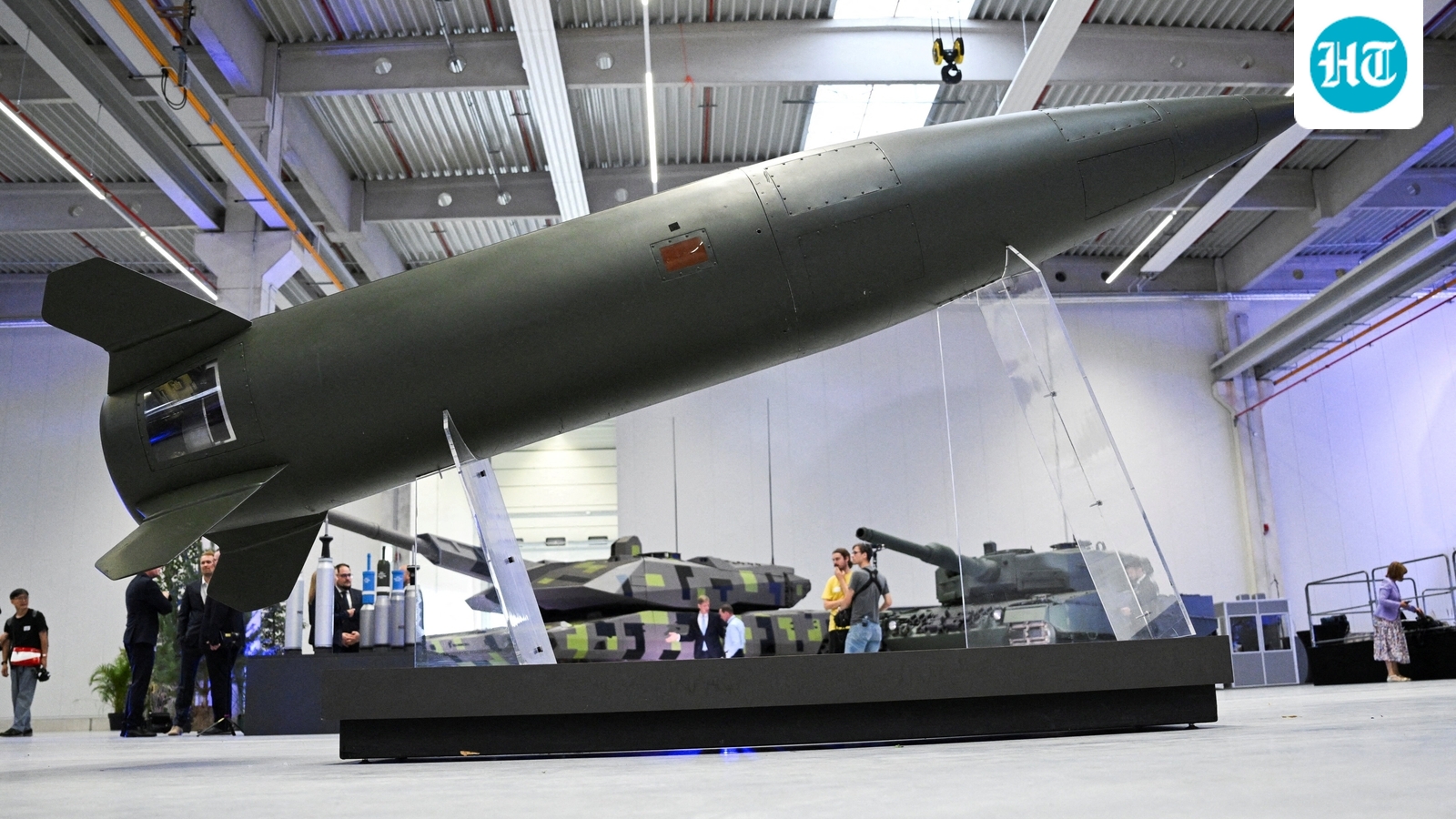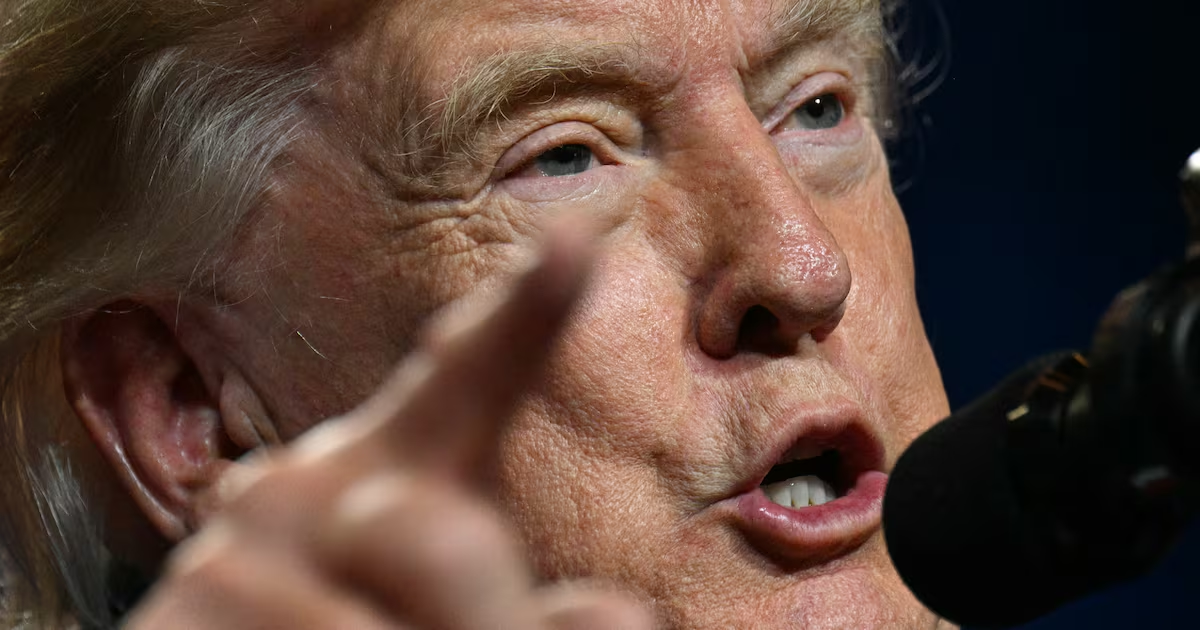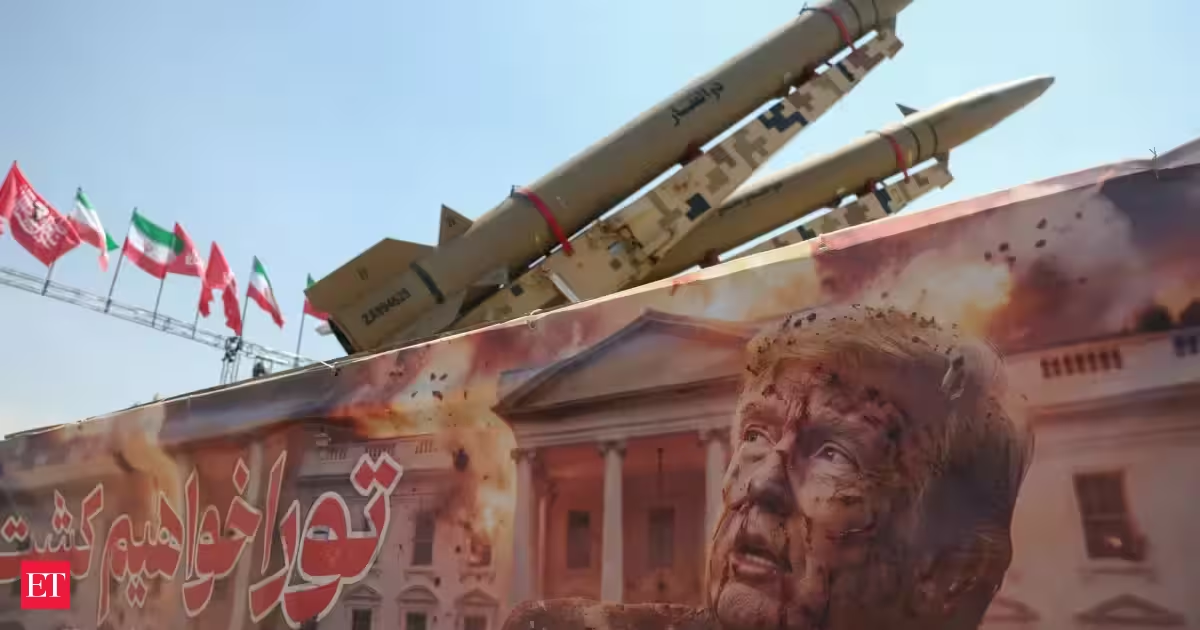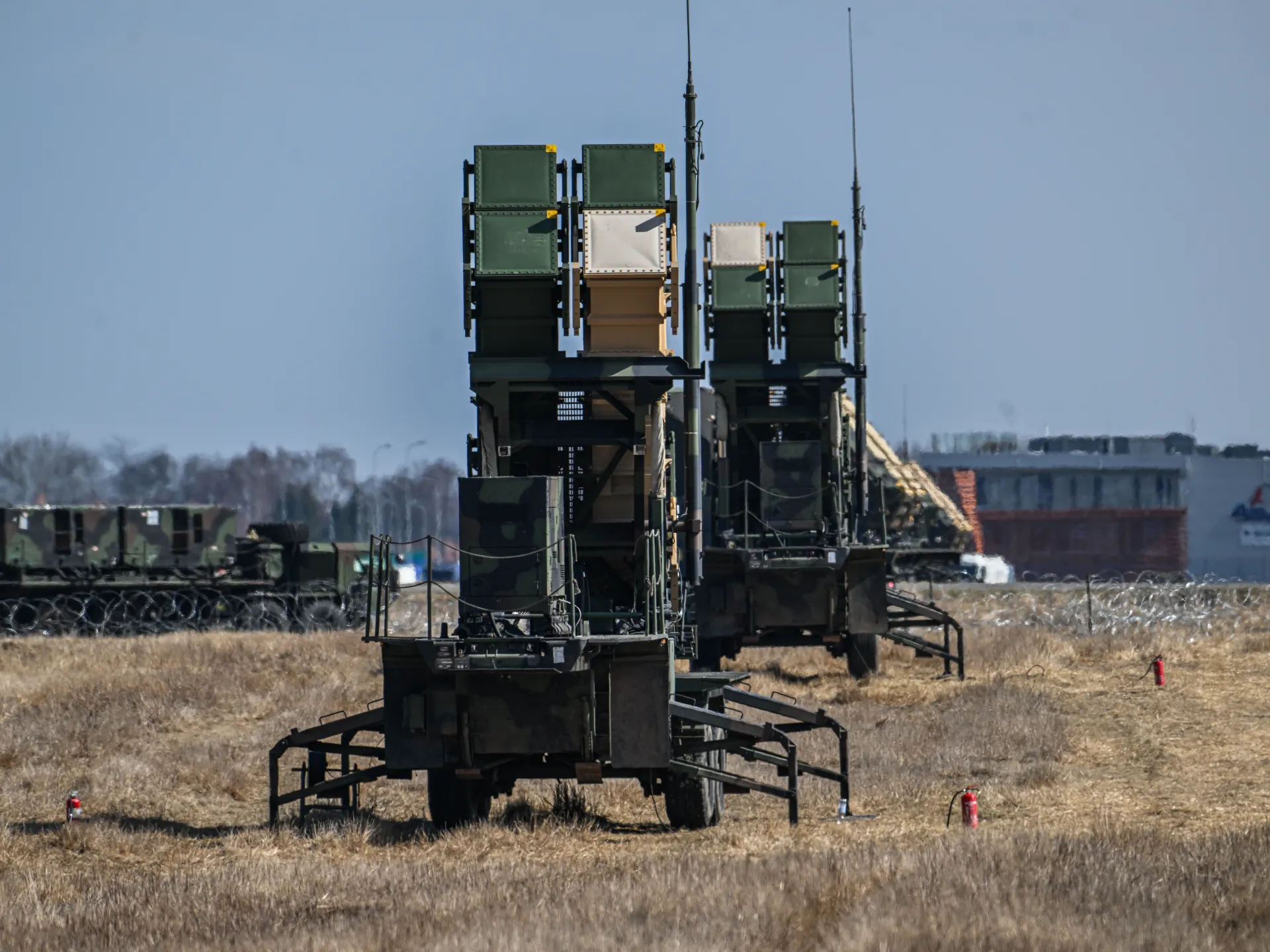
The United States is running out of missiles. After five months of war with Iran, stockpiles of long-range weapons are so low, current and former U.S. defense officials told us, that they don’t believe the U.S. has enough to combat a threat in Asia. The remaining supplies, depending on the munition, are as low as 20 percent of what the Pentagon would like to have in hand. And stores of sophisticated interceptor missiles, such as Patriots and Terminal High Altitude Area Defense (THAAD) missiles, are too depleted to give or sell the weapons to Ukraine or effectively defend against Iran’s launch of ballistic missiles. Even when troops see Iranian missiles approaching, they are forced to decide in a matter of seconds whether to expend a limited number of interceptors or hope for the best, the defense officials told us.Defense Secretary Pete Hegseth this week pleaded with Republicans on Capitol Hill for billions of dollars to replenish America’s dangerously depleted stockpiles of missiles and other crucial munitions. Hegseth’s appeal was nakedly partisan—he ignored Democratic lawmakers entirely—but also long overdue.The Pentagon this year has awarded tens of billions of dollars in contracts to replenish those arsenals. But signing contracts is not the same as delivering missiles. Those contracts will produce munitions over the coming years, not the coming months. The Biden and Trump administrations have invested in the defense industrial base to accelerate production, but for crucial systems such as the Patriot, supply is not projected to meet demand until about 2030. Meanwhile, Iran has ramped up production of its offensive drones and ballistic missiles, and enhanced their capabilities. The war is now being shaped as much by industrial supply and logistics as by economic considerations and the politics of the midterms.President Trump raged at the assessment his national-security team gave him at Camp David on Friday, which showed that the U.S. military was running low on the munitions that would be necessary for Trump to order an escalation against Iran, a senior administration official familiar with the meeting told us. If the U.S. were to strike, Tehran would likely launch a barrage of missiles and drones against its neighbors in the region and the American bases they host.The president barked at aides and had some pointed words for the Department of Defense’s leadership. (He is not presently considering staff changes, a White House official told us.) Trump has grown frustrated at his inability to escape the stalemate of the war; he’s seething at its toll on the economy and is desperate to move on.Read: This may be Trump’s biggest error in the Iran warWhite House aides are concerned that Trump is losing his leverage in the conflict. He has threatened Iran many times but has rarely followed through; Tehran knows that. Tehran also knows that the U.S. is running low on munitions despite what Hegseth and the president say in public. Military leverage depends not simply on the U.S. ability to strike but also on its capacity to defend against Iran’s retaliation. Iran has displayed the confidence to further test the U.S., attacking ships in the Strait of Hormuz. The White House has maintained that Iran would soon face an economic situation so dire that the regime would be forced to negotiate, and U.S. intelligence reports suggest that Iran is struggling. But the Trump administration has been surprised at Tehran’s resilience, and is no longer certain that the regime will reach the point where negotiation is its only option.In the five months since the war started, the president has never faced such a weak position. The shortage of interceptors makes escalation dangerous. Nor would expanded strikes guarantee that Tehran will come back to the table.That may leave diplomacy and concessions as the administration’s least risky option. Trump and Secretary of State Marco Rubio have repeatedly said that Iran will never be allowed to control any part of the Strait of Hormuz. But Trump is now considering a deal that gives Iran some control over maritime traffic. The proposed agreement between Oman and Iran, pending U.S. and Gulf approval, would reopen the strait by establishing a jointly managed framework for commercial shipping. Such a deal would give Iran the oversight of the crucial waterway it feels it has earned from the war, while also honoring Oman’s insistence on preserving freedom of navigation.America’s stockpiles have been under strain for years, but became painfully clear after Russia invaded Ukraine in 2022. The U.S. military fired hundreds of missiles, some costing millions each, during the Trump administration’s 53-day campaign last year against the Houthis in Yemen. That was followed by nearly two weeks of U.S. and Israeli attacks on Iran and the interception of Iranian missiles and drones aimed at Israel. During the first 38 days of the Iran war, the U.S. launched thousands of munitions.Hegseth has repeatedly denied any shortage, including to Trump as recently as last week, one U.S. official told us. On Capitol Hill, the defense secretary did not make a compelling case for the funding he wants, particularly to legislators who face tough reelections partly because of the war’s unpopularity. Between American voters’ frustrations with rising gas prices and Hegseth’s mixed messages and past combative relationship with Congress, “there is no good will for the department here,” one congressional aide told us.Read: A tragedy in Iran might persuade Hegseth to change courseStill, Congress is ultimately expected to provide much of the funds the Pentagon says it needs to replenish its stores. But what the U.S. really needs is time. Depending on the weapon, replenishment to pre-war levels could take as long as five years, Mark Cancian, who tracks munitions stockpiles for the Center for Strategic and International Studies in Washington, D.C., told us.Another three years would get stockpiles “to a level where the Joint Staff and U.S. commanders in charge of the Asia Pacific would be comfortable,” Cancian said. In theory, that gives Beijing plenty of time to take advantage of American shortages with, say, an invasion of Taiwan.“Claims of U.S. munition shortages are false” and the amplification of them is irresponsible, Sean Parnell, Pentagon spokesperson, told us in a statement. “We have everything required to strike at the time and place of the President’s choosing.”The problem predates the Trump administration. After the Cold War, the U.S. reduced the number, and slowed the pace of production, of vital munitions, figuring that long bouts of peace between short, conclusive wars would provide plenty of capacity. But the military has been almost constantly engaged somewhere in conflicts led by missile strikes: Libya, Yemen, Syria, Iran, Nigeria. And Russia’s war with Ukraine has been defined by rapid advances in munitions. The Biden administration signed contracts to replenish Kyiv’s weapons but could not keep up with demand, Cancian told us.The U.S. raced to develop cheaper ways to tackle the Iranian-supplied drones that Russia deployed, and has made some progress. But the stores of interceptors such as Patriots and THAADs were rapidly expended. “There are no good alternatives for stopping ballistic missiles,” Cancian told us. “Without these defensive missiles, attacking missiles will land unopposed. That is what is happening in Ukraine.”Before Russia’s invasion, the U.S. produced roughly 300 Patriot missiles a year, half of which went to allies. Production has since doubled, but badly trails wartime demand.Had the Iran war been over in a matter of several weeks, as the administration initially predicted, the U.S. munitions problem would not be so dire. And the problem would be mitigated “if we knew when the war will end,” one defense official told us. “The real problem is that there is no long-term strategy—and we can’t plan around that.”Before the shortages, the U.S. used its technological advantages to shape its strategy. Now the technological advances of its foes—and the strain they have put on U.S. stockpiles—are forcing Washington to reconsider its strategy again, this time without the long-held assumption that U.S. forces would enjoy an advantage in munitions.
A Shortage of Weapons Is Shaping the War With Iran
Trump fumed at subordinates who showed him the perils of escalation.
1,319 words~6 min read