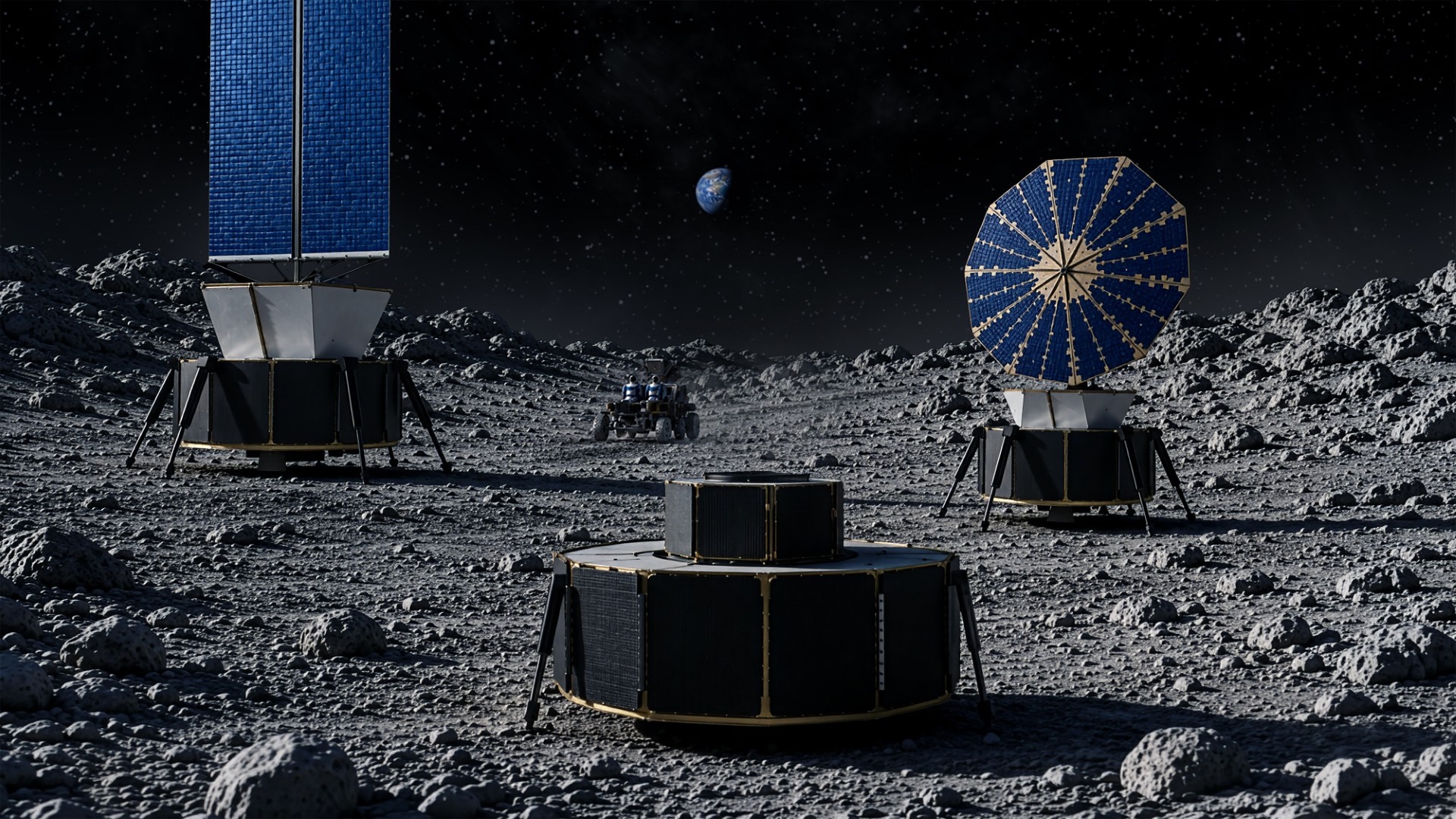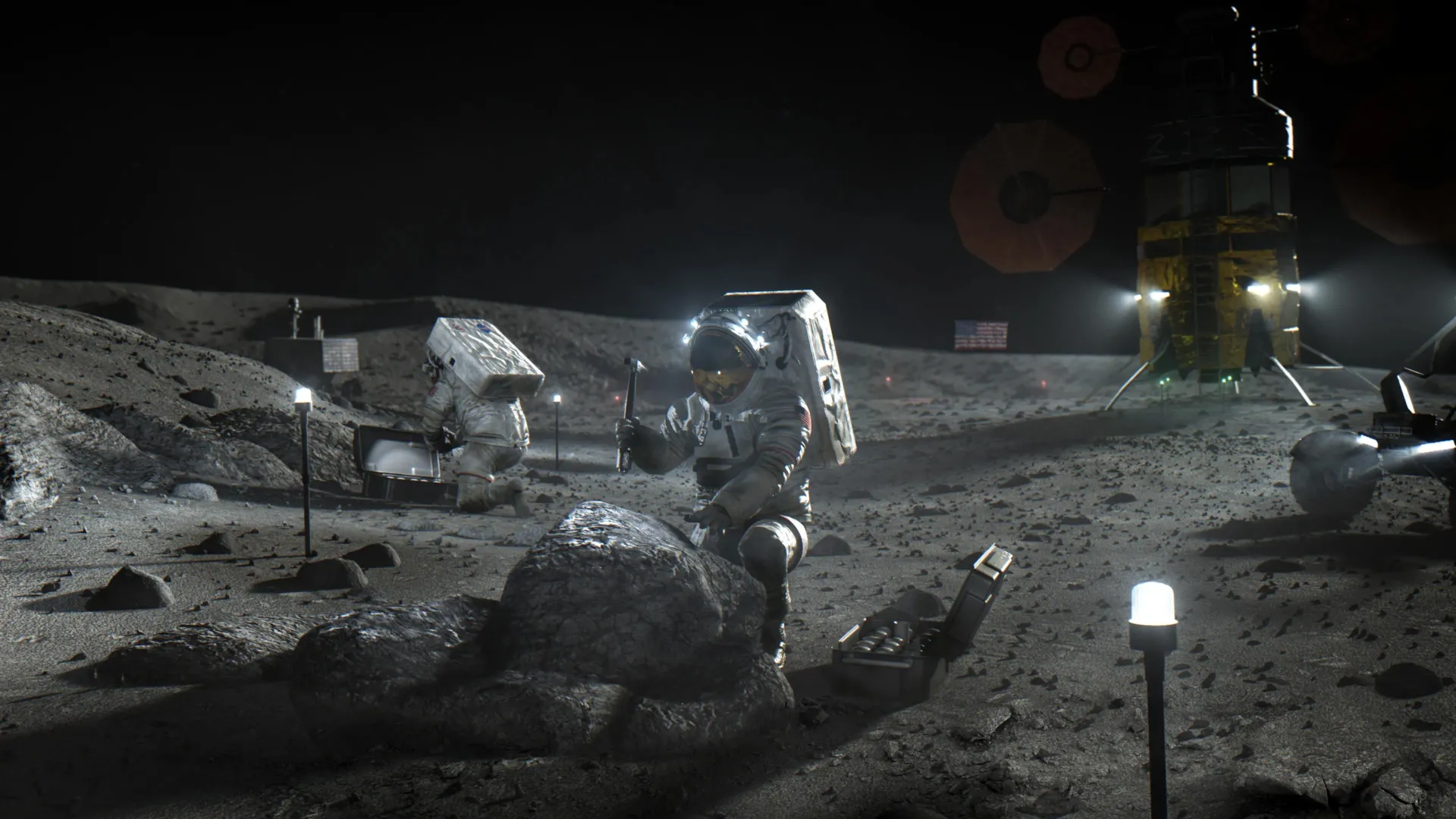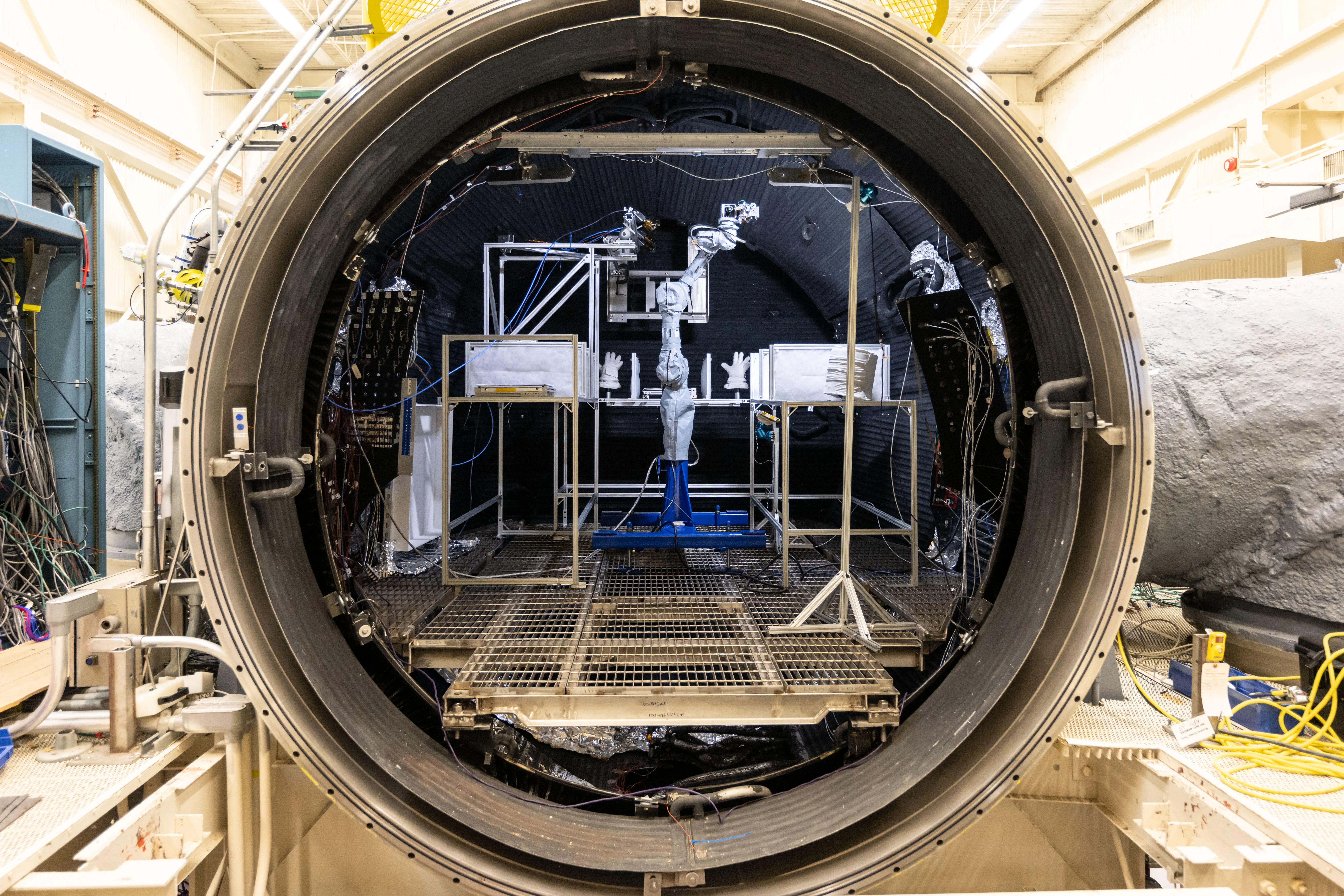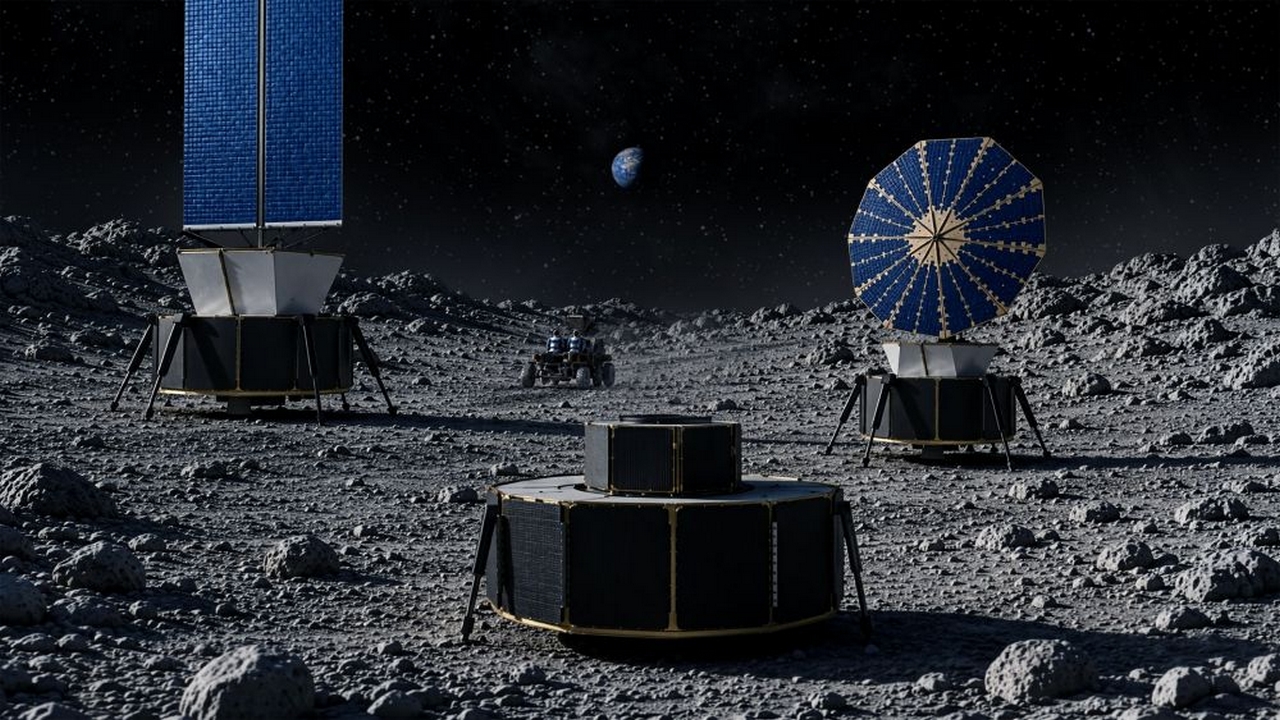
Northrop Grumman’s Lunar Infrastructure Demos (LID-1, LID-2 and LID-3) reuse HALO derived technologies to rapidly mature lunar surface power, thermal, autonomy, communications and hosted payload services that can survive the lunar night and scale into persistent infrastructure near the Moon’s South Pole. Graphic: Northrop Grumman
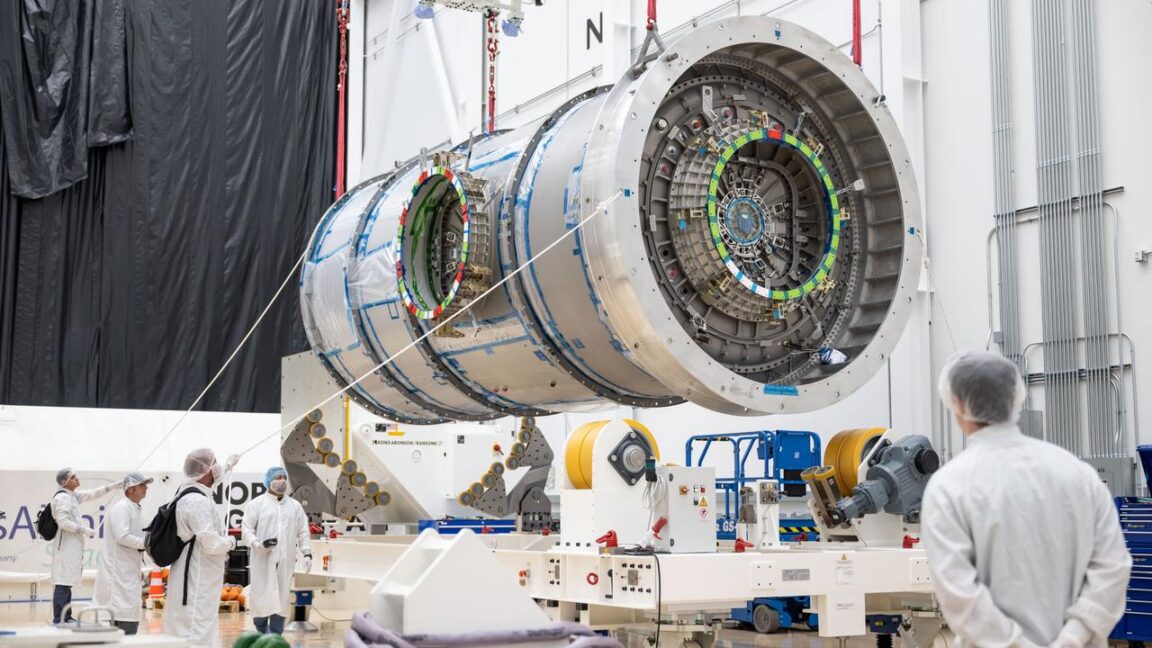
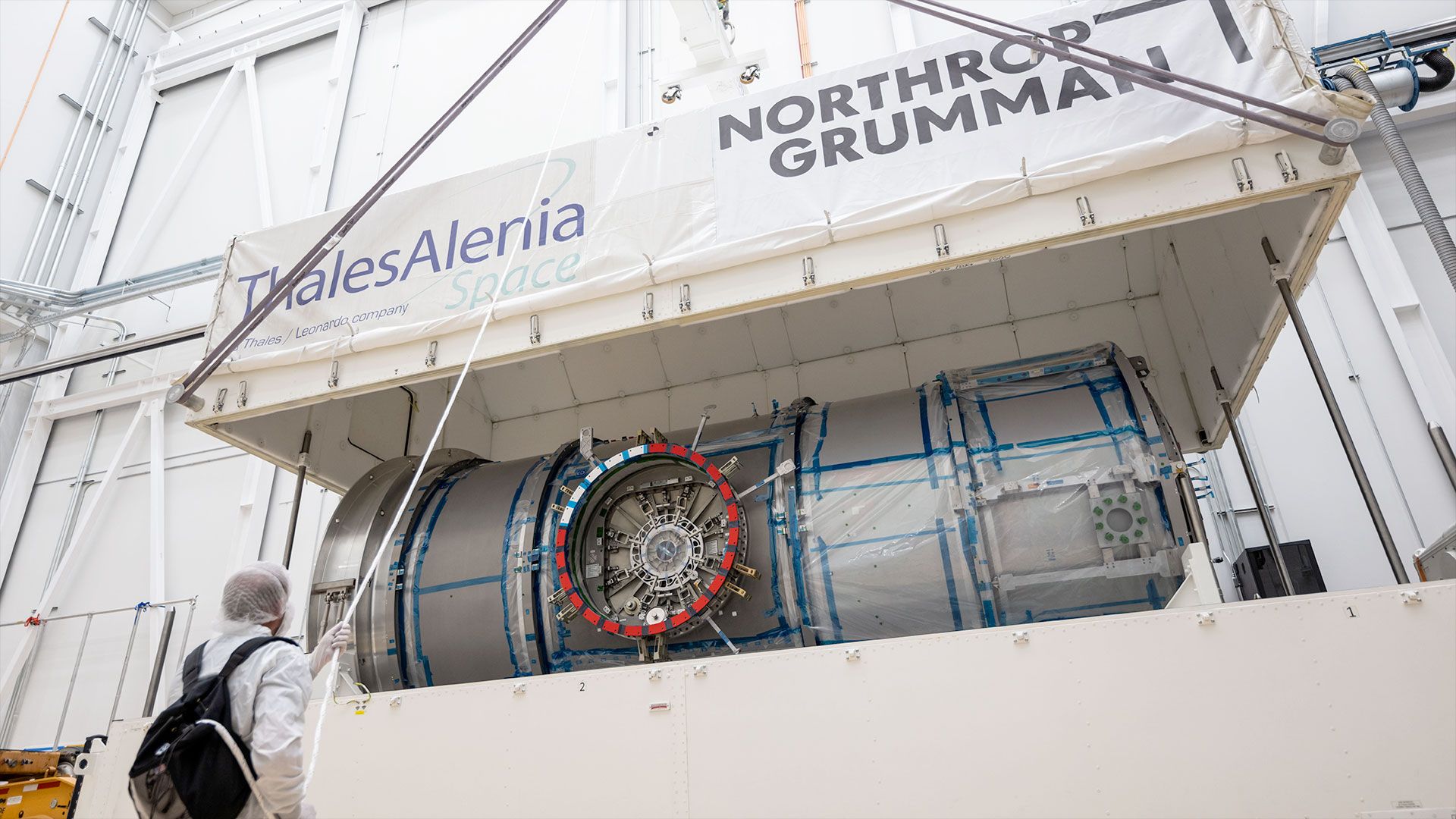
NASA’s decision to pivot away from the orbiting Gateway lunar station, a stepping stone to the lunar surface for Artemis astronauts, left many wondering what would become of the hardware, like the HALO (Habitation And Logistics Outpost) module. Now, there’s an answer.
In a series of Moon Base program updates shared on Tuesday, the agency announced that it’s working with Northrop Grumman to transform HALO into a trio of Lunar Infrastructure Demo (LID) missions to test some of the technologies needed for future, long-term crew survival at the Moon’s South Pole.
“As America embarks on the next chapter in human space exploration, our Lunar Infrastructure Demos will help turn the Moon into a place where astronauts can stay, work and make discoveries that benefit humanity,” said David Schiller, vice president, civil space and sciences, Northrop Grumman. “Our ready‑to‑fly, reliable HALO technologies allow NASA to move faster, putting in place robust infrastructure that can endure the lunar night and establish a strong blueprint for a future Moon Base.”