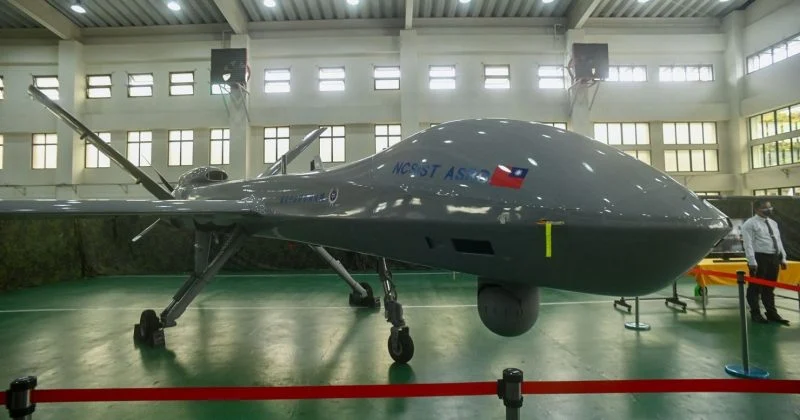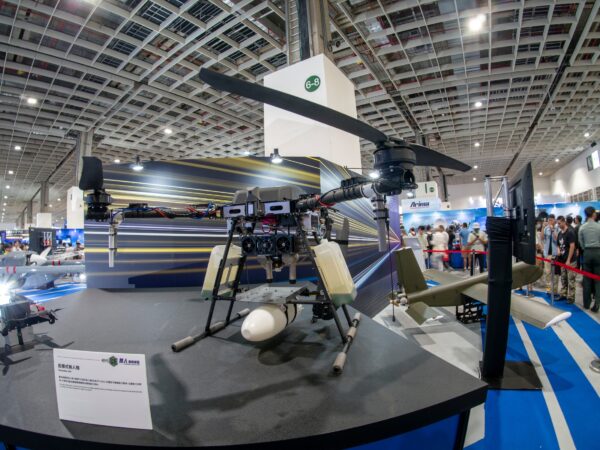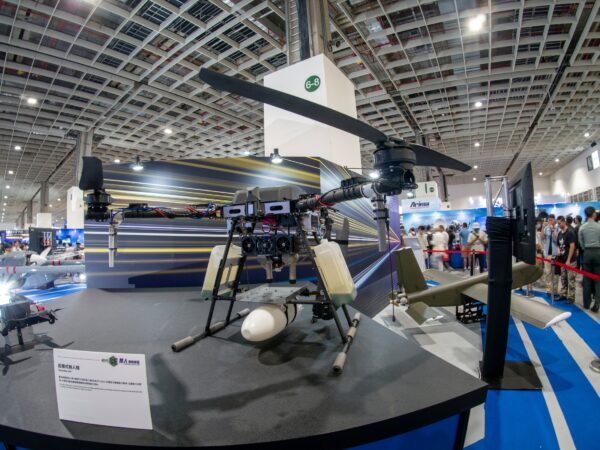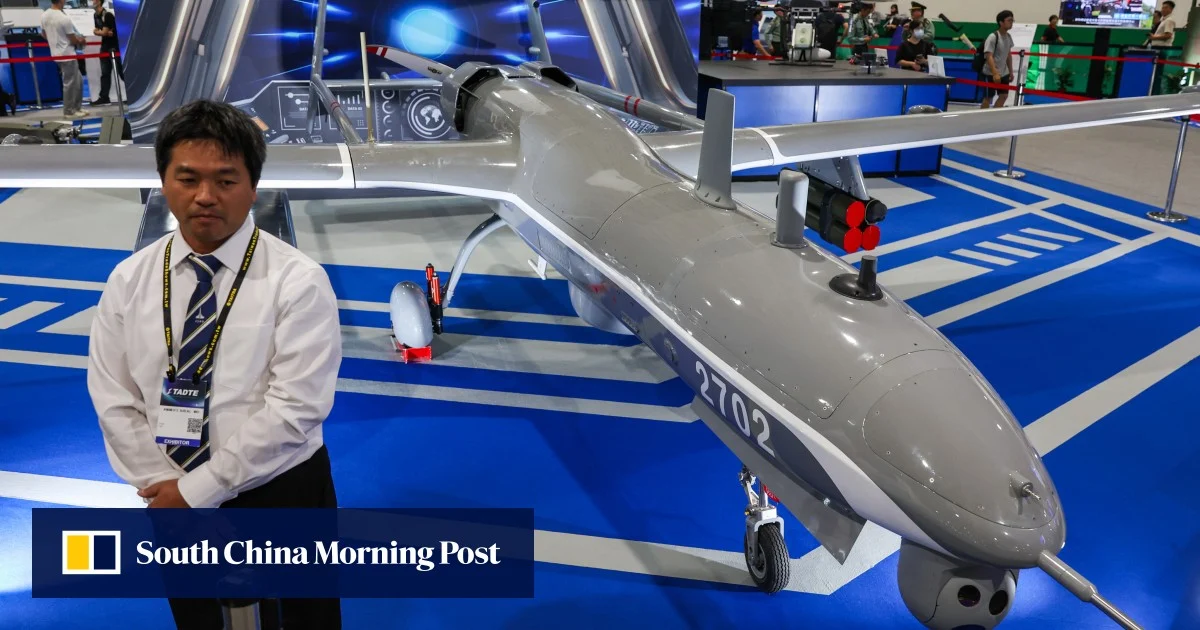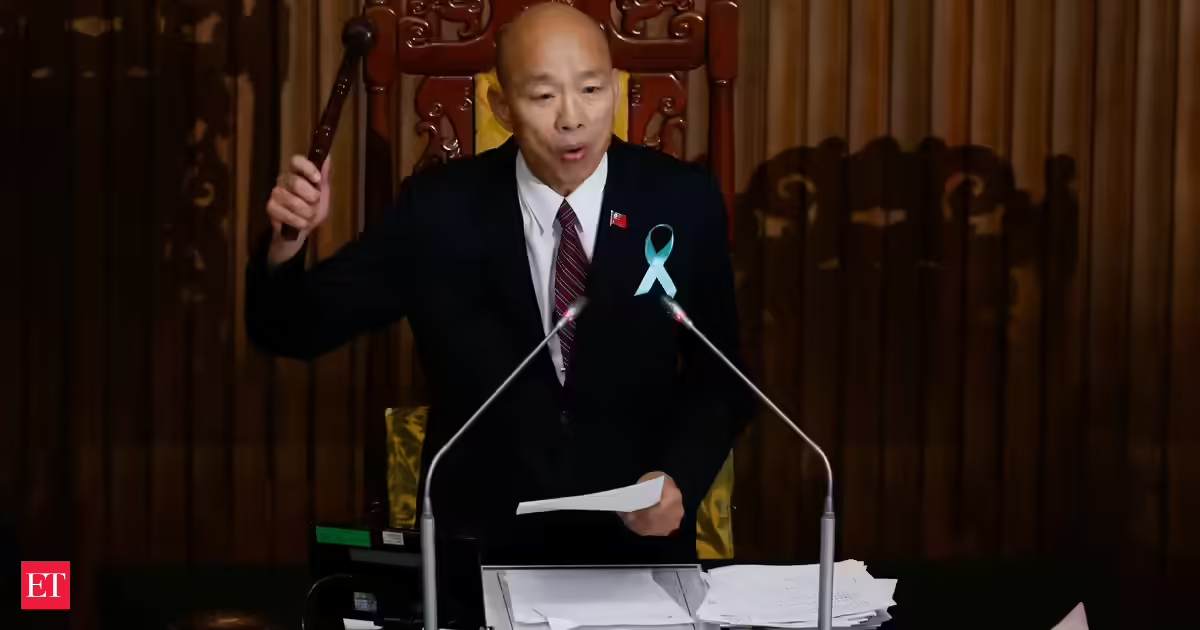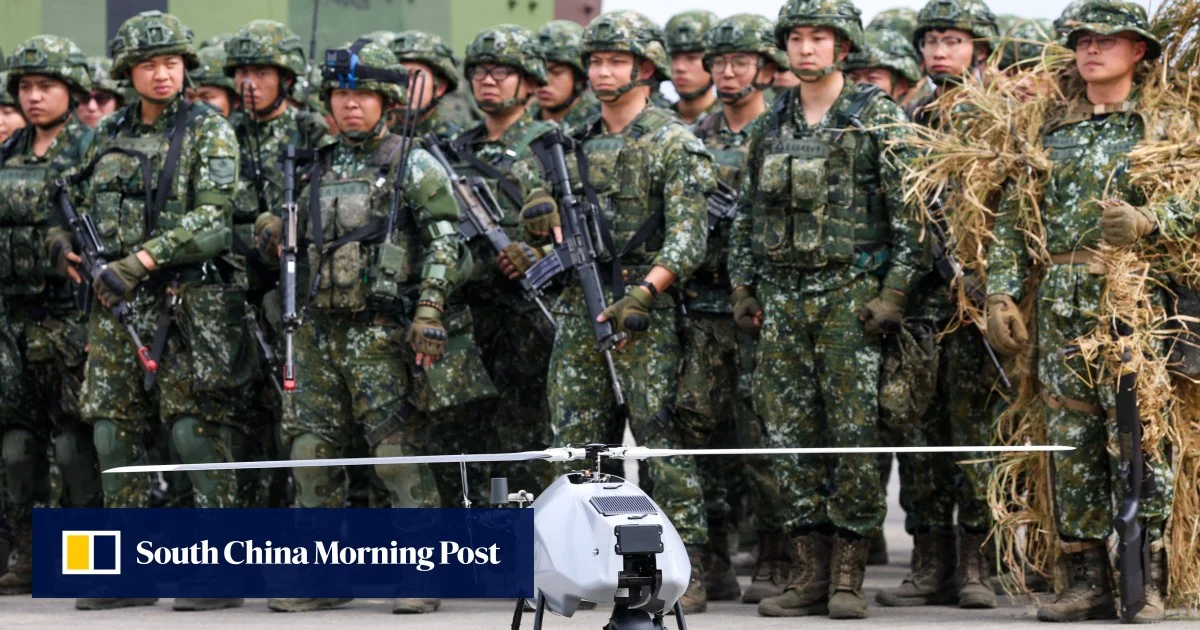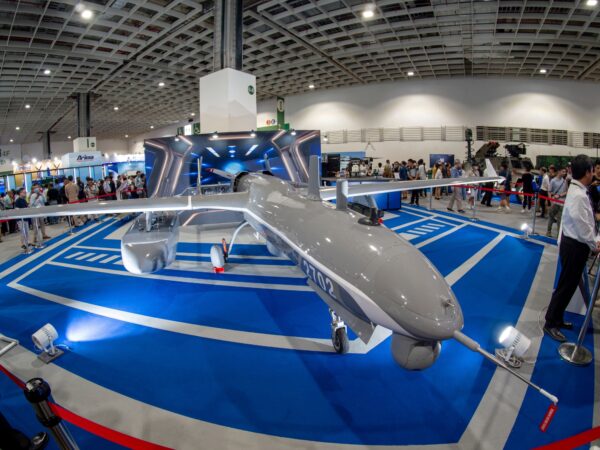
Taiwan’s government proposed a NT$1.25 trillion (US$40 billion) special defense budget in November 2025 – including its first large-scale procurement of more than 210,000 drones. That was finally passed in May 2026, but with a substantial change: the opposition-led legislature removed all funding for domestically produced drones. In June 2026, the Ministry of National Defense (MND) advanced a NT$210 billion procurement proposal, which led to the introduction of competing bills by each party.
The legislature finally completed committee review for the budget on July 27, but there was no agreement. The parties could not reach consensus on any provision in their competing bills, leaving all bills intact for further negotiations.
A floor vote could come as early as late August, but if the opposition majority’s version prevails, funding would not pass until early 2027 even under the most optimistic scenario. Taiwan would therefore procure zero domestically produced drones for its military in 2026.
This delay exposes the central danger of the prolonged budget review: Taiwan is falling further behind China’s procurement pace and losing ground as its partners accelerate their own acquisition of uncrewed systems. China has reportedly ordered nearly 1 million drones for delivery by 2026; Ukraine plans to produce 7 million this year; the U.S. Army aims to acquire at least 1 million over the next two to three years; and Japan has allocated 277 billion yen (US$1.7 billion) to rapidly expand its drone arsenal.