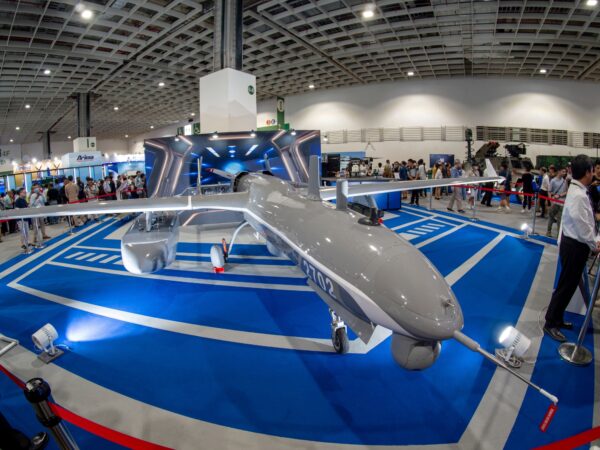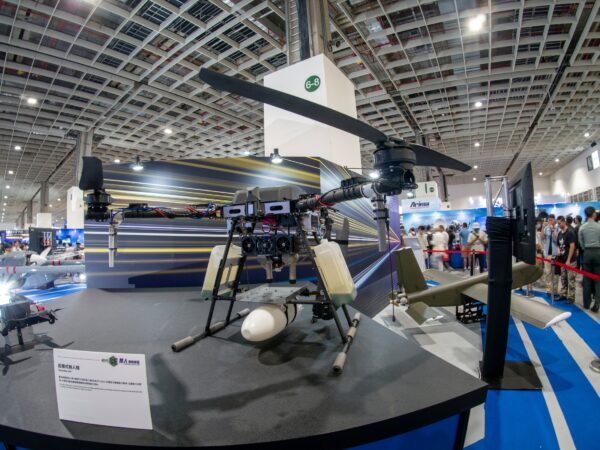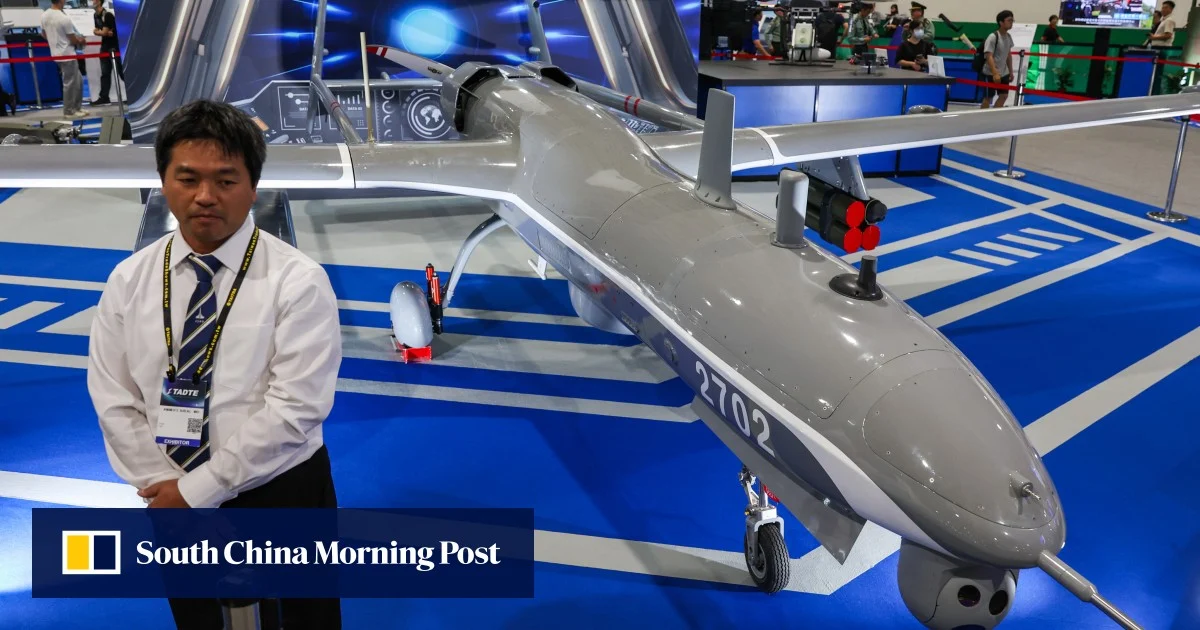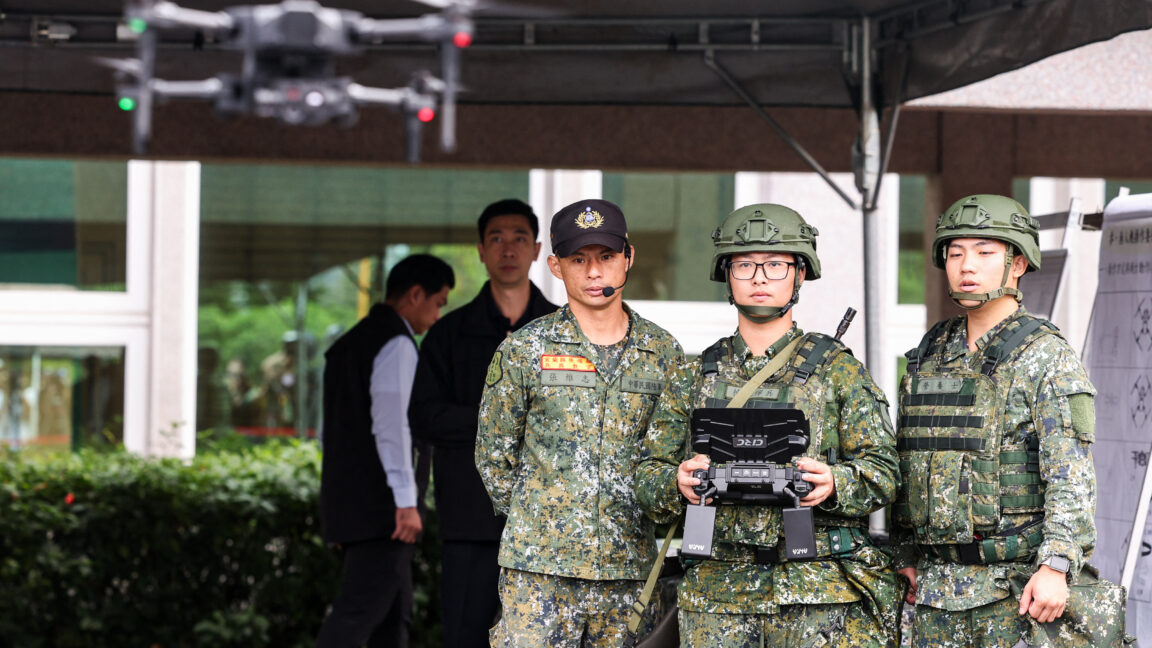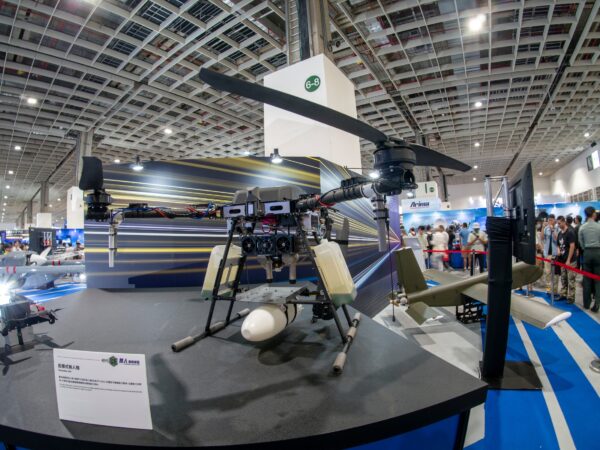
In light of lessons from Ukraine, Taiwan’s defense strategy over the past three years has increasingly prioritized unmanned systems. In late 2025, the government proposed its largest-ever unmanned systems procurement under a NT$1.25 trillion (approximately US$40 billion) Special Defense Budget, with about one-third allocated to procuring roughly 200,000 drones and 1,320 unmanned surface vessels over 2026–2032, alongside AI-enabled and allied collaborative systems.
After nearly six months of political dispute, all domestic procurement components were cut by opposition parties in May 2026, leaving only Foreign Military Sales (FMS) channels intact. New domestic defense drone procurement drops to zero. This comes as Ukraine targets production of over 7 million drones in 2026, China’s estimated annual production capacity runs into the millions, and the United States moves to procure 300,000 systems. The new budget leaves Taiwan’s unmanned buildup effectively stalled at a critical moment, while cooperation with key partners including the United States, Ukraine, and Japan becomes increasingly decisive for sustaining its defense drone ecosystem.
The Drone Budget Cut Breakdown
On May 8, the Legislative Yuan passed the opposition-sponsored Special Act for Safeguarding National Security and Strengthening Asymmetric Capabilities. It cut the Lai administration’s requested spending authorization by 38 percent, capping total procurement at NT$780 billion. The legislation’s title invokes asymmetric capability; its enacted provisions systematically defund the domestic unmanned systems programs that asymmetric capability requires.