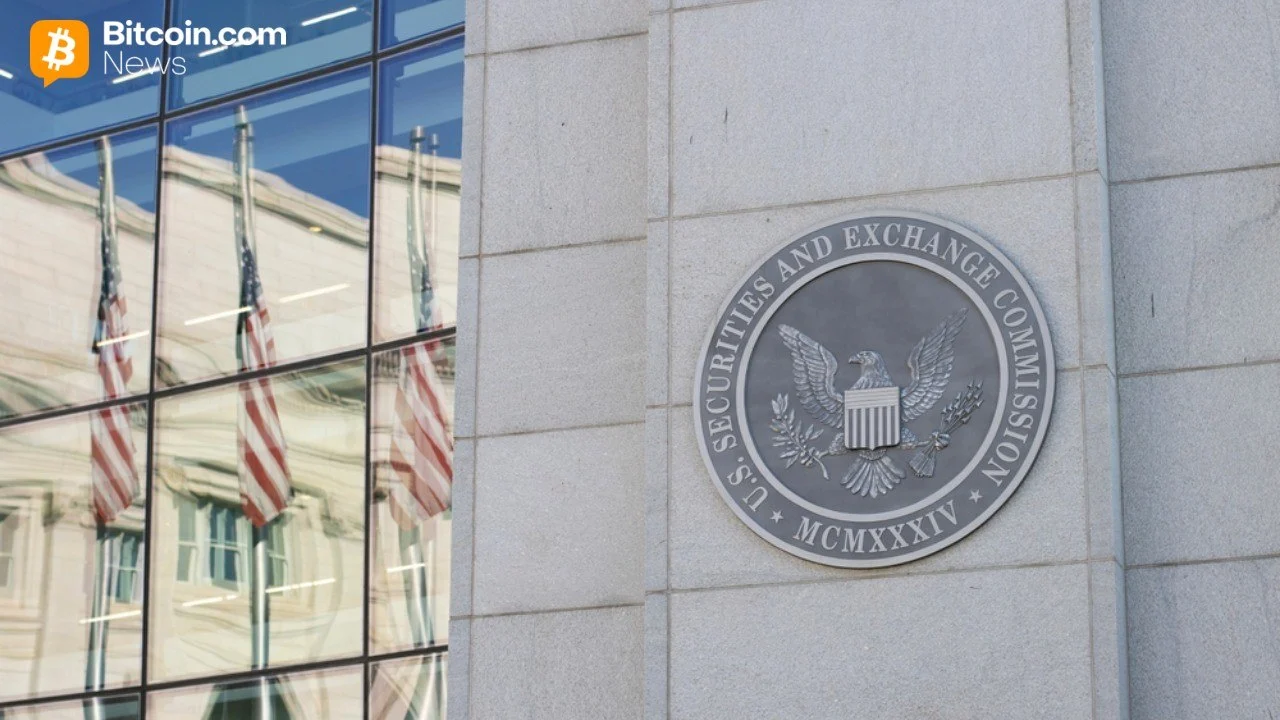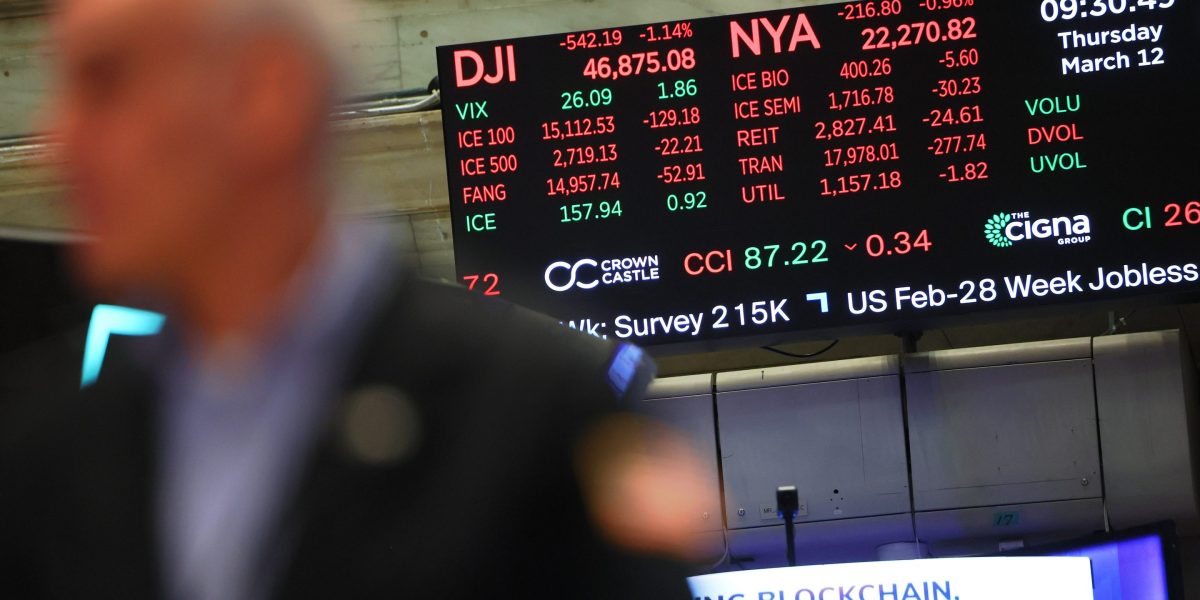
The tokenized stock market has reached approximately $1.4 billion in value, with Ondo Finance commanding around 60% of that total, holding an estimated $888 million. The SEC has been preparing an “innovation exemption” framework designed to let tokenized versions of public stocks trade within a regulated sandbox. And major players from Nasdaq to the Intercontinental Exchange are actively building the infrastructure to make it real.
What tokenized stock trading actually means
Instead of buying a share through a broker who talks to a clearinghouse who talks to a depository, the entire ownership record lives on a blockchain. The trade settles in near real-time rather than waiting through the traditional T+2 cycle, where “T+2” means your trade doesn’t officially close for two full business days after you hit the buy button.
The most obvious advantage is 24/7 trading. Traditional US stock markets operate roughly six and a half hours per weekday. Tokenized equities could theoretically trade around the clock, every day of the year, much like crypto markets already do.
Near-instant settlement also reduces counterparty risk. In the current system, the gap between trade execution and settlement creates a window where things can go wrong. During the 2021 meme stock frenzy, that settlement delay was a major factor in brokerages restricting trading in GameStop and other volatile names.