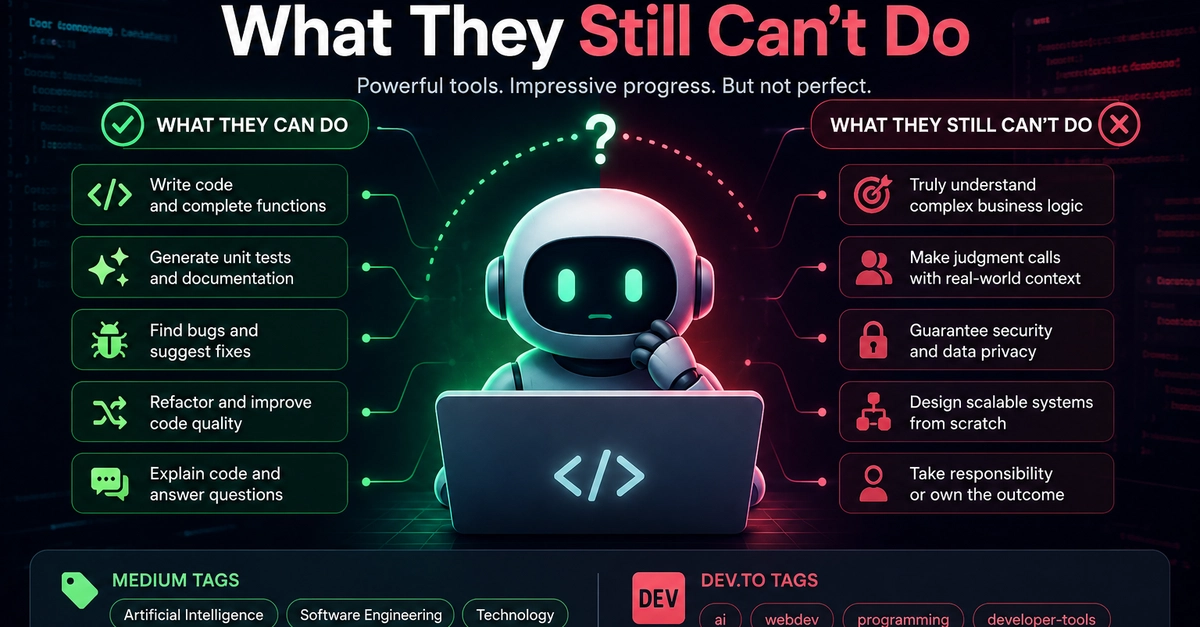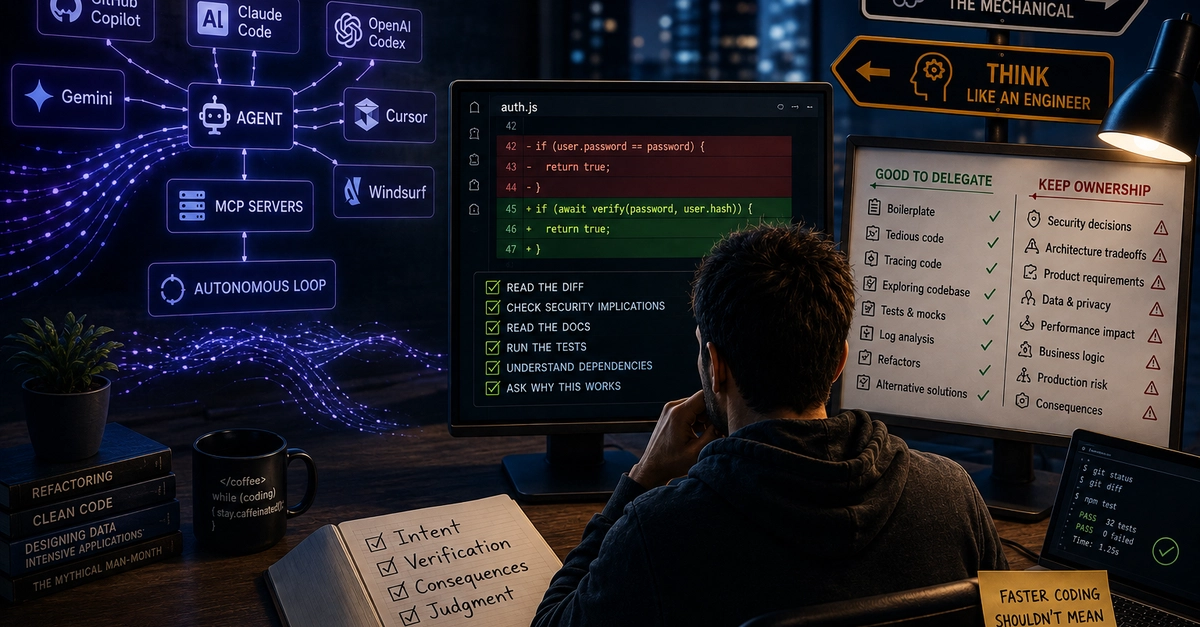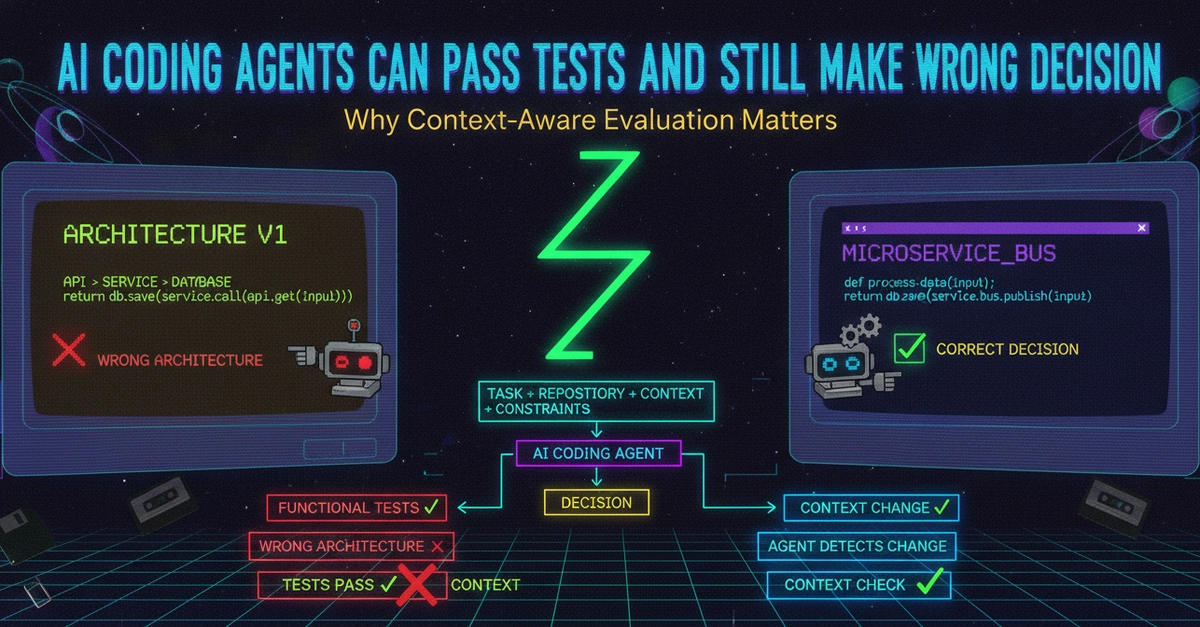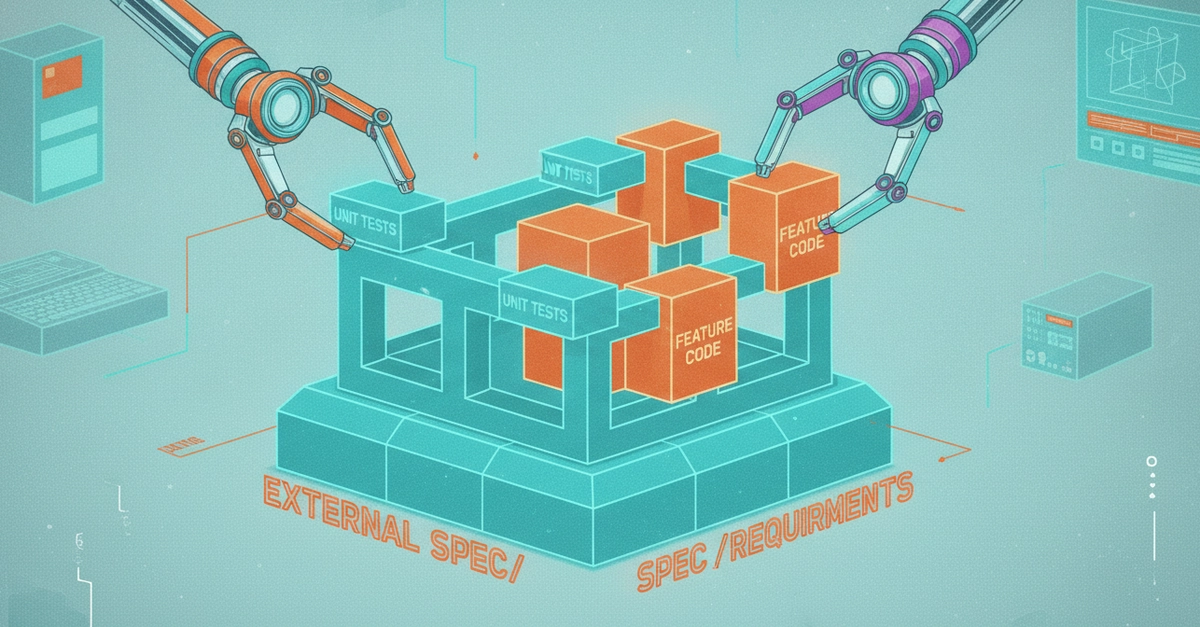
TL;DR — AI coding assistants are gated less by context window or model capability than by whether your codebase's invariants are legible — encoded in types, tests, or linters. Where invariants are machine-checkable, assistants are genuinely excellent. Where invariants live only in a senior engineer's head, assistants will confidently produce code that compiles, passes the obvious tests, and quietly breaks something real. The fix isn't a better model; it's making your invariants explicit before you turn an assistant loose on them.
Every take on AI coding assistants eventually collapses into some version of "great at boilerplate, bad at hard stuff." That framing is comfortable and almost useless. It doesn't tell you which hard stuff, and it doesn't explain why an assistant will nail a gnarly recursive algorithm on Monday and quietly break your billing system on Tuesday with a change that looked completely reasonable.
The actual dividing line has nothing to do with algorithmic difficulty. It's about legibility: whether the invariant a piece of code depends on is written down somewhere a model — or a compiler, or a linter, or a test runner — can actually see it. Assistants aren't bounded by cleverness. They're bounded by whether the rules of your system are visible to anything other than a human's memory.