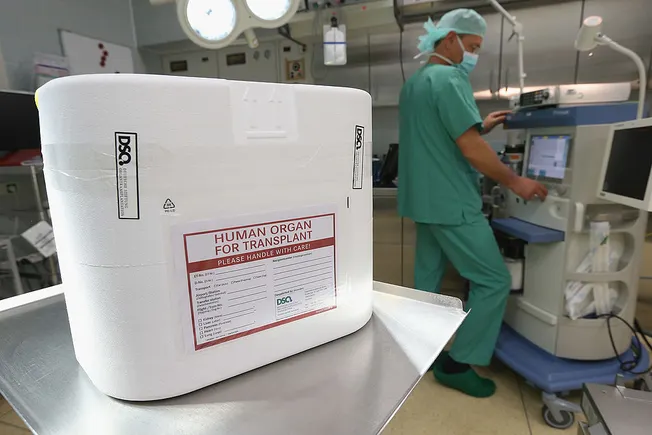
LifeMine Therapeutics, a biotechnology company led by serial entrepreneur Greg Verdine, said Thursday it raised $263 million in a pair of venture financings that will push a novel, protective treatment for organ transplants deeper into later clinical testing.
To find that new drug, codenamed “LIFE-001,” LifeMine looked to a billion-year-old place: the fungal genome. It’s the same starting point that led to the first statin, penicillin, and a widely used immunosuppressant called cyclosporine. While these and many other medicines are derived from fungi, LifeMine has for years been working to make the discovery process more systematic and repeatable, amassing a database of genomic information in the hopes of uncovering promising drug prospects.
LIFE-001 is the result of that work. It acts on an enzyme called calcineurin, which is historically tough-to-drug and activates the immune system’s T cells. Multiple treatments, such as tacrolimus and cyclosporine, prevent the body from rejecting transplanted organs by blocking calcineurin’s activity in some way. But they work by forcing together two proteins that otherwise wouldn’t latch onto one another, an indirect “molecular glue” mechanism that causes a number of other issues. Tacrolimus, often used in patients receiving a kidney transplant, is associated with serious side effects such as tremors, seizures and post-transplant diabetes mellitus.