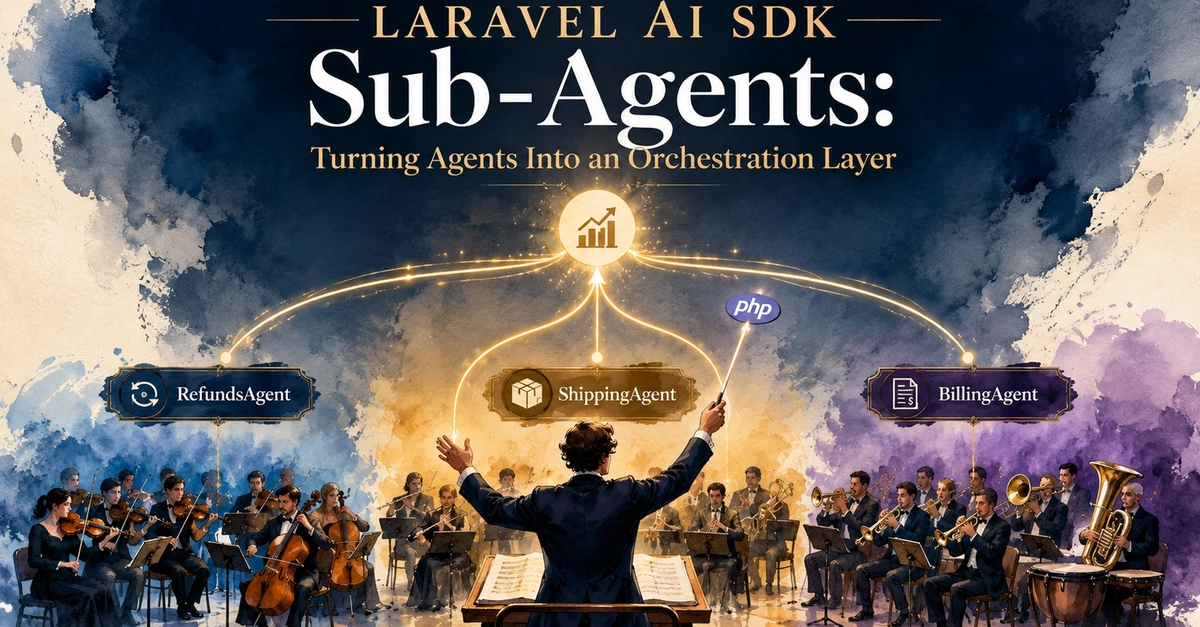
Multi-agent examples often jump straight to models, tools, and production claims. That makes it difficult to see what the protocol is doing. Before adding an LLM, it is useful to watch a small system discover specialists, delegate a task, and return a result that you can inspect.
This tutorial uses A2A Orchestration Lab, an open-source Python project by Fernando Paladini. It starts three local agents: an orchestrator, a researcher, and a writer. The researcher and writer are deterministic stubs, so the example isolates the Agent2Agent (A2A) communication flow from model behavior.
The result is a runnable research-to-write pipeline that helps explain where A2A fits next to the Model Context Protocol (MCP).
TL;DR
Install the lab with uv, run its demo command, and inspect the three local Agent Cards and the delegated result. The project is a learning lab, not a production runtime. That is a feature for this tutorial because every moving part remains visible.