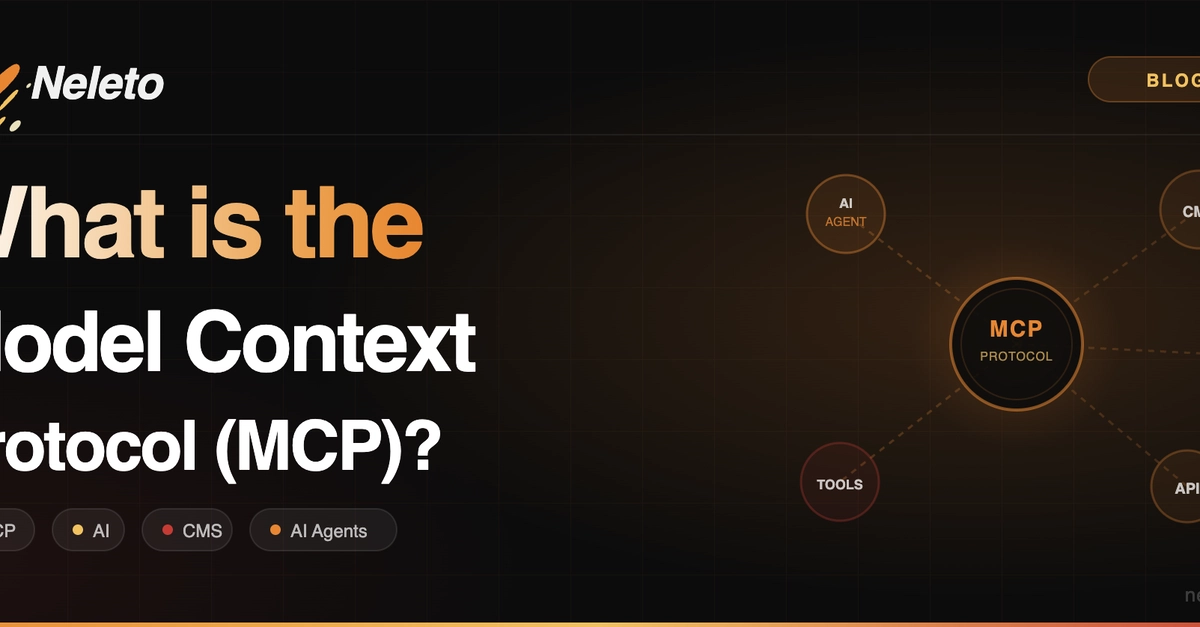
The Model Context Protocol (MCP) is becoming a more consequential piece of enterprise AI infrastructure because useful AI assistants need more than reasoning ability. They need controlled access to customer records, marketing context, decisioning systems, and the tools that turn an answer into an action. MCP's 2026-07-28 release candidate advances that goal with a stateless core for standard HTTP infrastructure, formal extensions for interfaces and long-running work, and a stronger framework for authorization and conformance.
For SEO and marketing teams, the change is not that an AI agent suddenly replaces strategy or governance. It is that the data-access layer connecting an agent to CRM-like and marketing systems is becoming more standardized. That can make AI-enabled workflows more practical to design, review, and operate, provided organizations define what data an agent may access and what it may do with it.
The official MCP 2026-07-28 release candidate announcement describes a stateless core intended to scale over conventional HTTP infrastructure. It also introduces formal extensions: MCP Apps for server-rendered user interfaces, and Tasks for work that takes longer than a single request. Alongside those technical changes, the release candidate strengthens authorization alignment with OAuth and OpenID Connect practices, while establishing a formal deprecation policy and conformance framework.