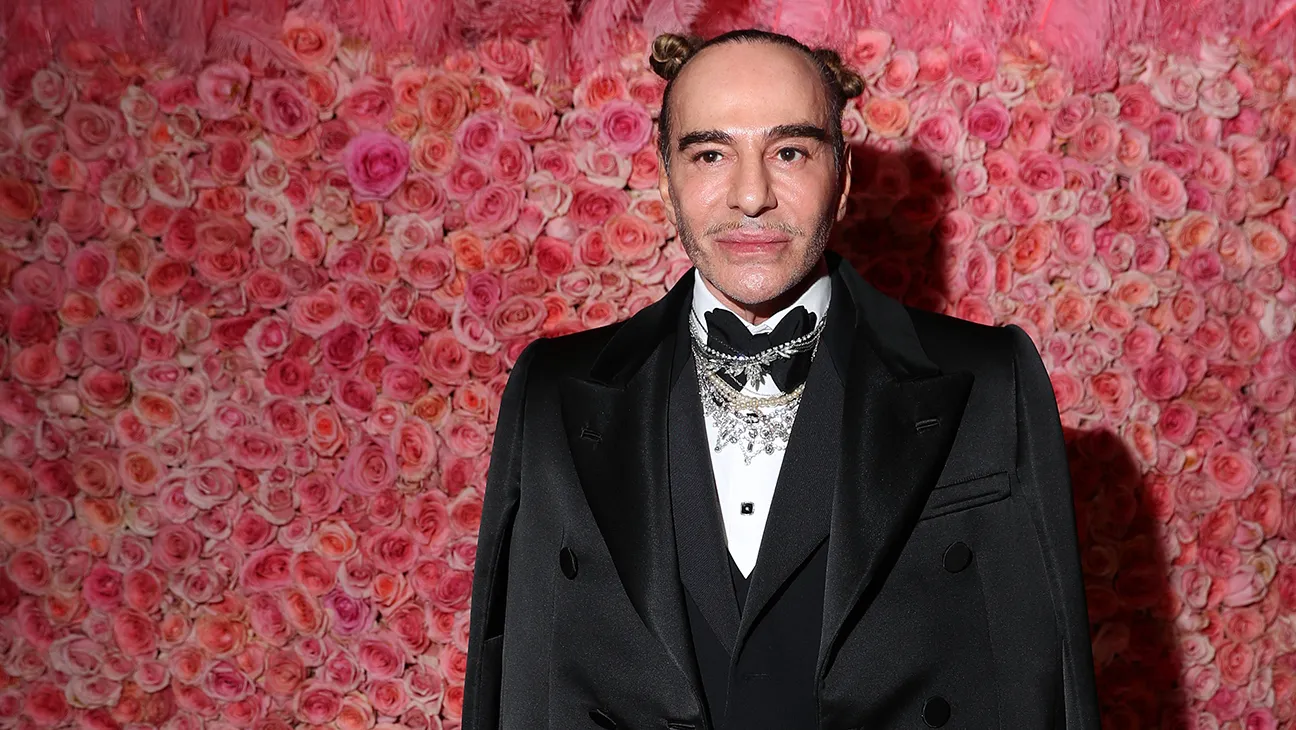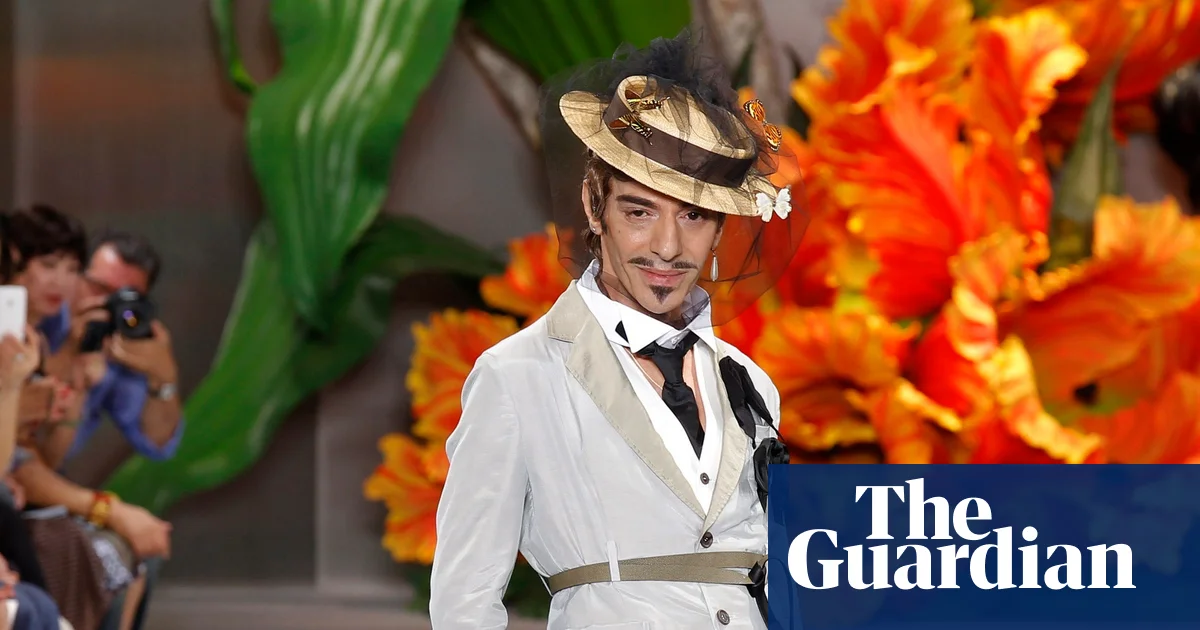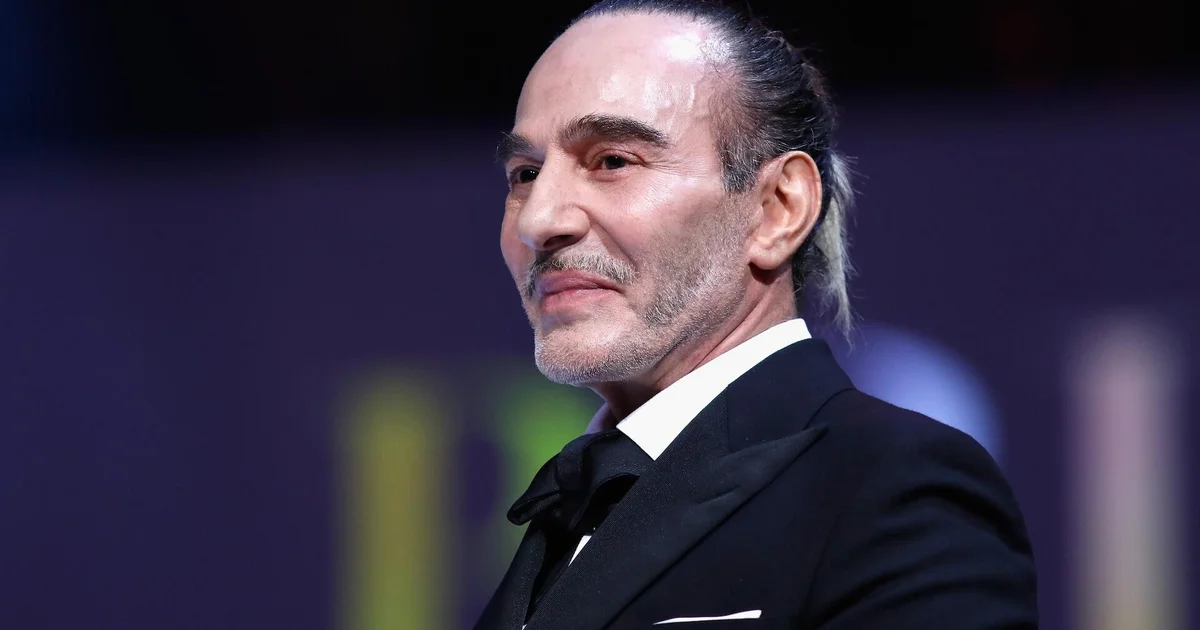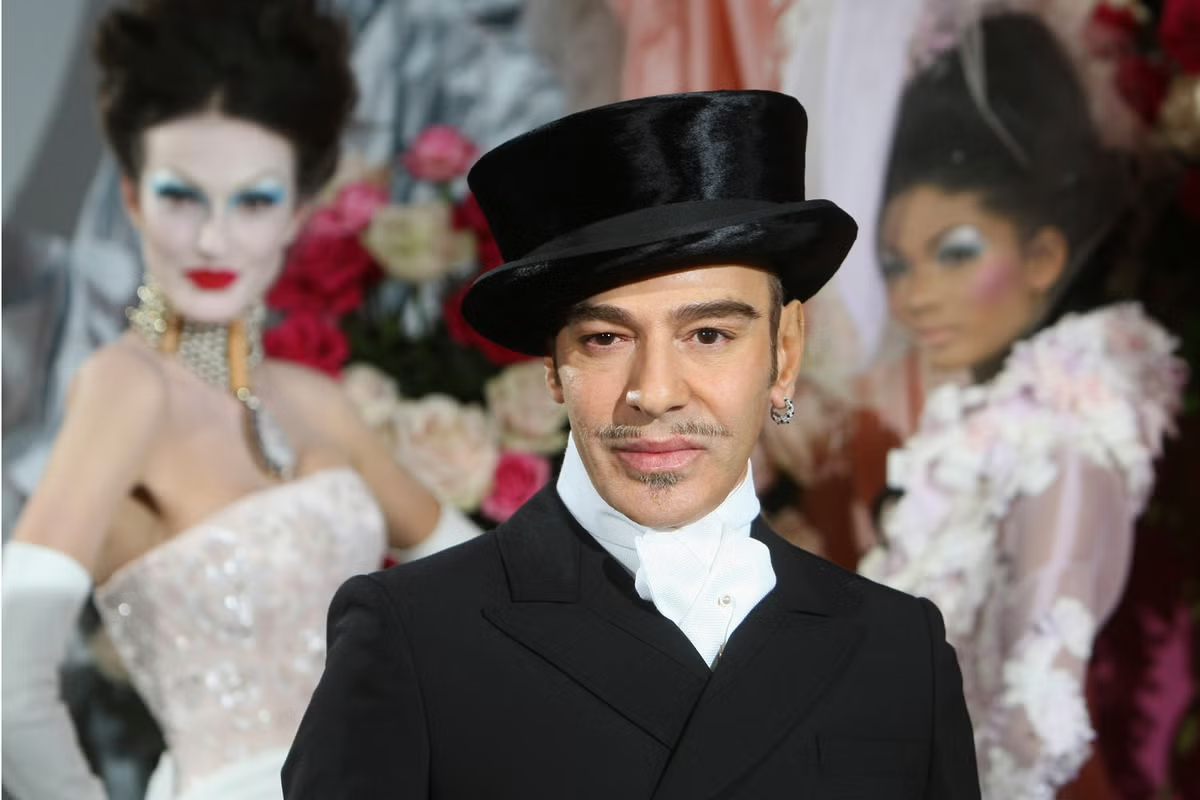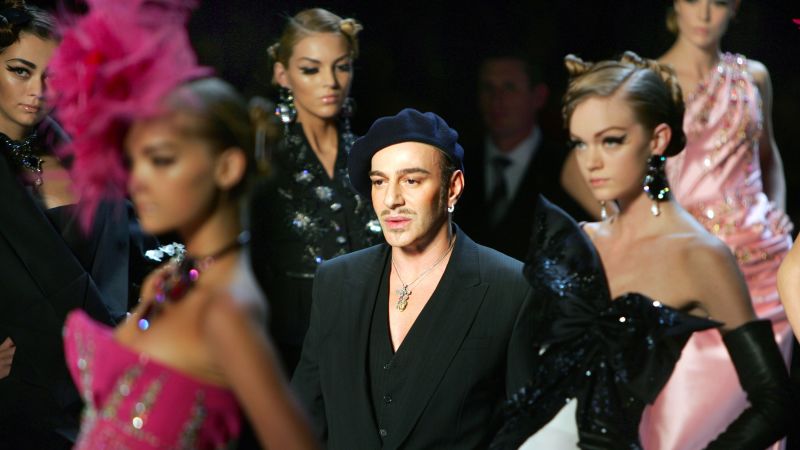
“I love Hitler,” the designer John Galliano said to a woman across from him at a Paris bar. “People like you would be dead today.”
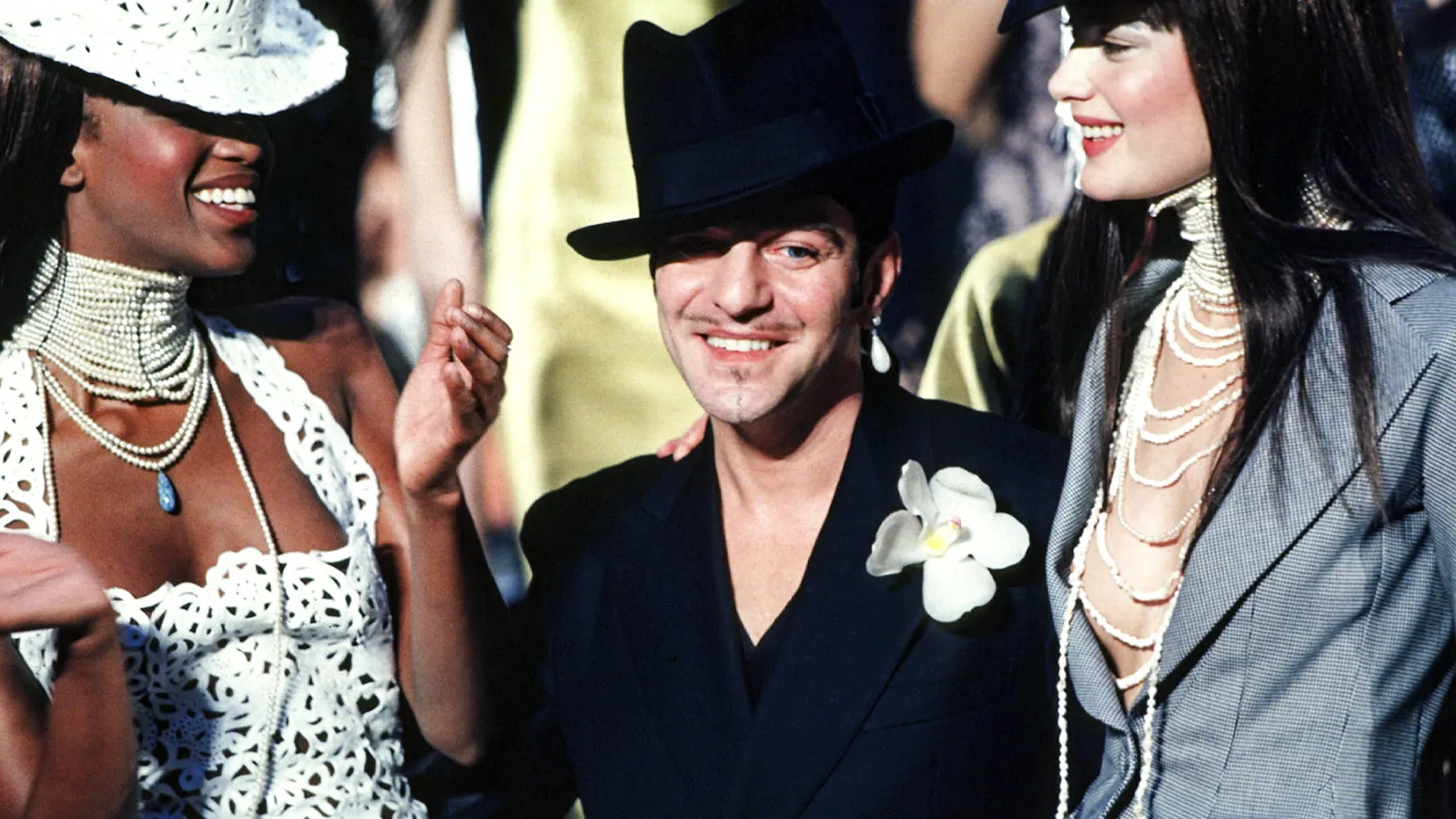
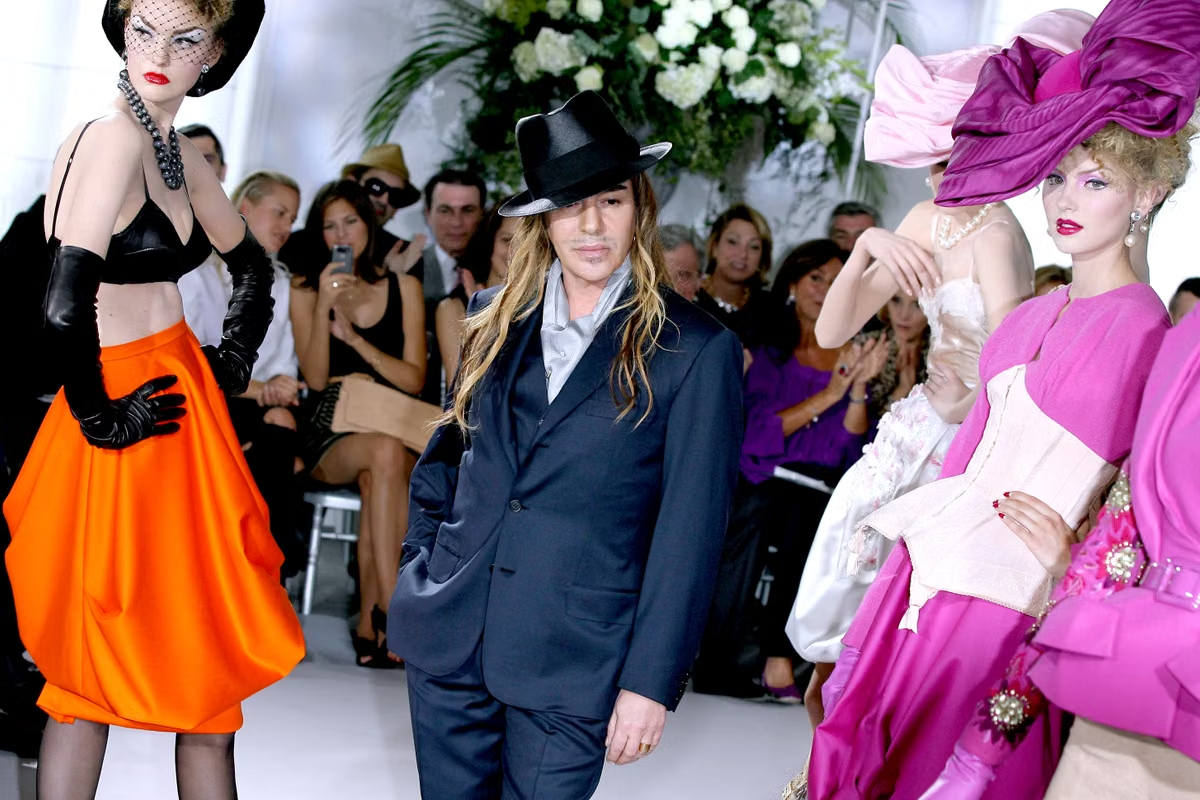
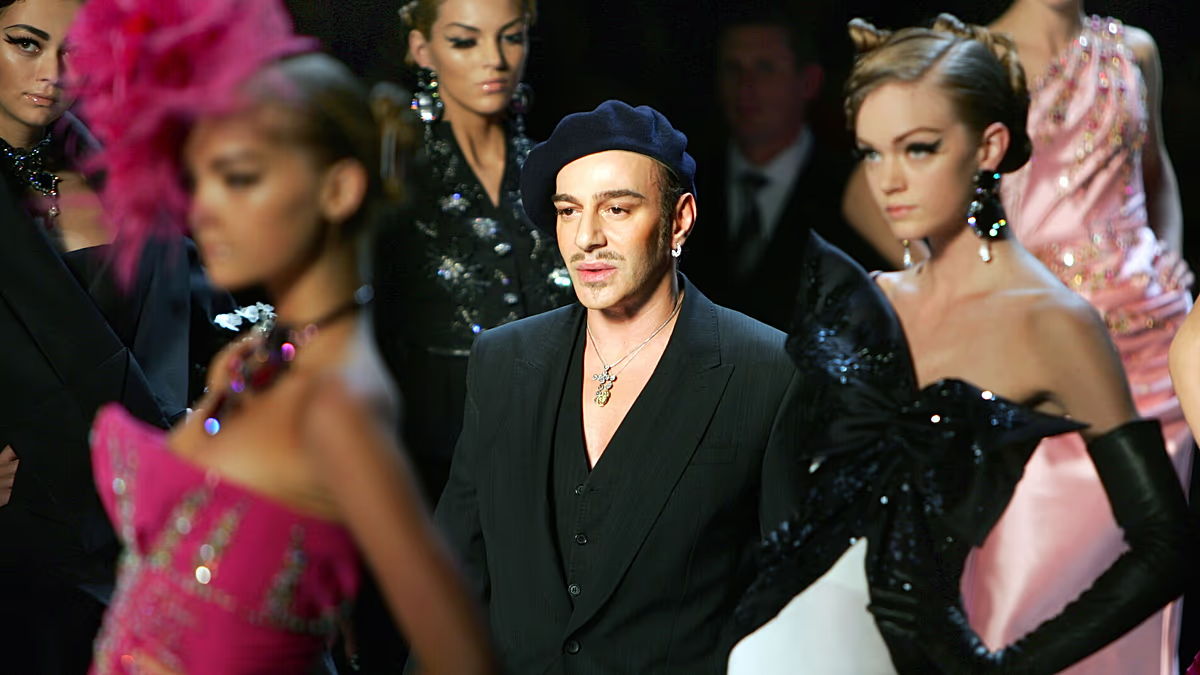
That was in December 2010. Galliano was a legend at the time, the British genius who had helped reinvent Givenchy and Dior. When the video of his antisemitic tirade emerged in 2011, it triggered his firing from Dior, a criminal conviction, and several years of exile from the fashion world.
Not too many years of exile, though. In 2014, Maison Margiela hired Galliano as its creative director, and he resumed sending out astonishing clothing, while minding his manners. And now, a decade and a half after his downfall and disgrace, Galliano is set to be the focus of a major exhibition at the Metropolitan Museum of Art in New York.
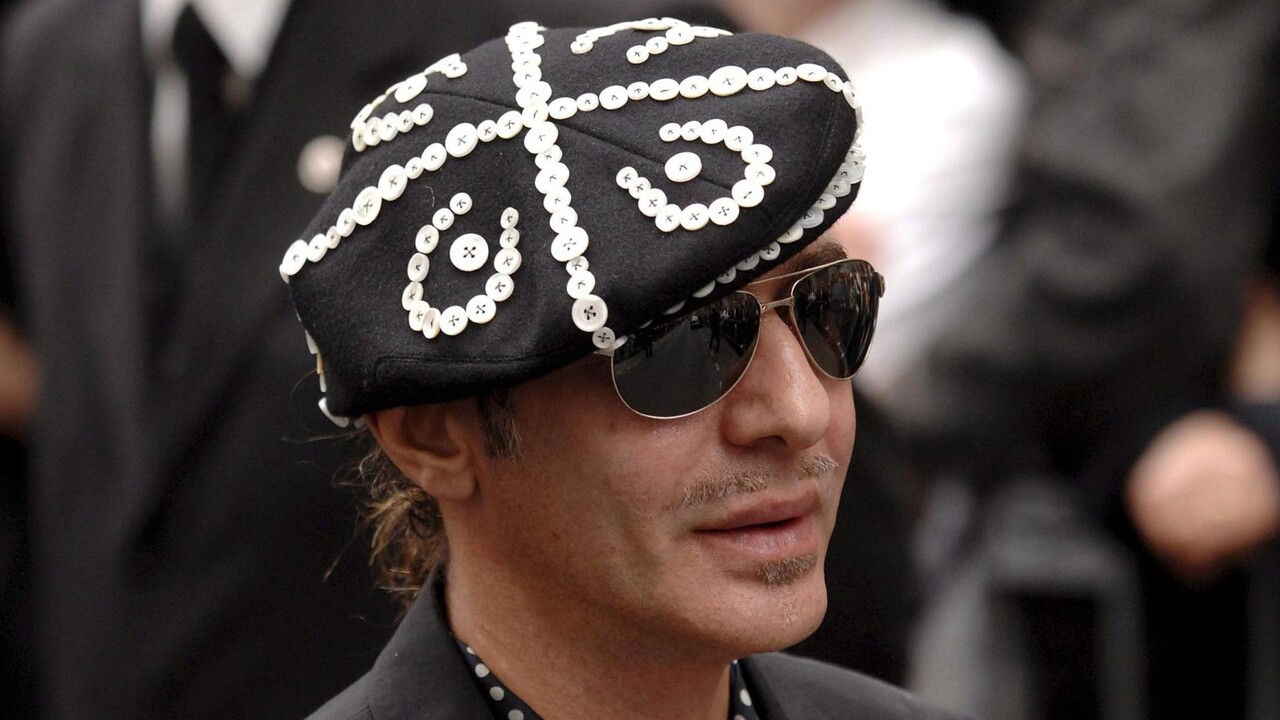
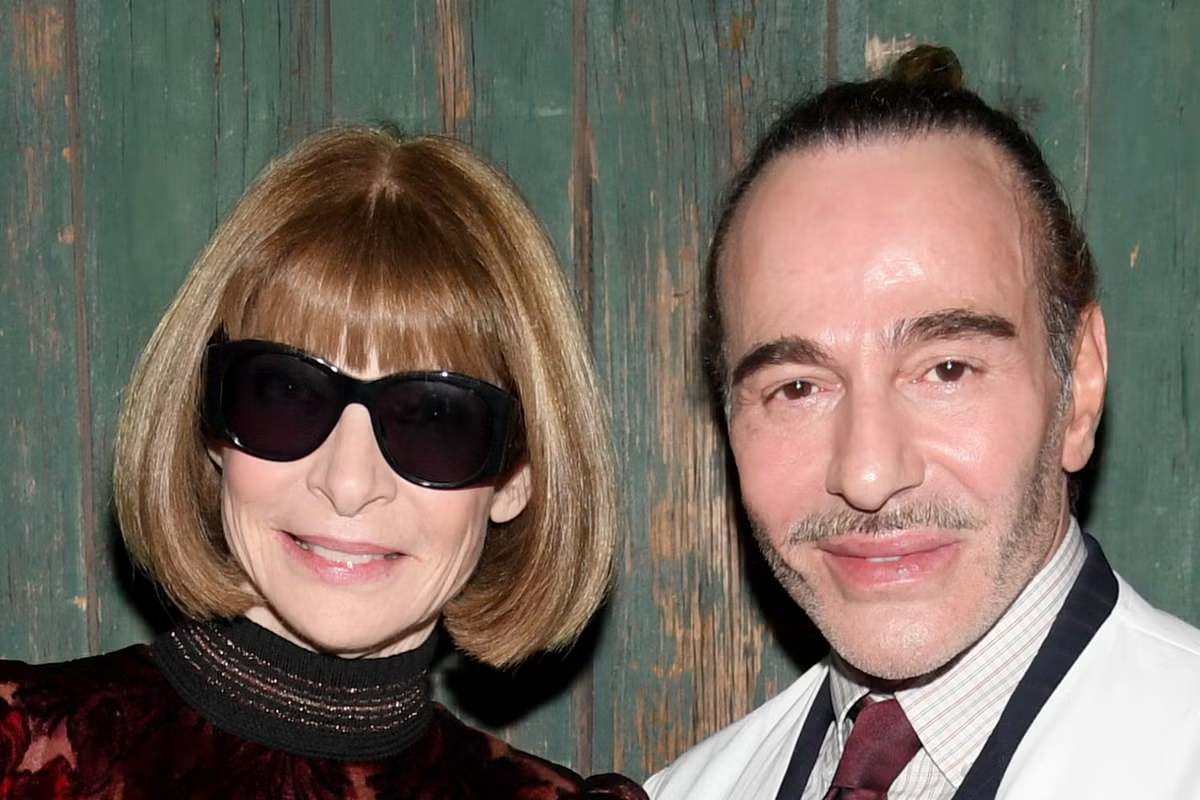
His four-decade career will be the focus of the Costume Institute’s next spring show, the annual exhibition that opens with the glitzy Met Gala on the first Monday in May. It’s an astonishing comeback that has provoked mixed reactions in the fashion world and beyond.
His return resurfaces a question that has dogged artistic and cultural institutions over the past quarter-century of reckonings over various prominent figures’ racism, sexual misconduct or other abuses of power: What do we do with great artists who do bad things?