MILAN — From new fighter jet tactics to arming up other aircraft, Ukraine has altered its strategies to make intercepting Russian drones and missiles more affordable and better suited to record wartime attacks launched by Moscow in recent months, according to a new analysis.
A report published last week by the London-based Royal United Services Institute noted the “radically different” nature of air warfare in the Ukraine war as of July 2026. Whereas the bulk of Russia’s air campaign initially consisted in the first years of launching long-range strikes, using cruise and ballistic missiles to degrade Ukrainian communications and industry, today the situation is much different.
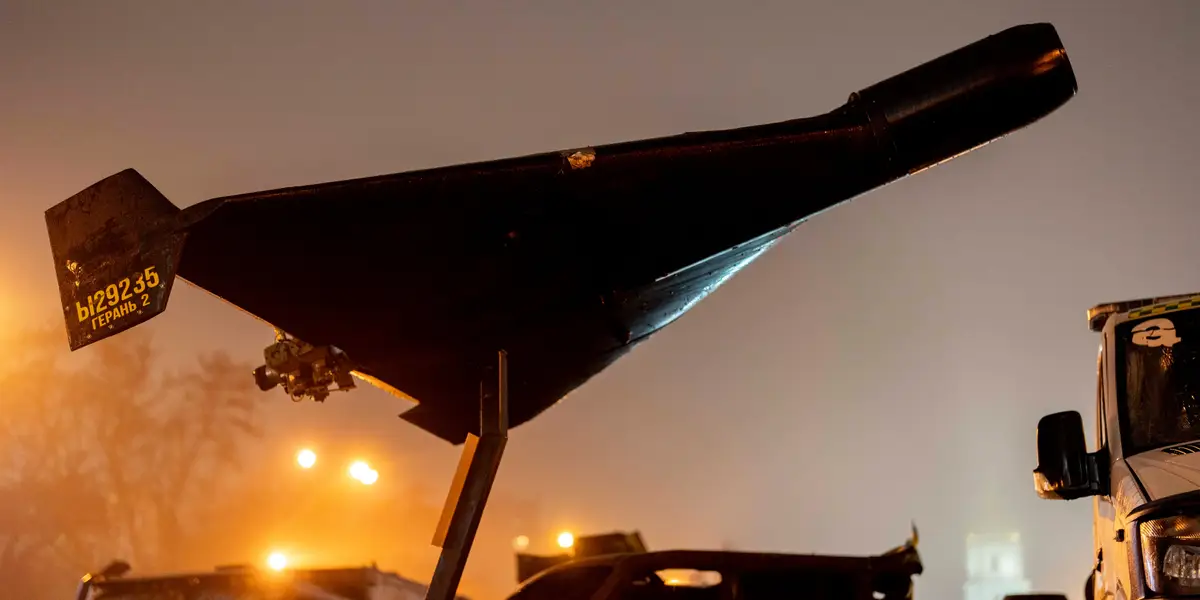
Russian strikes now traditionally begin with waves of many hundreds of one-way attack (OWA) drones and jet-powered Shaheds alongside decoy drones sent towards Ukraine to saturate its air defenses, the report said.
Closely following was the deployment of tens of cruise missiles. According to the New York Times, last month alone Russian forces fired at least 126 ballistic missiles, a record high of the conflict.
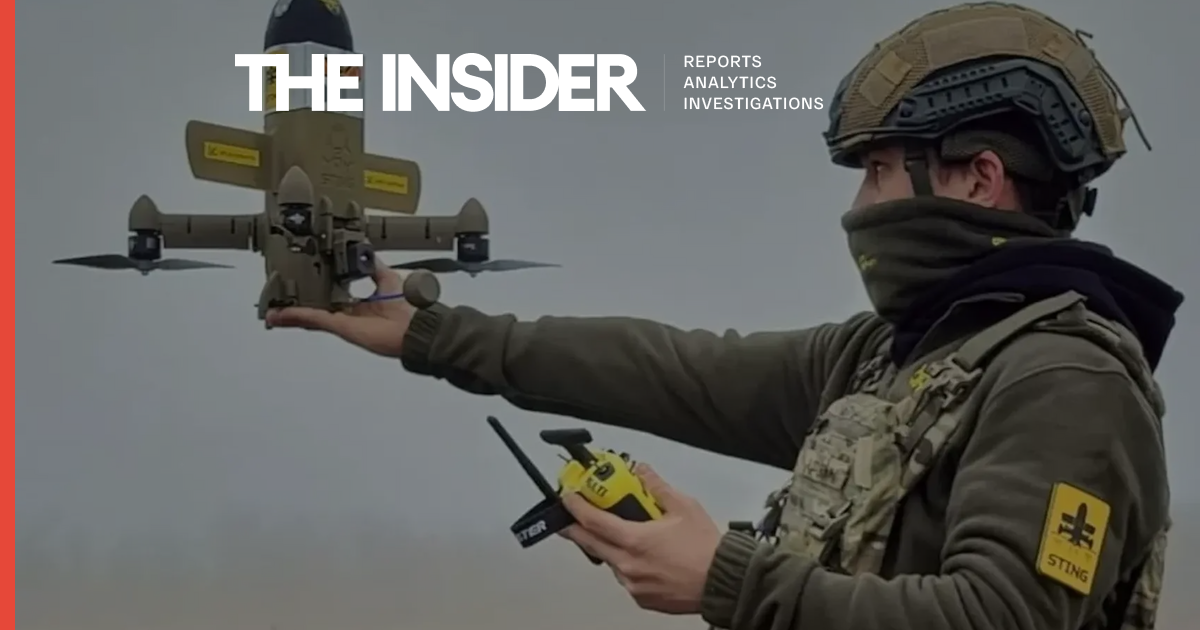
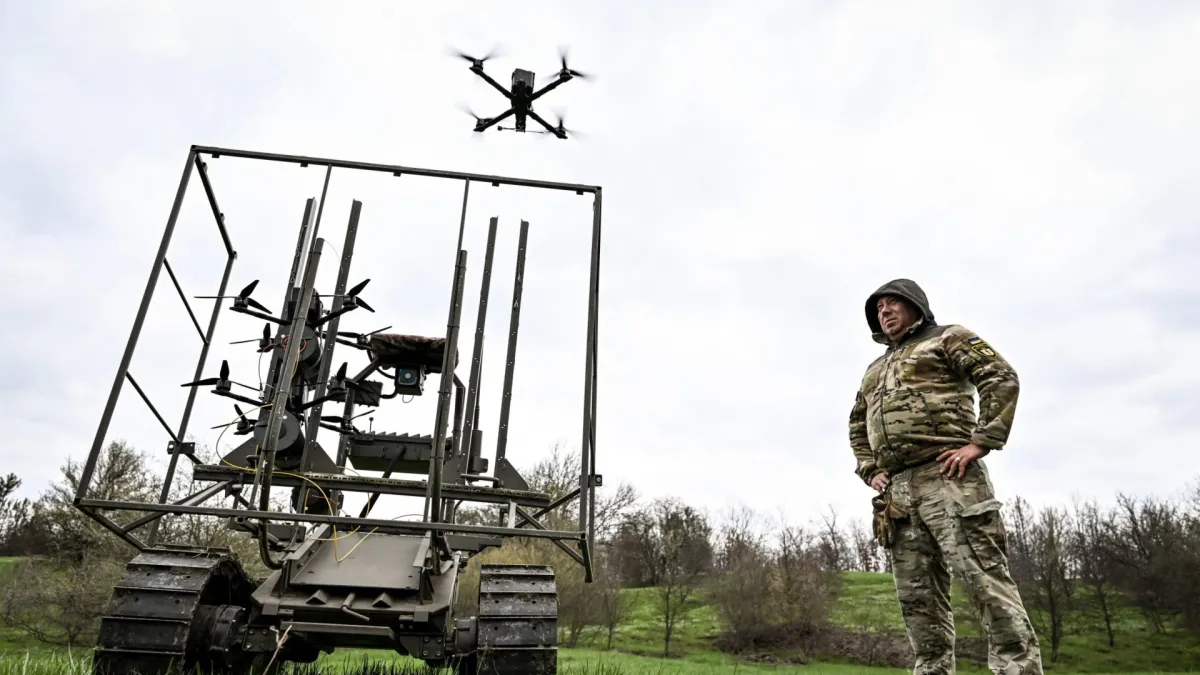
From the beginning of the war, Ukraine has employed high-end air defense systems, such as the in-demand, American-made Patriot system. But stocks are dwindling, so now, for the initial line of defense against these barrages, Ukraine has relied on a dense, layered network of inexpensive short-range air defense systems (SHORAD), operated by dispersed air defense teams.