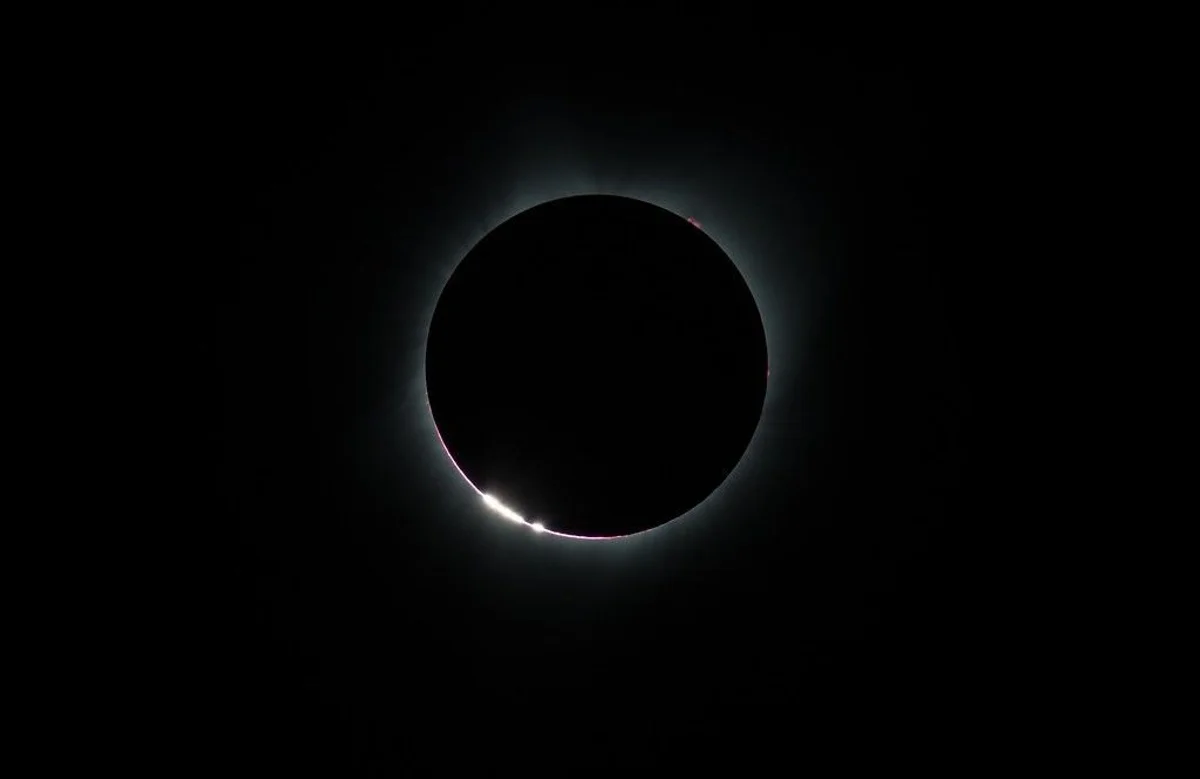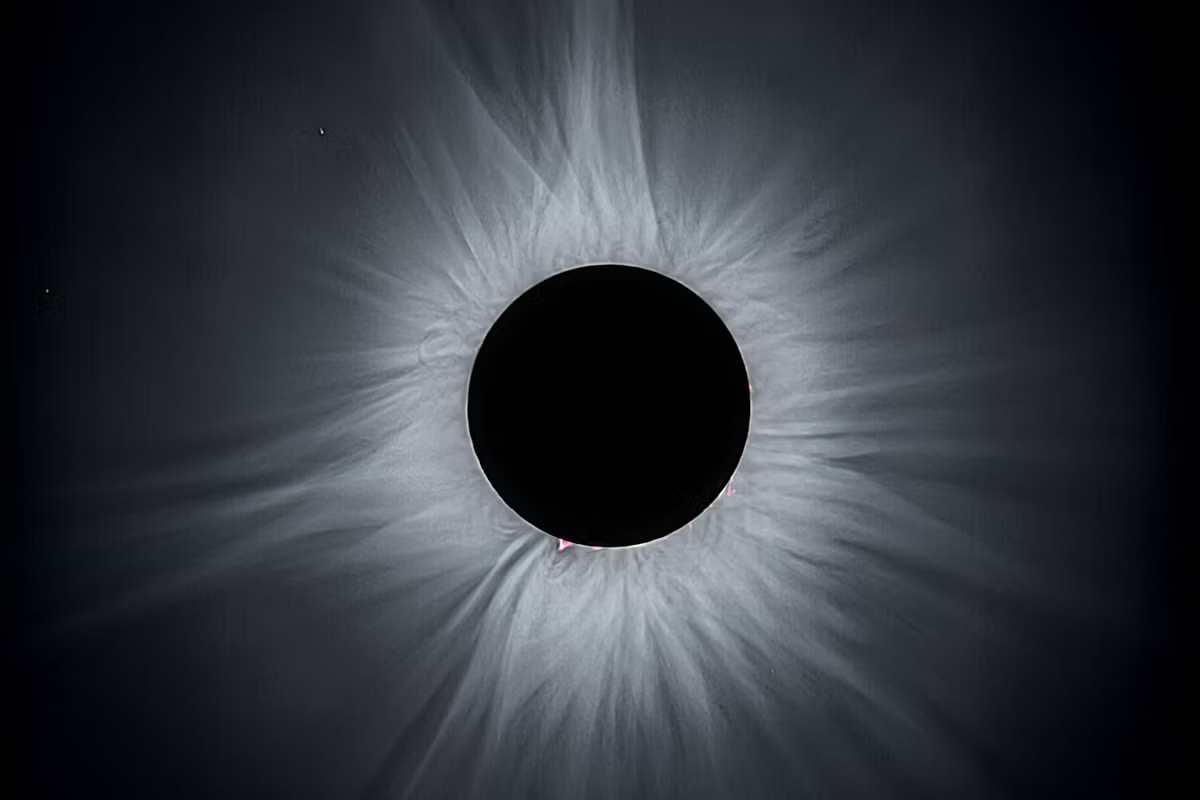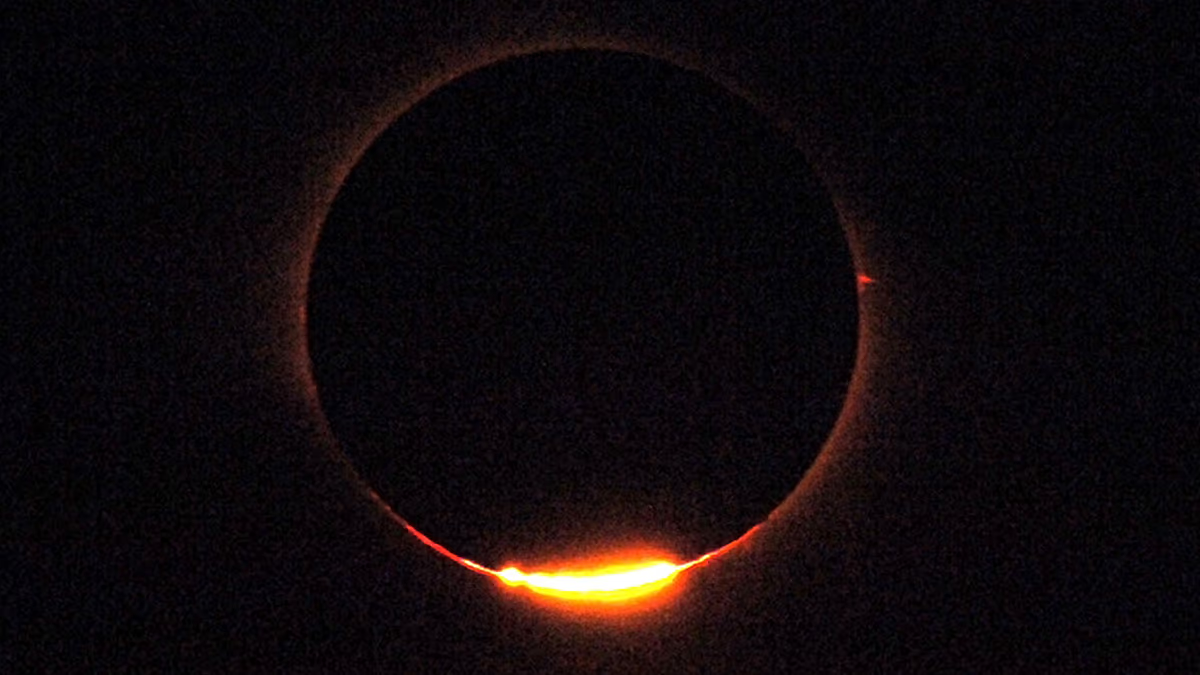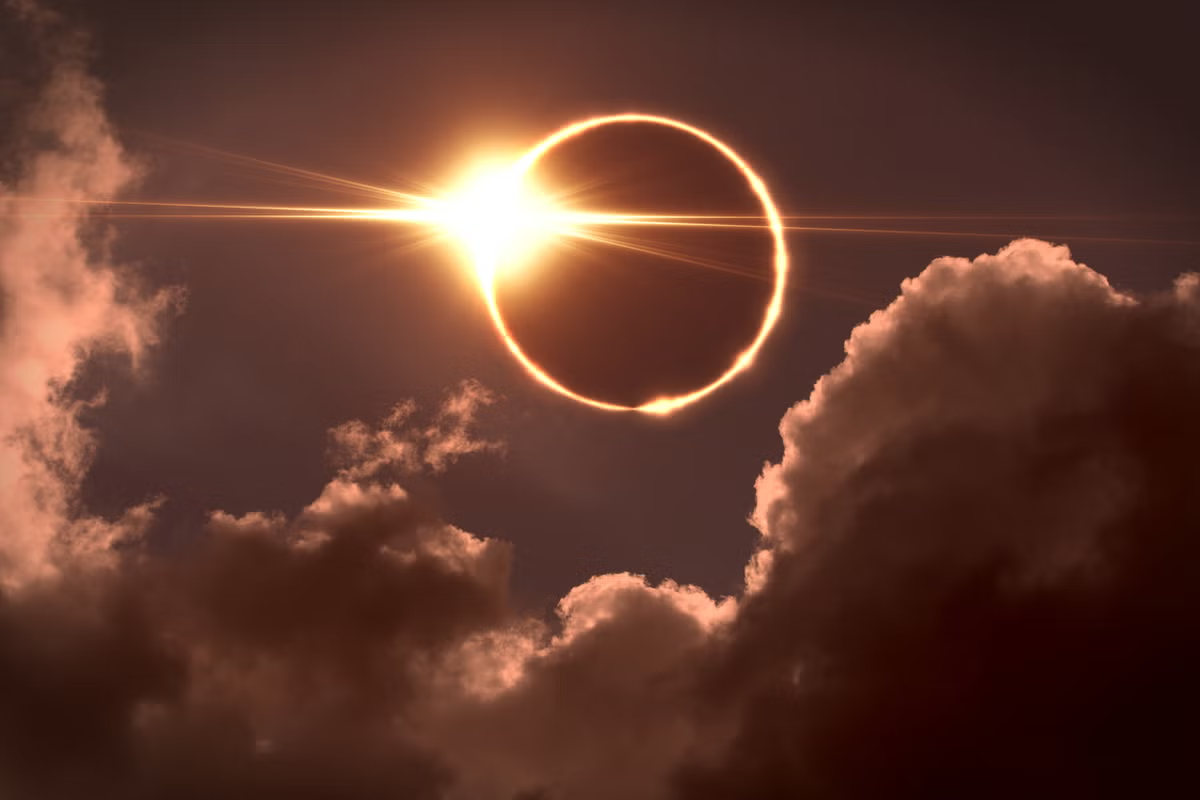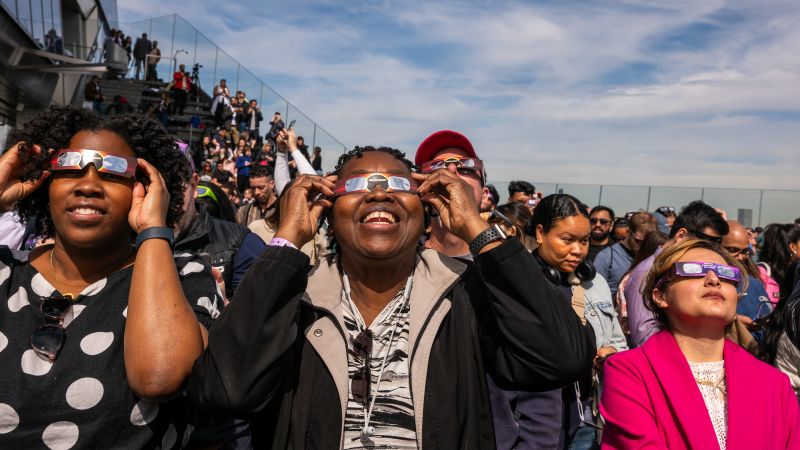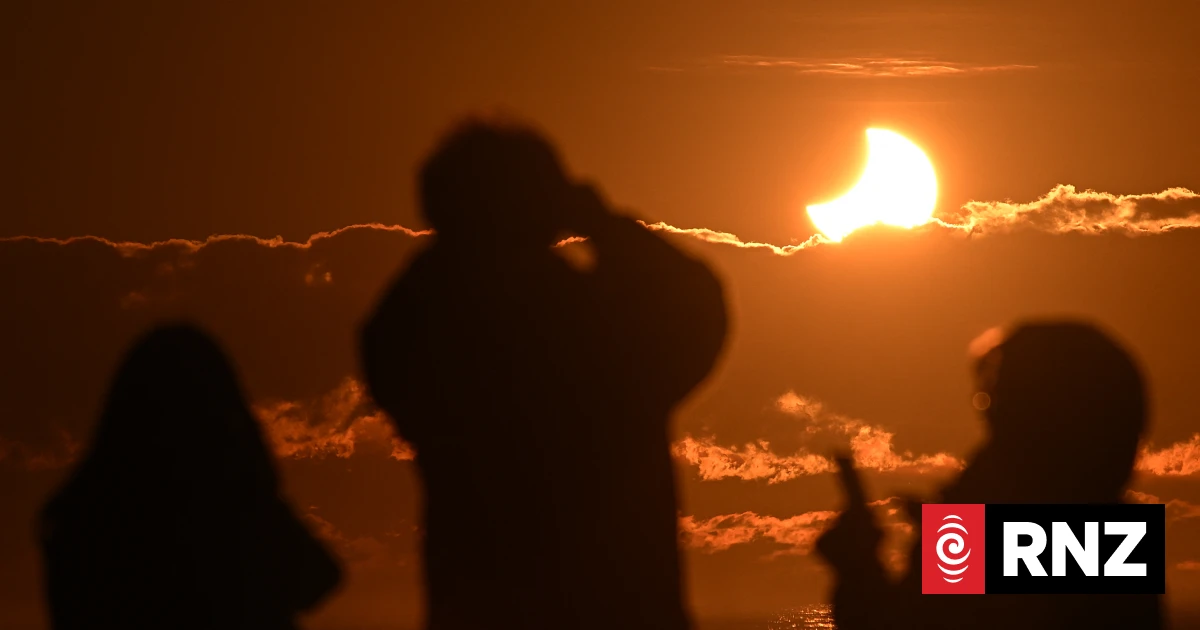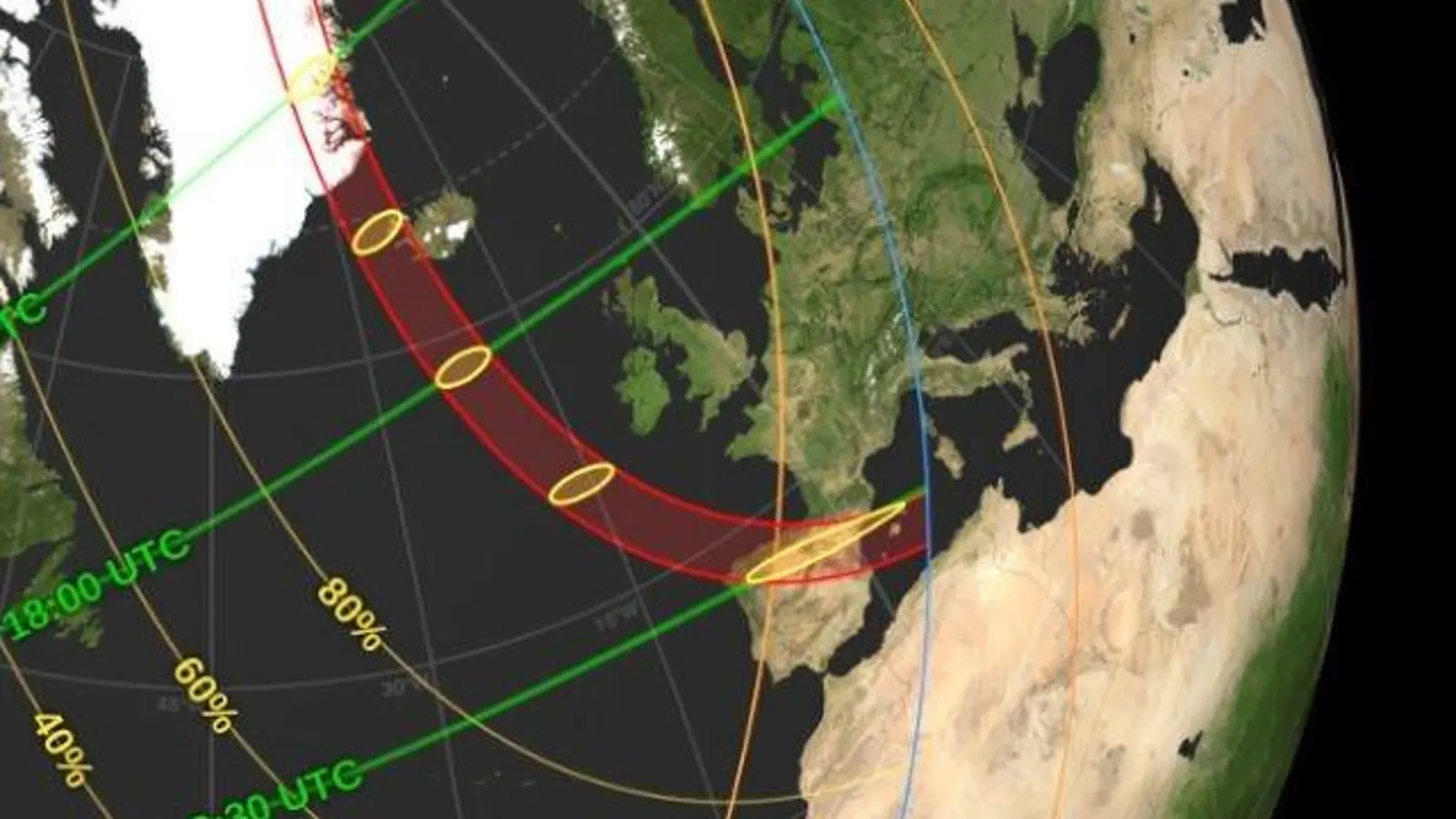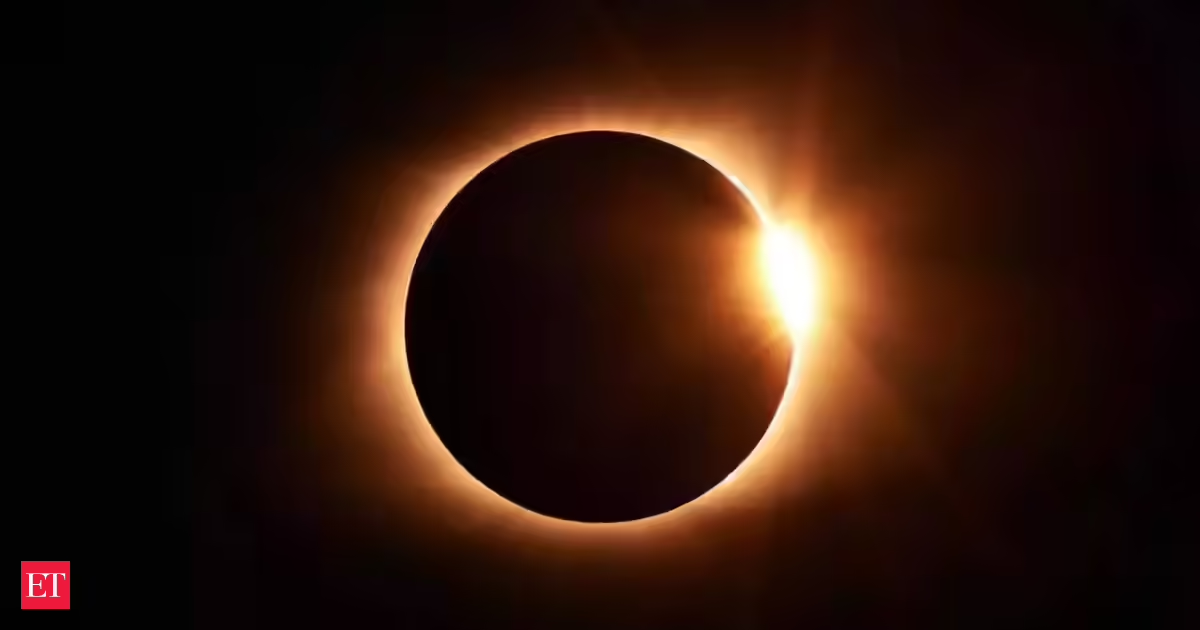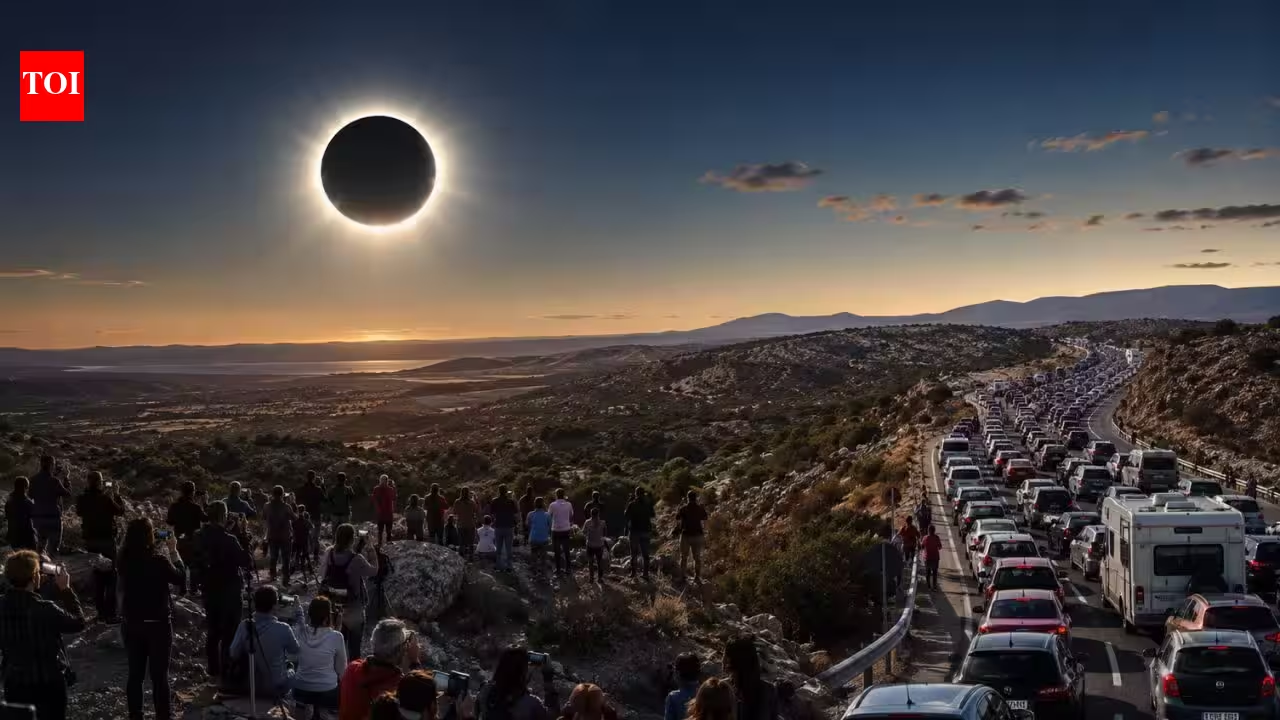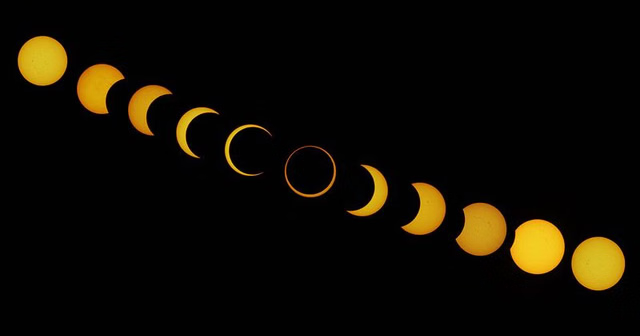
Millions of people will get to experience — and film or photograph — a rare total solar eclipse set to sweep over parts of Europe next week. The event is expected to boost tourism to Spain as eclipse enthusiasts flock to a swath of the country’s north that will be in the path of total darkness on Aug. 12. Parts of Greenland, western Iceland and a corner of Portugal are also in the shadow’s path. Eclipse chasers may also join eclipse cruises in the north Atlantic. Much of the rest of the northern hemisphere will see a partial eclipse. Interest surged for 2024 ‘s total eclipse over North America, with many people using their smartphones to document it. This year’s event is expected to be no different.But an eclipse poses unique challenges for photos, such as drastic changes in lighting. Here are pointers on how smartphone shooters can get the best shot.
This article is part of AP’s Be Well coverage, focusing on wellness, fitness, diet and mental health. Read more Be Well.
Find the best place to view and capture the eclipseLocation is key. If you’re travelling to view the eclipse, you’ll want to be as close as possible to the path of totality. The European Space Agency has posted a map of Spain on its website showing how many minutes of totality there will be for different parts of the country. For more detail, eclipse expert Xavier Jubier’s website overlays the eclipse’s path on Google Maps, which allows zooming down to the street level.Be aware that for most places in Europe the eclipse won’t happen until close to sunset, and the sun and moon will get closer to the horizon as it continues. So try to find a high point with clear views of the western horizon.