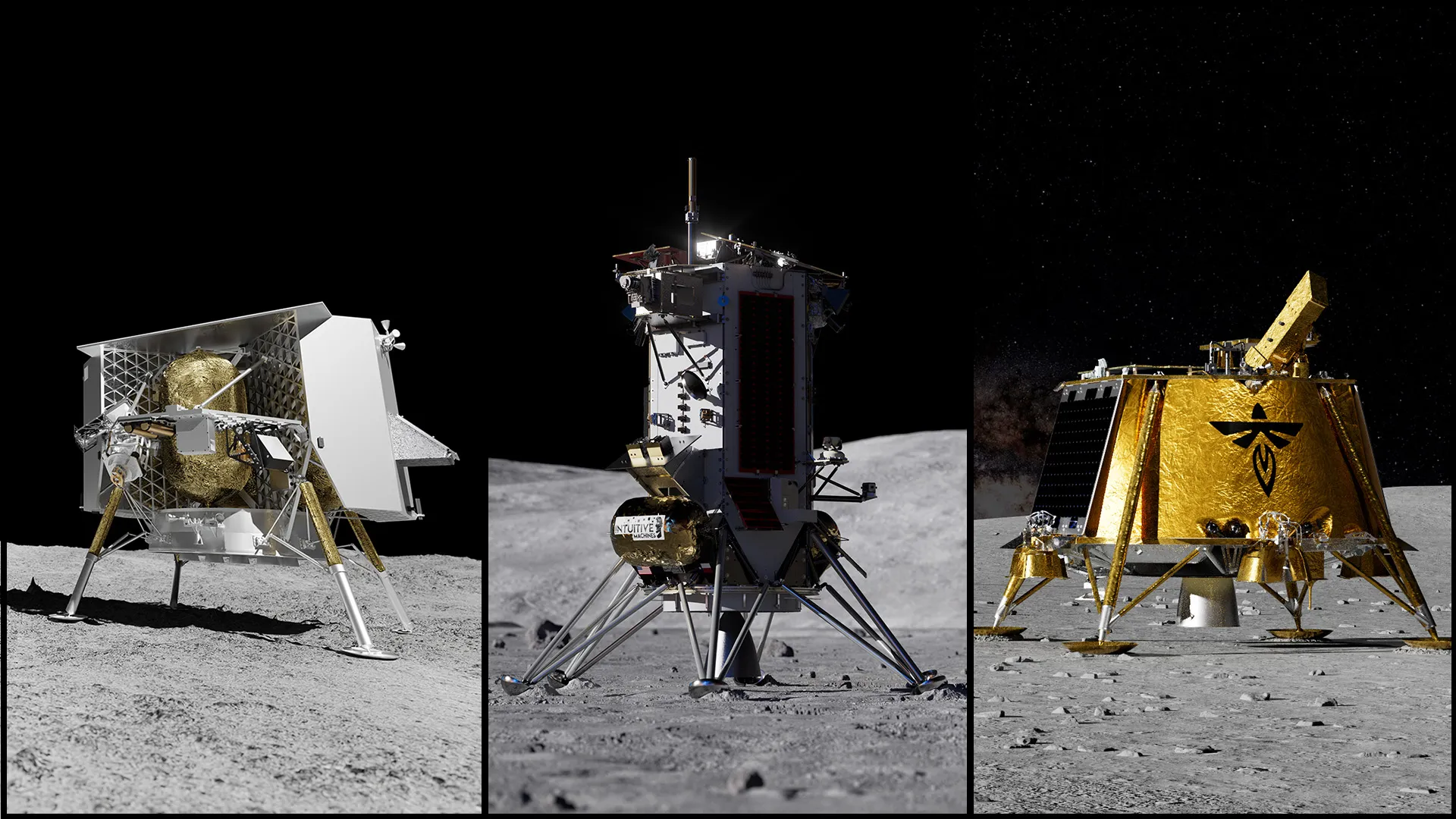
Rockets, rovers and landers have dominated the attention of the commercial space industry as the United States focuses on sending humans back to the moon, but a handful of companies are focusing on a critical next step: feeding them once they’re there.
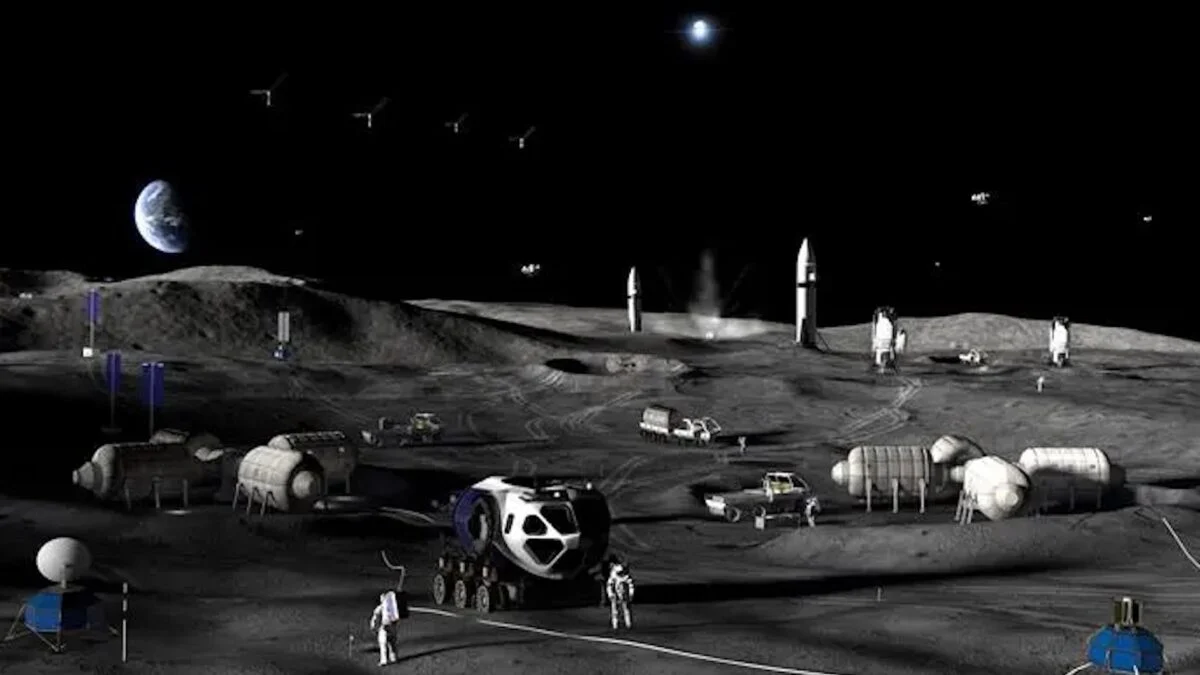
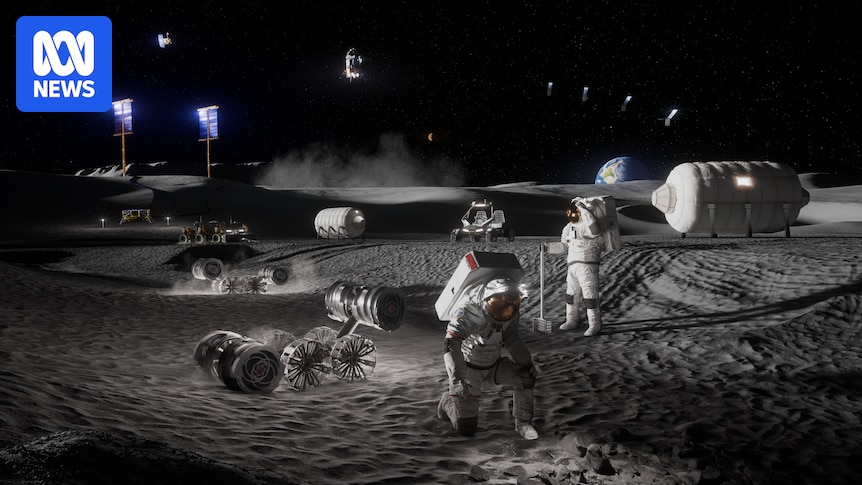
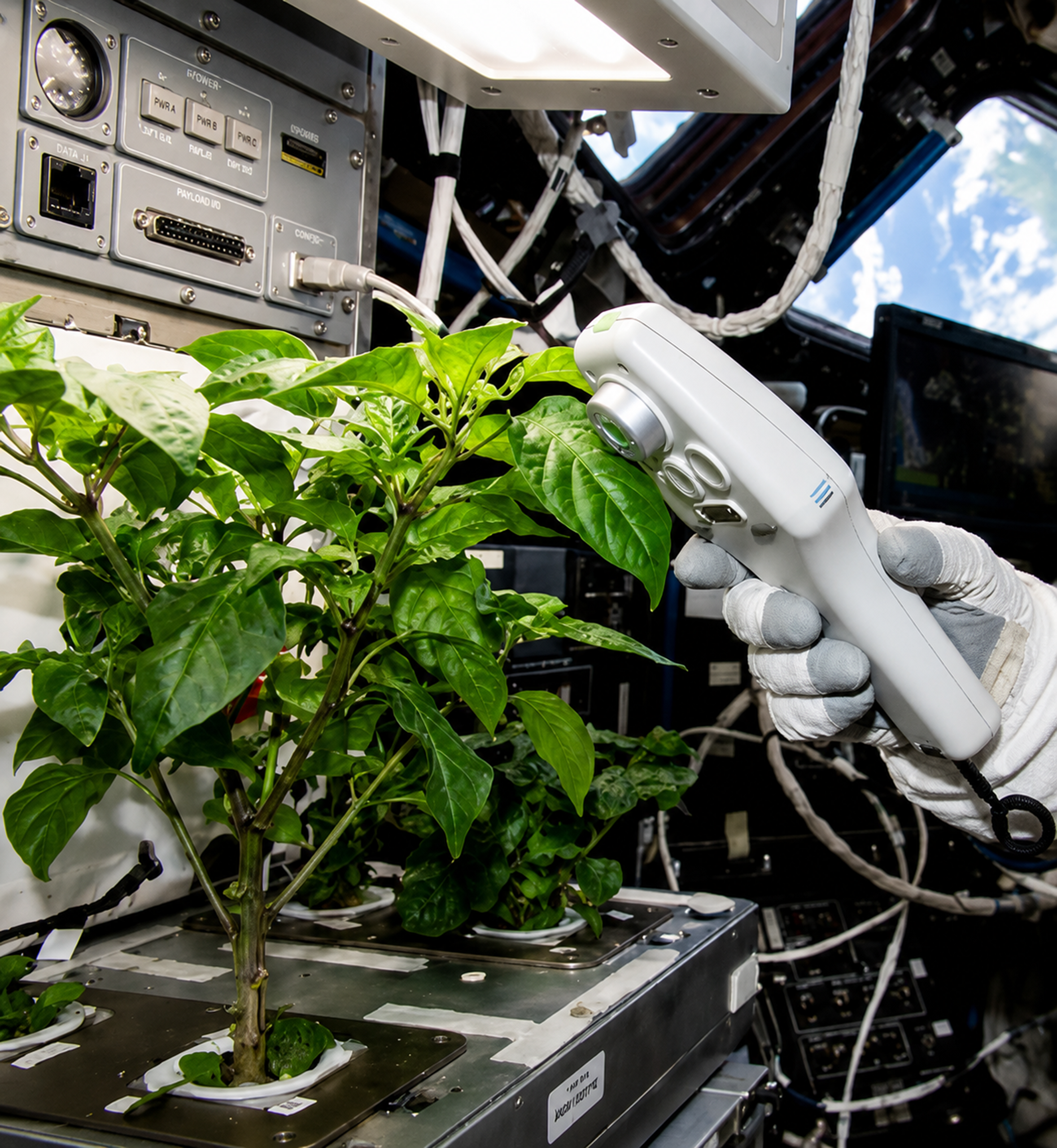
NASA aims to assemble a moon base starting as early as 2028, and producing food will be key to eventually establishing a sustained presence there, allowing astronauts to thrive during long-duration exploration. Already the agency has spent years studying plant growth in microgravity on the International Space Station. But it will be years before astronauts can build a salad with produce grown entirely in space. It will likely take even longer for additional experiments and new capabilities to scale crop production there.
But some firms are under contract today to build the necessary technology, with the goal of creating a reliable and nutritious food system for humans on the moon — and potentially beyond.
This spring, NASA solicited Small Business Innovation Research (SBIR) proposals for plant-growth technologies and has multiple contract opportunities for similar types of innovations.
To businesses already developing this type of tech, it’s a promising sign that space agriculture systems could grow to be a larger part of the commercial space industry and that their experiments and technologies may be laying the groundwork for large-scale food production on the moon, Mars and deep space.