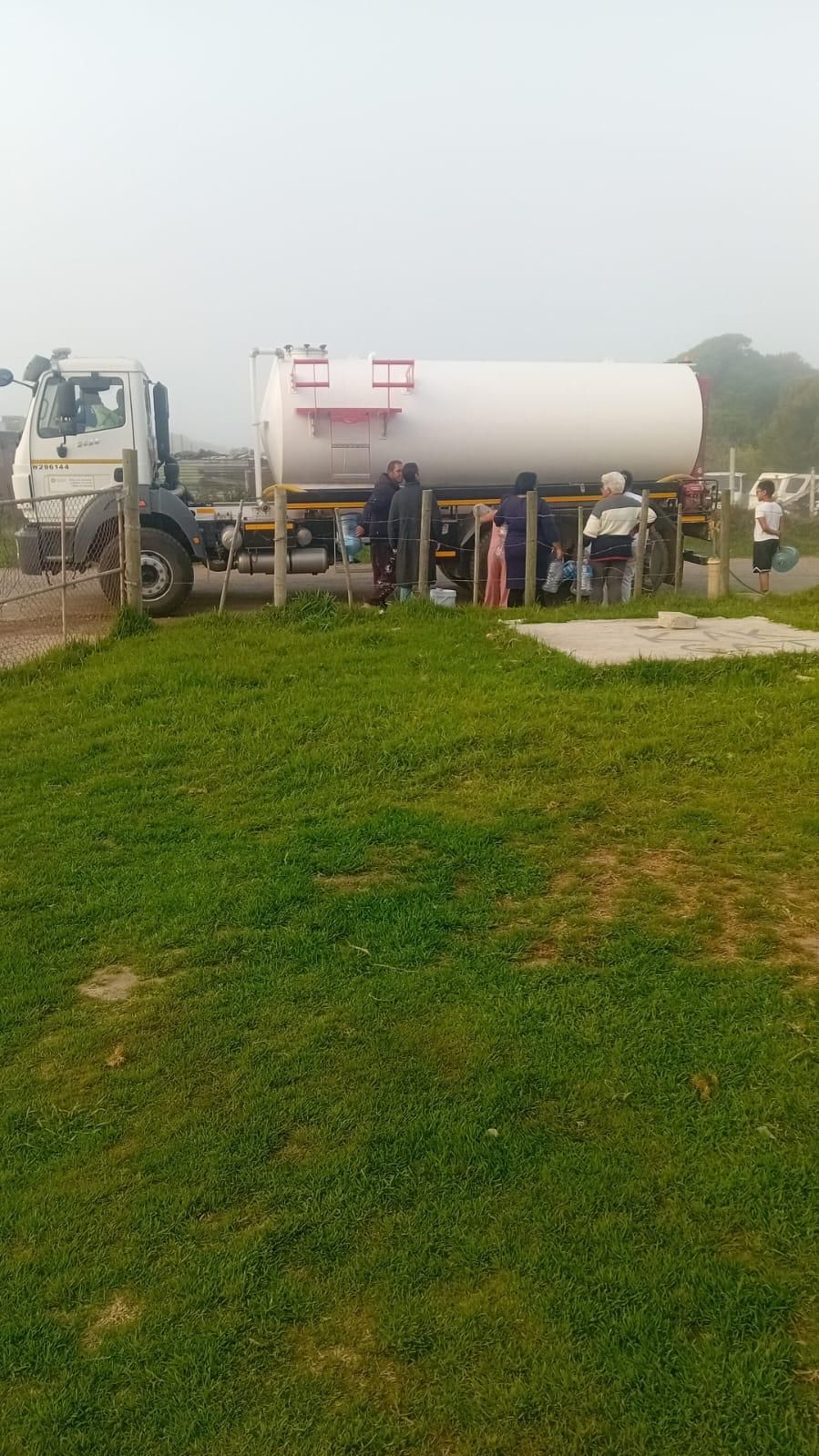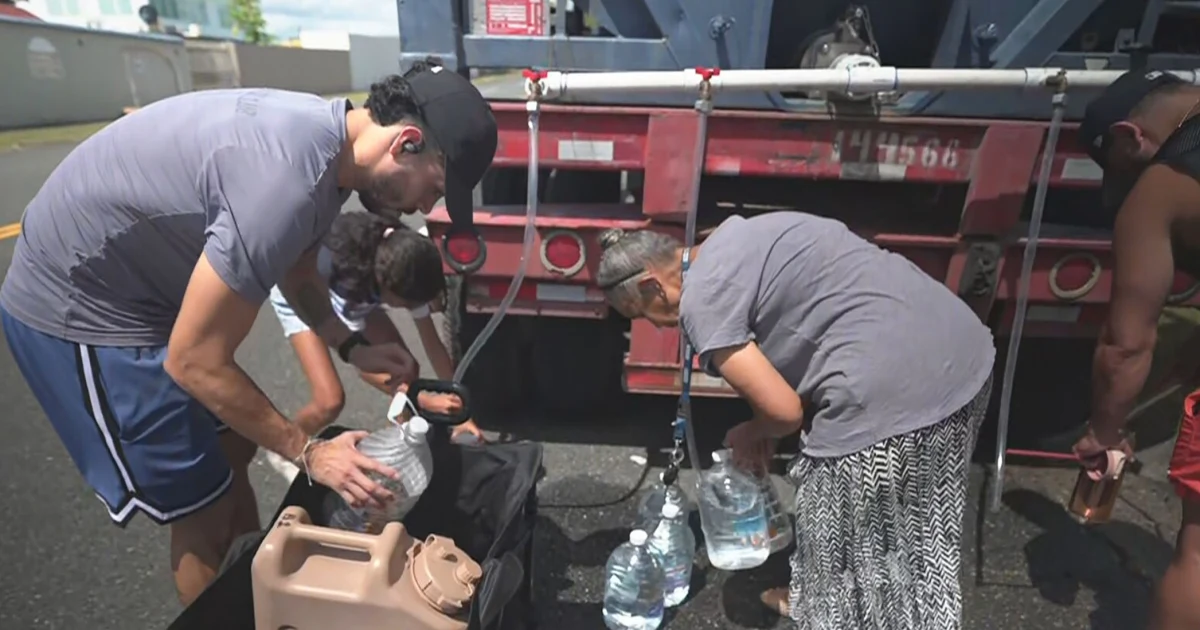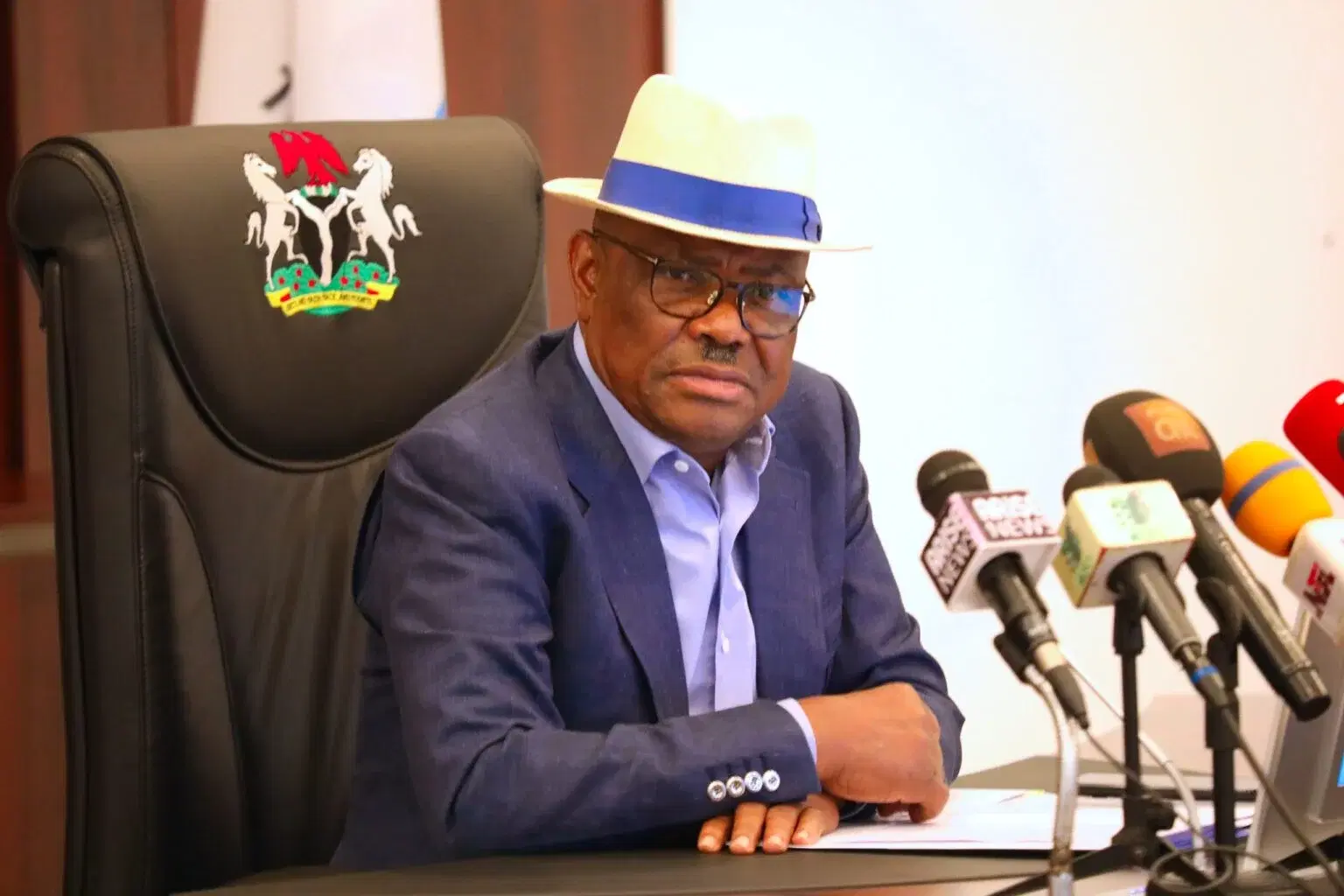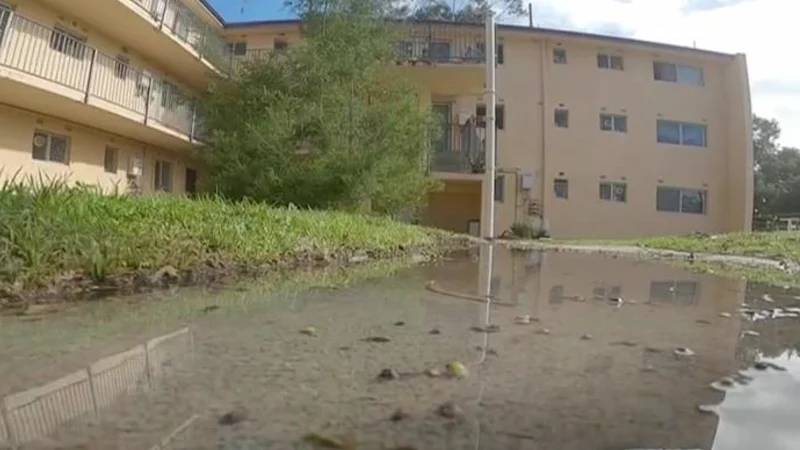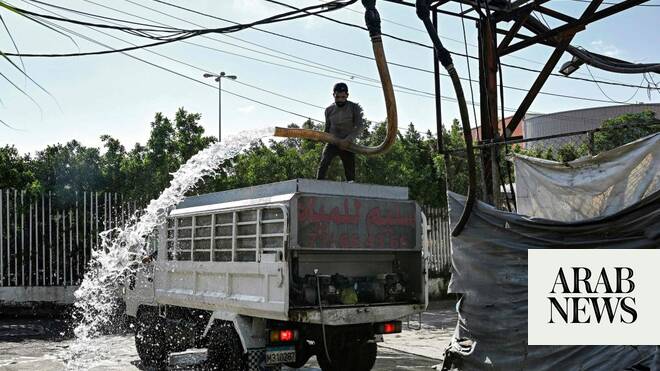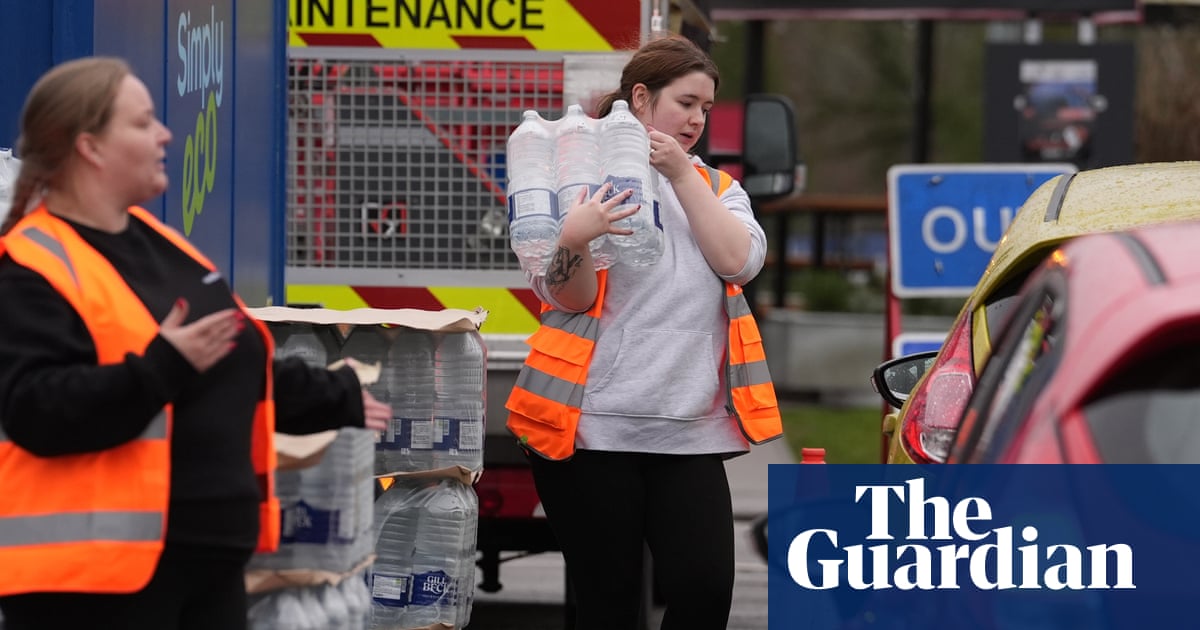
Residents in several parts of Arima have been without water for more than two weeks, and Opposition Leader Pennelope Beckles has accused the Government of letting people endure shortages.Beckles, the Member of Parliament for Arima, said in a Facebook post yesterday, “For the past couple of weeks, the people of Arima have been left without water in several communities. I find it particularly disturbing that the people of Valencia West have been without water for almost three weeks.”She said residents had shared concerns with her, suggesting that “the lack of water may be the result of political victimisation”.She noted that in Pinto Road, Calvary, Santa Rosa and Arima Proper, “residents who received a regular water supply before the April 28 general election are now facing severe water shortages. Even when water does return, the pressure is extremely low”.She claimed that in a system where water distribution depends on manual operations, “residents are concerned that ‘turnkey’ workers have indicated they are acting on instructions from senior officials. These reports raise serious concerns about possible political victimisation”.Questioning whether the shortages reflected a wider national water crisis, Beckles also criticised the Government’s handling of the country’s water supply.“Why are the people of Arima now facing challenges they did not experience before? I am tired of this Government parroting the failures of the past. It was allocated $315 million to improve the nation’s water supply. Where are the results?” she asked.“Massive works were undertaken at the Guanapo Water Treatment Plant, yet there has been no noticeable improvement in the water supply to Arima and East Trinidad.”Mayor of Arima Balliram Maharaj told the Express yesterday that water shortages have plagued the borough for years, and renewed his call for the construction of water retention ponds to improve supply.“Arima name is really meaning water; I think over the years we have been the worst for water in Trinidad and Tobago,” he said, adding that the police and other offices regularly contacted him about water issues.“Since I became mayor, I have been begging...to give me at least five locations. A simple thing like that, water retention ponds, emergency retention ponds,” he explained.He believes the project is financially affordable and could cost less than $3 million or $4 million.The mayor said he was seriously considering constructing a water retention pond himself, “hoping the Government will take it from me”.He recalled that there were several fires in Arima with no water to extinguish them.According to Maharaj, information from State water provider the Water and Sewerage Authority (WASA) indicates that it plans to build 32 ponds in Arima.While acknowledging that climate change and a drier-than-normal wet season may have worsened the situation, Maharaj said it was “a very sad thing” to be living in an area whose name meant water and yet residents had no water supply.WASA responds In response to questions from the Express yesterday, WASA pointed to below-average rainfall through the recent dry season.It said the North East Distribution System was supplied almost entirely by surface water sources and was therefore directly affected by rainfall conditions.“Valencia West and sections of Arima are supplied largely from the Hollis system. Following below average rainfall through the recent dry season, raw water availability at source declined significantly, and production was reduced from approximately 8.5 IMGD to 4.5 IMGD to sustain supply over a longer period. This required adjustments to distribution schedules across the affected areas,” WASA explained.According to the authority, Pinto Road, Santa Rosa and Calvary are supplied by the Guanapo and Aripo water treatment plants, which experienced interruptions on approximately ten non-consecutive days in July due to heavy rainfall affecting raw water quality and intake screens.“Both plants have been restored and these areas are being supplied in line with established schedules. The Authority continues to monitor conditions and adjust schedules as raw water availability improves,” WASA said.
Residents facing weeks of dry taps
Residents in several parts of Arima have been without water for more than two weeks, and Opposition Leader Pennelope Beckles has accused the Government of letting people endure shortages.
637 words~3 min read