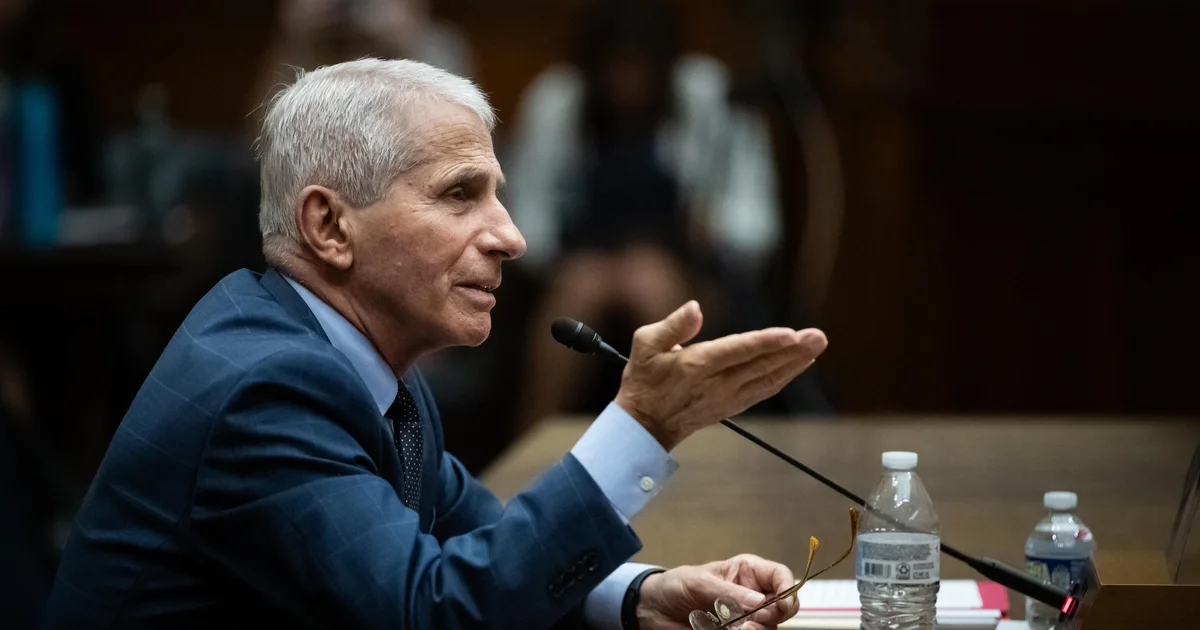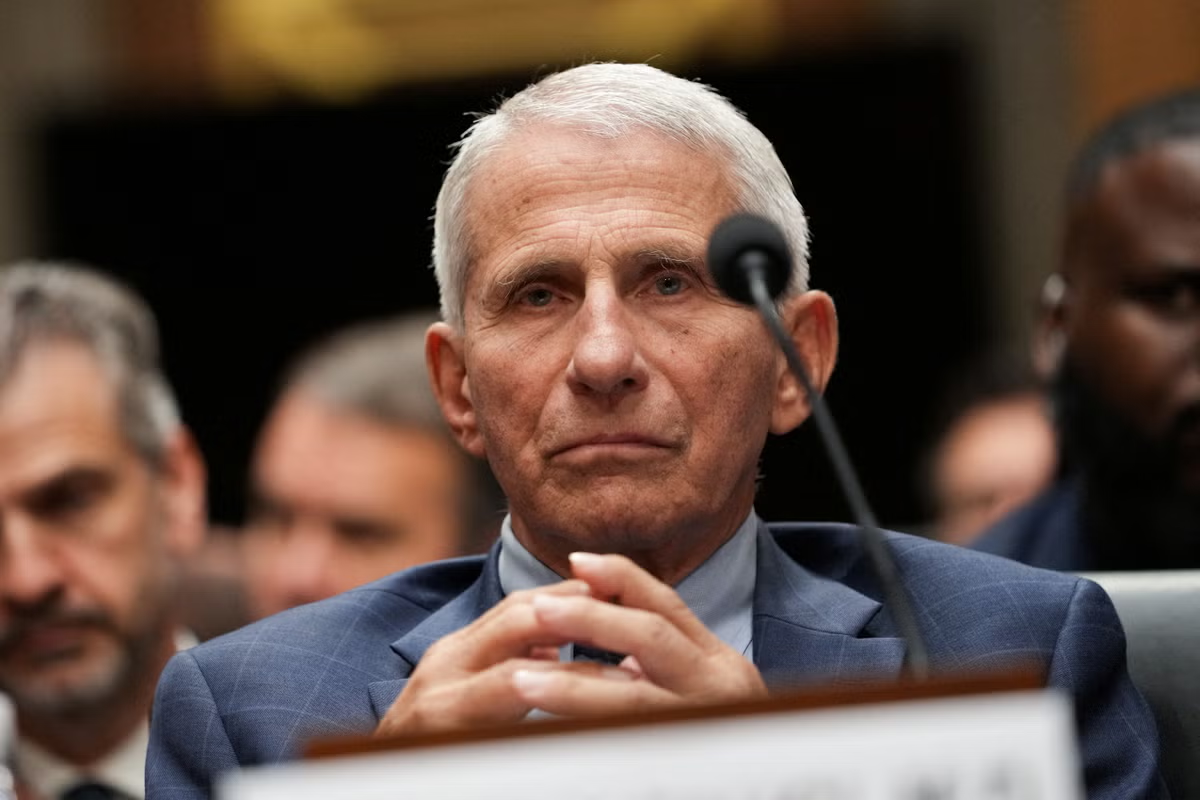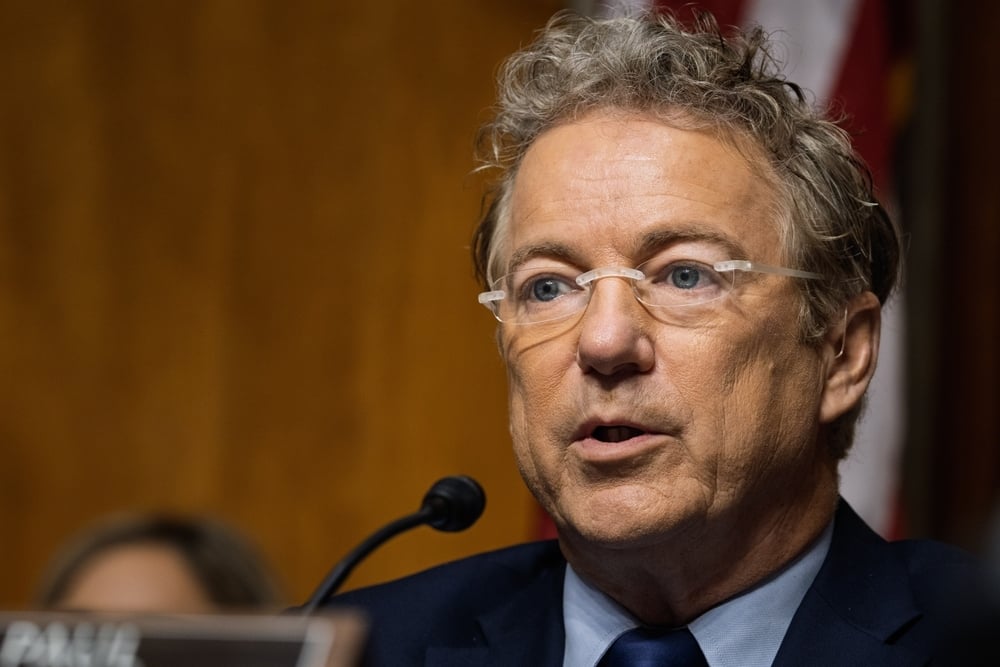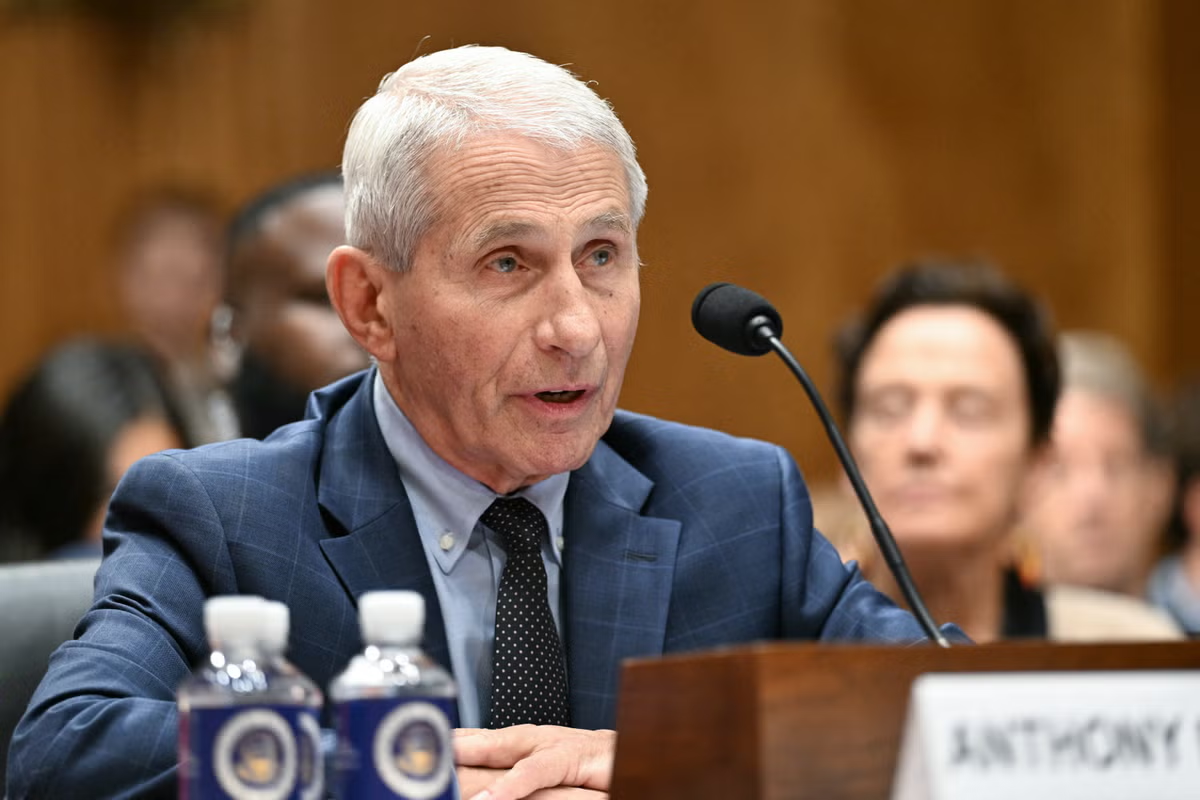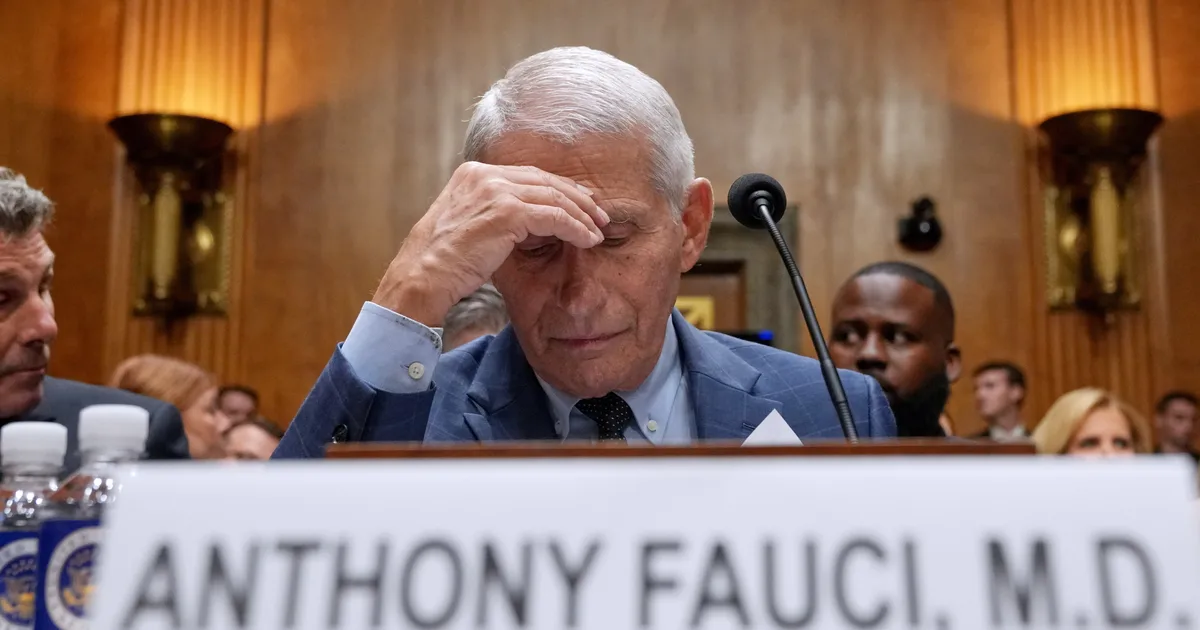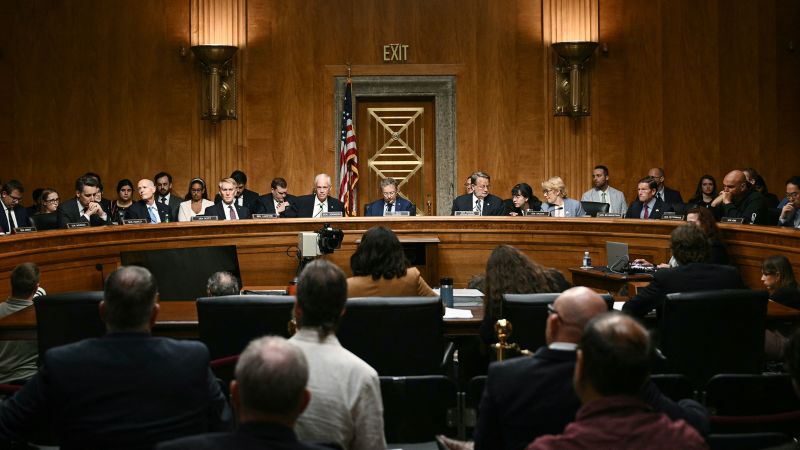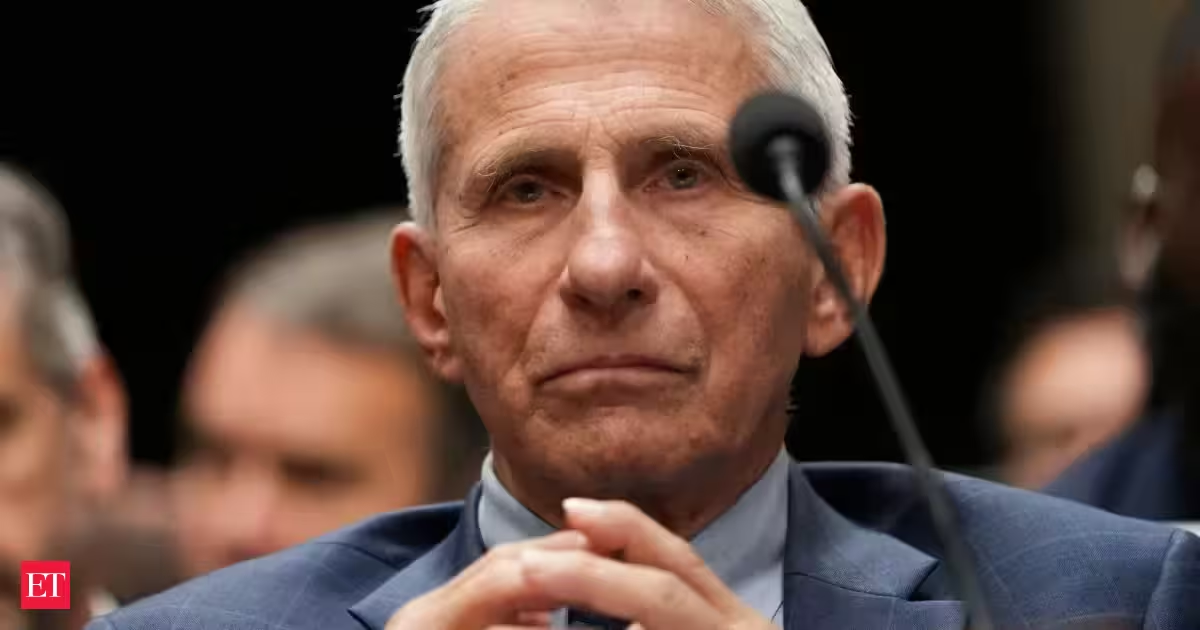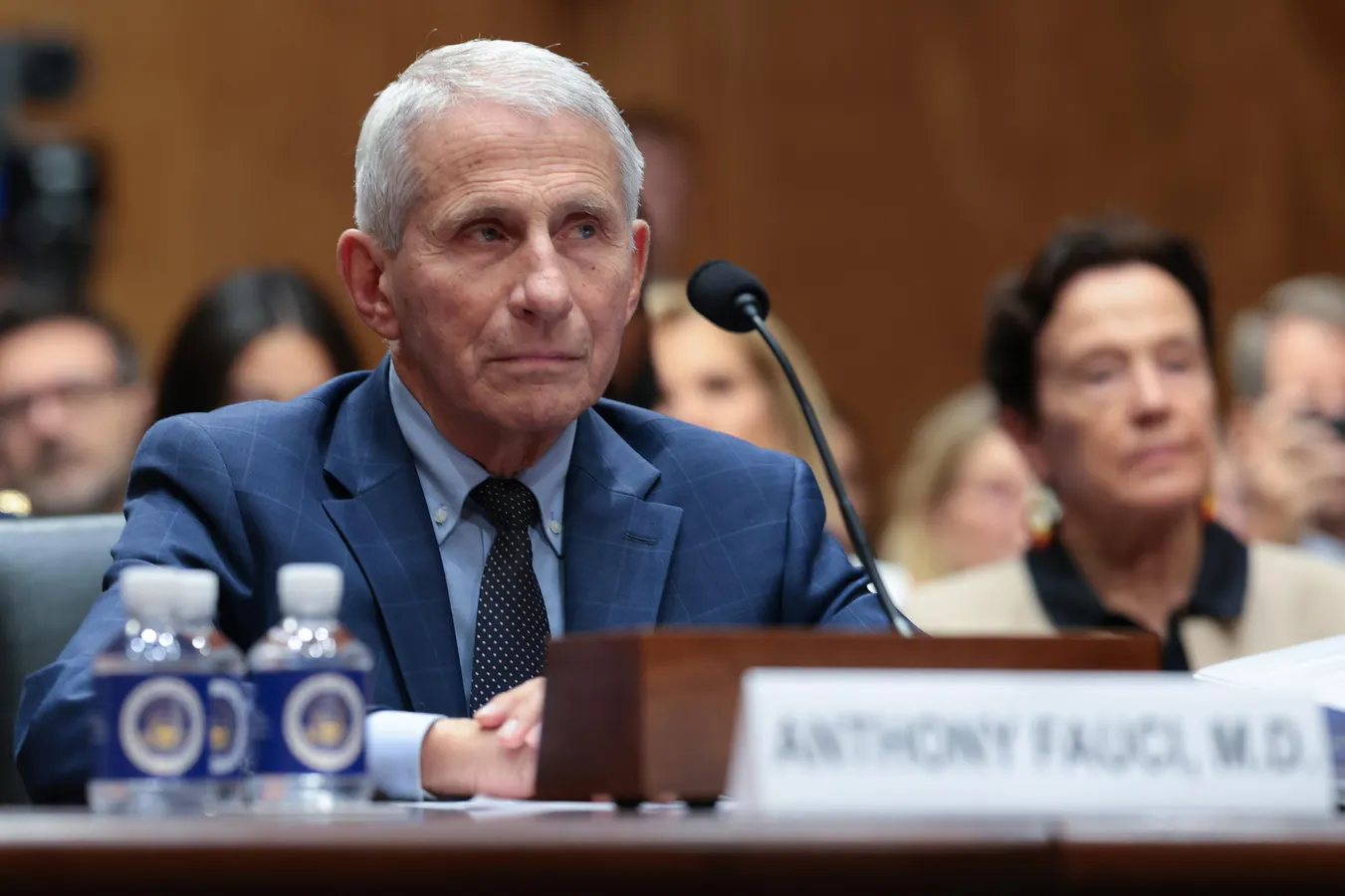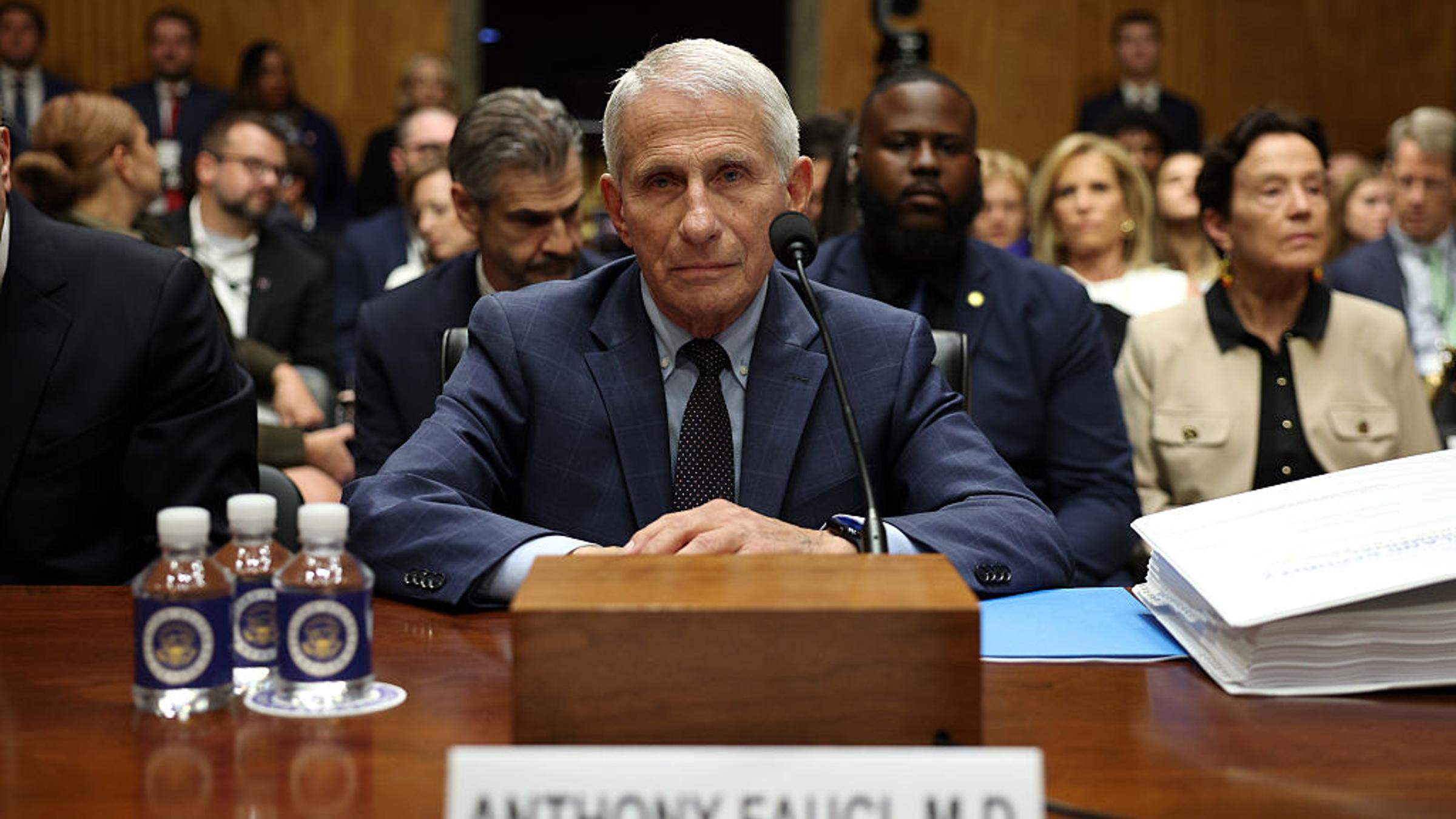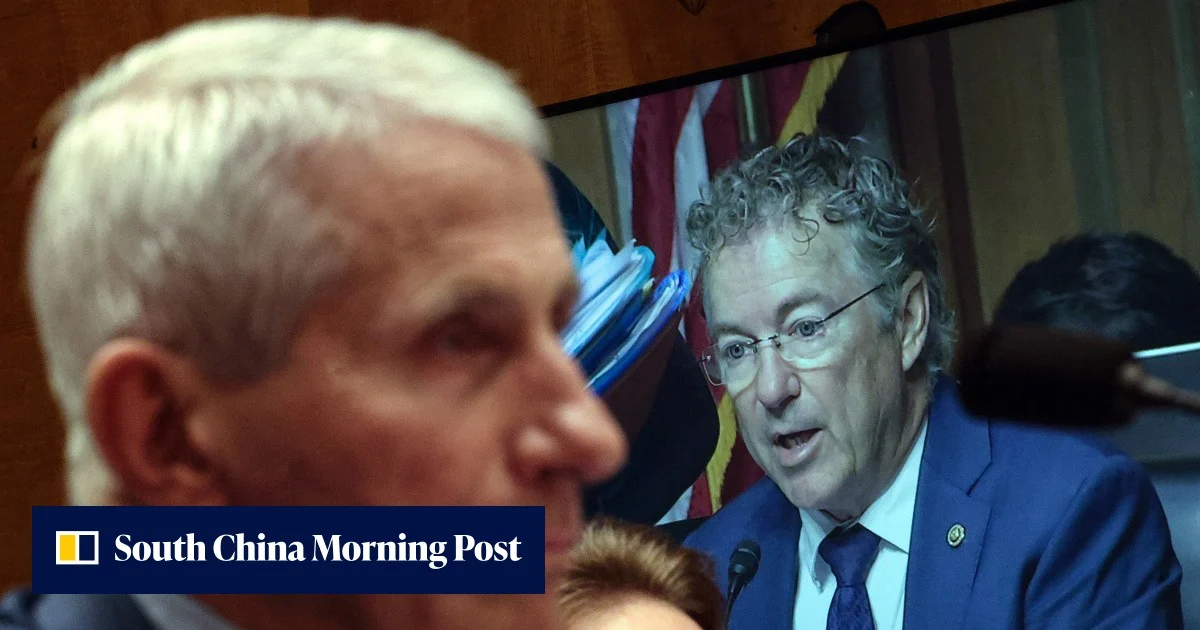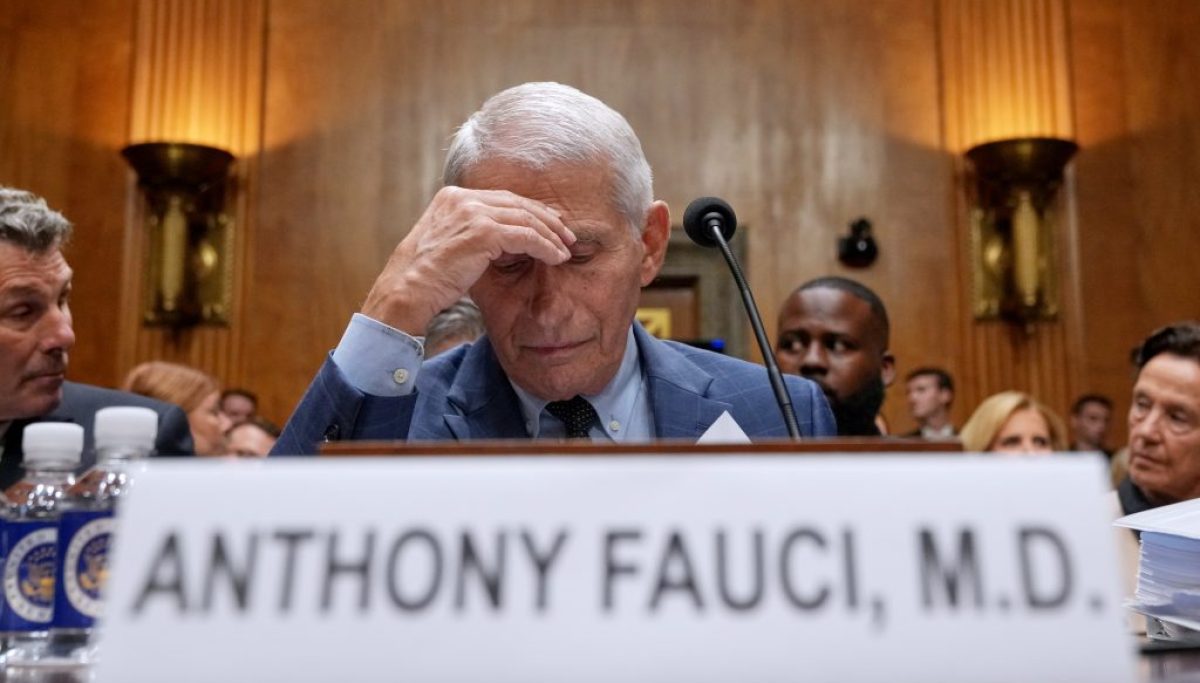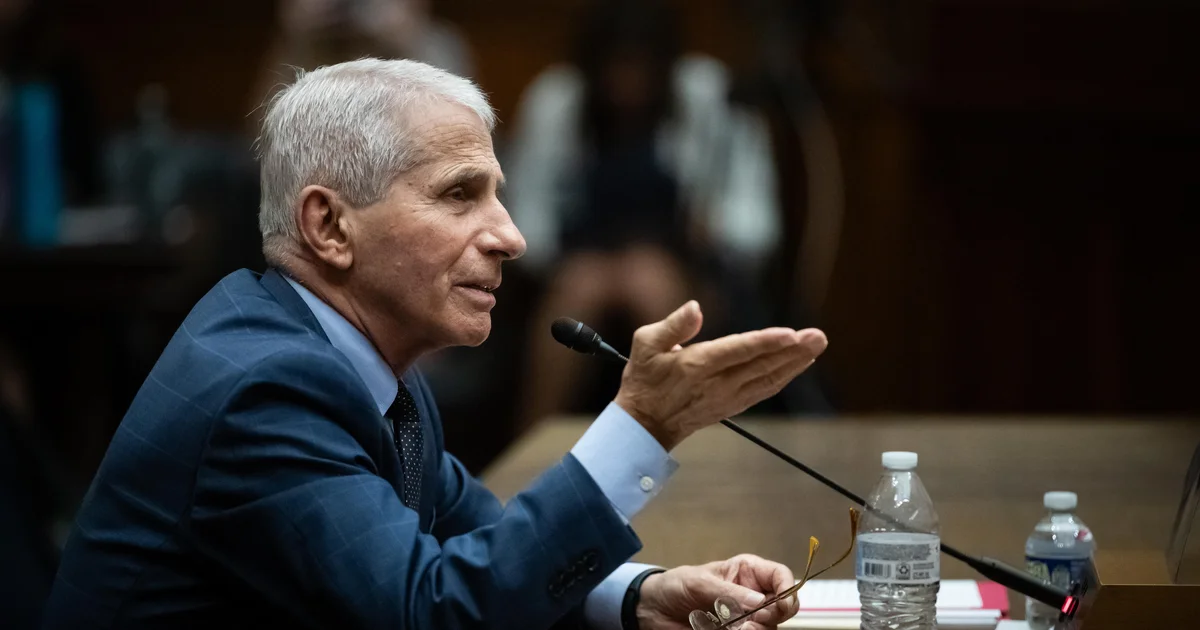
Thursday's vote by a Senate panel on whether to recommend holding Dr. Anthony Fauci in contempt of Congress builds on more than five years of tension between the federal government's former top infectious disease expert and Republican Sen. Rand Paul of Kentucky — much of it hinging on the origins of the coronavirus and a controversial branch of biological research.In Senate hearings, Paul has repeatedly accused Fauci of downplaying the theory that the virus emerged from a lab in the Chinese city of Wuhan rather than jumping from animals to humans naturally. The senator has also argued risky "gain-of-function" experiments that aim to modify viruses took place at that lab with support from Fauci's National Institute of Allergy and Infectious Diseases, and has accused Fauci of lying about it.Fauci has strongly denied the senator's allegations, saying he has always kept an open mind about the virus' origins. He has also accused Paul of misrepresenting the types of federally supported research that took place in Wuhan, and has emphasized that the viruses studied there were far removed from the one that caused the COVID-19 pandemic.Then, in an appearance before the Senate Homeland Security Committee last week, Fauci invoked the Fifth Amendment in response to every question, citing Paul's "unhinged obsession with me" and desire to put him "behind bars." Paul has sought to hold Fauci in contempt, arguing he can't take the Fifth because he is already insulated from prosecution by a Biden-era pardon. Whether to charge Fauci would be up to the Justice Department.Here's what to know about the controversy:What is the "lab leak" theory?The precise origins of the virus that caused the COVID-19 pandemic have not been definitively nailed down — drawing years of debate among medical experts and intelligence officials.Many scientists believe the evidence suggests that the virus emerged naturally in bats, circulated to other species and spilled over to humans, spreading at a live animal market in Wuhan where the first human cases appeared in late 2019. Others believe the virus accidentally leaked from the nearby Wuhan Institute of Virology, which was researching bat viruses. That lab conducted some research that was funded by nearly $600,000 in U.S. government money due to a federal grant issued to a nonprofit research group.
What Fauci has said about COVID origins and gain-of-function research in his spat with Rand Paul
Thursday's vote on whether to hold Dr. Anthony Fauci in contempt of Congress follows years of tension with GOP Sen. Rand Paul, hinging on the origins of the coronavirus and a controversial type of research.
1,669 words~8 min read