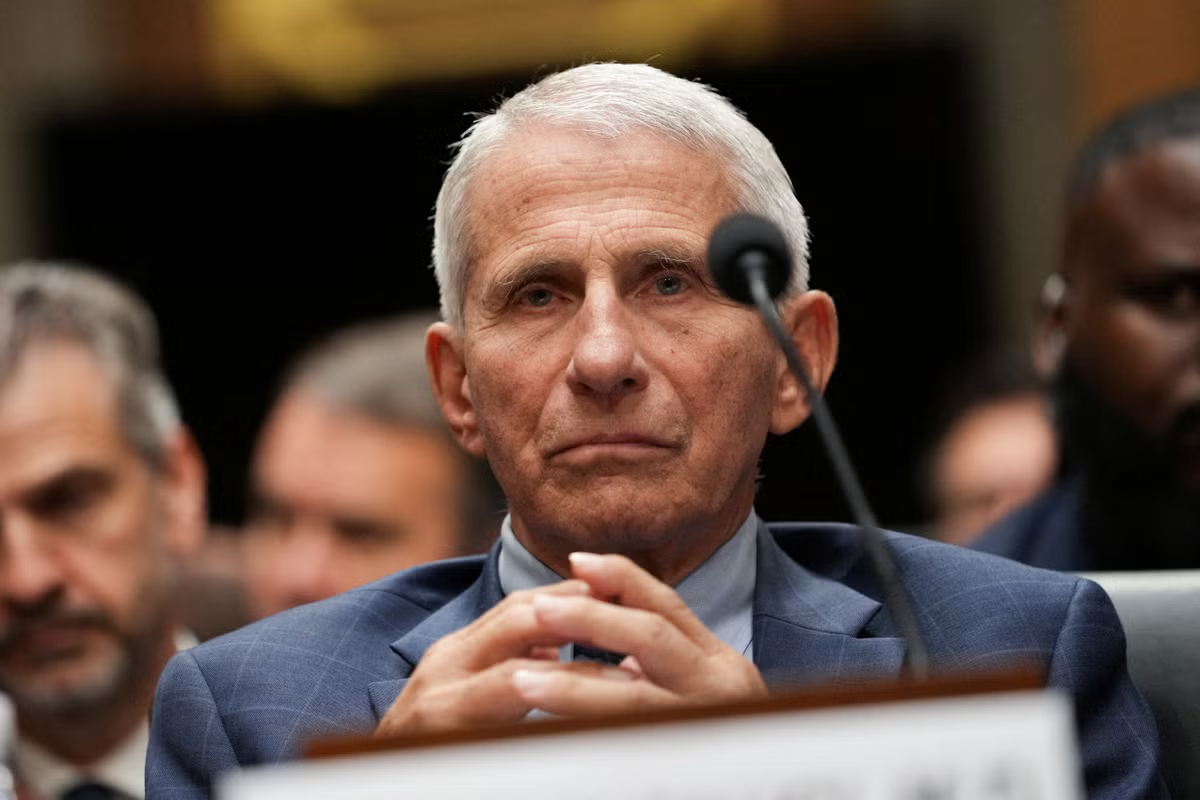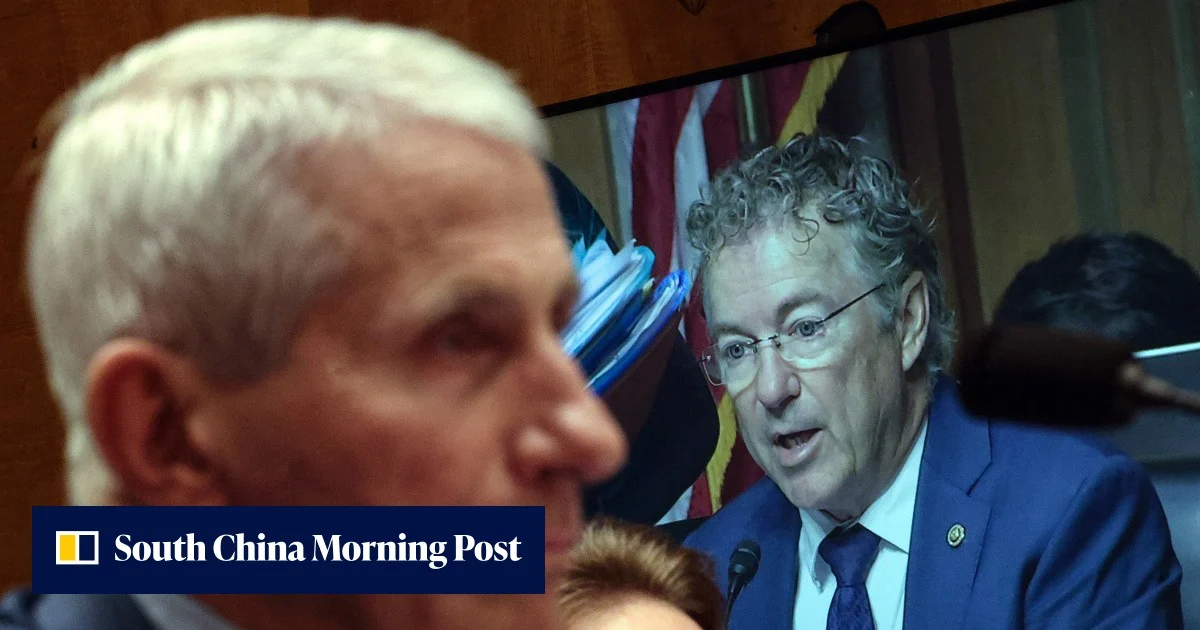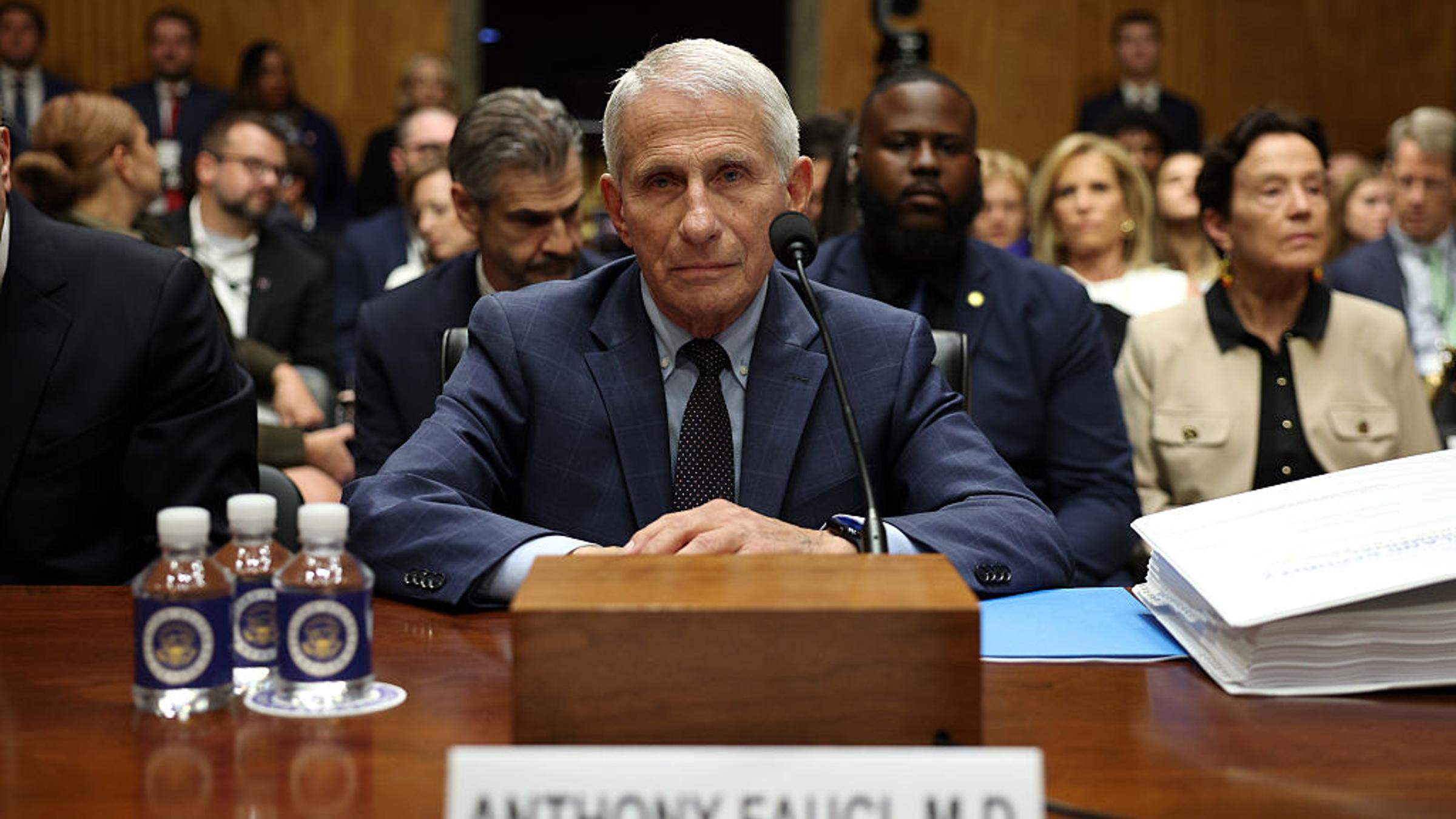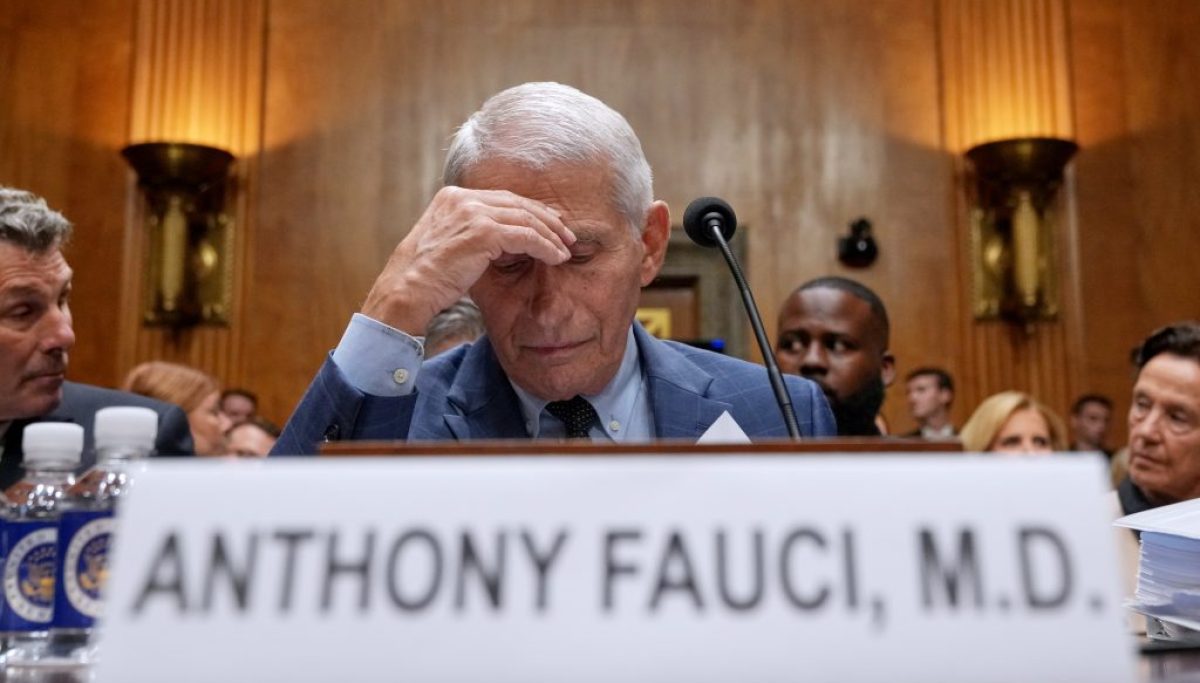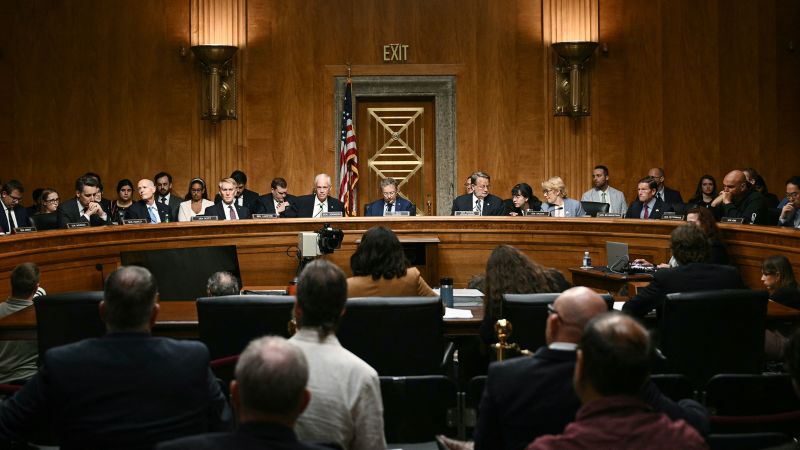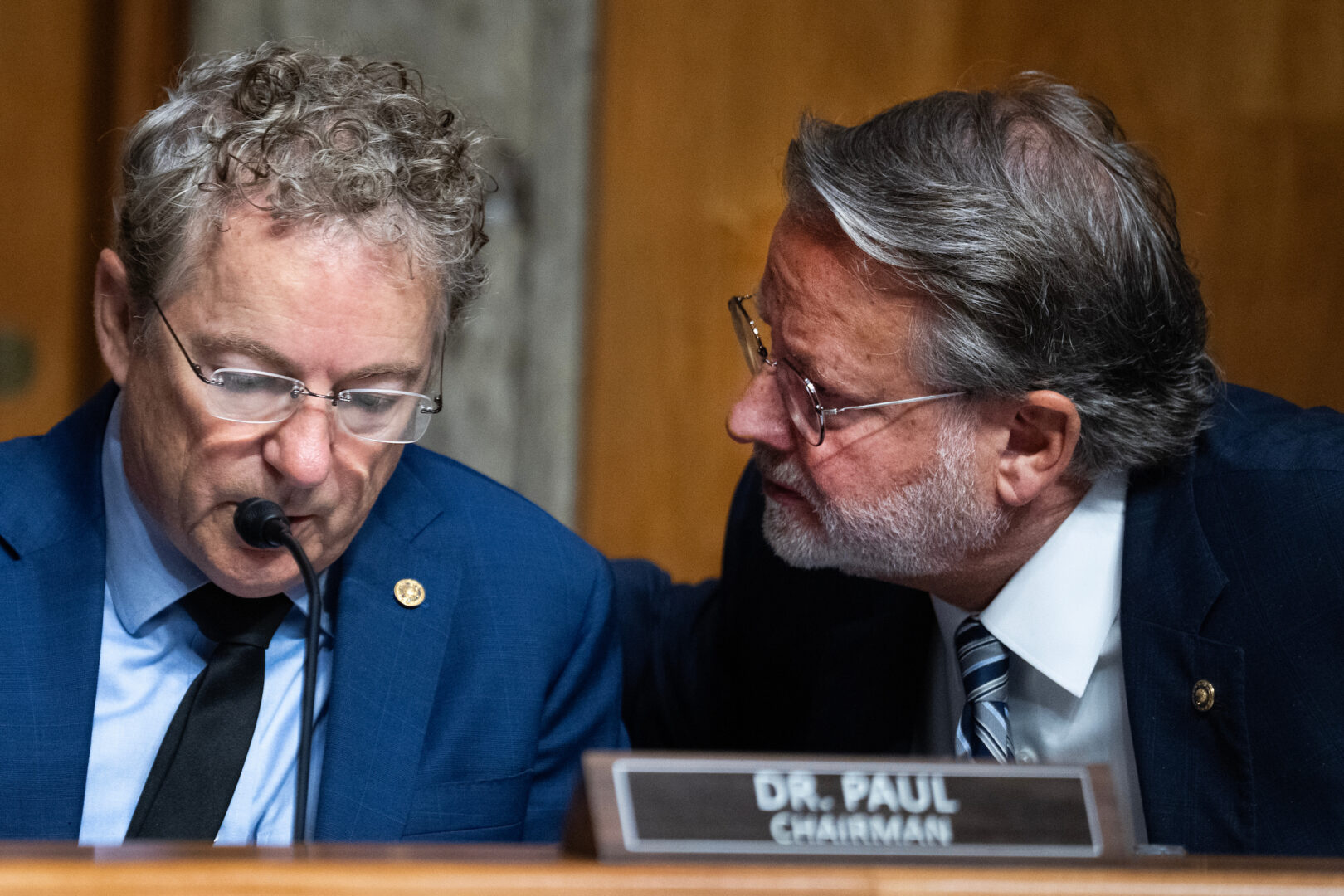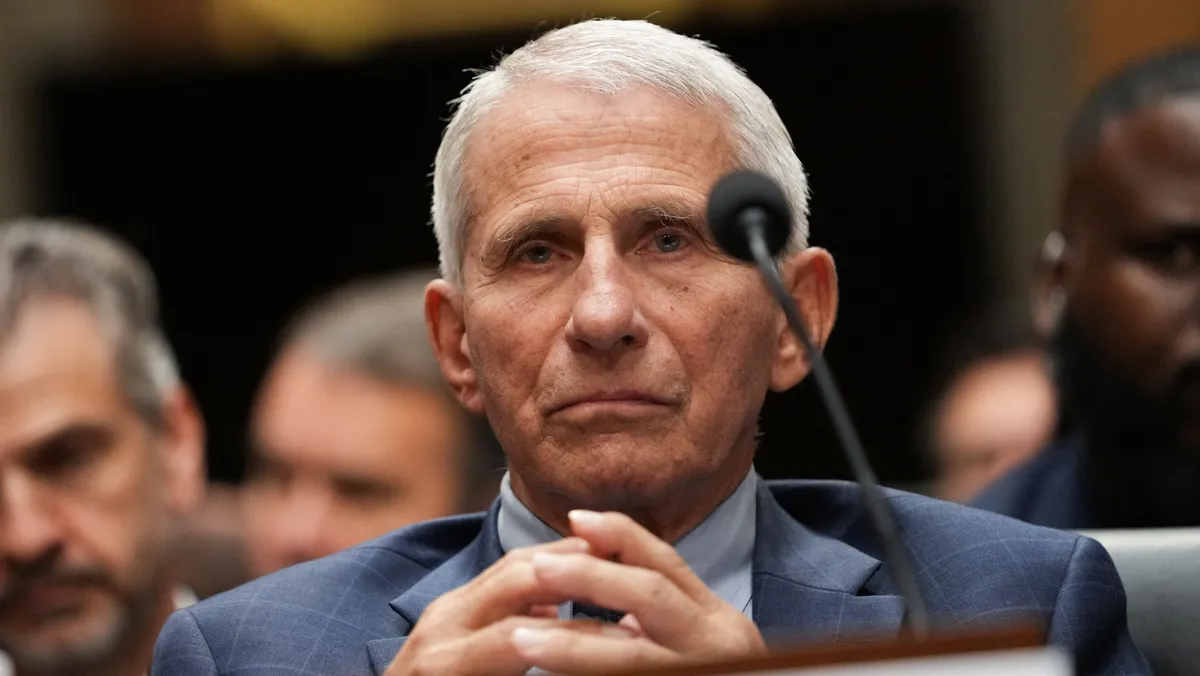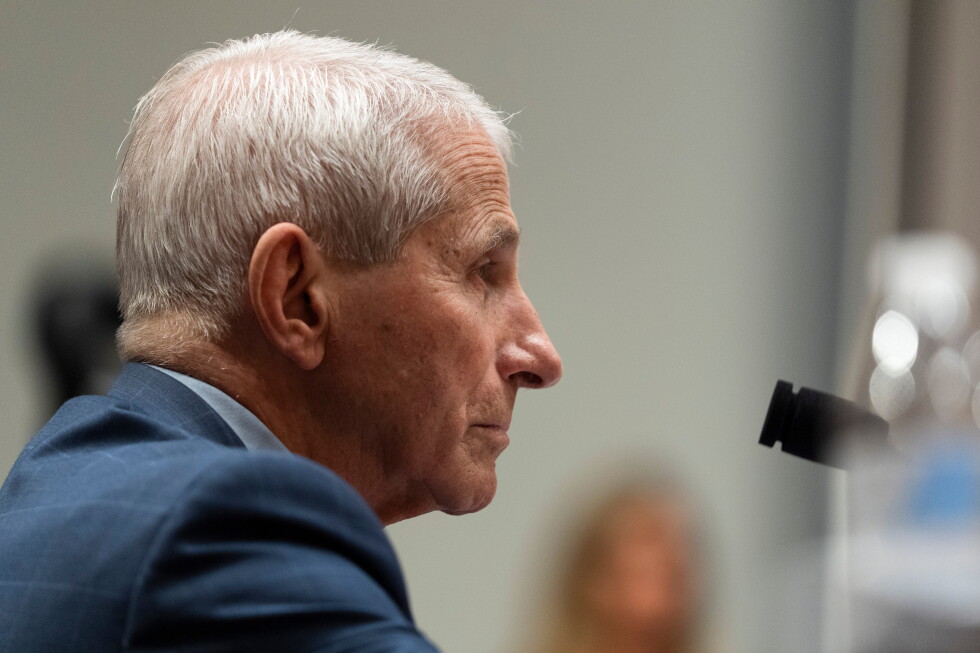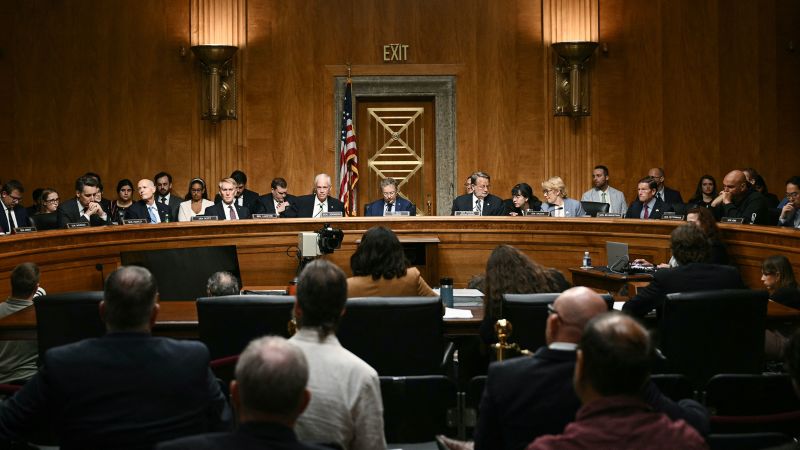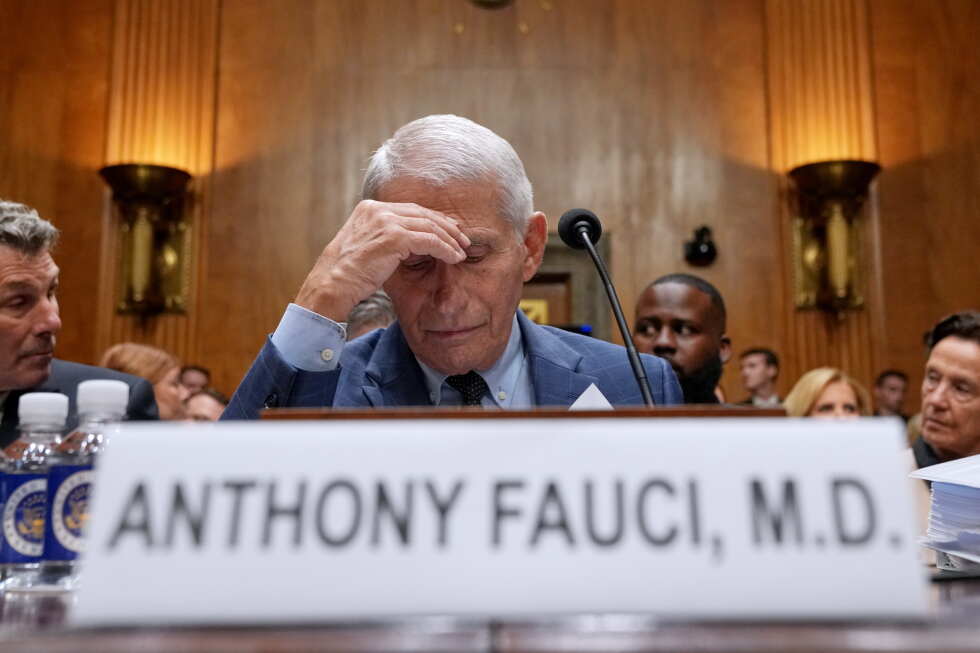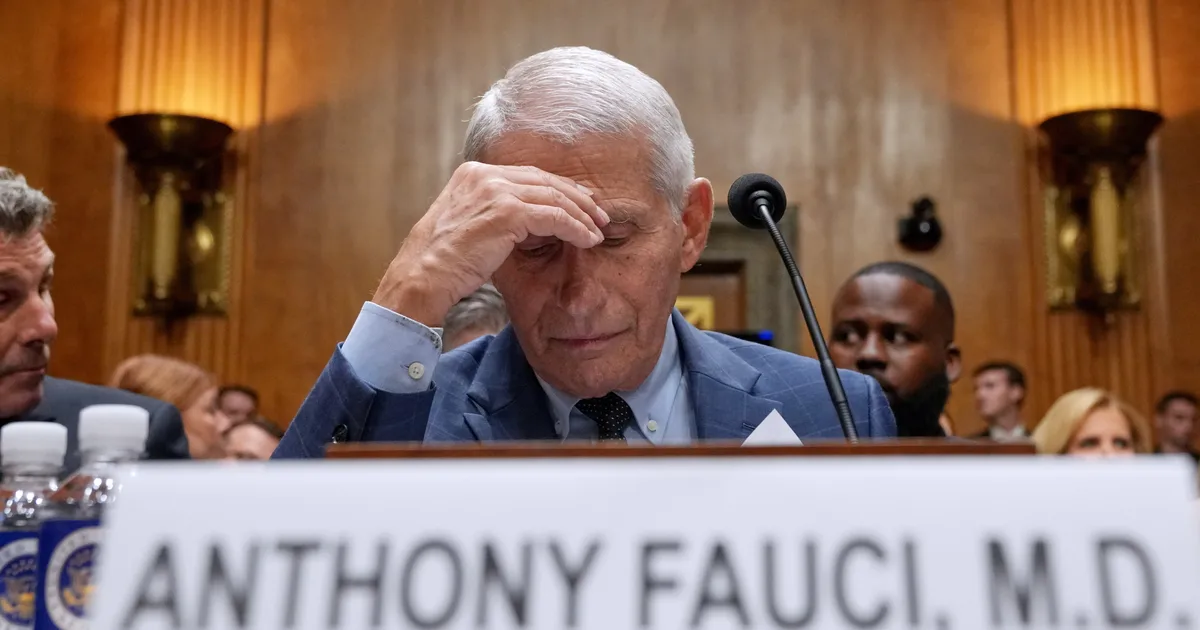
A Senate committee will vote this week on whether to hold Dr. Anthony Fauci in contempt of Congress for refusing to answer questions during a contentious hearing last week about his handling of the COVID-19 pandemic.The Republican-led Senate Homeland Security and Governmental Affairs Committee has scheduled a vote for Thursday morning on punitive action against the nation’s former chief medical advisor, it said in a statement Monday.Sen. Rand Paul (R-Ky.), who heads the committee and has long demanded that Fauci be jailed over his leadership during the global health crisis, said Fauci’s decision to invoke the Fifth Amendment “did not apply” to him because of a pardon he received early last year from former President Joe Biden.Dr. Anthony Fauci appears before the Senate Homeland Security and Governmental Affairs Committee in Washington on Wednesday, July 29.via Associated Press“During the hearing, I ruled that the Fifth Amendment did not apply because of the pardon, and that Fauci had waived any remaining privilege by giving opening testimony,” Paul said in a statement. “I ordered him to answer and warned him about contempt, yet he still refused. That is obstruction of a congressional investigation. The Committee will act accordingly.”In invoking the Fifth Amendment, Fauci specifically cited Paul’s outspoken vendetta against him, saying Paul has an “obvious obsession with calling for my prosecution.”Fauci said in an opening statement, “The only conclusion I can reach is that the sole reason he is calling me before this committee is to get me to say something, anything, that could vindicate his repeated public pledges that I end up, in his words, ‘behind bars.’” Biden’s pardon protected him from prosecution for any offenses “arising from or in any matter related to” his work for the government from 2014 to Jan. 19, 2025.Immediately following Wednesday’s hearing, Paul told reporters that he didn’t know for a fact whether Fauci’s pardon actually shields him and that “that’ll be a legal question.”He said, “I think the courts will have to figure out whether or not ... can you incriminate yourself if you have a pardon?”
Senate Committee Schedules Vote On Holding Anthony Fauci In Contempt Of Congress
The former chief medical officer declined questions under subpoena, saying Sen. Rand Paul has an “obvious obsession with calling for my prosecution.”
342 words~2 min read