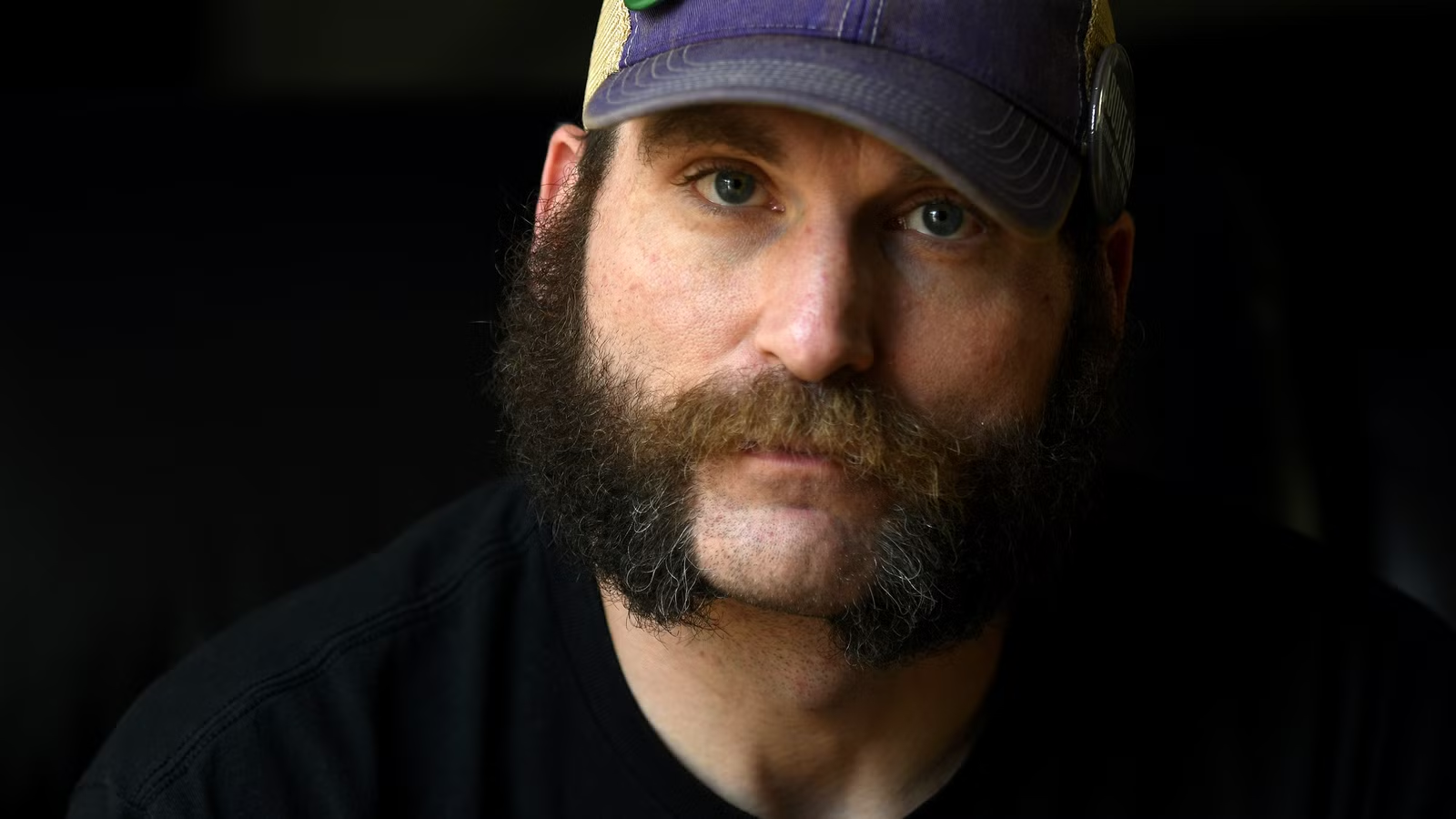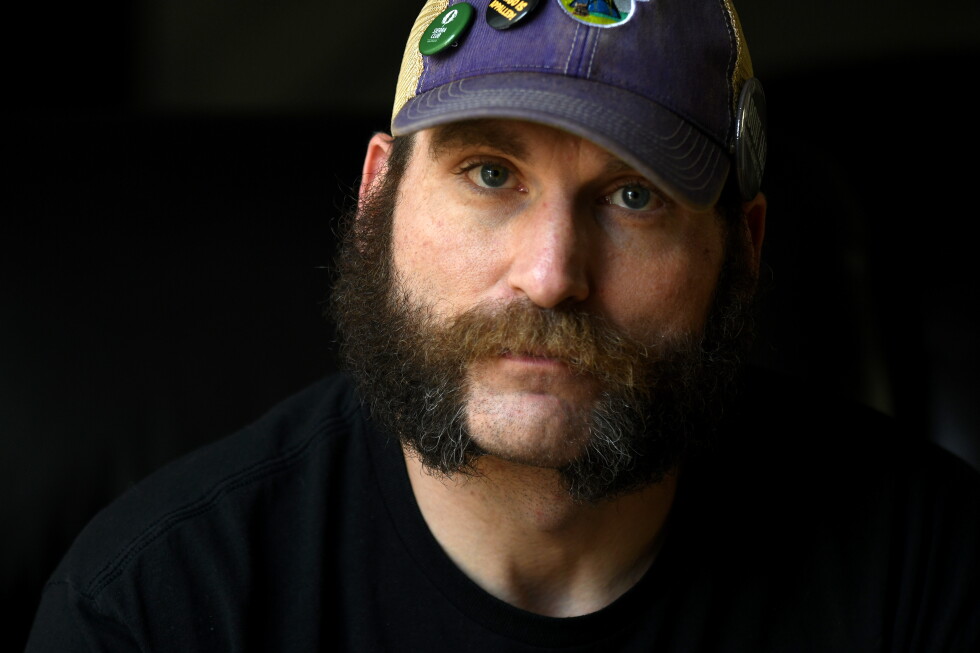
WASHINGTON (AP) — When Joe Shearer was a Marine fighting in Iraq, a blast from an enemy mortar round knocked him down and made him vomit. He got up and kept going despite a searing headache. When a roadside bomb struck his Humvee convoy months later, the explosion’s shock wave swept through his body before headaches and sleeplessness set in for days. “As long as you got back up and could go back on patrol, that’s kind of what you did,” he said.Shearer, 40, of Colorado Springs, Colorado, links both events in 2005 to traumatic brain injuries, which were only recently diagnosed. He’s still plagued with symptoms ranging from dizziness and migraines to forgetting daily tasks and responsibilities to his wife and children.___EDITOR’S NOTE — This story includes discussion of suicide. If you or someone you know needs help, the national suicide and crisis lifeline in the U.S. is available by calling or texting 988. There is also an online chat at 988lifeline.org.
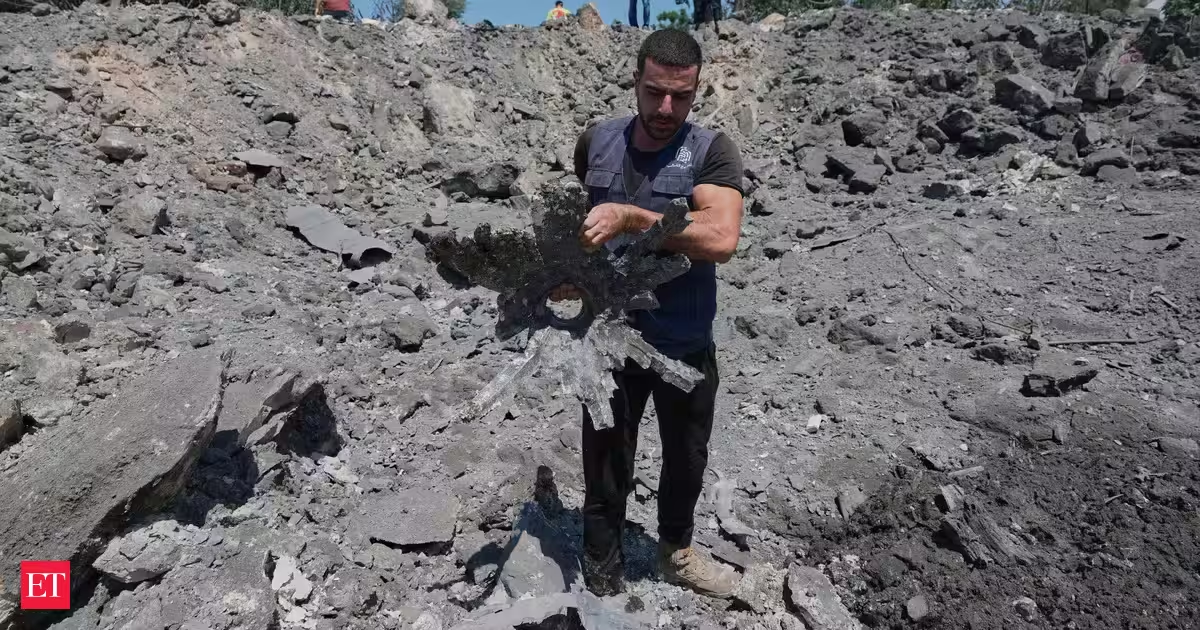
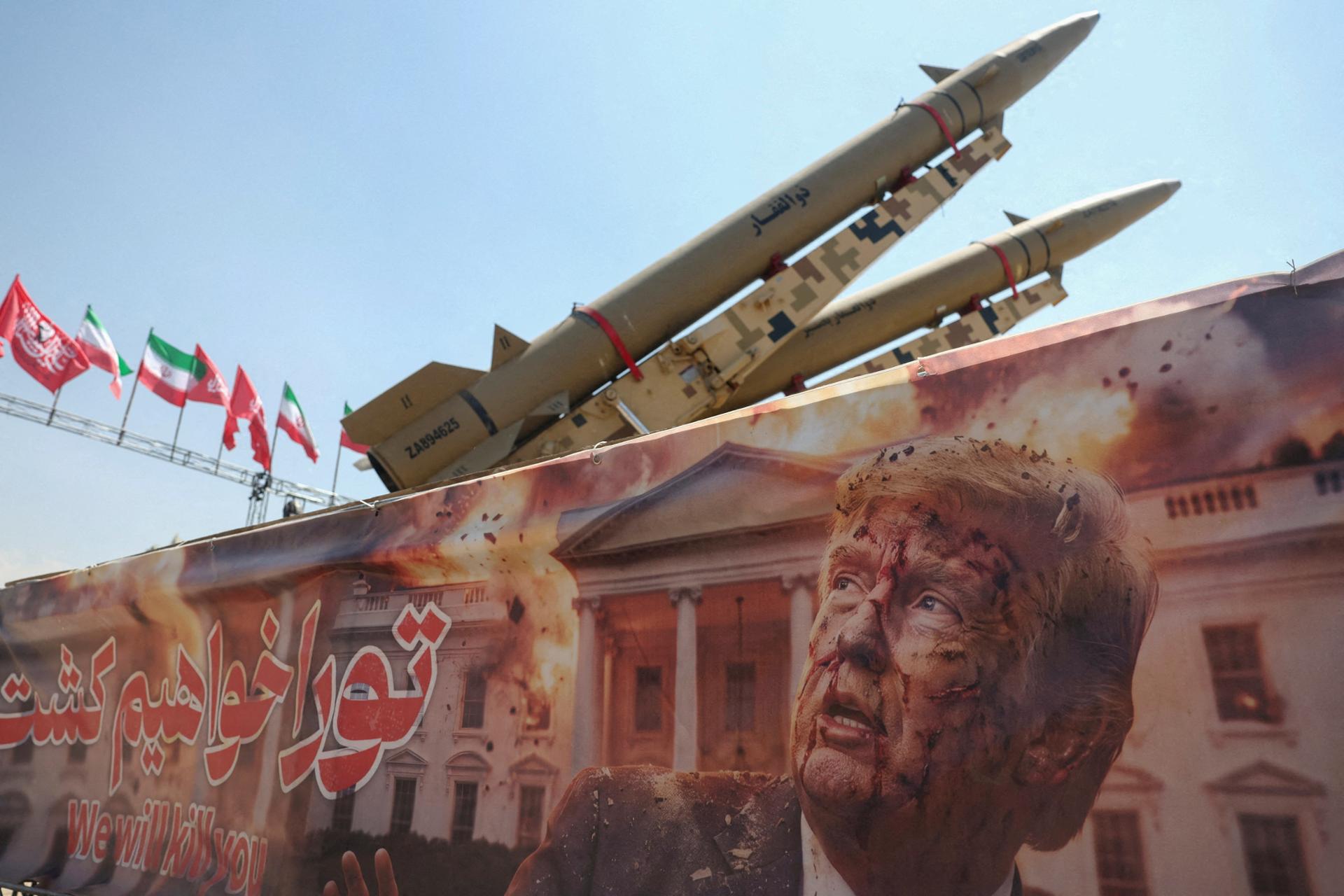
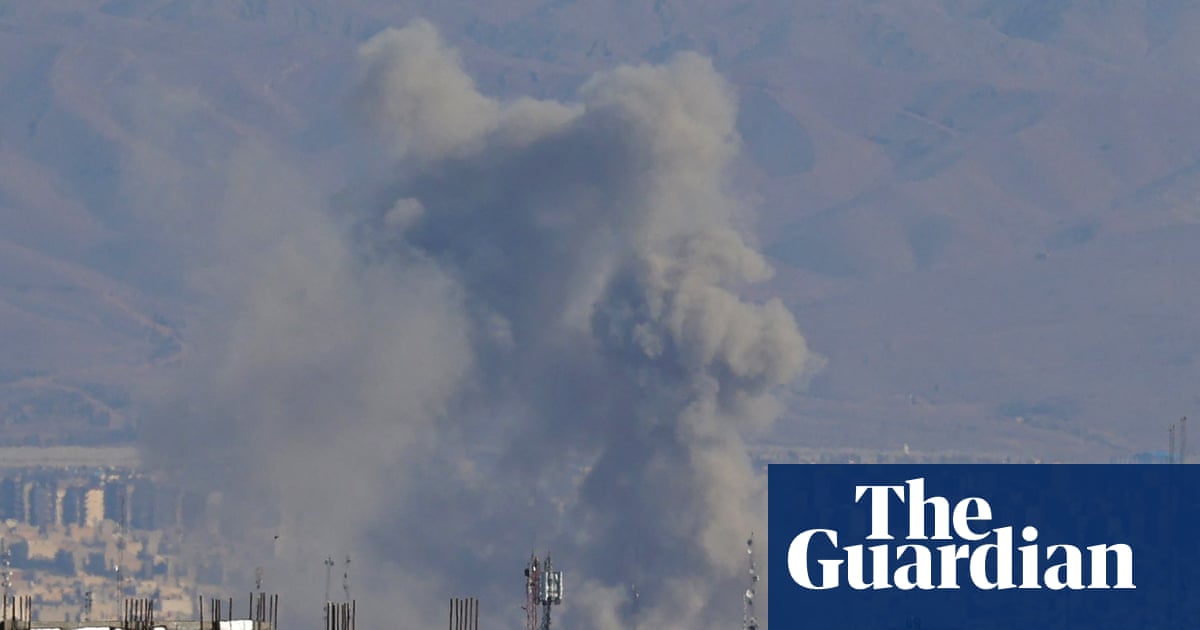
___The lasting effects of traumatic brain injuries are raising fresh concerns about the toll of the Iran war on American troops who are suffering those wounds during a conflict without a clear end. Nearly 700 U.S. service members have been wounded by drone and missile attacks on bases in the Middle East and other fighting. Most have experienced traumatic brain injuries and returned to duty, according to public statements from military officials.The Pentagon’s chief spokesman, Sean Parnell, last month called the vast majority of injuries over a two-week period “minor concussions.”