Analyzing the Infrastructure-Zoning Conflict: Lessons from the Nashville Eminent Domain Case
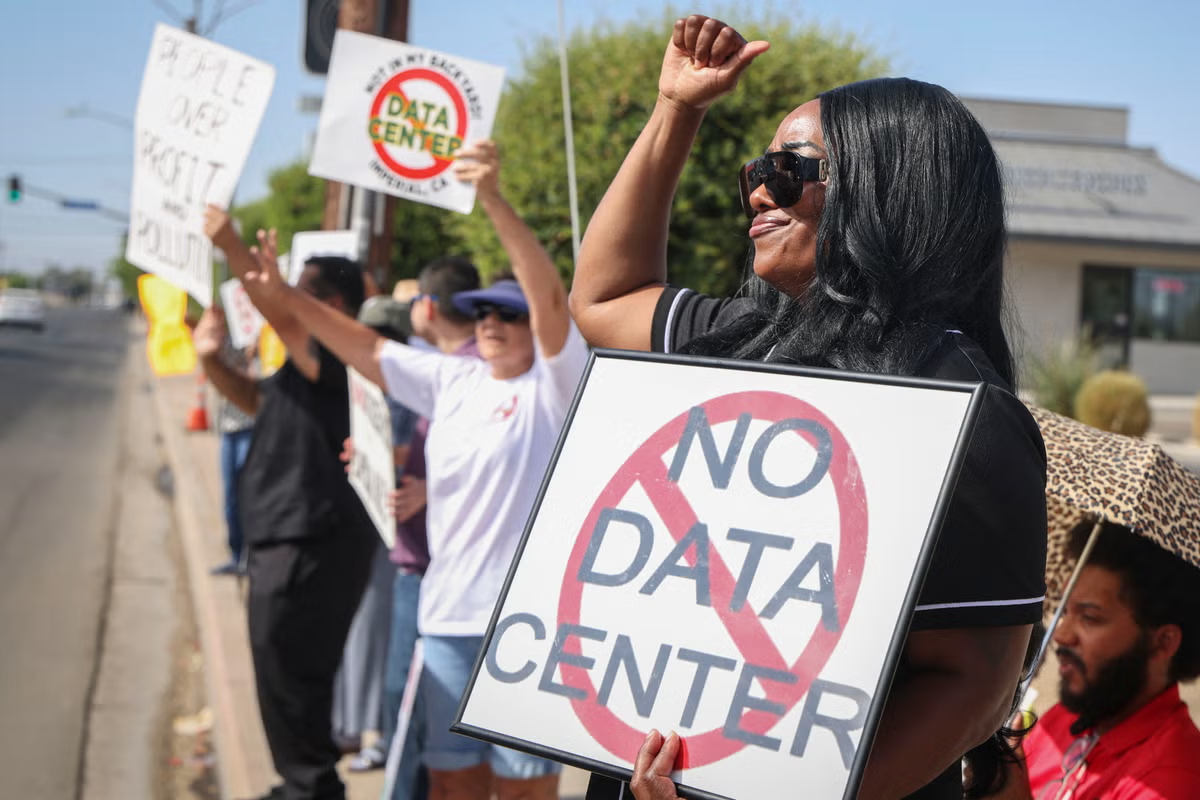
The recent decision by the Nashville Metropolitan Council to utilize eminent domain to acquire land previously slated for a hyperscale data center development serves as a critical case study in the collision between digital infrastructure requirements and urban land-use planning. While eminent domain is traditionally employed for public works such as transit, utilities, or schools, its application to preempt a commercial development based on environmental and community preservation sets a precedent that warrants rigorous technical and legal scrutiny.
The Technical Requirements of Hyperscale Data Centers
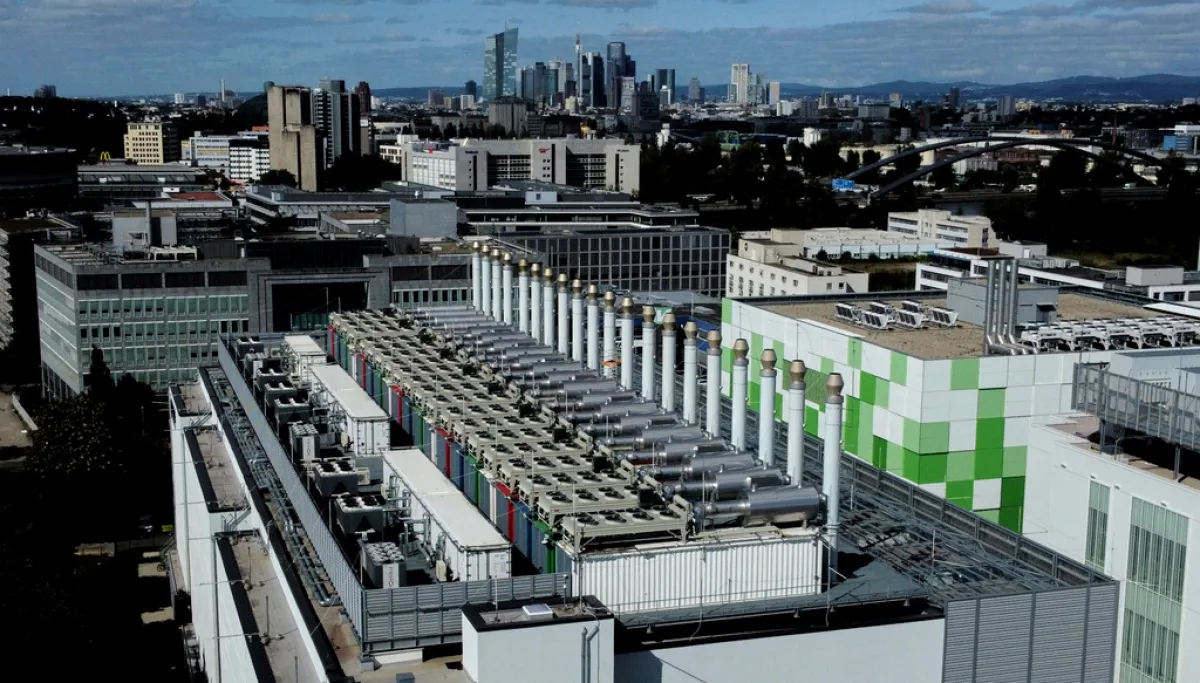
To understand why a municipality would take such drastic measures, one must first quantify the footprint of a modern data center. A hyperscale facility is not merely a building; it is a high-density industrial machine requiring massive utility integration.
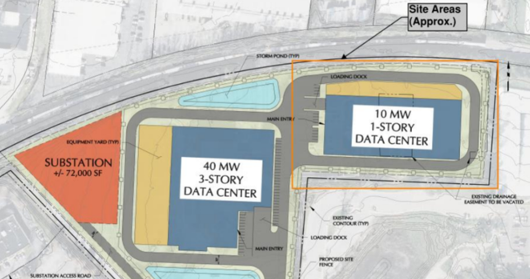
Power Density: A standard hyperscale campus requires between 50MW and 200MW of power. This necessitates redundant sub-station connections and high-voltage transmission lines that often bisect existing zoning districts.