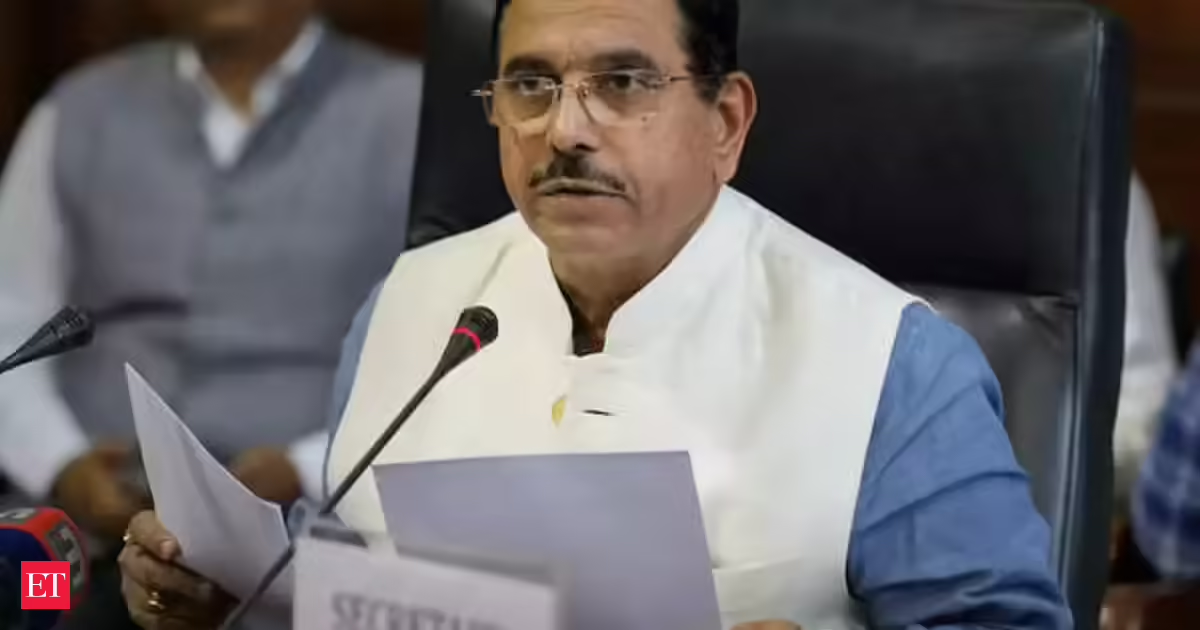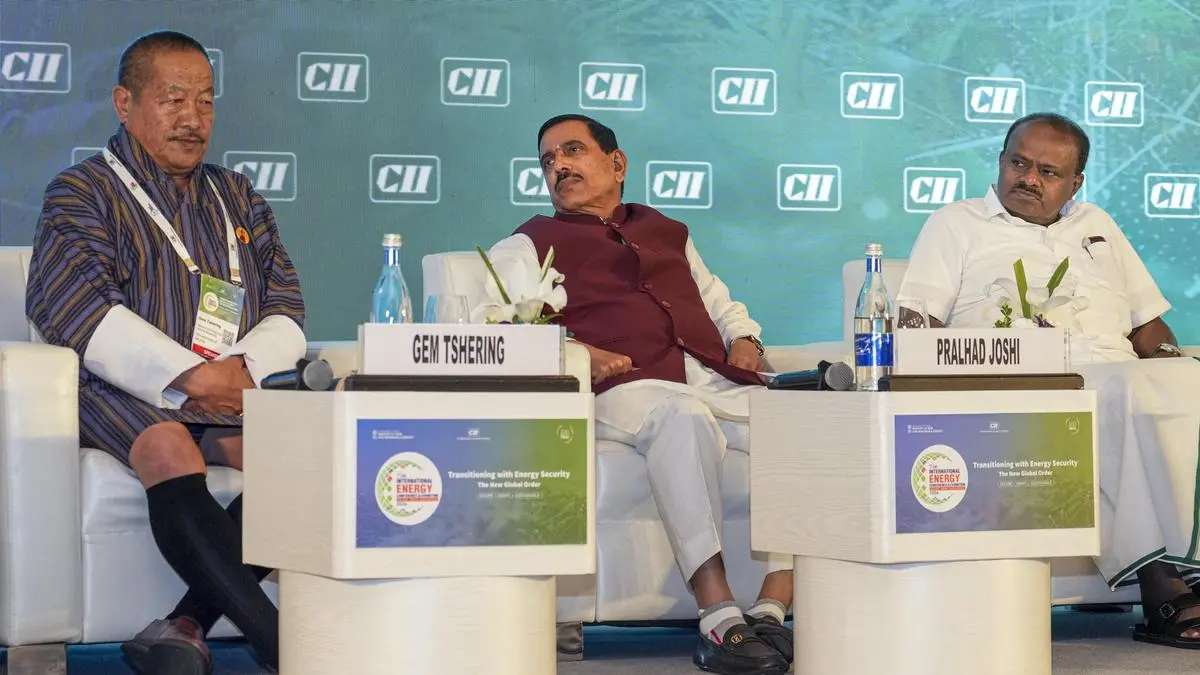
Union New and Renewable Energy Minister Pralhad Joshi, centre, with Union Heavy Industries and Steel Minister HD Kumaraswamy, right, and Bhutan Energy and Natural Resources Minister Lyonpo Gem Tshering, left, during the CII International Energy Conference and Exhibition, in New Delhi, Thursday, Aug. 6, 2026.
| Photo Credit:
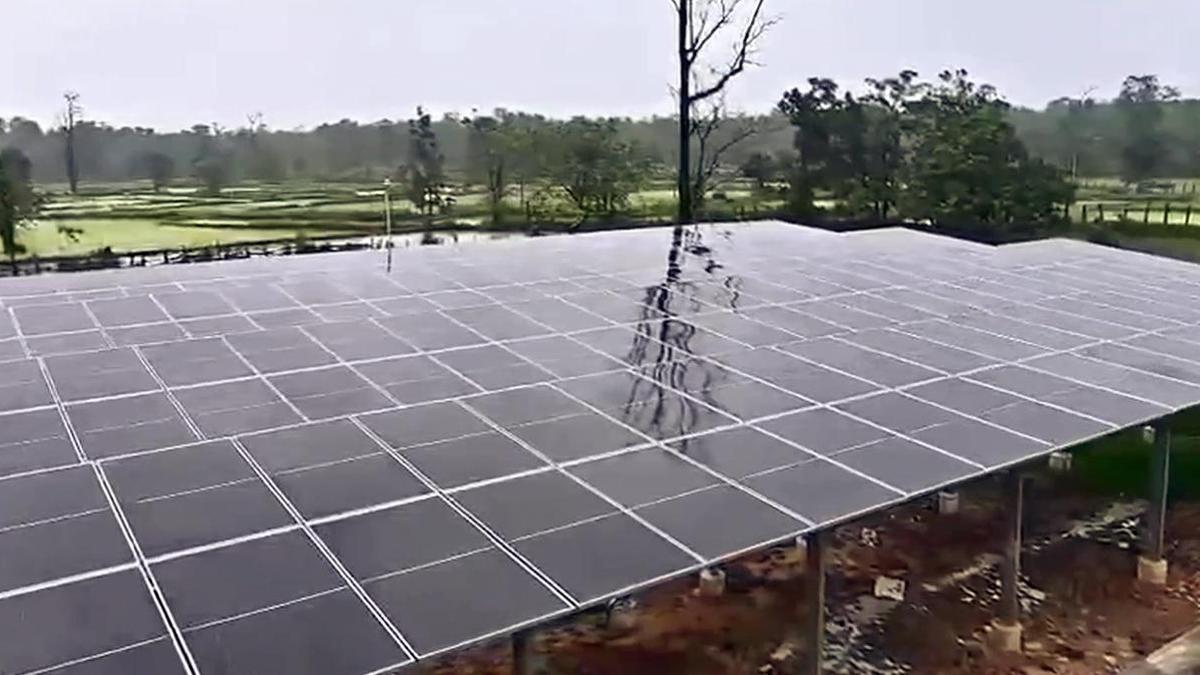
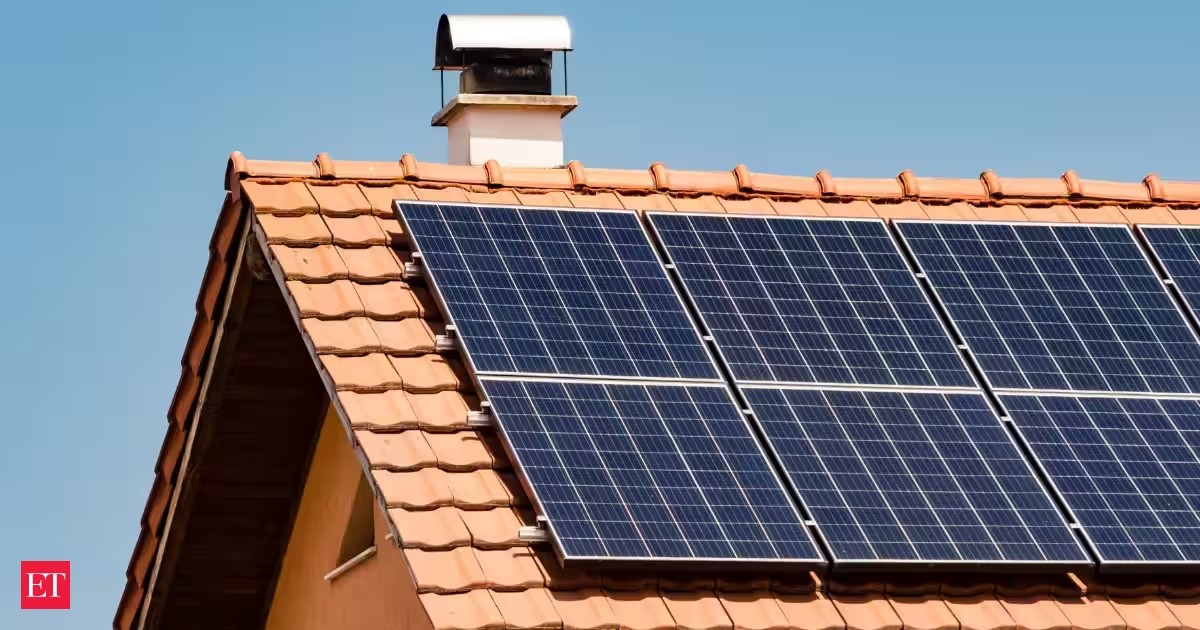
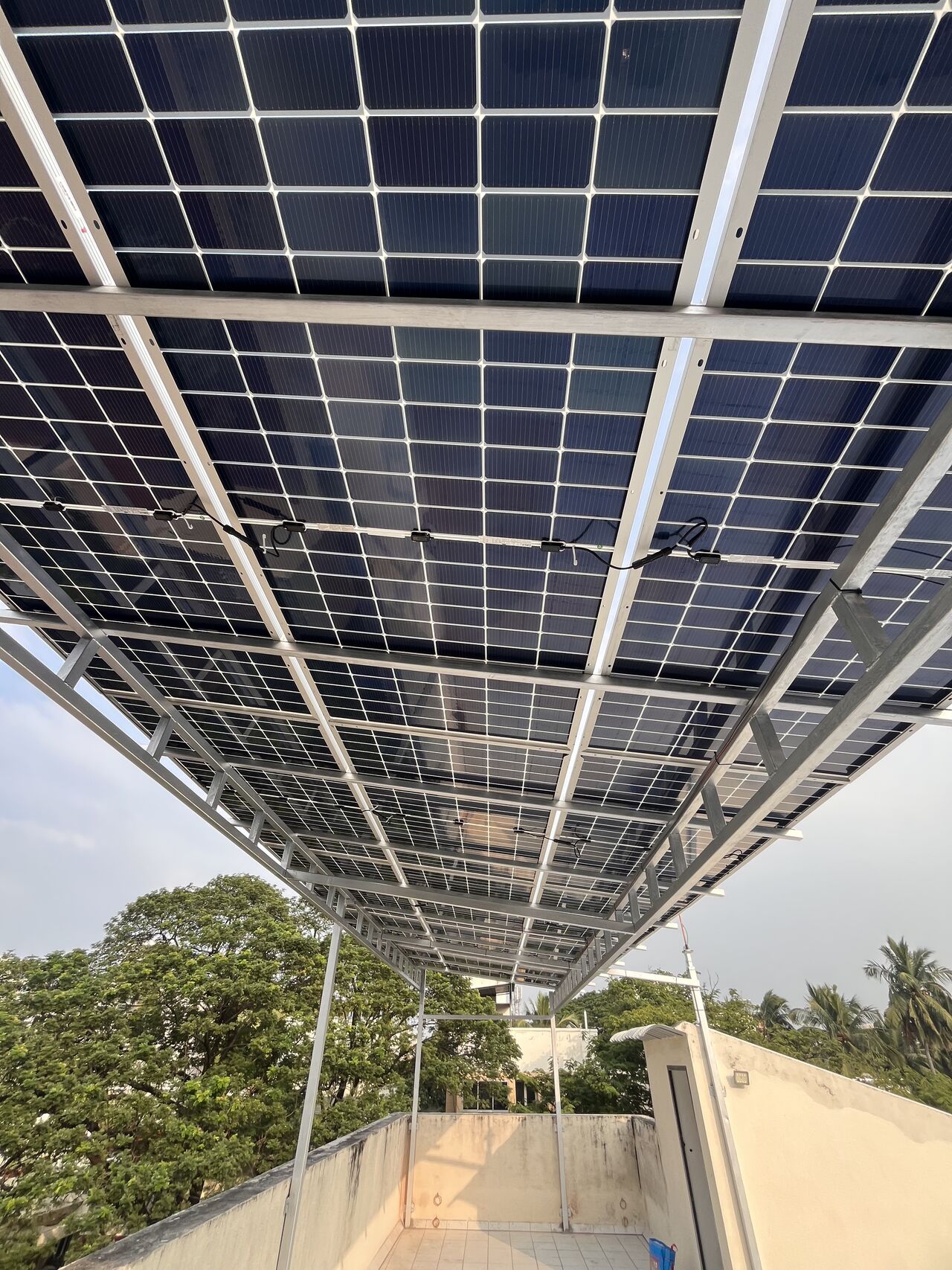
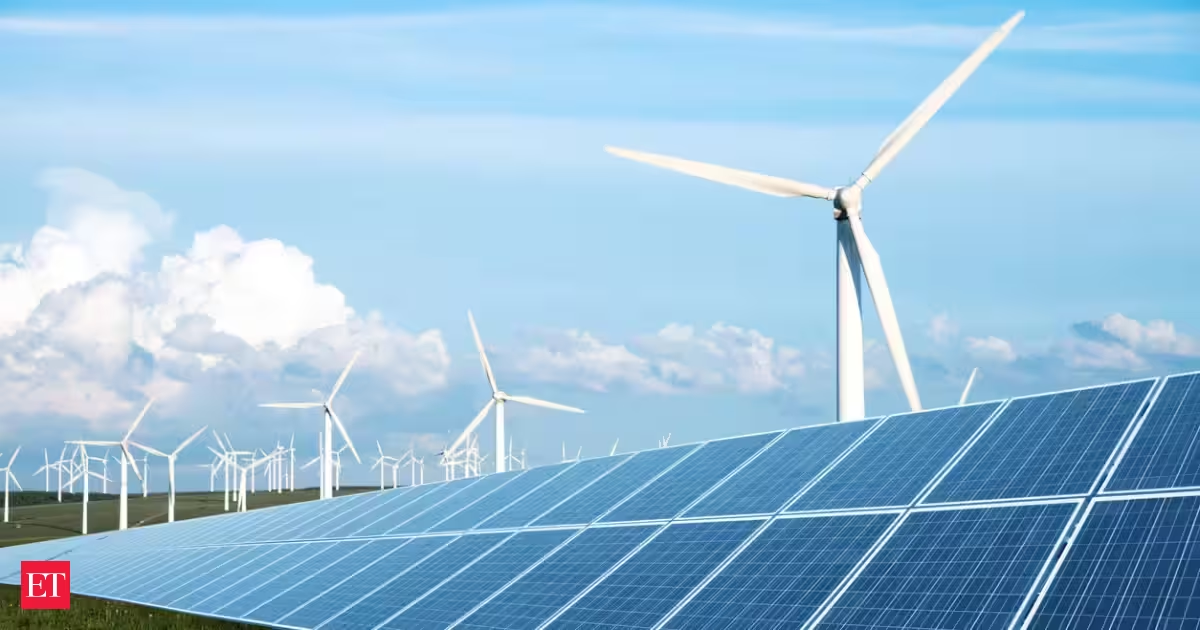
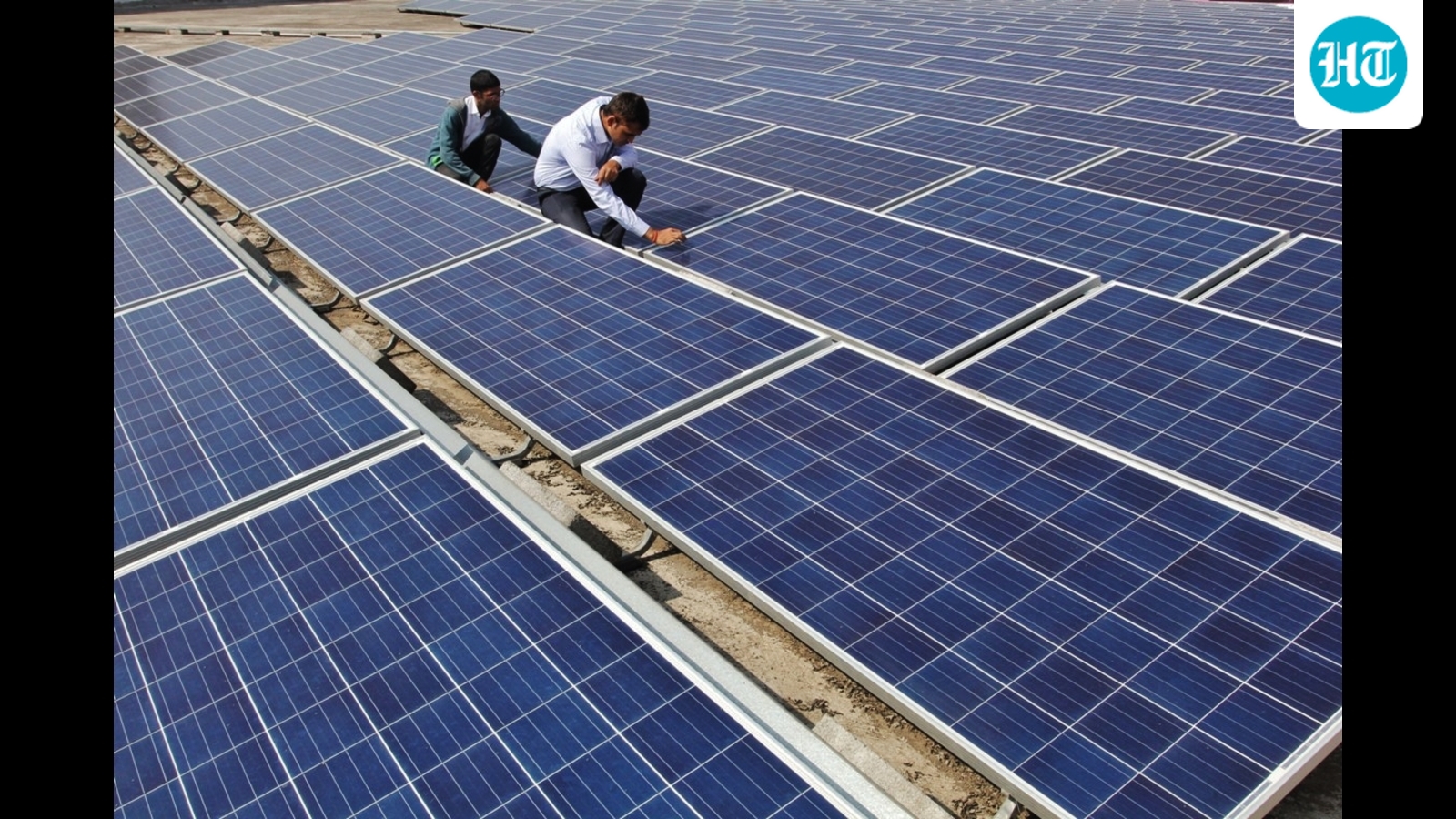
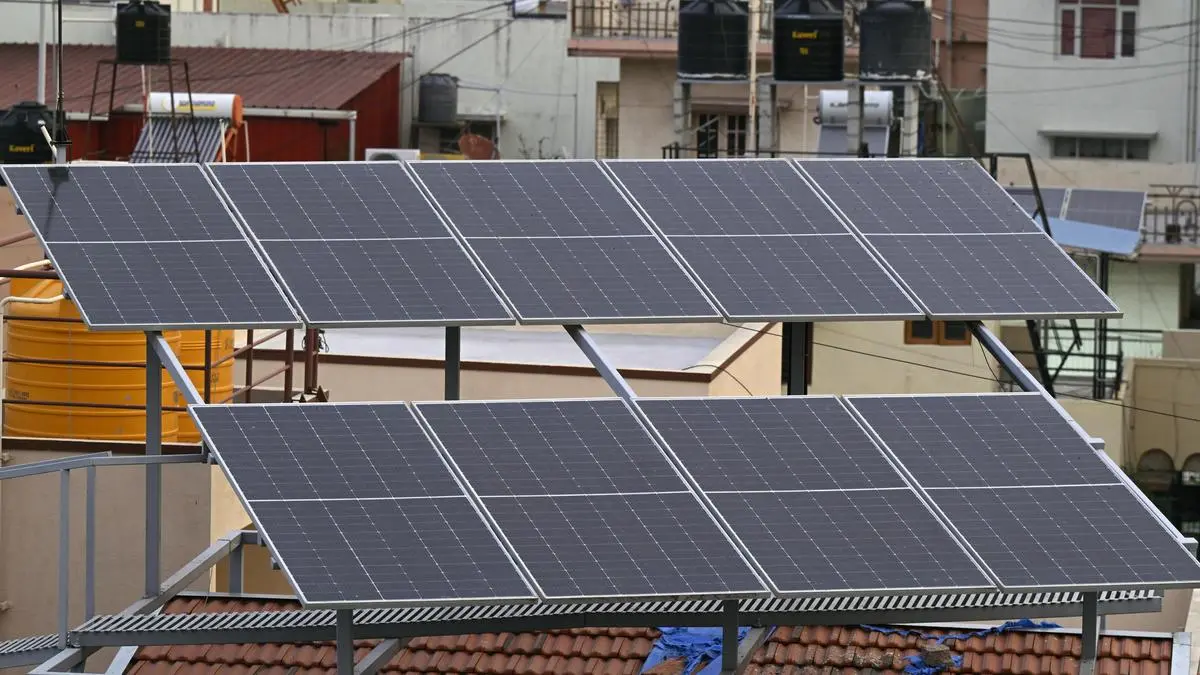
The Minister for New & Renewable Energy, Pralhad Joshi, said on Thursday that residential rooftop solar power installations have risen from just 5,000 per day in October last year to more than 16,300 daily under the PM Surya Ghar: Muft Bijli Yojna (PMSG: MBY).Speaking at the CII International Energy Conference & Exhibition, the Minister noted that the cumulative rooftop solar generation capacity, which includes government buildings, has reached 14 gigawatts (GW).“PM Surya Ghar Muft Bijli Yojana is transforming India’s energy landscape by taking clean energy directly to households. Today, the scheme has expanded to benefit 50 lakh households. The pace of installations has accelerated more than threefold, from around 5,000 installations per day in October 2025 to over 16000 per day in July 2026,” Joshi said.More than 12 lakh households have earned around ₹421 crore by selling surplus electricity. The households are not just consuming electricity; they are also producing it, which results in an extra income of ₹3,500 per household per year, the Minister emphasised.The scheme has helped create a nationwide rooftop solar ecosystem while supporting domestic renewable energy manufacturing. India is also approaching the landmark of 300 GW of installed non-fossil fuel power capacity and remains firmly on course to achieve its target of 500 GW by 2030, he added.Government highlights policy support for renewable energy growthThe Minister highlighted several policy and regulatory initiatives undertaken by the government to strengthen the renewable energy ecosystem and support industry growth.These include the PLI Scheme for High Efficiency Solar PV Modules, the Green Energy Corridor programme, the reduction of GST on renewable energy devices and components, the extension of Basic Customs Duty exemptions on capital goods for lithium-ion cell manufacturing for Battery Energy Storage Systems (BESS), and the launch of the Renewable Energy Equipment Import Monitoring System.Manufacturing seen as key pillar of energy transitionHighlighting the critical role of manufacturing in energy transition, the Minister of Steel and Heavy Industries, H D Kumaraswamy, said, “As India accelerates its clean energy transition, energy security is no longer defined solely by access to resources. It is increasingly shaped by our ability to manufacture, innovate and build resilient domestic supply chains for the technologies of the future. Under the leadership of Hon’ble Prime Minister Shri Narendra Modi, India is building an Atmanirbhar Bharat which is not only self-reliant but also globally competitive.”He highlighted that steel continues to serve as the backbone of the nation’s critical infrastructure, while policy interventions are strengthening India’s clean energy manufacturing ecosystem.The ₹18,100 crore Production Linked Incentive (PLI) Scheme for Advanced Chemistry Cell (ACC) batteries is supporting domestic battery manufacturing capacity and reducing import dependence, while the PM E-DRIVE Scheme is accelerating the growth of a robust clean mobility ecosystem and reinforcing India’s ambition to emerge as a global hub for clean energy technologies, the Minister added.Bhutan outlines hydropower and solar expansion plansReflecting on regional energy cooperation, Bhutan’s Minister of Energy and Natural Resources Lyonpo Gem Tshering said, “Our vision is to expand the country’s power generation capacity to 25 GW by 2040 through the addition of 15 GW of hydropower and 5 GW of solar energy. This target is driven by rising domestic energy demand and the need to ensure a reliable and sustainable electricity supply.”Bhutan and India share an exemplary partnership in the energy sector, with cooperation spanning over five decades. Energy and power trade have been the cornerstone of the bilateral relationship between the two countries. The close collaboration through successive five-year plans continues to drive mutually beneficial growth, he added.Published on August 6, 2026