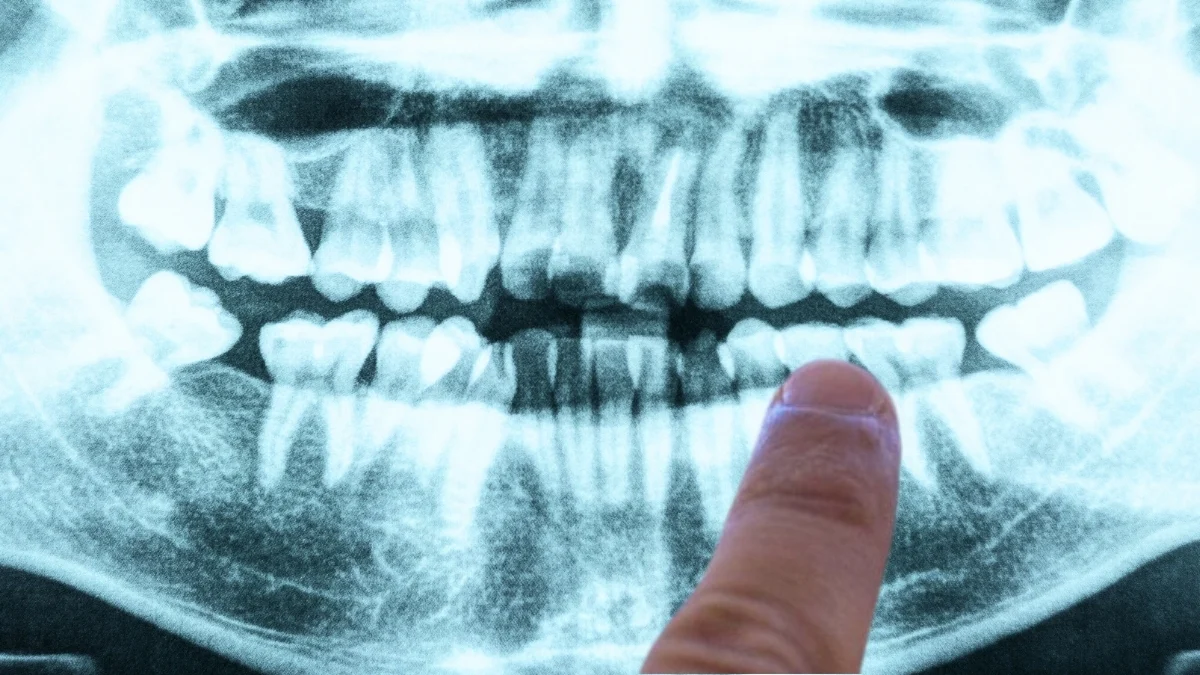
A trip to the dentist could reveal more than the state of your teeth. It may also uncover clues about your future risk of type 2 diabetes.A major review of more than 300,000 people, published in The Lancet Public Health, found that periodontitis was linked to a higher likelihood of being diagnosed with type 2 diabetes during follow-up. The relationship may also work in reverse, with diabetes increasing the future risk of gum disease and tooth loss.The findings suggest that oral health and metabolic health may be more closely connected than previously thought.Periodontitis is a severe form of gum disease in which prolonged inflammation damages the tissues and bone supporting the teeth. Gums may become swollen or bleed, teeth can loosen, and, without treatment, tooth loss can occur.To investigate the relationship between periodontitis and diabetes, an international team led by periodontologist João Botelho of the Egas Moniz School of Health and Science in Portugal systematically reviewed 28 longitudinal studies from 16 countries.This allowed the researchers to examine which condition appeared first and what happened afterward.
Across six studies that followed approximately 29,000 participants for between 5 and 20 years, people with periodontitis at the outset had an 18 to 25 percent higher occurrence of newly diagnosed type 2 diabetes than those without periodontitis.Complete tooth loss also appeared to carry a warning. People who had already lost all their teeth at the start of the studies had a 30 percent higher occurrence of newly diagnosed type 2 diabetes during follow-up.The pattern also ran in the opposite direction. People who began the studies with diabetes were more likely to develop periodontitis and experience tooth loss later, although the evidence for this direction of the relationship was less consistent."The study underlines that we can no longer view oral health and diabetes as two separate disease areas," says senior author and oral epidemiologist Fernando Valentim Bitencourt.There are several plausible explanations for this two-way relationship.Periodontitis causes persistent inflammation in the mouth. Bacteria and inflammatory molecules may enter the bloodstream through damaged gum tissue, contributing to inflammation elsewhere in the body. In theory, this could interfere with the body's response to insulin, the hormone that helps move glucose from the blood into cells.Insulin resistance is a defining feature of type 2 diabetes. Oral health and metabolic health may be closely connected. (Nataliya Vaitkevich/Pexels)In the other direction, persistently high blood sugar can slow healing and weaken the body's ability to fight infection, potentially leaving people with diabetes more vulnerable to gum disease.For example, a 2025 study involving 182 participants, published in Dentistry Journal, found that people with type 2 diabetes had a lower saliva flow rate and a greater prevalence of severe tooth decay than those without diabetes.However, the findings in this cross-sectional study do not establish a causal relationship in either direction. Their analysis was based on observational studies rather than randomized controlled trials.