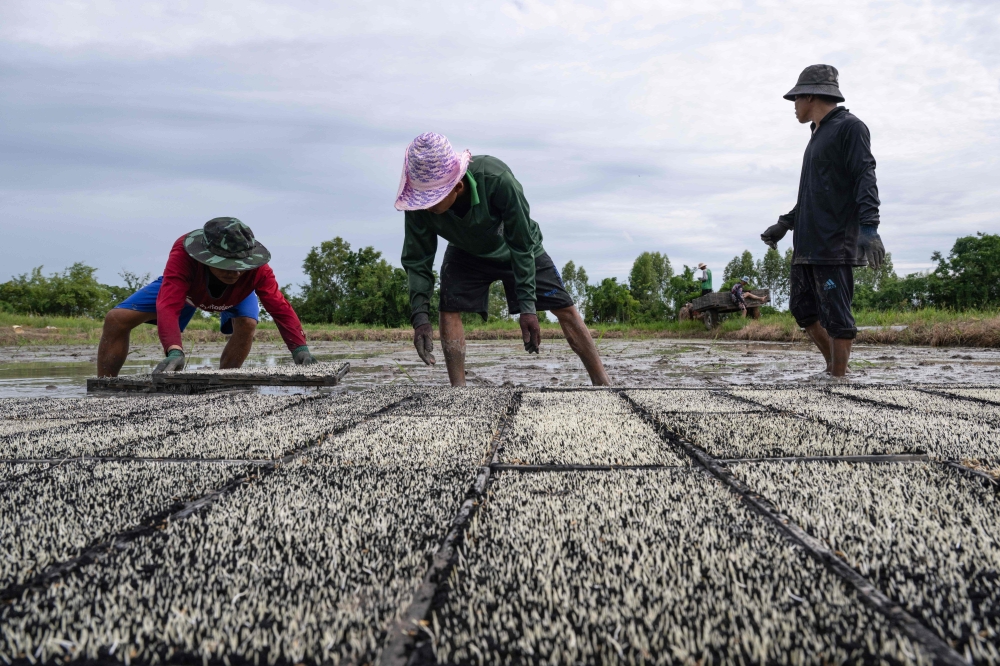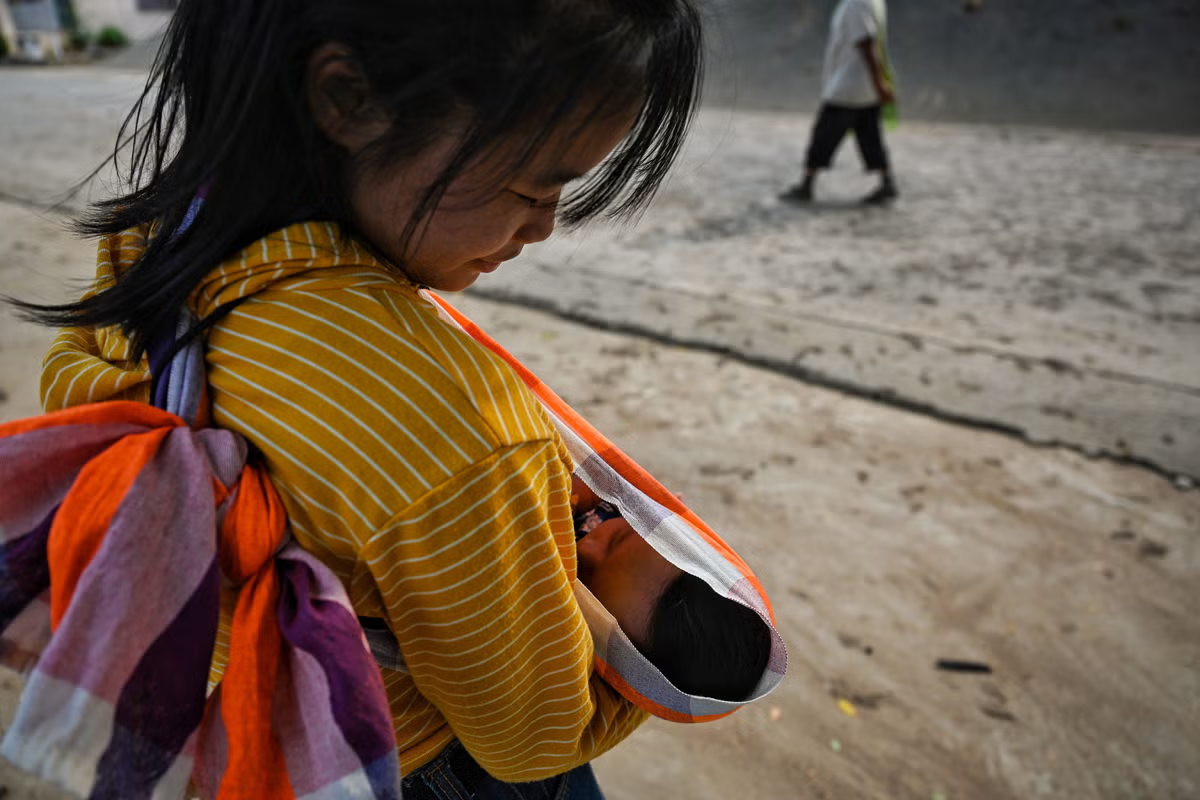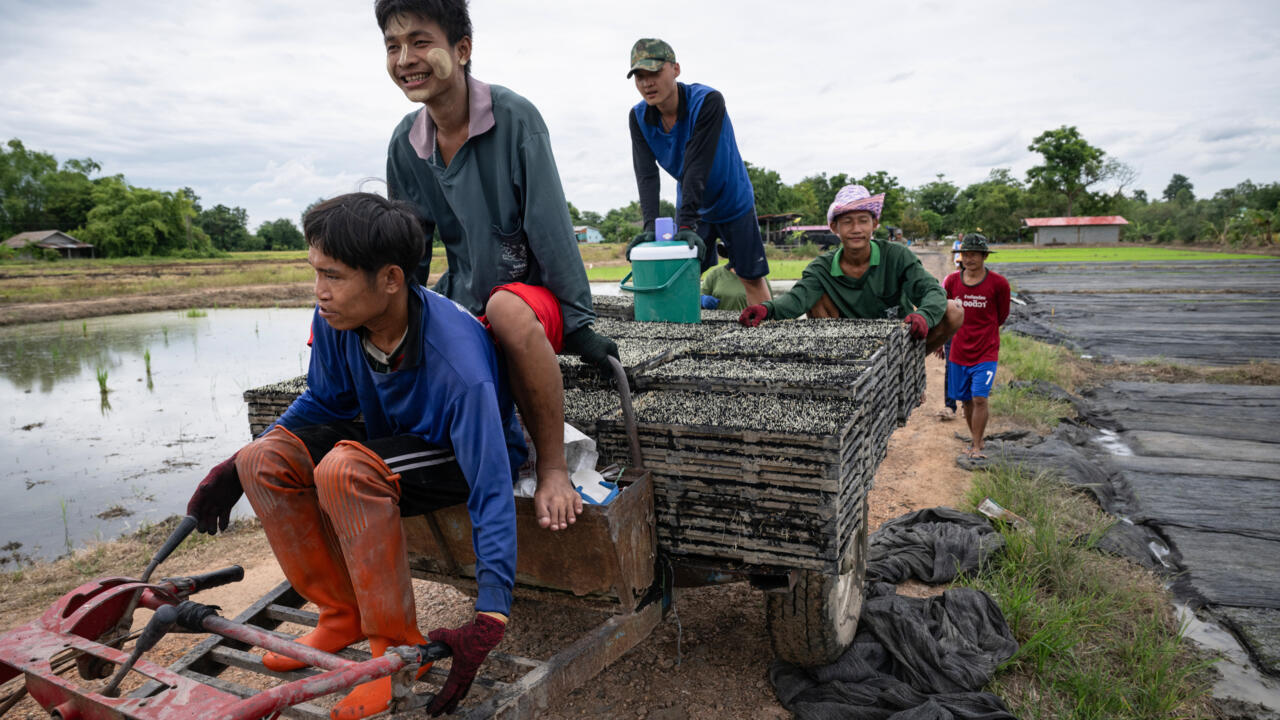
The farmworkers are among their Thai boss's newest employees, with a fresh sense of job security after Thailand began permitting Myanmar refugees living in camps to work legally and granting them non-citizen identity cards."I do not tire from the work. I can do it," Ney La Jaw, 25, told AFP.He spent much of his life confined to the Mae La refugee camp, the largest of nine temporary shelters along the border with Myanmar, according to the United Nations.But he now lives and works more than 200 kilometres (124 miles) away on a farm in Thailand's Nakhon Sawan province, earning around 3,000 baht ($90) per week -- a life-changing sum for many refugees."I send all of my money home to my mom" in the camp, he said.After decades of being barred from leaving the camps and working legally, Myanmar refugees and their children began receiving non-citizen Thai ID cards in June, a step away from statelessness and towards gainful, legal employment.About 4,600 people from Myanmar living in camps have sought permission to work legally from October 2025 to July this year, the Thai interior ministry said.
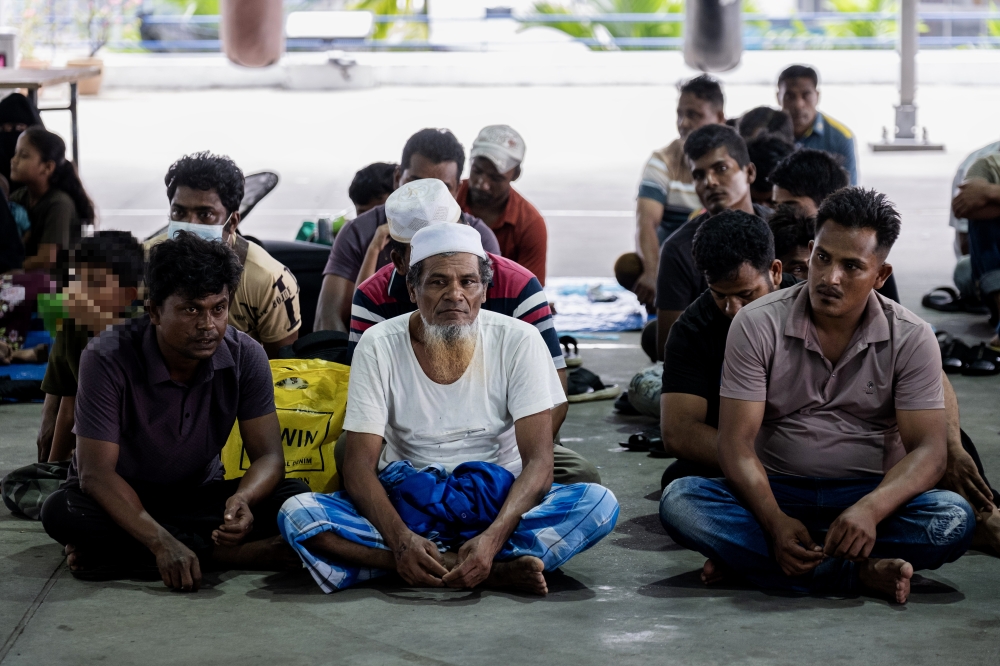
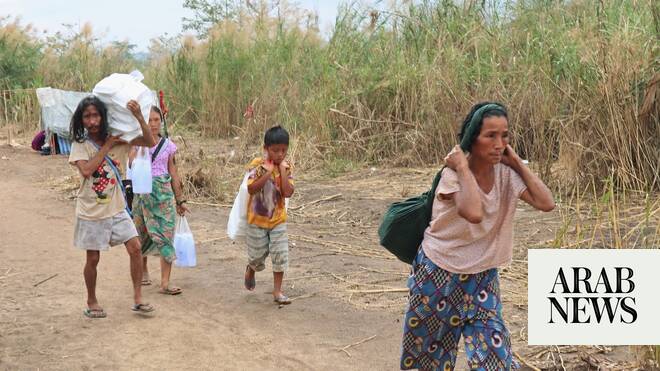
Myanmar migrants have long worked in neighbouring Thailand, but the country's civil war, triggered by a 2021 military coup, has sent even more fleeing across the border © Lillian SUWANRUMPHA / AFP