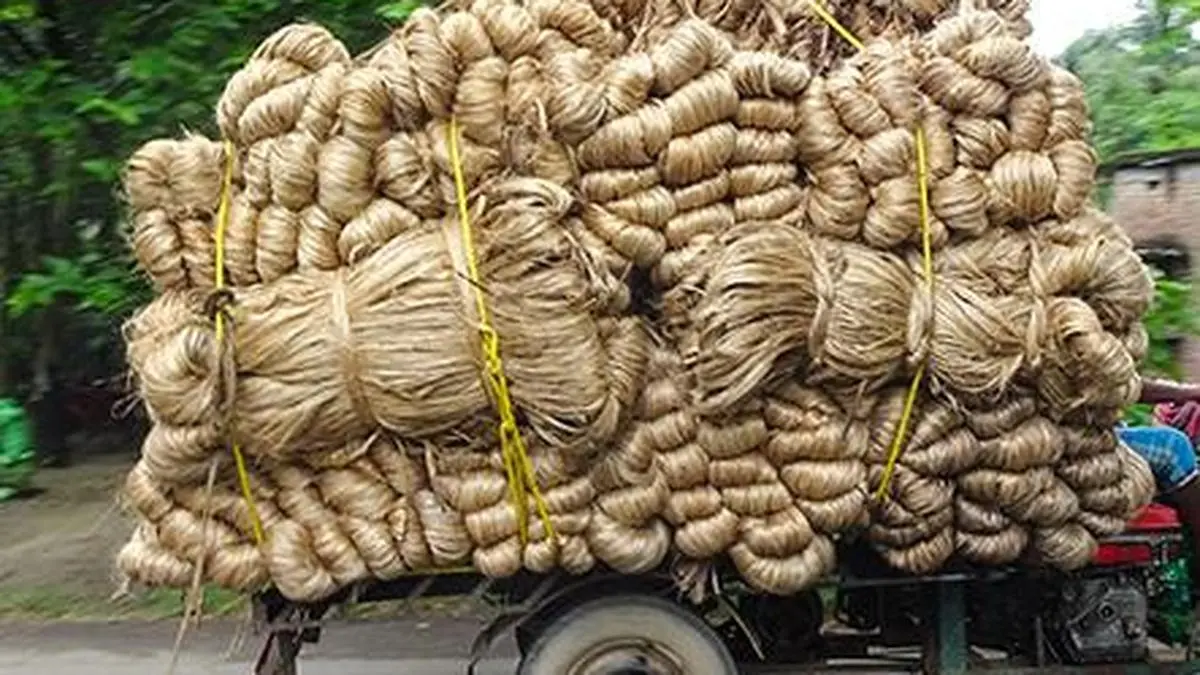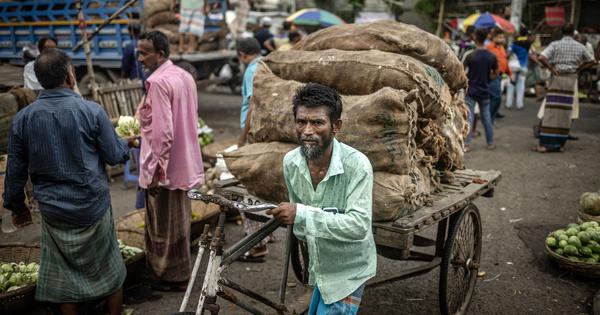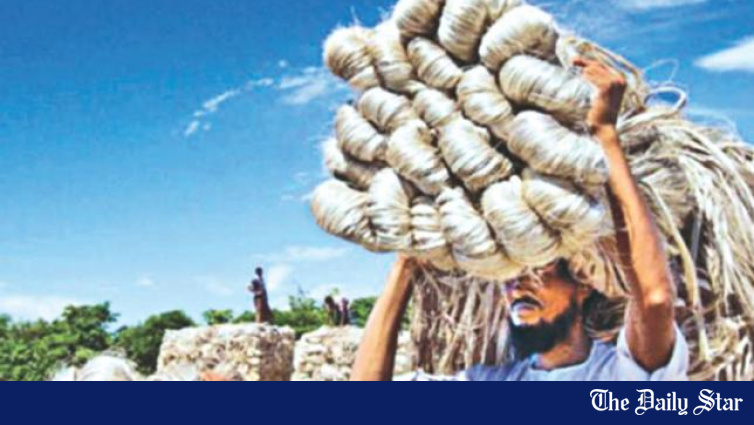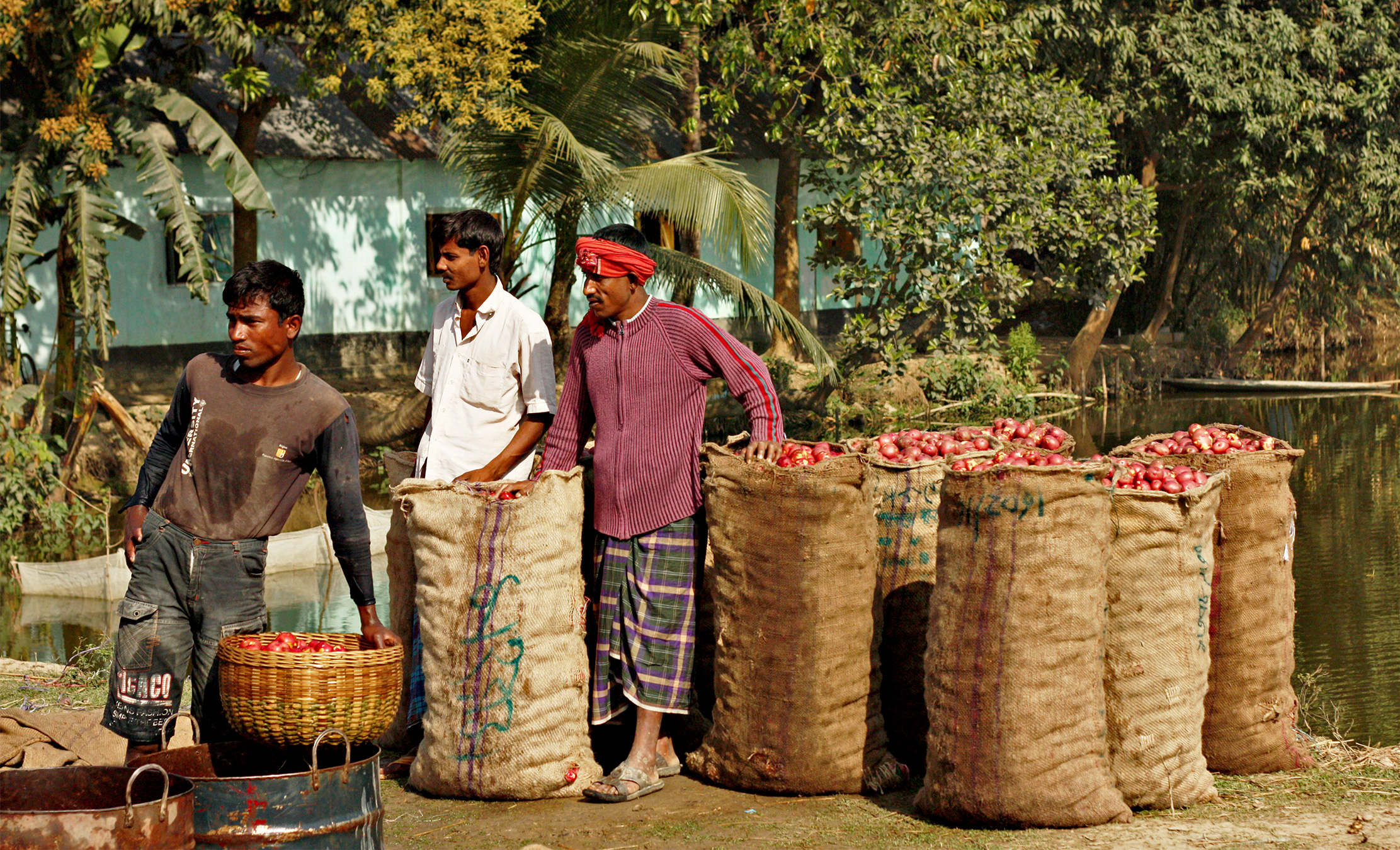
Despite being the world’s second-largest producer of jute, a biodegradable fiber, Bangladesh faces the daunting task of combating the onslaught of hazardous plastic-based packaging and synthetic fibers.The Mandatory Jute Packaging Act of 2010 stipulated that 19 essential items must be contained and transported in jute sacks, but the legislation failed to protect the jute industry, which employs 3 million households.While traders ensure a door-to-door supply of “cheap” plastic and synthetic fiber for users, the government has closed down 25 state-owned jute mills that produced “costly” jute sacks and bags.Although a small rice mill demonstrates that jute sacks and bags are cheaper and bring a good profit, the government has not devised a proper strategy to sensitize businessmen to switch to jute instead of plastic/synthetic packing materials.
Bangladesh is the world’s second largest producer of the environmentally friendly fiber jute. However, the country has, for decades, grappled with the move to combat the escalating use of the cheaper and more popular, but harmful, plastic-based packaging and synthetic fibers.
As a safeguard measure, the government, 16 years ago, enacted a law for the mandatory use of jute sacks and bags to contain and carry 19 essential commodities, including rice, wheat and fertilizer.