This coverage is made possible through a partnership between Grist and The Salt Lake Tribune, a nonprofit newsroom in Utah.
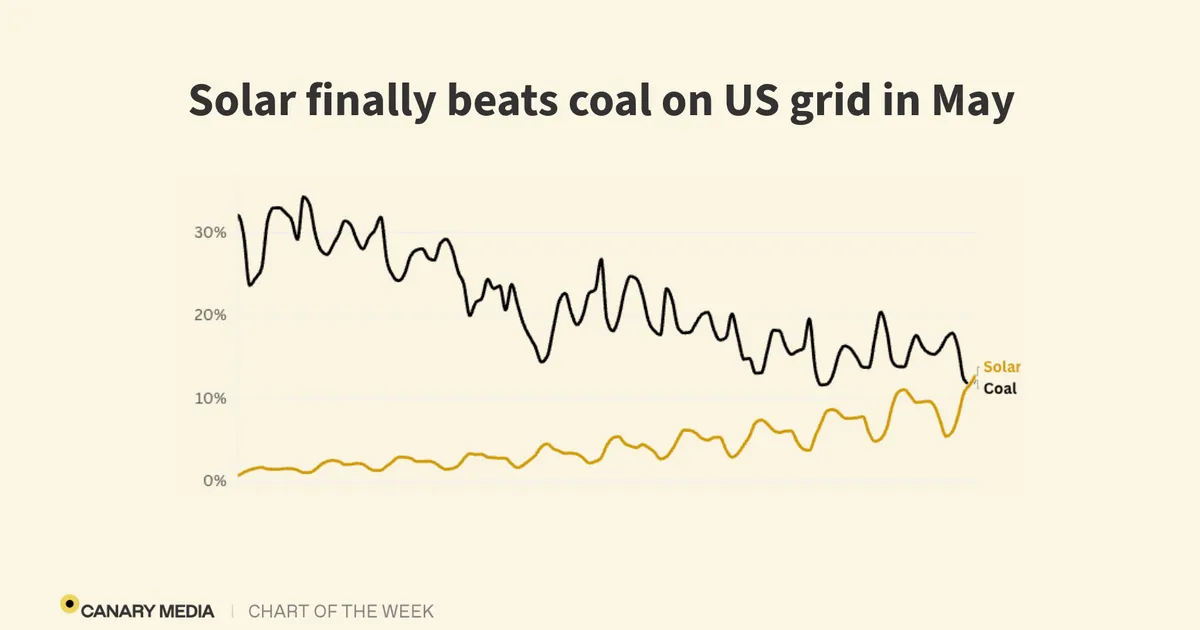
Utah’s solar generation eclipsed all other electricity sources for the first time ever in May, the culmination of a slow but steady years-long shift away from coal. Energy experts are calling it a win for the environment and the state’s economy.
Photovoltaic panels in Utah produced nearly 1 terawatt hour in May 2026. That represented nearly a third of all electricity generated in the state that month, according to data from Ember, a global energy think tank. Natural gas generated 32 percent, coal generated 28 percent, and wind 2 percent.
“The trend of more and more solar in Utah is wonderful news for air quality, it’s wonderful news for the climate, and it’s wonderful news for jobs and the economy,” said Dan Schroeder, a physics professor at Weber State University who regularly checks energy data.
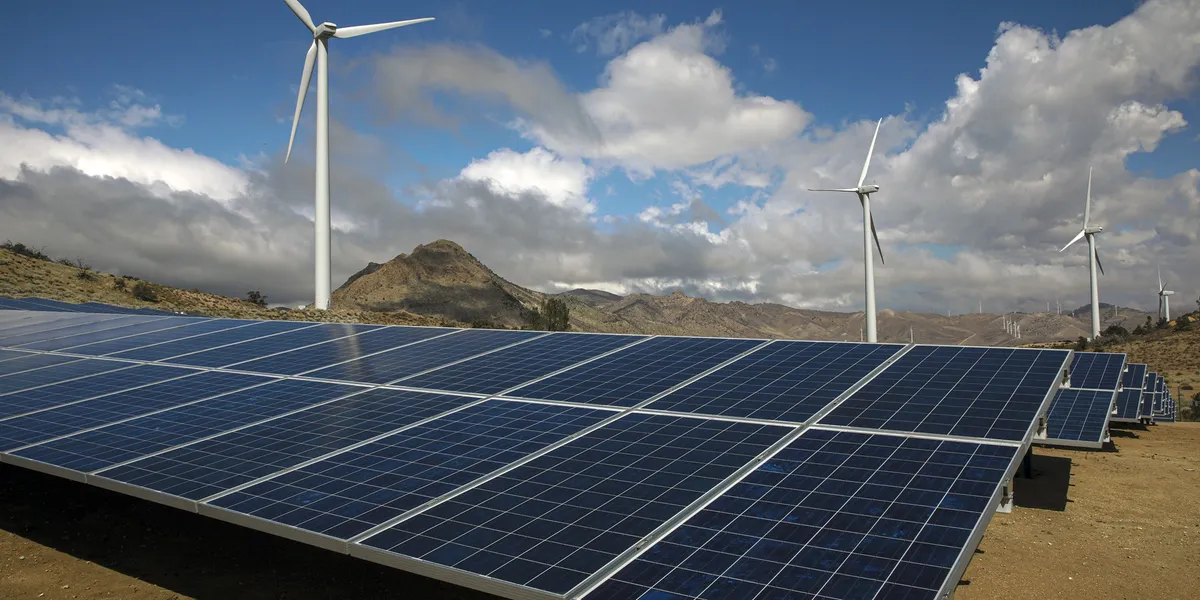
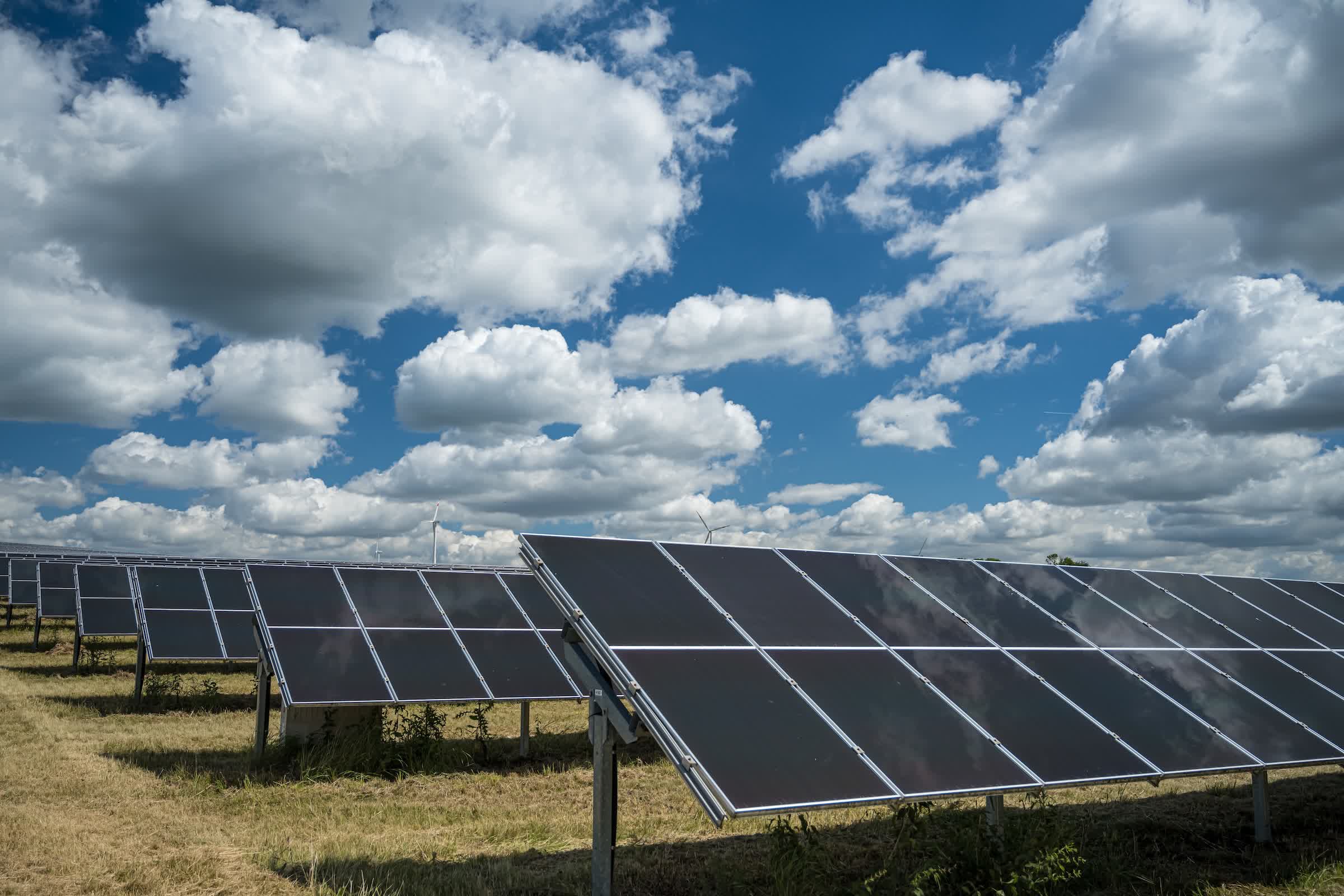
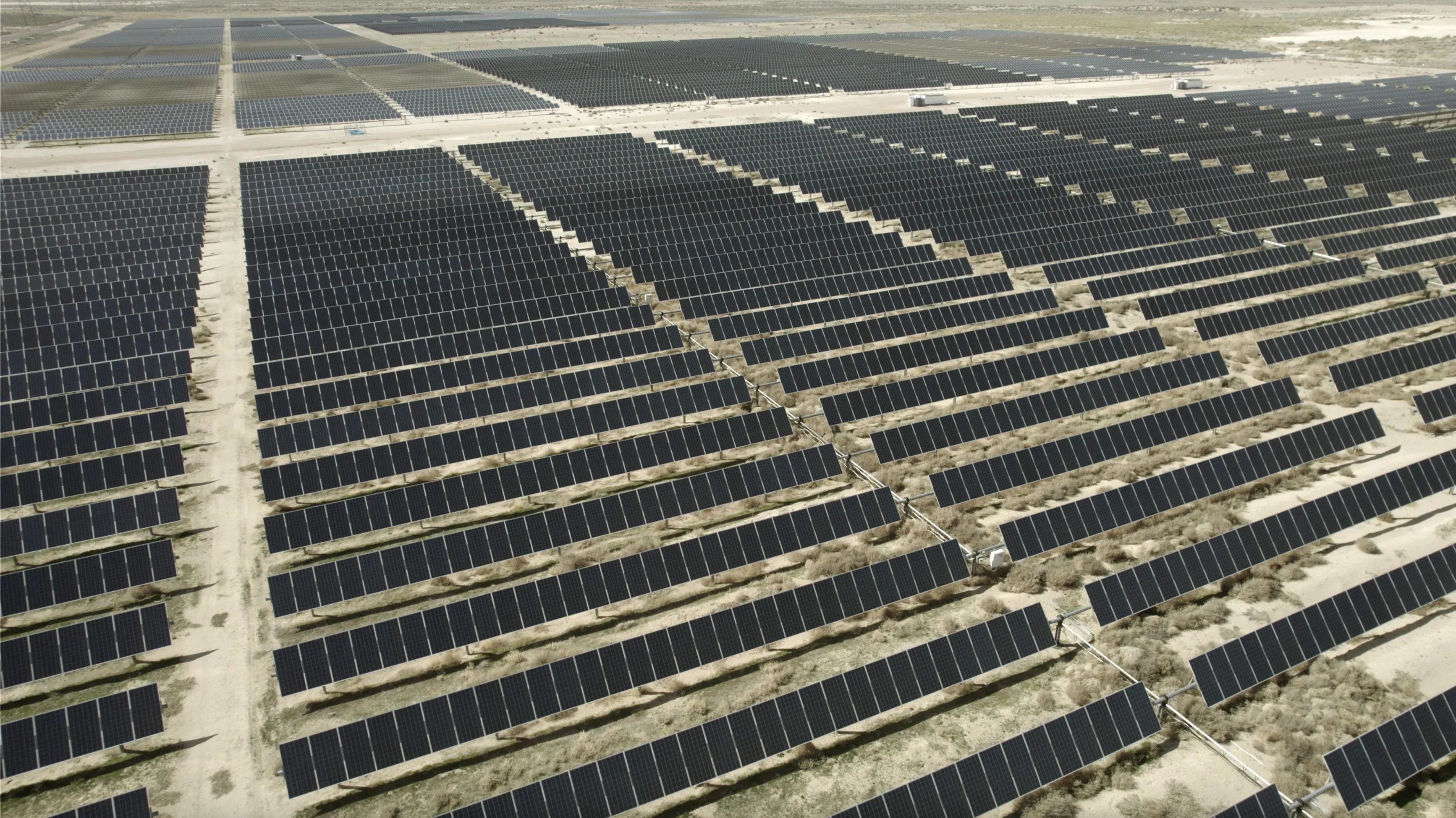
Schroeder attributes the trend to several large solar farms coming online in recent years. The 2,500-acre Green River Energy Center in the central part of the state became operational this spring, and includes 400 megawatts of solar generation and 400 megawatts of battery storage. Excelsior Energy Capital’s Faraday Solar project in Utah County, the state’s second-largest county, started providing up to 685 megawatts for the Meta data center there last fall. The Elektron Solar Project, an 80-megawatt photovoltaic farm, began sending electricity to Salt Lake City, Park City, and Summit County in June 2024.