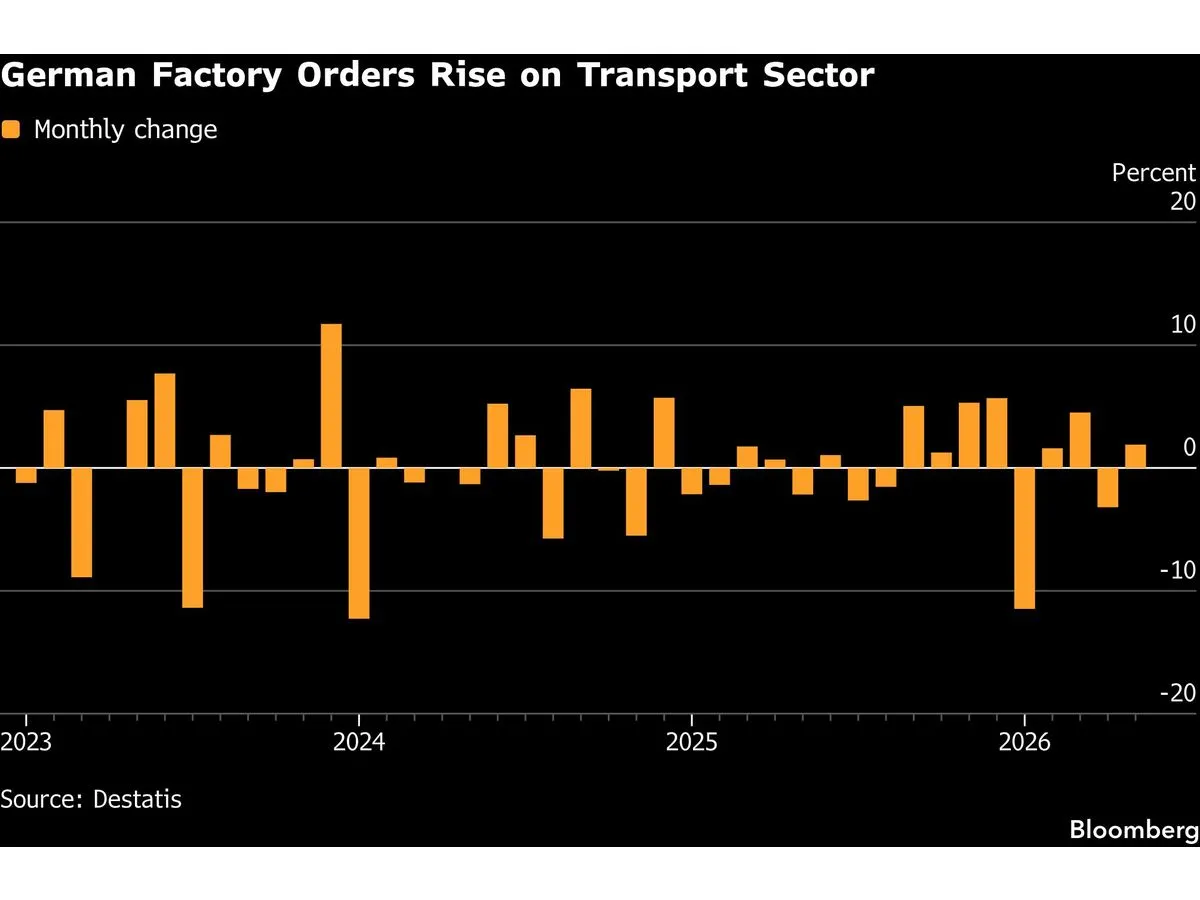
Key events8m agoEurozone construction downturn eases despite worsening new orders16m agoWizz Air swings to loss on soaring fuel costs39m agoWPP shares surge as it says turnaround plan is on track1h agoPersimmon ups outlook as it bets on Burnham's housing programme despite higher costs2h agoIntroduction: German factory orders rise faster than expected; Asian shares fall on tech pullbackEurozone construction downturn eases despite worsening new ordersAfter the good news from Germany’s manufacturing base, the downturn in the eurozone’s construction sector eased in July.It is a mixed bag, though.The latest PMI survey from S&P Global, a closely-watched monthly snapshot of the sector, shows the rate of decline was the slowest for four months, although there was a steeper deterioration in new order intakes, and firms were slightly more pessimist about the coming year.The headline index rose from 42.8 in June to 44.3 in July.The rapid inflation in material and other costs following the start of the Iran war on 28 February continued to ease, with cost burdens rising at the slowest rate since before the conflict.The commercial sector recorded the largest overall drop in activity, followed closely by housebuilding. Civil engineering activity fell slightly, and at the weakest rate over the last six months.The three largest eurozone economies all recorded declines in construction output during July. France posted the biggest decline, although it was the softest in five months. Italian firms registered only a marginal contraction, while Germany bucked the easing trend to register the steepest fall in output in three months.Usamah Bhatti, economist at S&P Global Market Intelligence, said:
German factory orders rise faster than expected; Asian shares fall on tech pullback – business live
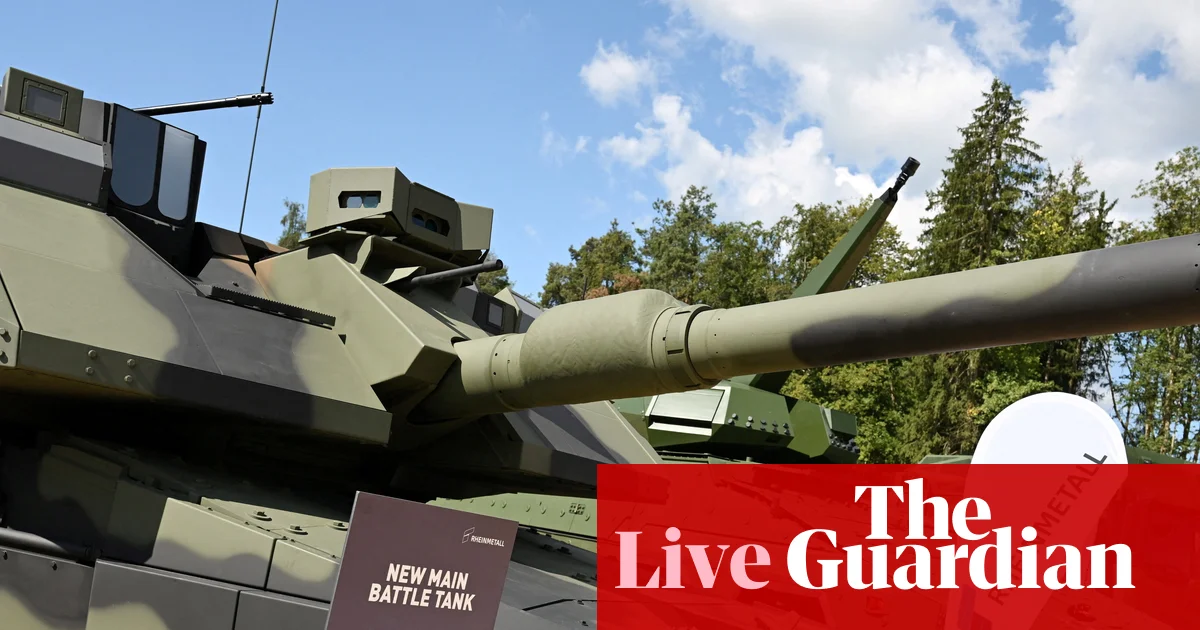
Germany’s biggest arms maker Rheinmetall slashes outlook after cancelled government contract; crude oil prices hold below $80 a barrel
TL;DRAI
German factory orders beat expectations; eurozone construction PMI rose to 44.3 though new orders worsened, while fuel costs eased. Falling energy costs support margin recovery; slowing order intake suggests macro caution, pressuring enterprise capex expansion plans.
1,897 words~9 min read