Listen
/
1.0x
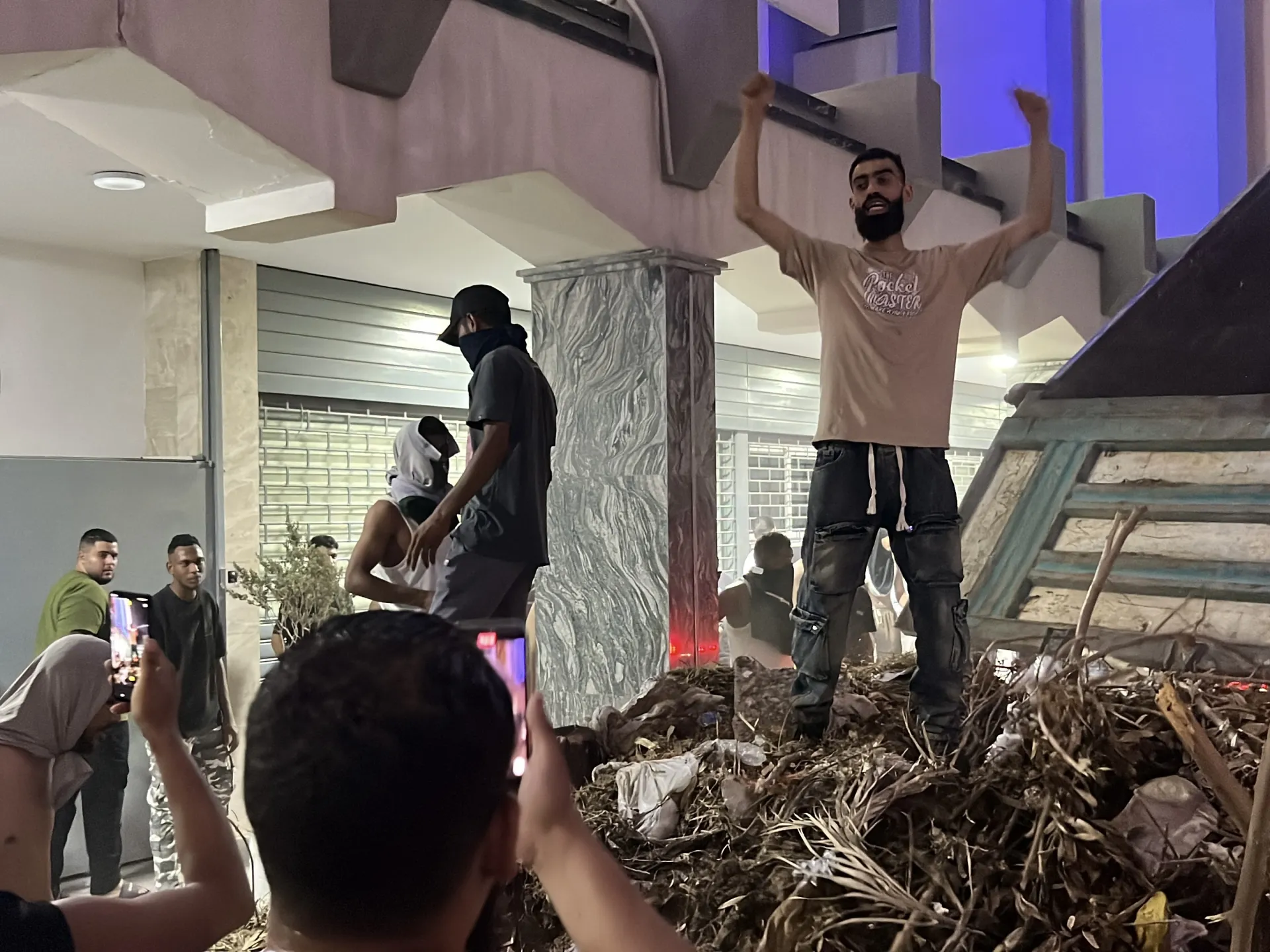
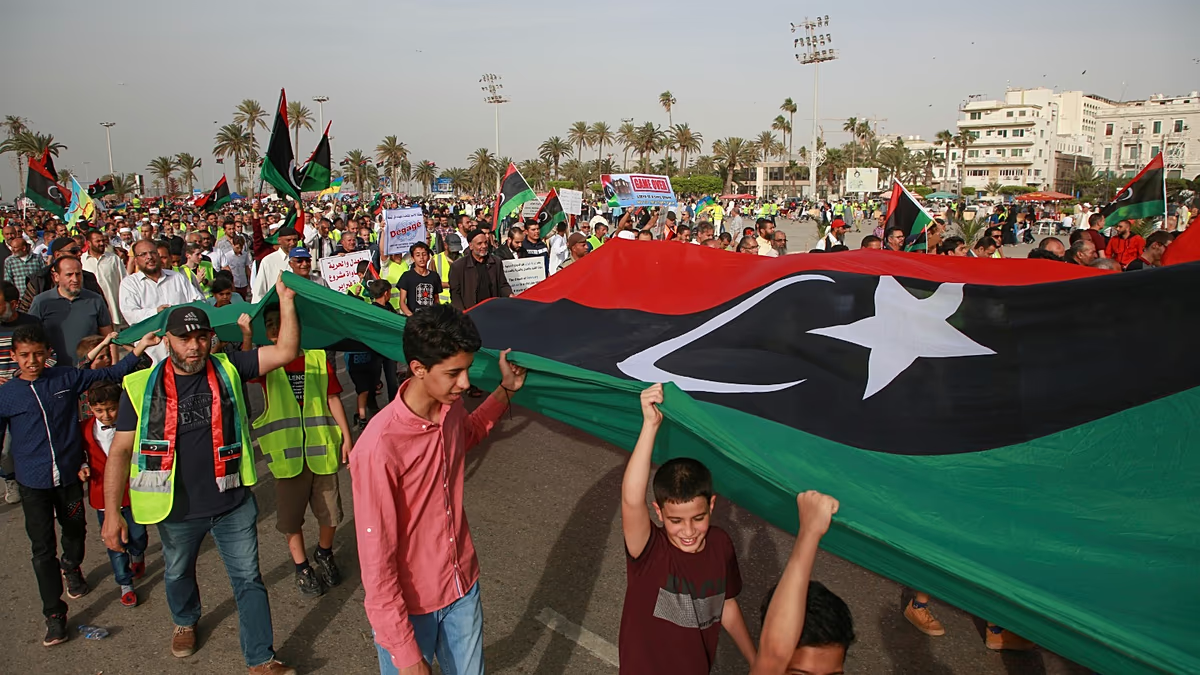
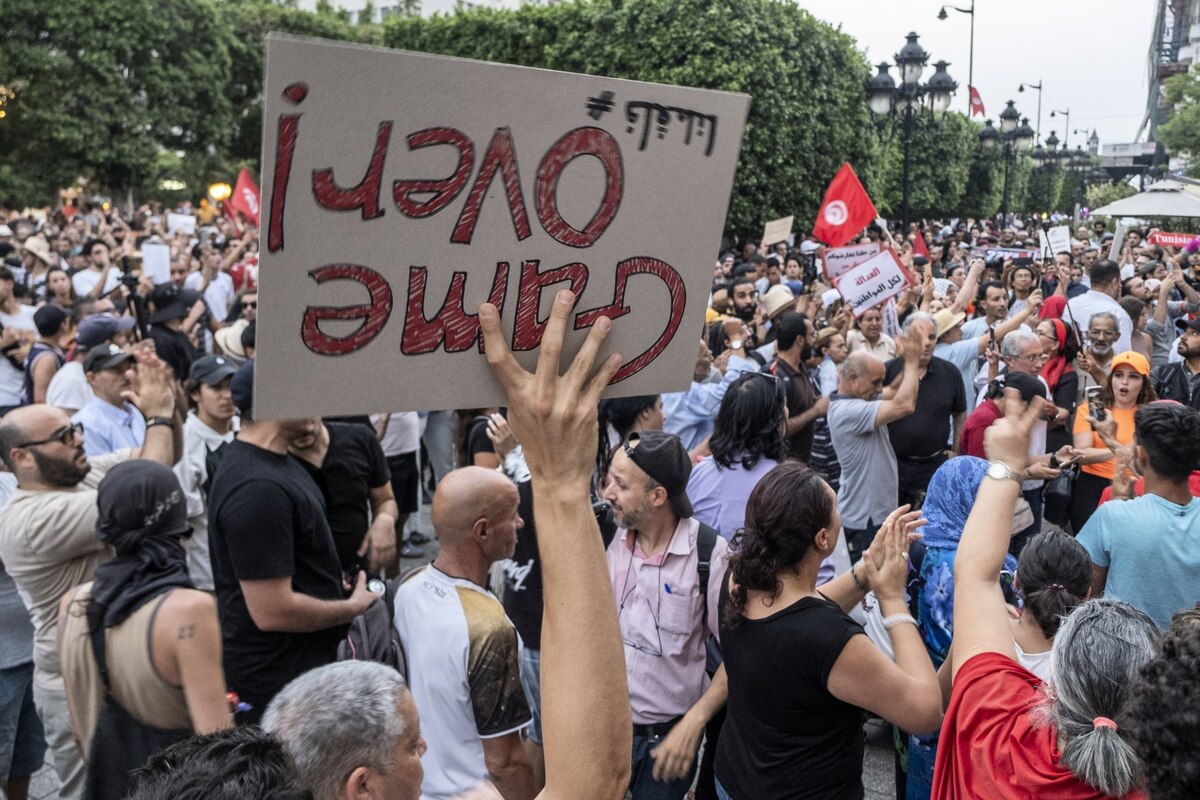
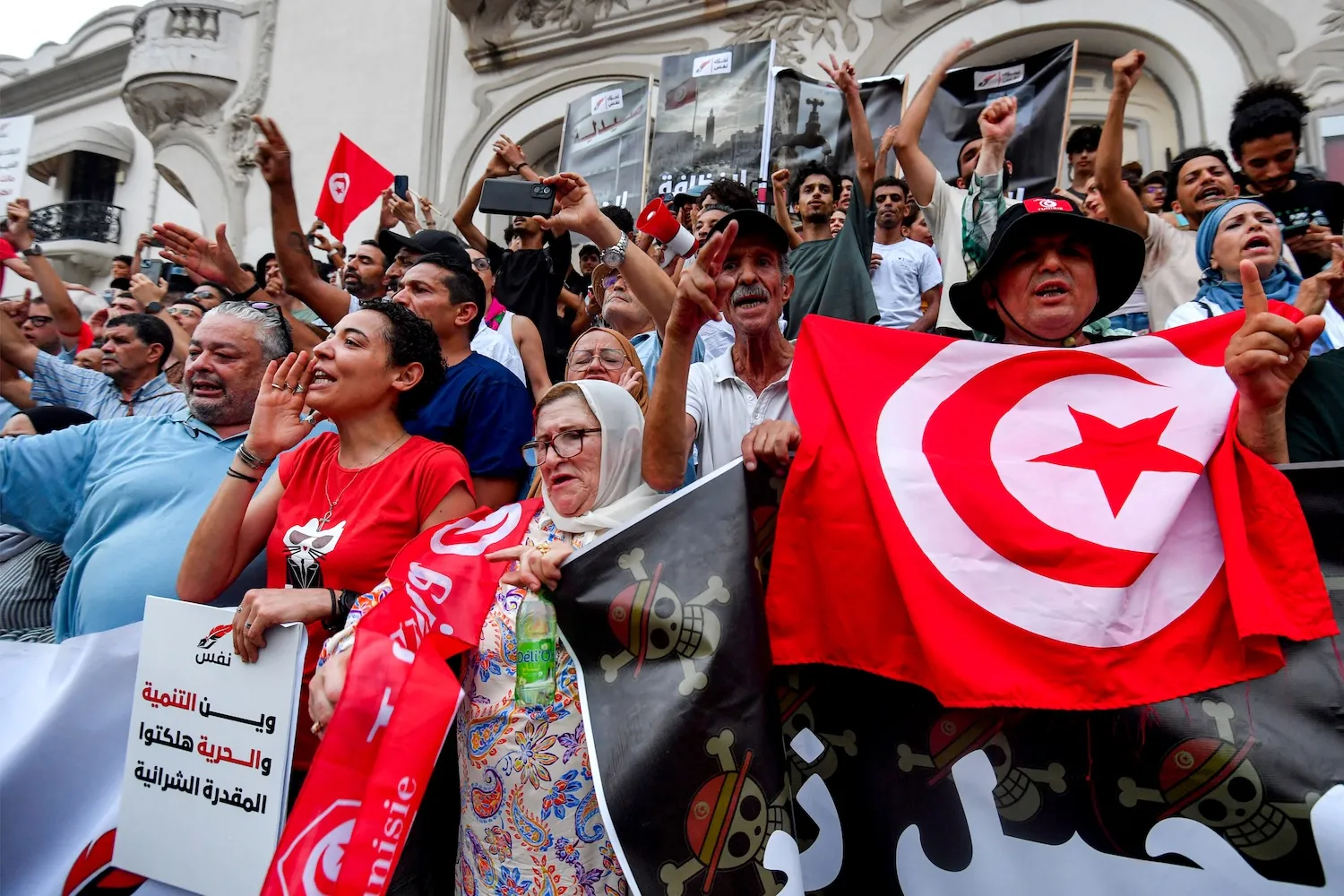
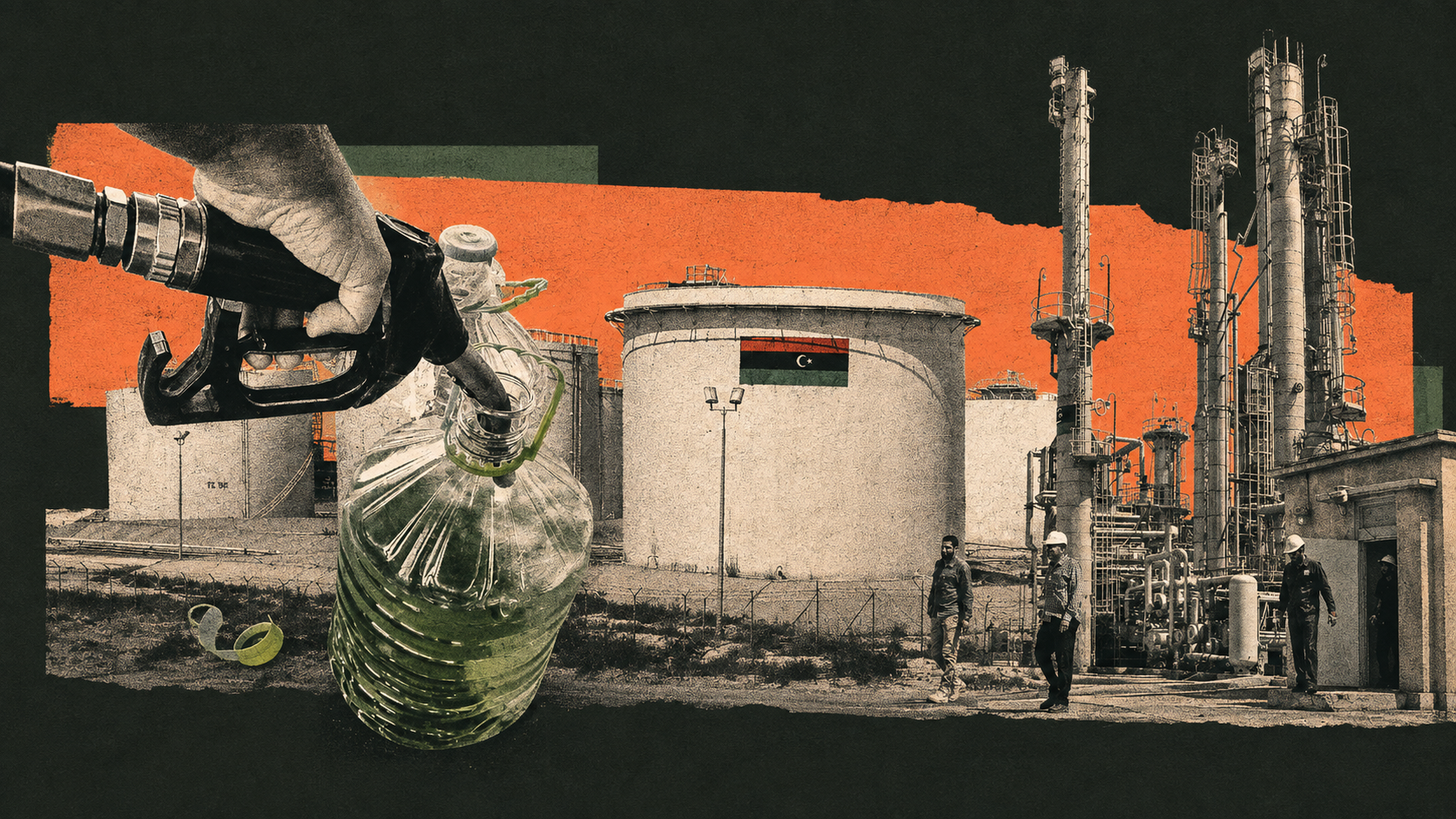
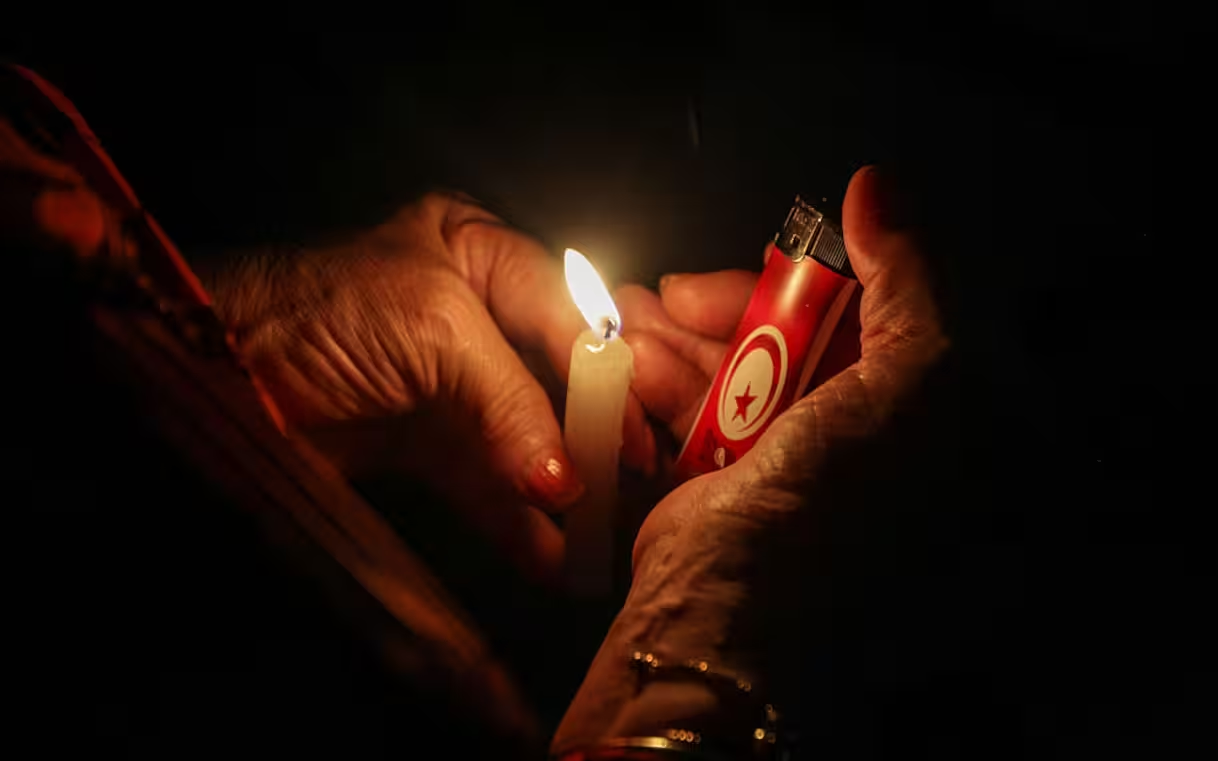
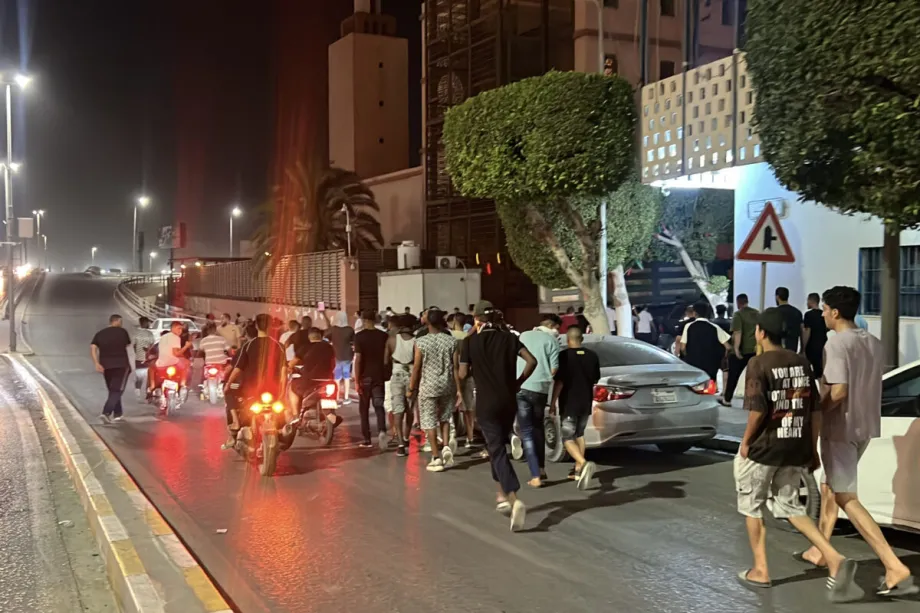
When temperatures crossed 43°C across western Libya in July, with some places like Al-Azizia, just south of Tripoli, recording near 50°C, it was not merely the air that reached a boiling point—it was the collective patience of a population pushed beyond its limits. What began as desperate protests against devastating electricity outages, lasting up to 14 hours a day at summer peak, rapidly transformed into a full-scale political rebellion against Prime Minister Abdul Hamid Dbeibeh and his Government of National Unity (GNU).
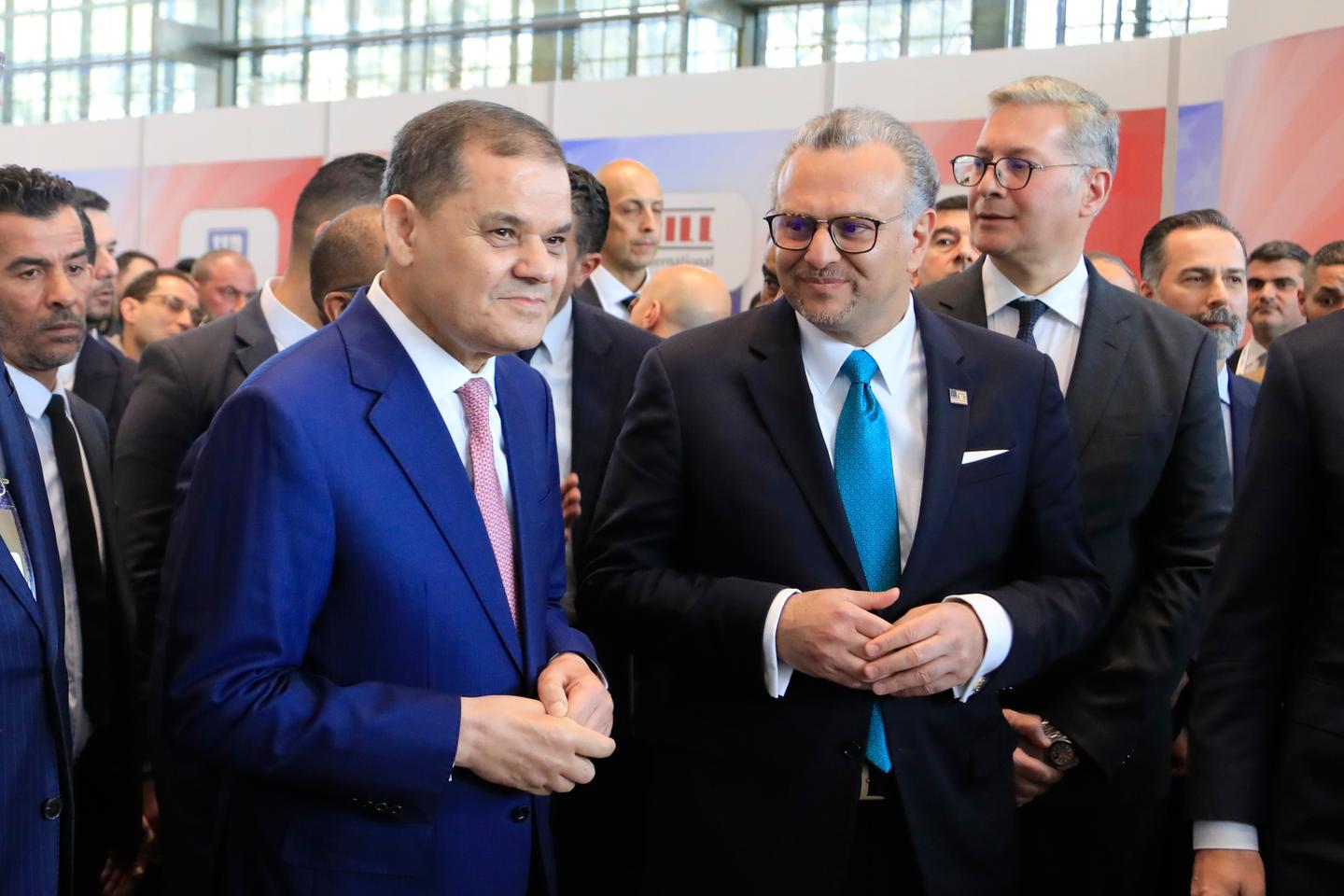
Attempting to deflect mounting public anger, Prime Minister Dbeibeh took to the stage during a cabinet meeting on 18th July to publicly lash out at the General Electricity Company of Libya (GECOL). He openly accused the state utility’s management of corruption and rank failure, claiming their refusal of administrative oversight had brought Libya “back to square one” despite billions invested in grid restoration. However, his effort to distance the executive branch from the crisis backfired into widespread public ridicule.