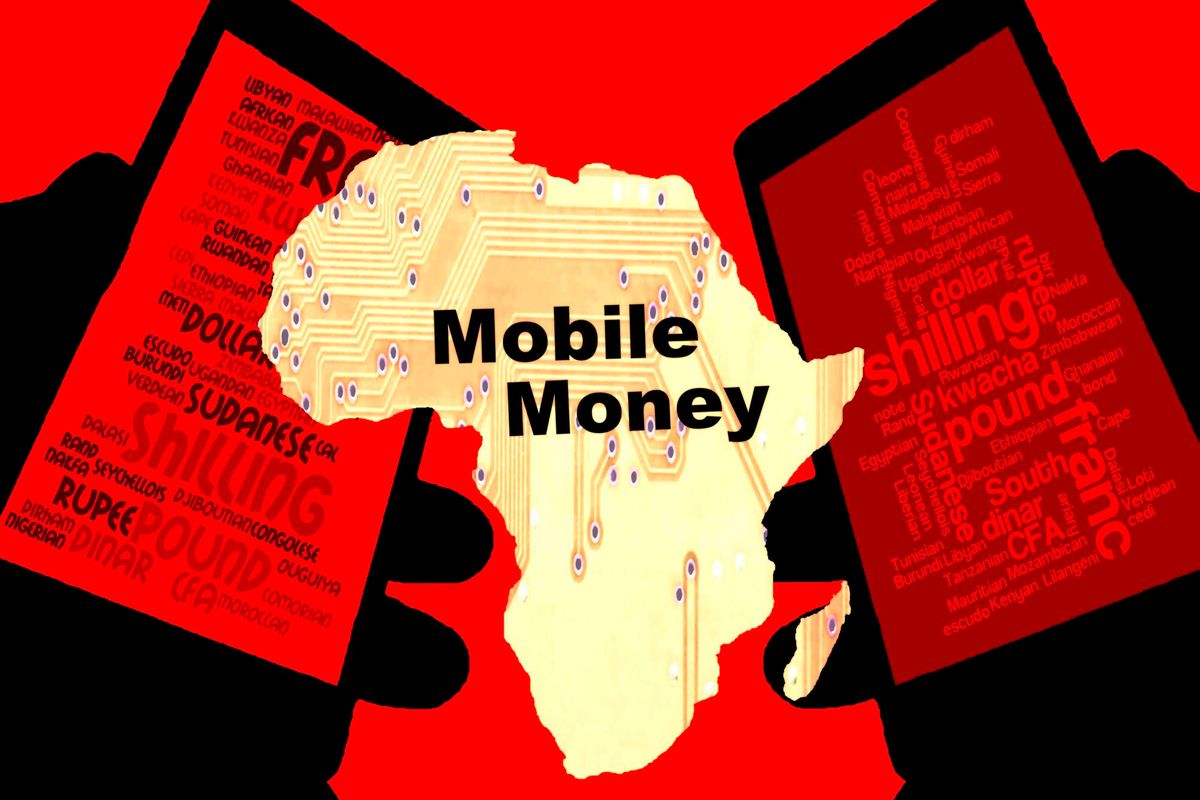
For millions of Kenyans, the mobile phone is now a gateway to the Internet, money and digital services. That is making the cost of connectivity—and the risks of fraud and identity theft—increasingly important consumer concerns alongside basic network quality.
Telecommunications remained the largest source of escalated consumer complaints in Kenya in the fourth quarter of the 2025/26 financial year, according to the Communications Authority of Kenya’s latest report. The regulator received 670 complaints between April and June 2026, up from 563 in the previous quarter and 362 in October–December 2025. It resolved 548 complaints, or 82%, while 122 remained under regulatory follow-up.
Telecommunications accounted for 35.7%, followed by digital financial services and mobile money (110), cybercrime (75), broadcasting (42), and postal and courier services (13).
But the figures point to a consumer-protection problem that extends beyond network availability. Increasingly, consumers are raising concerns about billing, fraud, data security and trust as mobile services become more deeply embedded in everyday financial and digital transactions.
That makes telecom failures more consequential than dropped calls or poor connections. As mobile numbers increasingly serve as digital identities, weaknesses in telecom systems can expose consumers to unexpected charges, fraud and identity theft.