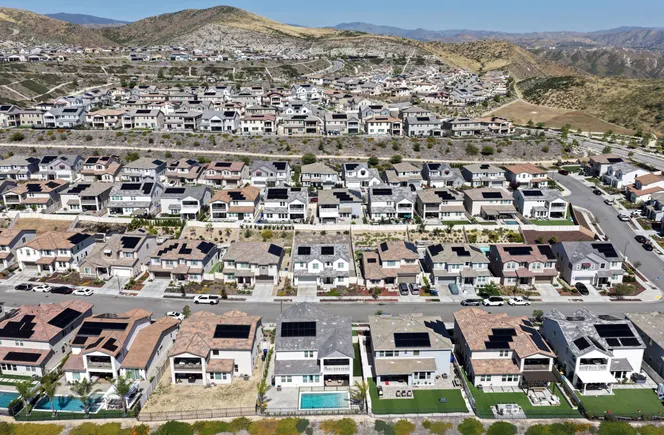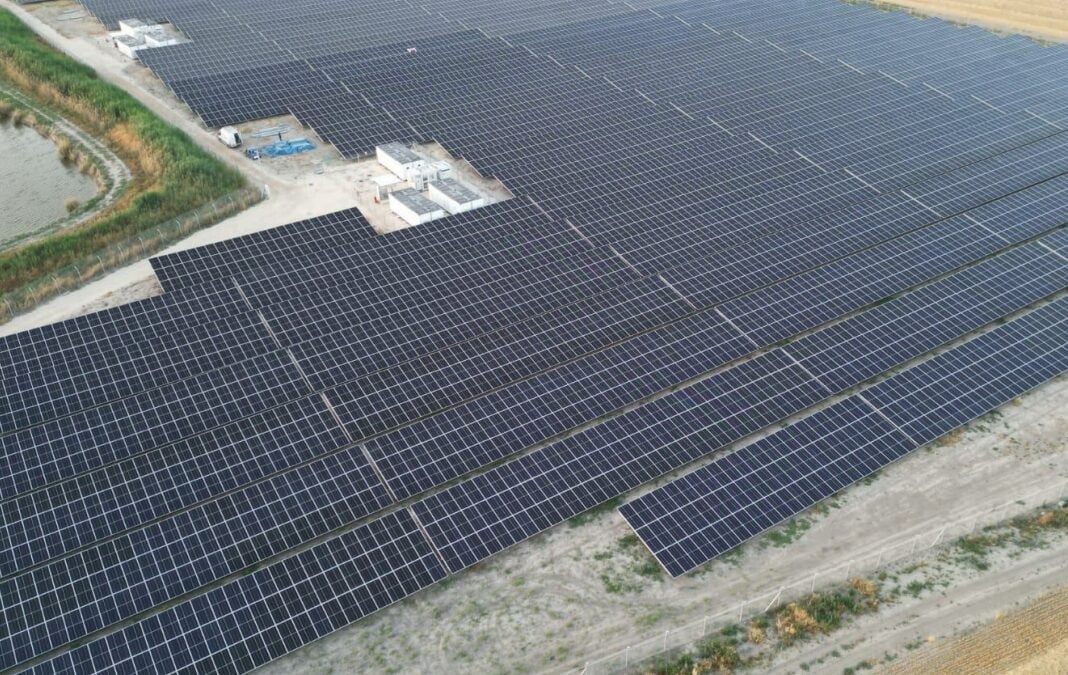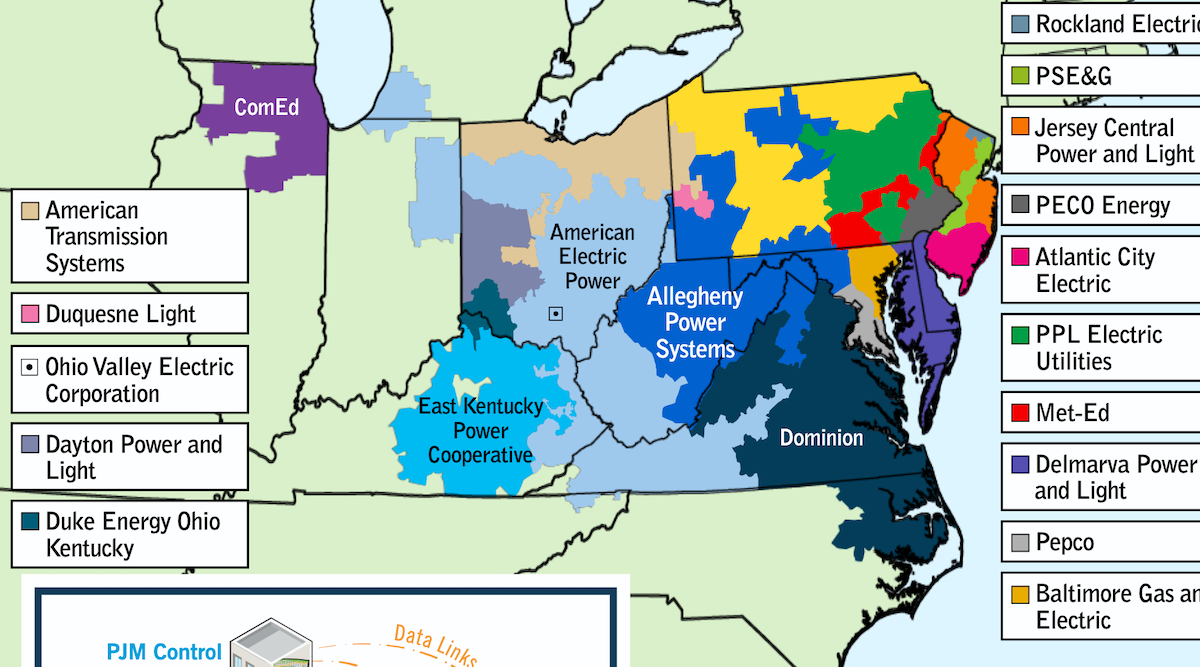
Signs of the momentum behind virtual power plants (VPPs) are everywhere. States including New Jersey, Virginia, and Illinois are advancing legislation and regulations designed to accelerate VPP adoption, hoping to seize the potential of aggregated and managed distributed energy resources (DERs) to simultaneously meet rapidly growing demand for electricity while tackling the challenge of quickly rising rates.
An increasing body of research underscores the potential benefits of VPPs. The U.S. Department of Energy, for example, concluded that tripling the capacity of VPPs to between 80 and 160 gigawatts by 2030 could address 10% to 20% of peak load and save nearly $10 billion annually in grid costs. While regulatory, policy, and utility support are important accelerators, a little-recognized, very-human roadblock could limit the scale and value of VPPs.
Simply put, many homeowners who could participate in VPP programs mistakenly believe they have DERs like battery storage or heat pumps when they don’t. This misunderstanding is a barrier to the success and scaling of VPPs. “I suspect that many homeowners who’ve recently purchased electric water heaters assume they have heat pump water heaters,” said Lee Ann Head, director of solution management for Franklin Energy, a company that designs and manages electrification, efficiency, and load-management programs for utilities. “I also suspect that a backup battery storage system could easily be misinterpreted to mean any of the various battery chargers people have lying around the house.”