It’s just a remote maintenance function, says Zbtlink
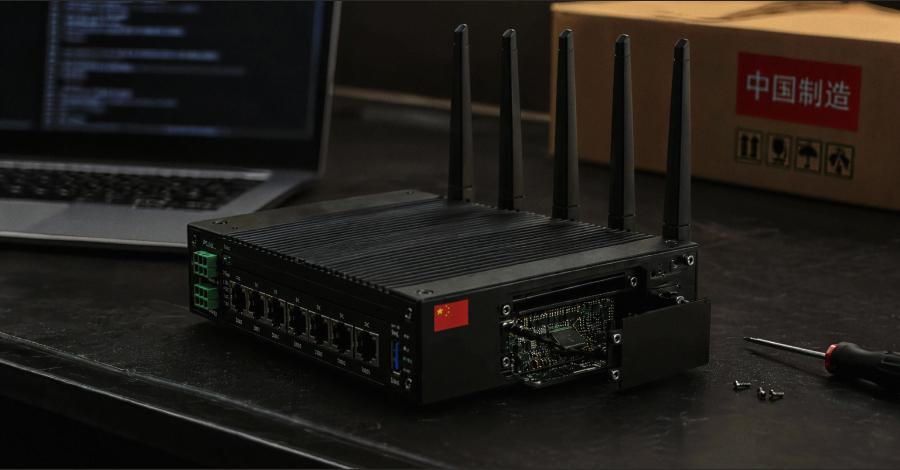
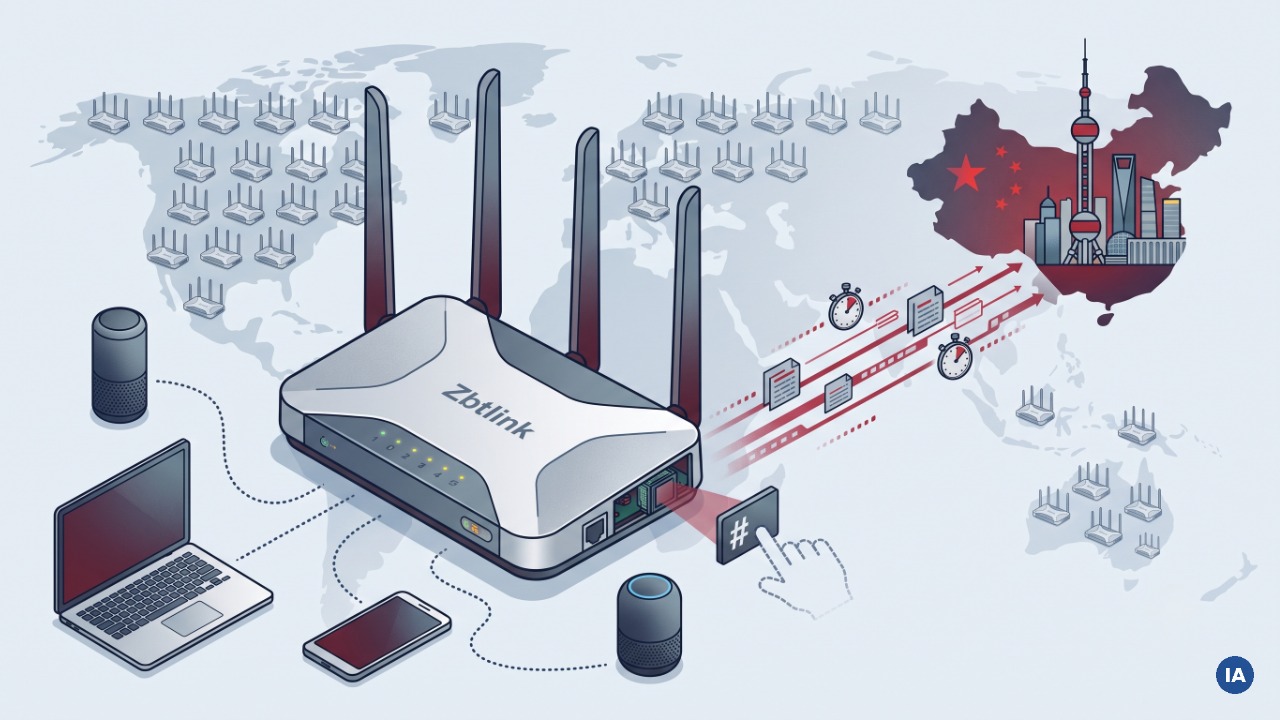
Chinese Wi-Fi router vendor Zbtlink has denied its products contain backdoors but paused firmware downloads while it fixes unspecified security vulnerabilities.The backdoor accusation came from VulnCheck, a provider of a threat intelligence platform.VulnCheck chief technology officer Jacob Baines posted the backdoor allegation on Wednesday and said the Zbtlink device on his desk “continuously attempts to reach a command and control server on the internet.”
“Zbtlink routers phone home, waiting for orders. Not because they were hacked. Because they were shipped that way.”
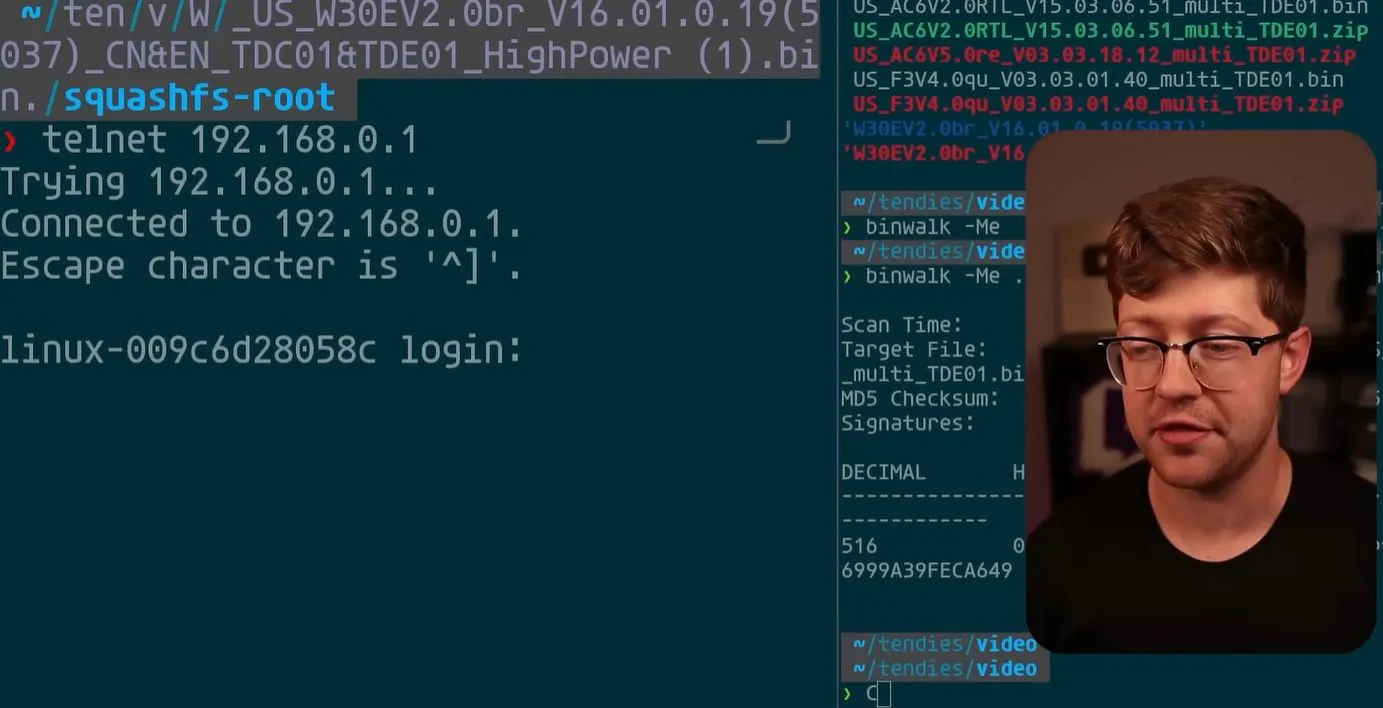
Baines named the backdoor “ENDLESSDOORS” and says it’s “a small tool called rctl (remote control linux). Uploaded to GitHub on January 14, 2015 and never touched again, this obscure repository implements a simple command and control client and server. The server listens on port 7000 for clients to connect. It can send the client individual shell commands or tell the client to spawn a reverse bash shell.”
The CTO says he spotted the alleged backdoor running in dedicated Linux kernel threads. “They are ordinary userland processes running as root, with real memory footprints, named to disappear into a crowd of legitimate ones,” he wrote.“They are an implant, a phone-home trojan horse.”“There is no handshake, no key exchange, no negotiation,” Baines added. “When the implant reaches a server, it sends a fixed 39-byte hello: a 33-byte class label padded with nulls, then its LAN MAC address. That's the whole registration. There is no client or server verification.”“Anyone along the network path can hijack the client/server communication,” the CTO wrote, adding that anyone who controls one of the endpoints the software targets – rbdg4nzqadui[.]wikaba[.]com – “can control any ENDLESSDOORS implant that tries to phone home.”The Register asked Zbtlink to comment and a spokesperson told us VulnCheck has mischaracterized the code it found.“This feature is solely intended for after‑sales maintenance and serves no other purposes,” the company rep told The Register. “It is generally retained only on sample units to assist customers with software debugging and will not be included in mass‑production shipments.”That explanation didn’t seem entirely credible once The Register visited Zbtlink’s download page to check Baines’ claim that the firmware for over 20 router models contains the backdoor, because the page contained the following text: