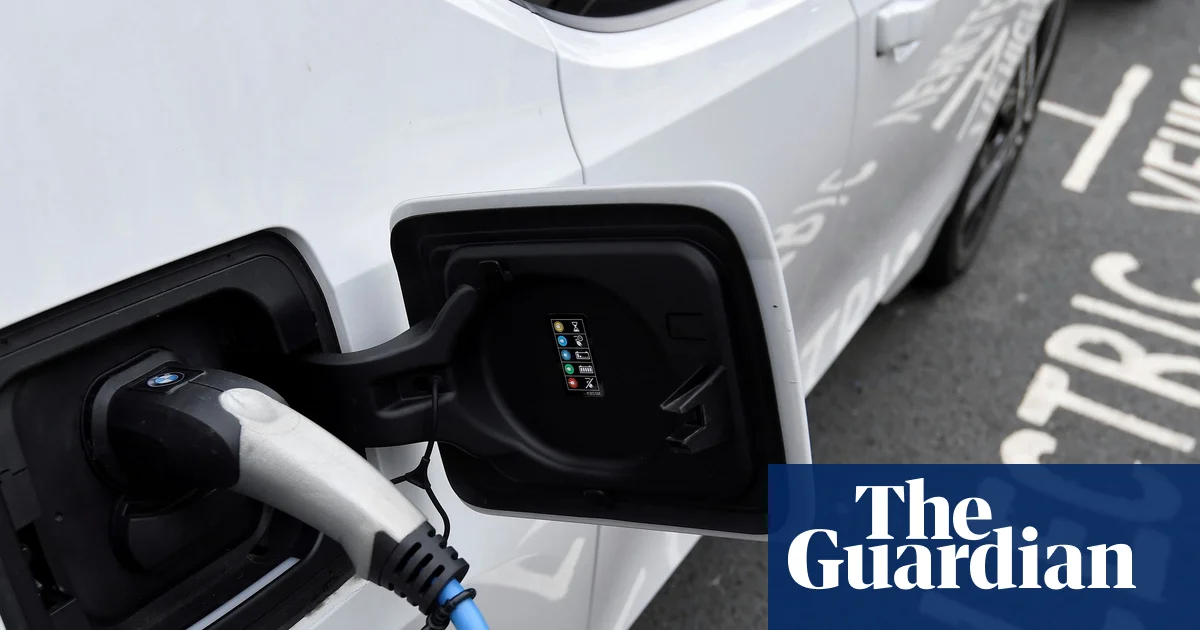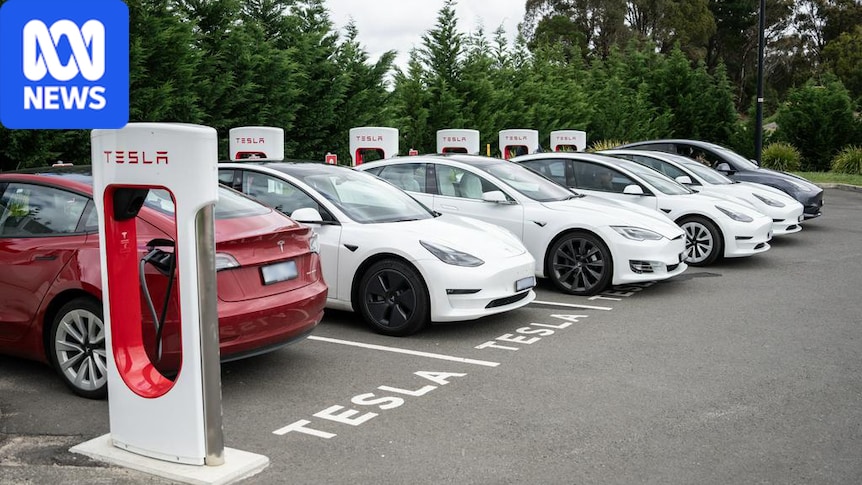
Rapid spikes in petrol and diesel costs drove a surge in demand for electric vehicle grants earlier this spring, internal Government documents show. Officials told Minister for Transport Darragh O’Brien in May that demand for the electric vehicle purchase grant scheme doubled last April compared with the same month in 2025. This came against the backdrop of already-growing levels of demand, with an increase of 40 per cent in the first three months of the year. But officials noted that there had been another surge in interest for the grant – worth up to €3,500 – “since the war in Iran and the associated fossil fuel pricing and supply challenges”. In response, the government took €30 million from the Climate Action Fund to ensure the pot of money for EV grants did not run dry – which was projected to happen in June or July if another allocation was not made. A spokesman for the Department of Transport said that in the first seven months of this year, 53,149 electric cars have been registered, equivalent to a 41 per cent year-on-year increase.Officials from the zero-emission vehicles Ireland office in the department said increased demand for the grant reflected buoyancy in the market, the expansion of charging infrastructure and “a response to pressures on fossil-fuel supply arising from the war in Iran”.“This places significant pressures on budgets as the scheme is demand led,” they wrote. By April, some €44 million of the budget for 2026 had been committed by the Sustainable Energy Authority of Ireland (SEAI), representing two-thirds of the full-year allocation within the first quarter of 2026.[ Electric vehicles claim top spot in Irish new car marketOpens in new window ]Failing to allocate extra money, the officials warned, would mean the scheme would close to new applications, introducing a “significant chilling effect and uncertainty into the EV market”. Staying within the allocated budget would mean dropping the price cap for eligible vehicles to €40,000 and reducing the grant to €2,500, which it said would have a “freezing effect” on the uptake of EVs and result in a “severe loss of emissions savings”. Given the popularity of the scheme, the department introduced some measures last month to bring spending more under control – including reducing the eligible vehicle price cap from €60,000 to €50,000. According to data supplied to the department by the SEAI, 40 per cent of the grants were paid out for cars valued between €50,000 and €60,000. By restricting access to the grants for cars at the higher end of the market, it expected total grant expenditure for 2027 would be €67.7 million, even with an increase of 30 per cent in grants approved. The allocation was made for 2026 only as the department could not find funding from its resources – and neither could it find extra funds from elsewhere to bolster the scheme. The size of the EV market in Ireland has grown in recent years, and the rate of battery electric vehicle registrations for 2026 was 21.5 per cent at the time the decision was taken, alongside 14 per cent for plug-in hybrid EVs. O’Brien was told the electrification of transport was one of the single biggest mitigation measures in the Climate Action Plan, and accounts for mitigation of 60 per cent of all transport-related emissions. Alongside the extra money for the existing grant scheme, the department allocated another €10 million from the Climate Action Fund for a pilot scrappage scheme to incentivise the permanent removal of older, higher-polluting vehicles.This gave a scrappage incentive of €5,000 for applicants disposing of a petrol or diesel car more than 13 years old, with 65 per cent of the funding ring-fenced for applicants outside the five major cities.
Demand for electric vehicle grants surges in wake of fuel price increases
Demand for grant scheme doubled in April compared with same month in 2025
620 words~3 min read