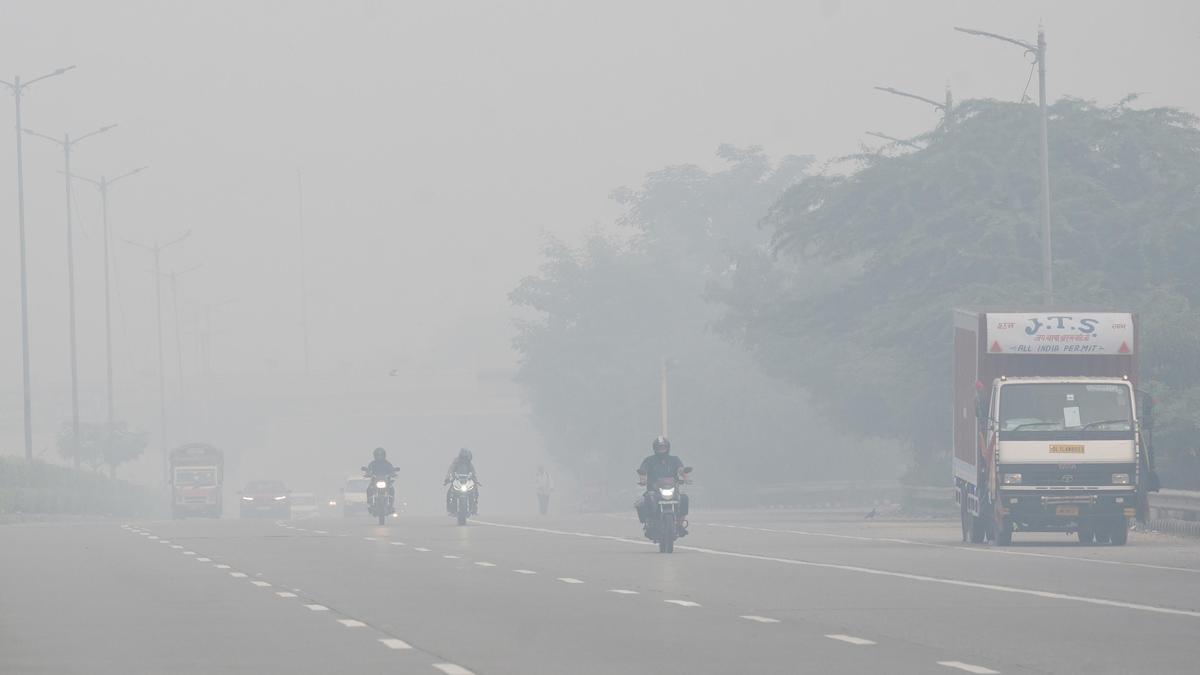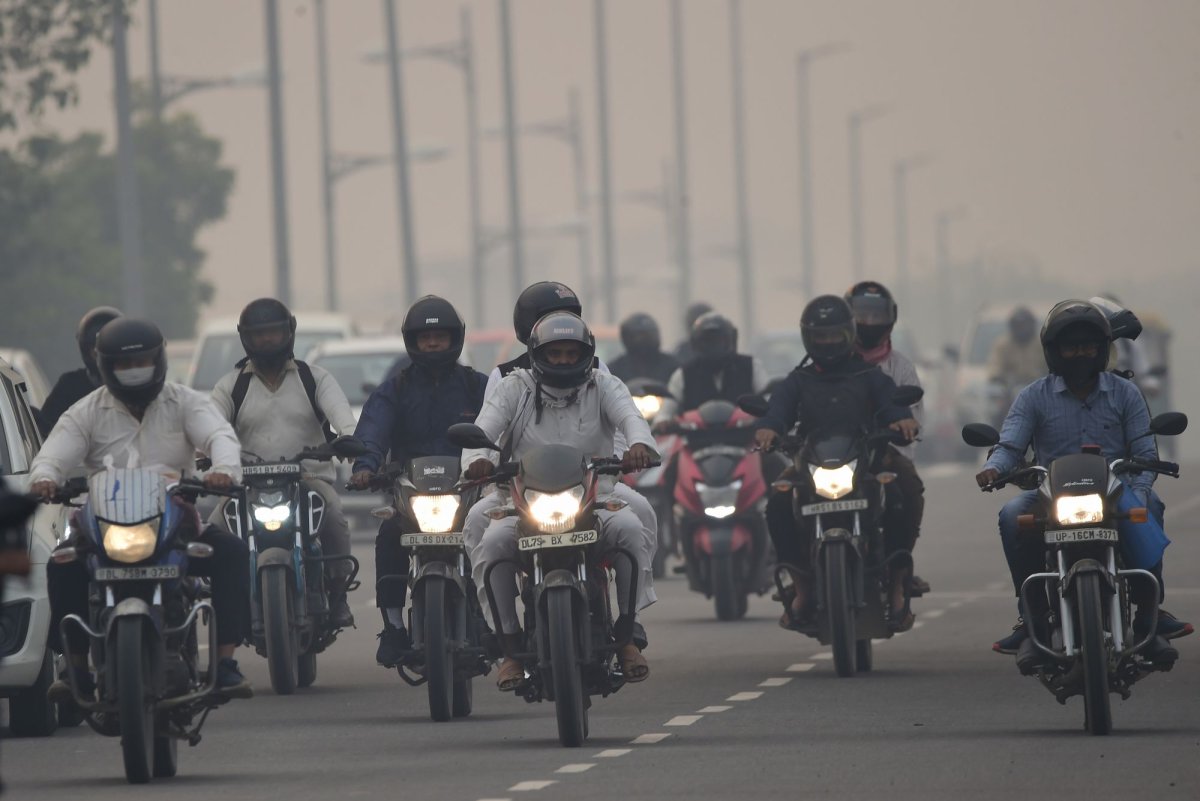
Air pollution may make rheumatoid arthritis more active and increase the likelihood of painful flare-ups, according to a new study. The strongest connection involved fine particulate matter found in dust, soot, and smoke (PM2.5).
Published in the Annals of the Rheumatic Diseases (ARD), The EULAR Journal, by Elsevier, the findings suggest that air quality may be an important consideration for both healthcare professionals treating rheumatoid arthritis and policymakers working to protect public health.
Environmental Factors in Rheumatoid Arthritis
Rheumatoid arthritis, commonly known as RA, is a chronic autoimmune condition that causes inflammation and damage in the joints. It can also produce widespread symptoms that affect other areas of the body.
The disease affects an estimated 0.5% to 1% of adults worldwide. Its development is influenced by a combination of genetics, changes in immune function, and environmental exposures. Some of these environmental influences may contribute not only to the initial development of RA, but also to worsening symptoms after the disease has been diagnosed.