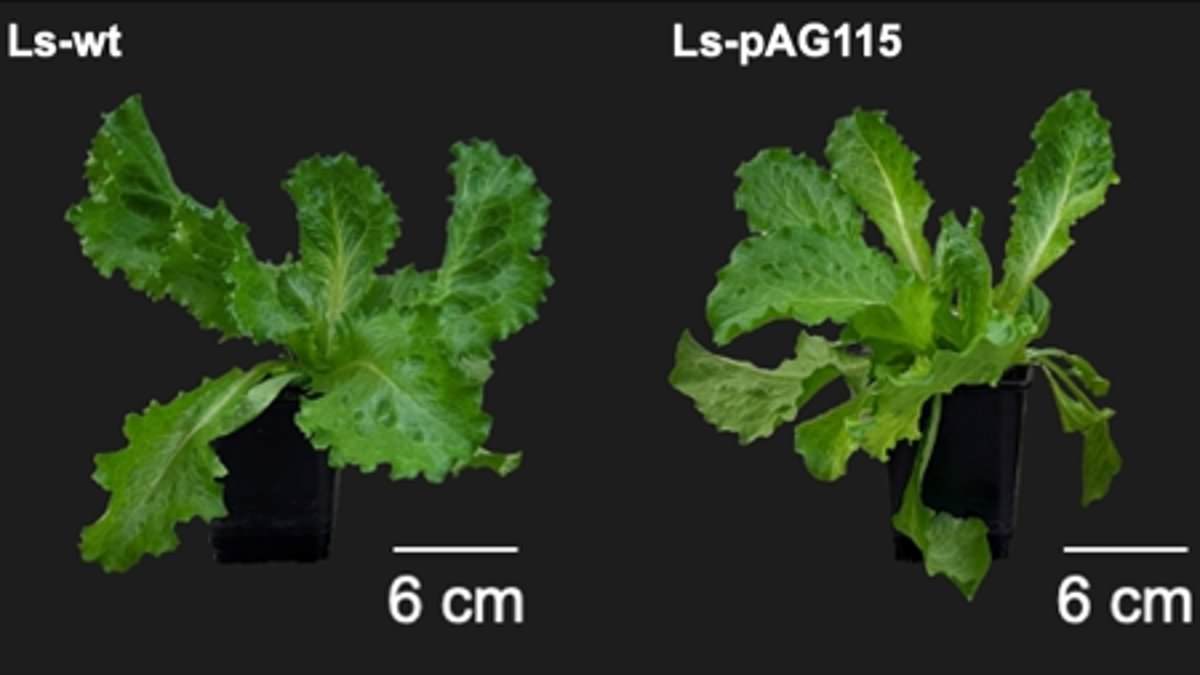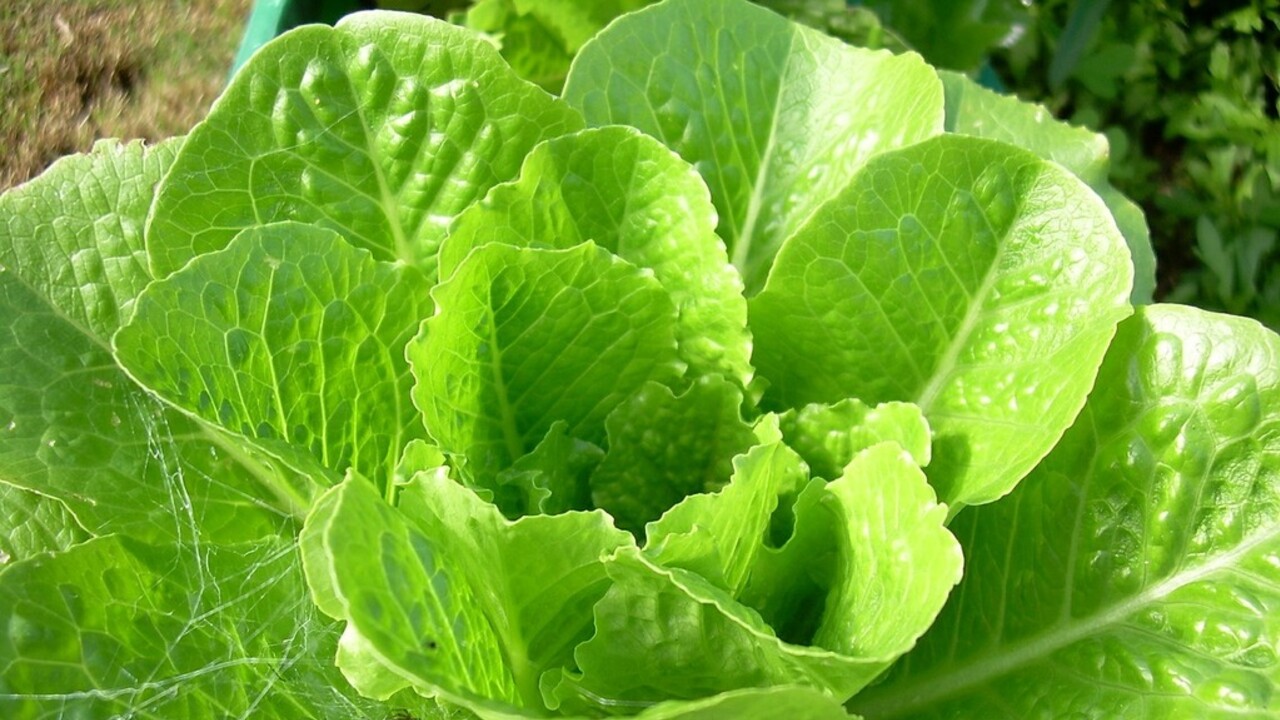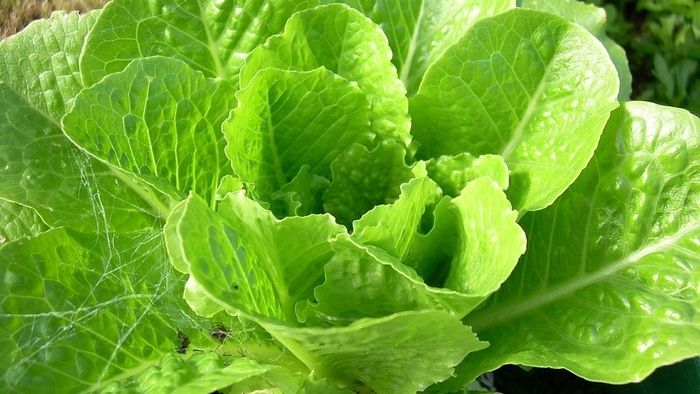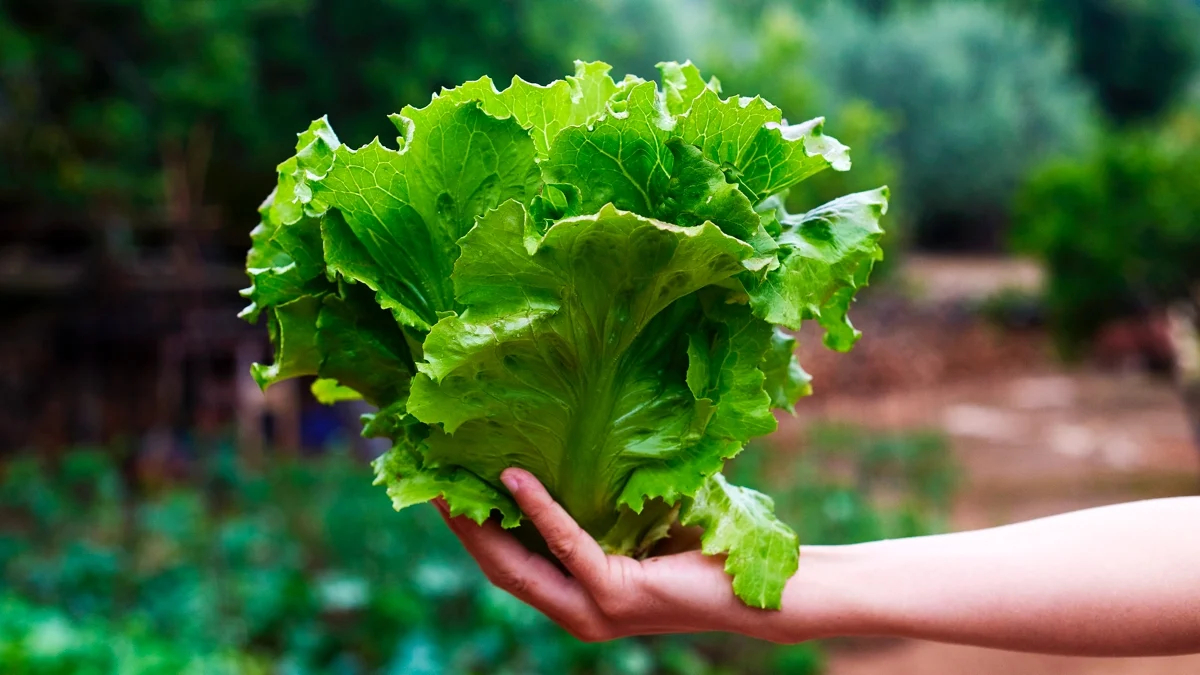
Eating meat is consistently shown to be one of the worst things we can do for the environment as consumers, due to the outsized negative impacts animal agriculture has on land, water and energy use, and greenhouse gas emissions.Despite this, people all over the world continue to eat meat, due to taste preferences, cultural habits, or for the nutritional benefits it can provide.But what if there were a way to get some of the flavor or protein of meat in plants grown in soil?In research published in Frontiers in Plant Science, scientists achieved that very thing, genetically engineering lettuce and tobacco plants to grow the animal protein myoglobin."Our study demonstrates, for the first time, that higher plants can stably produce myoglobin, one of the key proteins responsible for many of meat's desirable properties," first author Alexia Groff, a plant biotechnology researcher at Imperial College London, told ScienceAlert."This is very relevant at a time when the demand for sustainable food production platforms is greater than ever."Comparisons of lettuce in the experiment, with wild-type (natural) lettuce on the left in each photo, and engineered forms on the right. (Groff et al., Front. Plant Sci., 2026)In their study, Groff and fellow researchers used a technique called biolistic transformation, using a 'gene gun' to bombard the chloroplasts of lettuce (Lactuca sativa) and tobacco (Nicotiana tabacum) seedlings with optimized versions of pig myoglobin genes.After confirming the DNA had been correctly inserted, the plants were grown to adulthood and produced seed, and tests showed the transgene was passed on to their offspring."One of the biggest surprises was how well the plants tolerated myoglobin production," Groff said."Although myoglobin binds heme, an important molecule involved in many aspects of plant metabolism, the transformed plants remained healthy, fertile, and showed no significant impairment of photosynthesis."
A Key Meat Protein Has Been Grown in Lettuce For The First Time
Eating meat is consistently shown to be one of the worst things we can do for the environment as consumers, due to the outsized negative impacts animal agriculture has on land, water and energy use, and greenhouse gas emissions.
669 words~3 min read