Academia
The global tax system has repeatedly put corporate interests ahead of people and the planet by allowing multinationals to transfer profits to tax havens. If adopted, the proposed UN Tax Convention would overturn the century-old rules that make this possible.
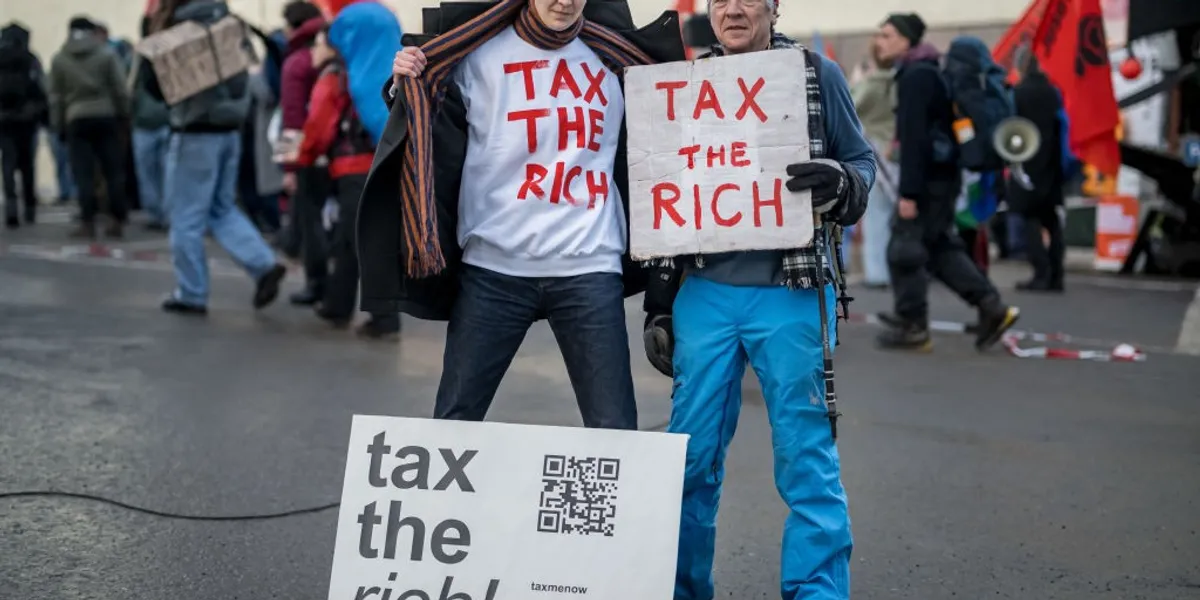
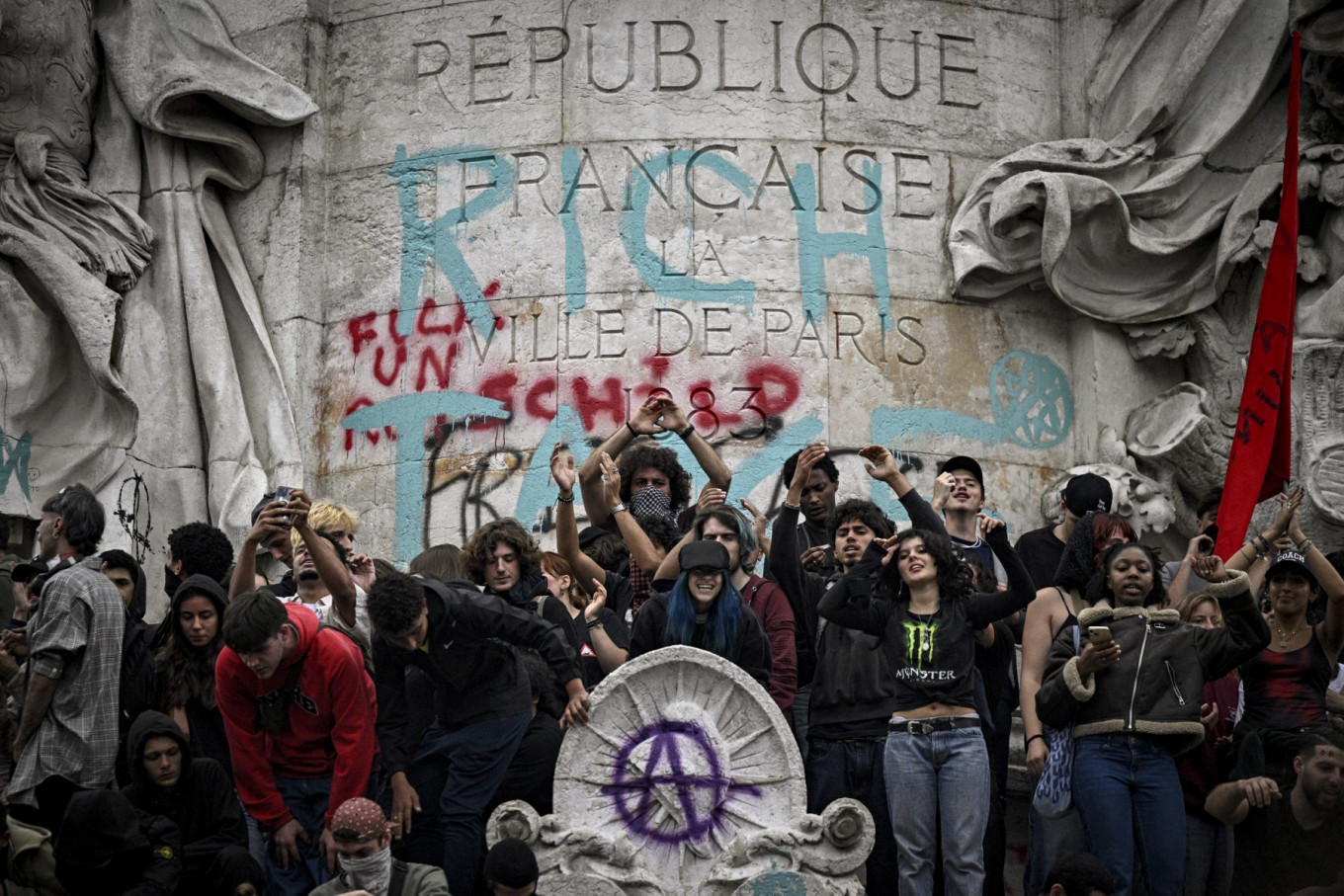
Protesters gather before a monument with graffiti that reads “tax the rich” on Sept. 10, 2025, during a rally held as part of the “Bloquons tout“ (Let's block everything) protest movement at Place de la République in Paris. (AFP/Julien de Rosa)
This week, delegates from around the world will gather in New York to negotiate the proposed United Nations Framework Convention on International Tax Cooperation, a landmark agreement aimed at making global tax cooperation more inclusive and effective. If adopted, the convention would represent the most consequential overhaul of the global tax system in nearly a century, fundamentally changing how countries tax multinational corporations and potentially the world’s wealthiest individuals.New research by the global union federation Public Services International (PSI) and the Tax Justice Network underscores the urgent need to reform the international tax system. Drawing on publicly available country-by-country reporting data, it estimates that governments could collect an additional US$500 billion in corporate tax each year by replacing today’s “pay where you say” system with a “pay where you play” approach.