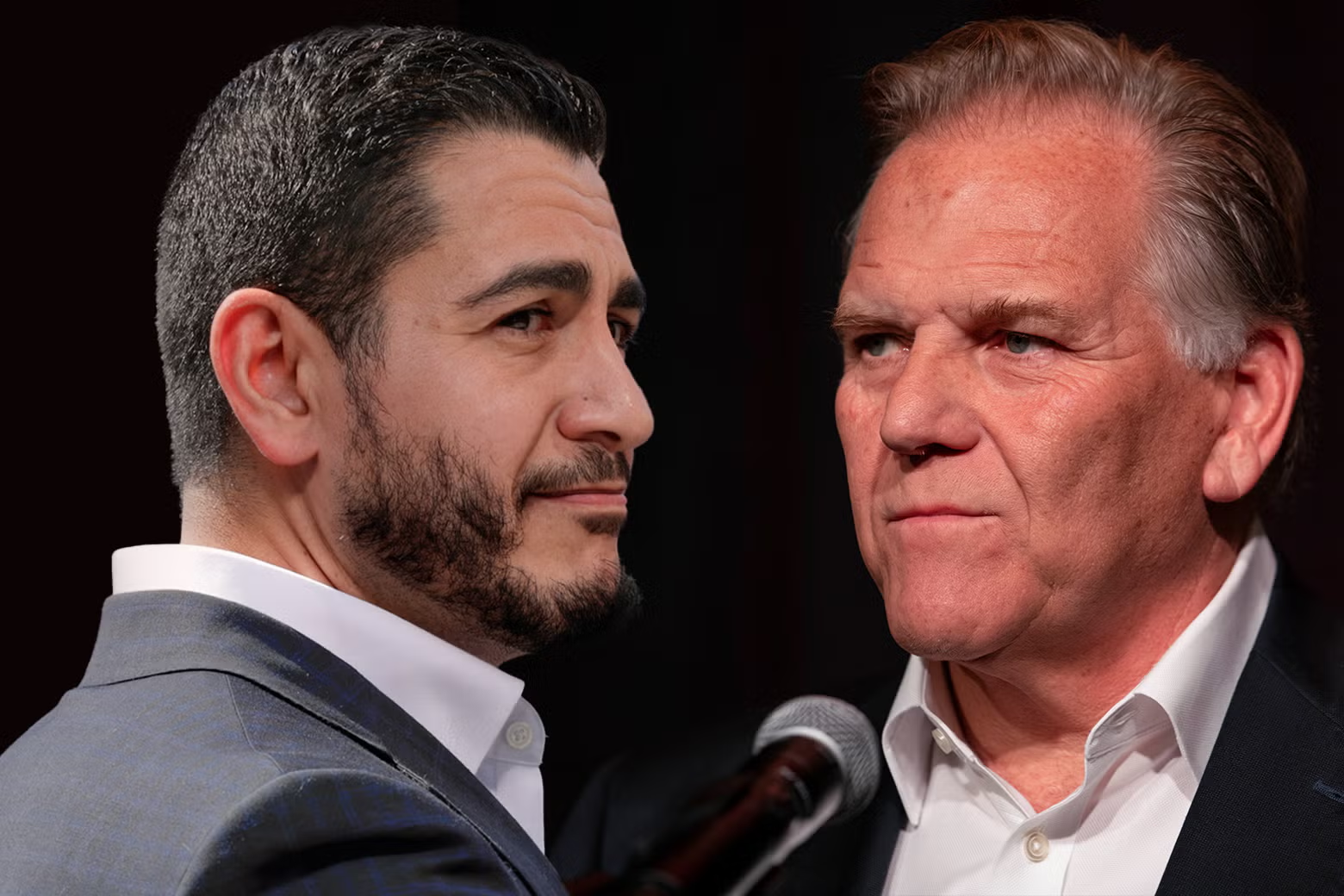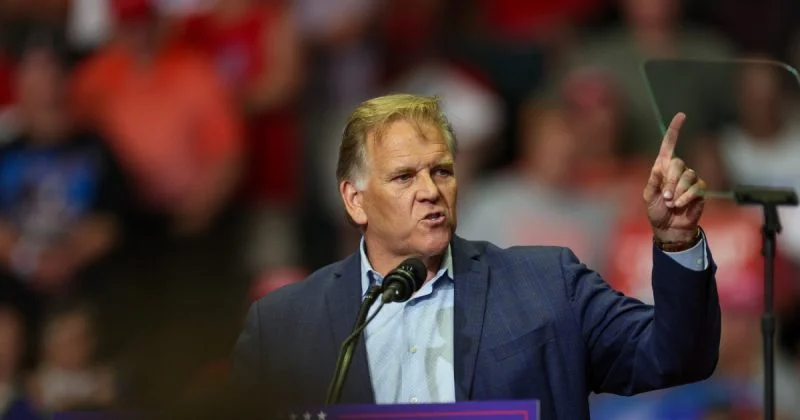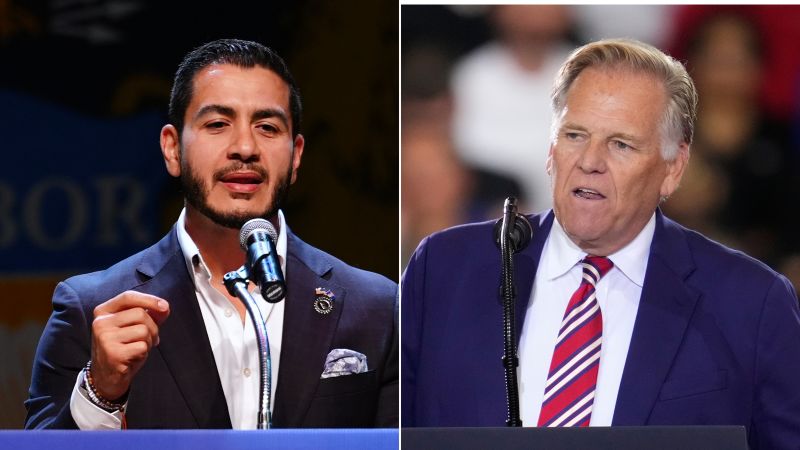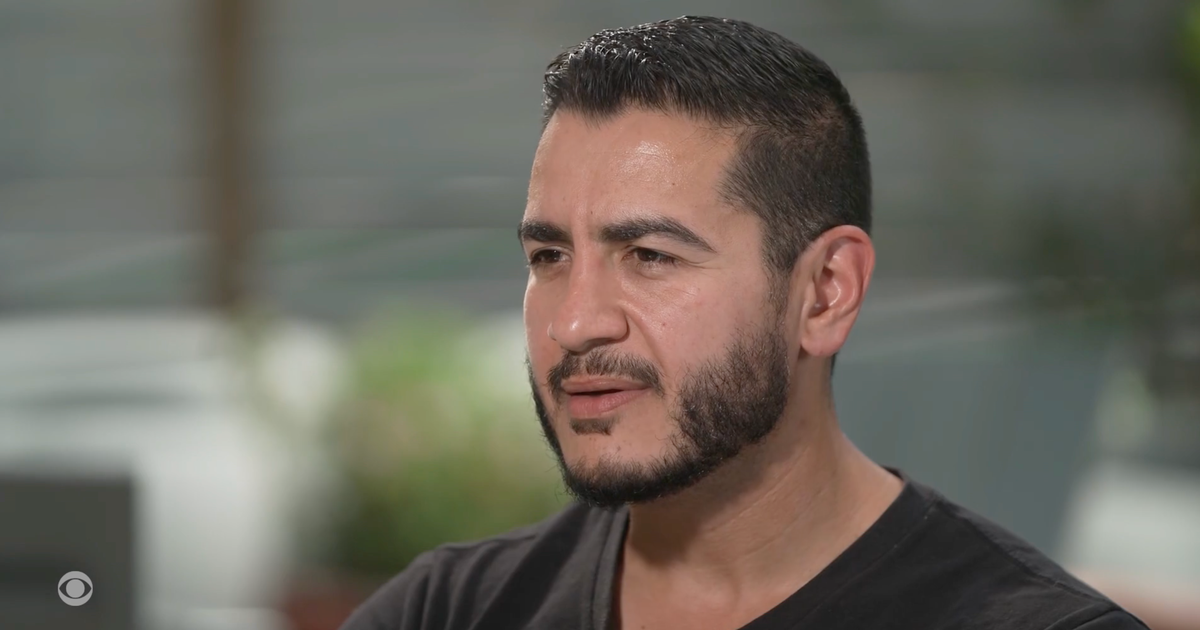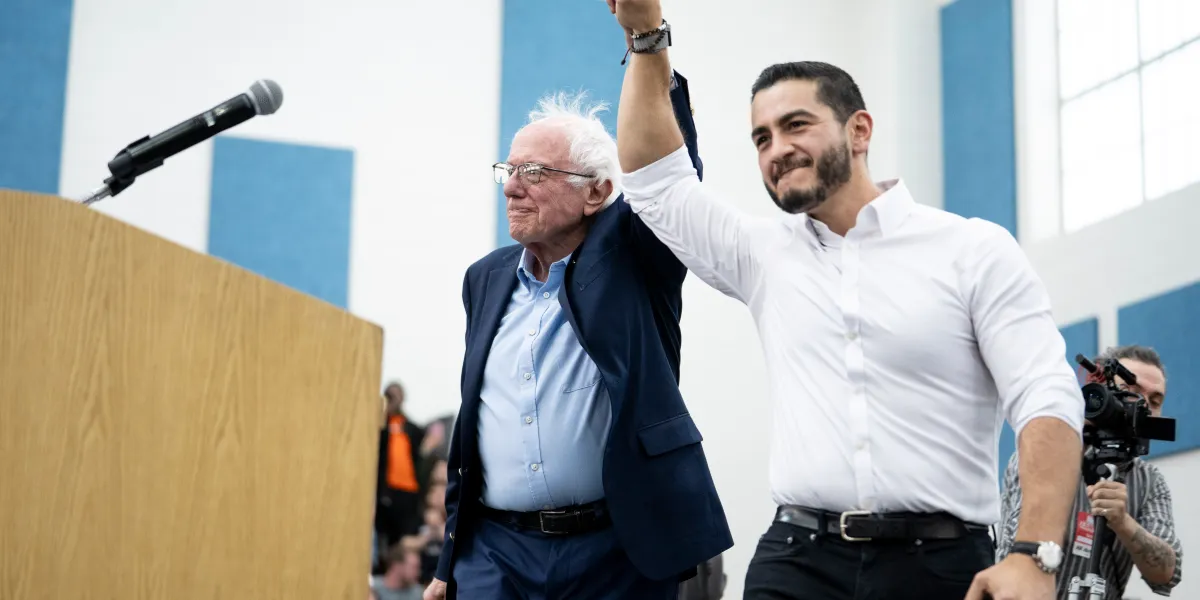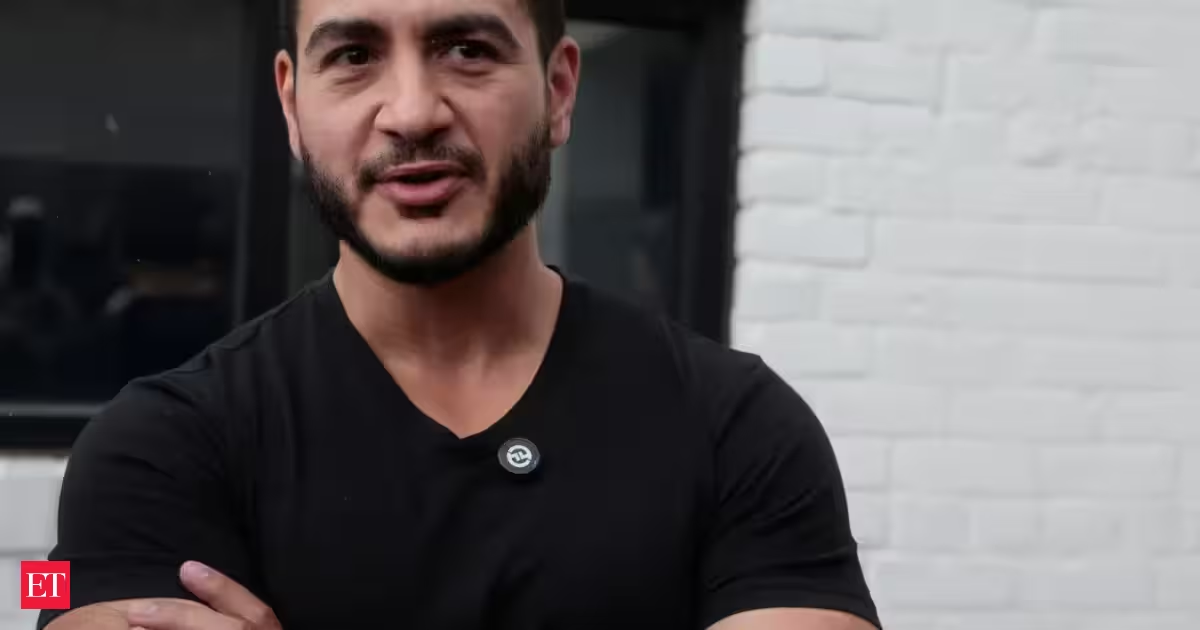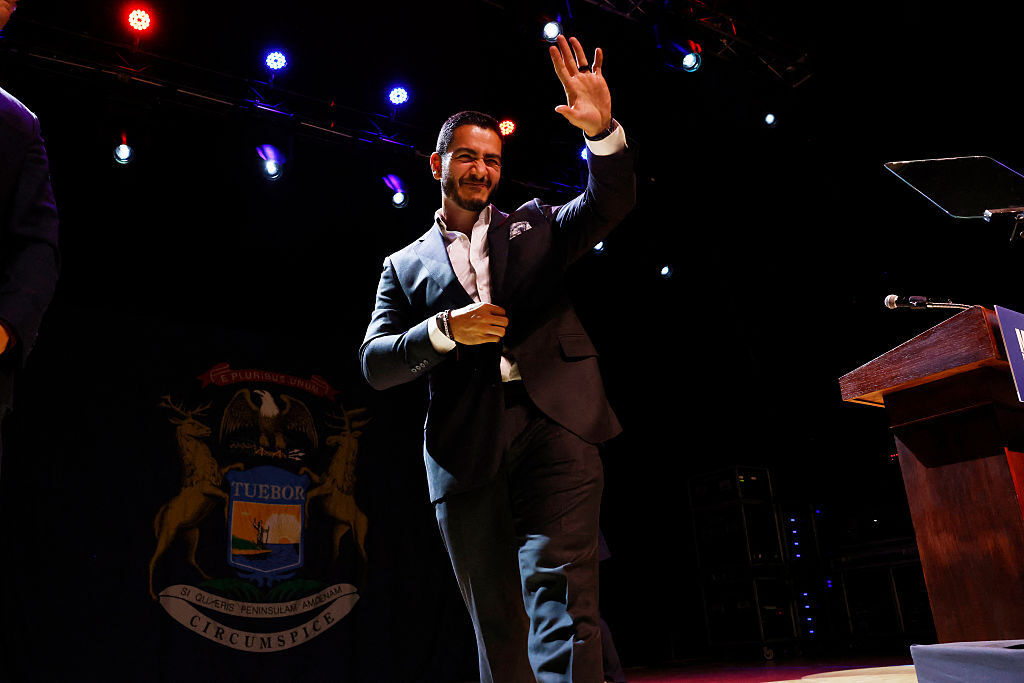
Could Mike Rogers have asked for a better outcome in the Michigan Democratic Senate primary? Doubtful. A photo finish campaign with one of the most extreme Democratic candidates squeaking out the narrowest of wins over an opponent supported by most of the party’s establishment.
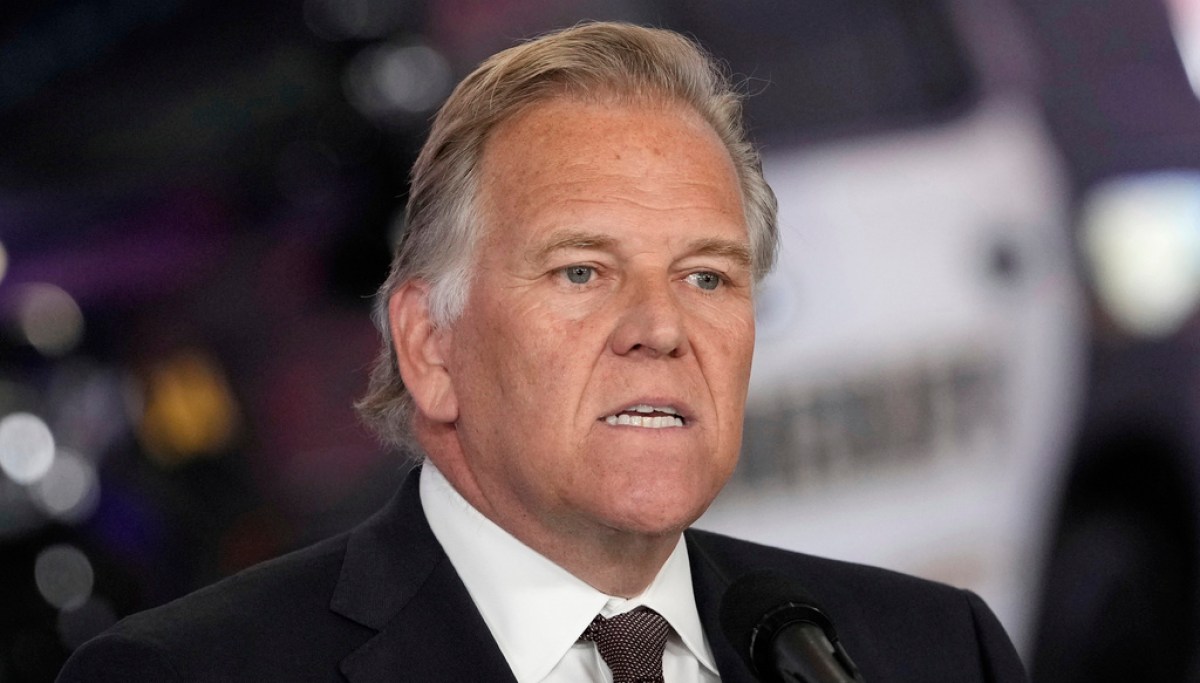
State and national Democratic leadership will, no doubt, gather together for a unity photo-op to allay fears of post-primary divisions and turn their efforts to beating Rogers, a centrist Republican who came razor close to beating now-sitting Sen. Elissa Slotkin in 2024.
But defeating Rogers this time around, with a controversial candidate like Abdul El-Sayed, is likely to be a tougher climb, with El-Sayed underperforming polling numbers leading up to the election.
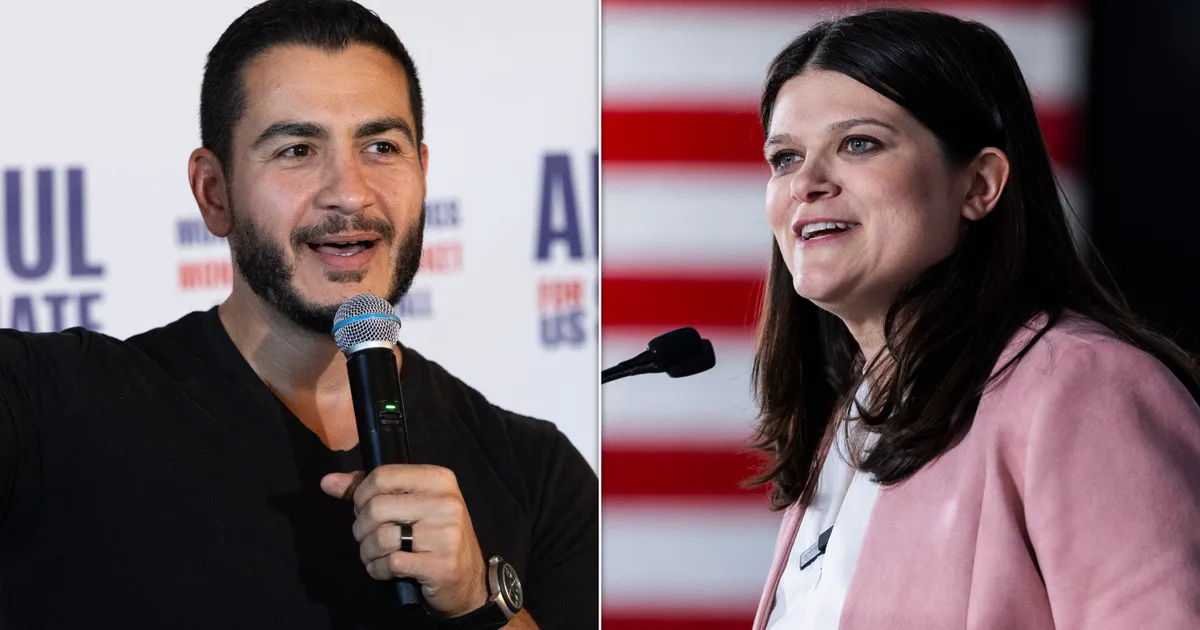
The Real Clear Politics polling average gave El-Sayed a 10.2 percent lead on Election Day. It wasn’t until 10 a.m. the following morning, with about 99 percent of the votes counted, that the race was finally called by the media. El-Sayed had won but with an extremely narrow and surprising 48.5 to 47.5 percent lead over Haley Stevens.
Interestingly, Mallory McMorrow, despite withdrawing from the race a month before, garnered 4 percent of the vote, which was large enough to be a decisive element in the race. In terms of actual votes, El-Sayed was leading by roughly 15,000 out of over 1.5 million votes cast; Morrow won more than 61,000 votes.