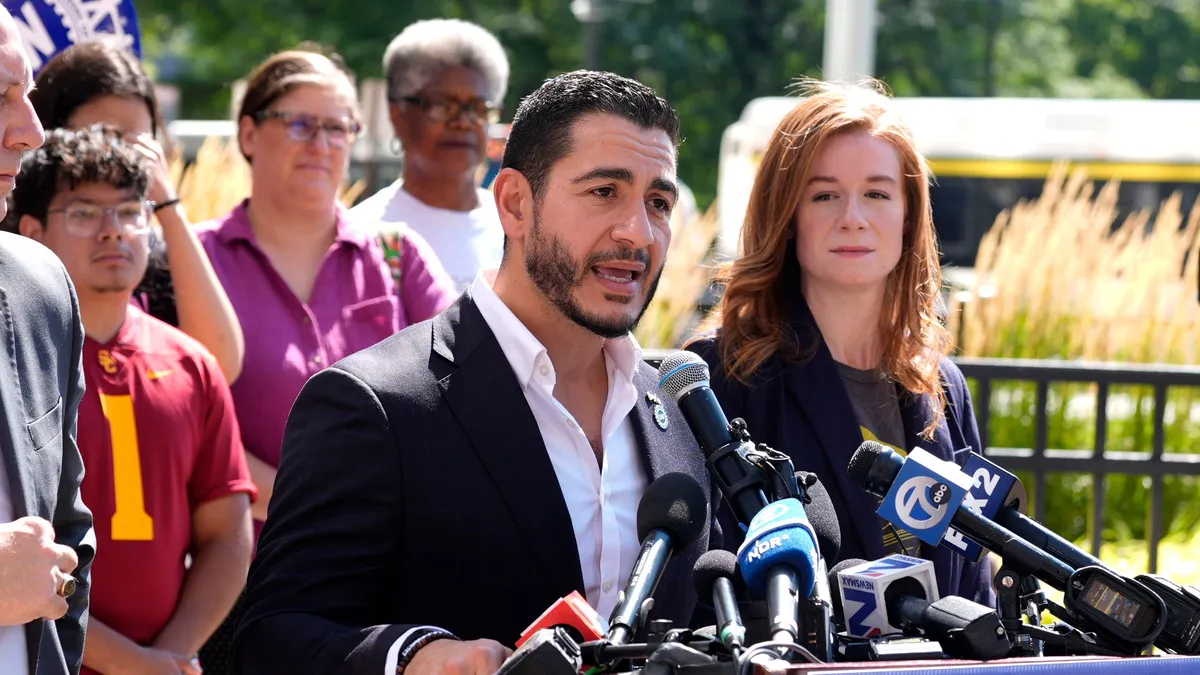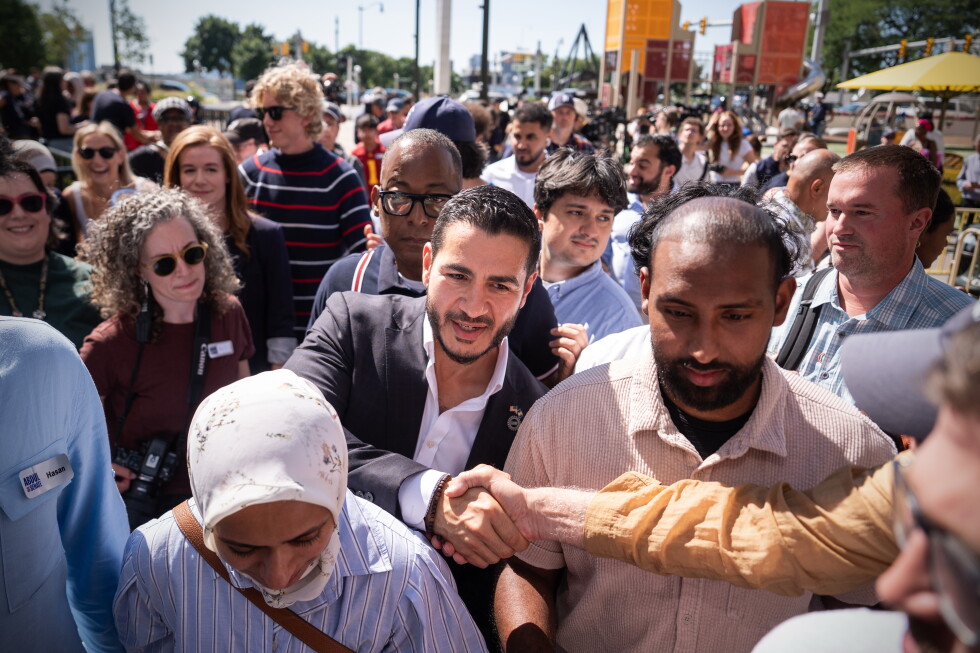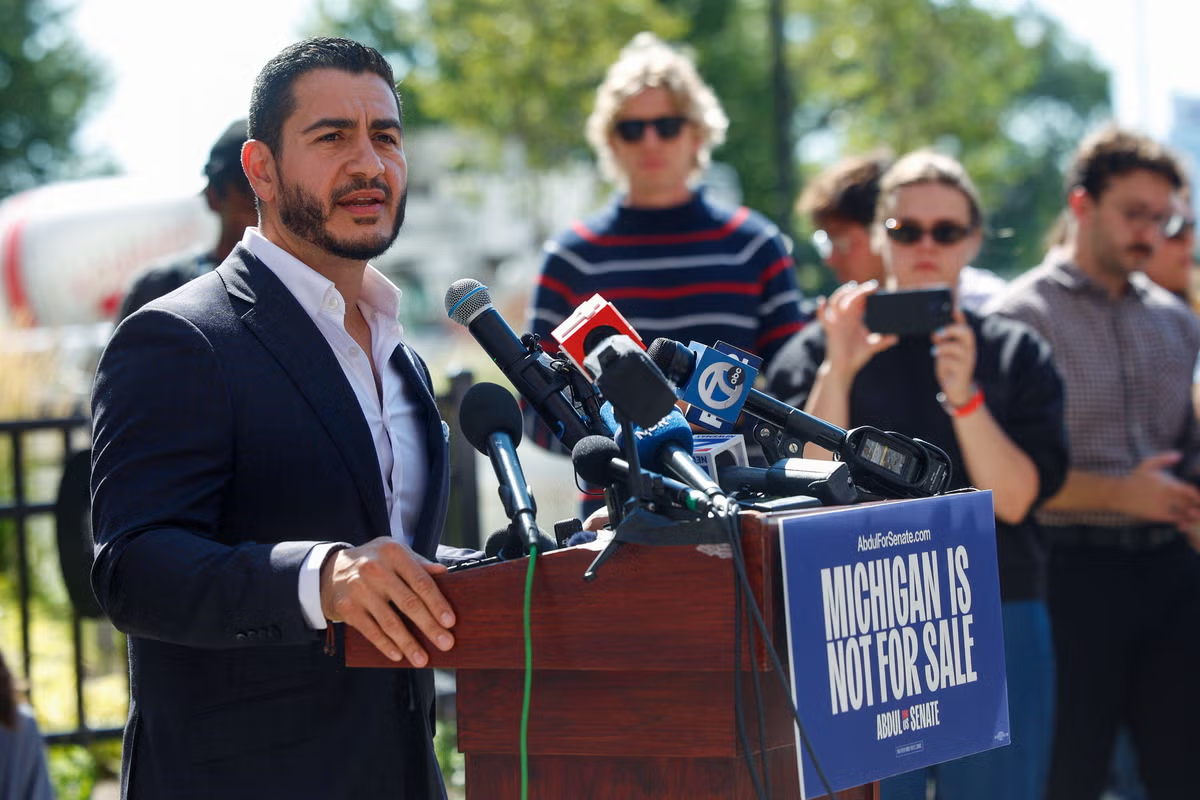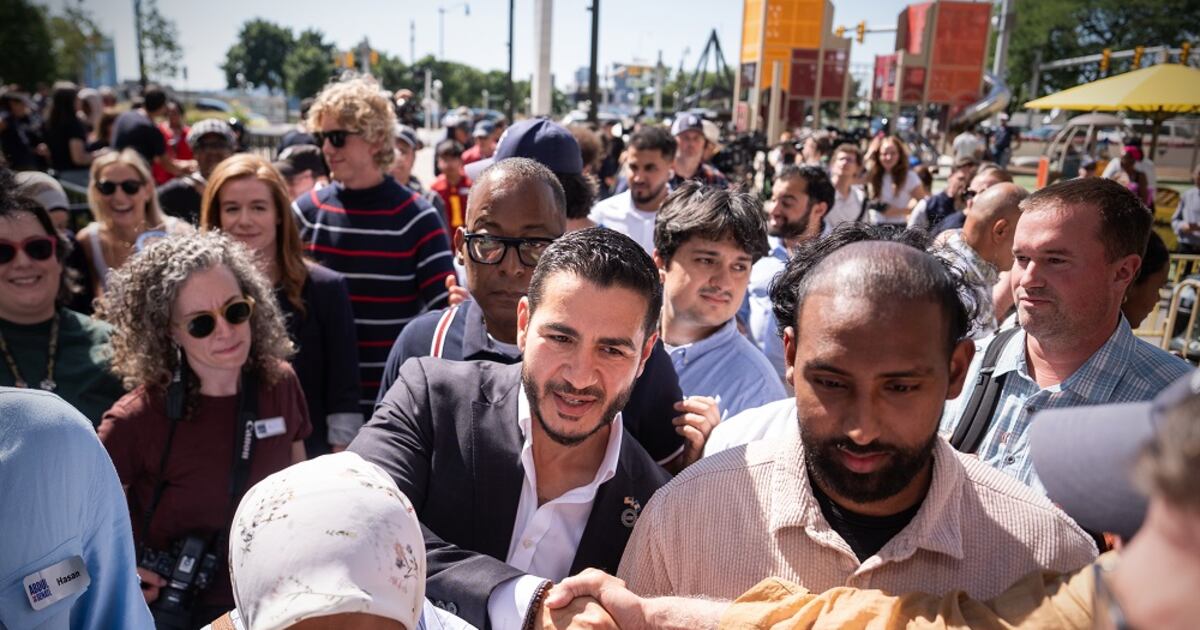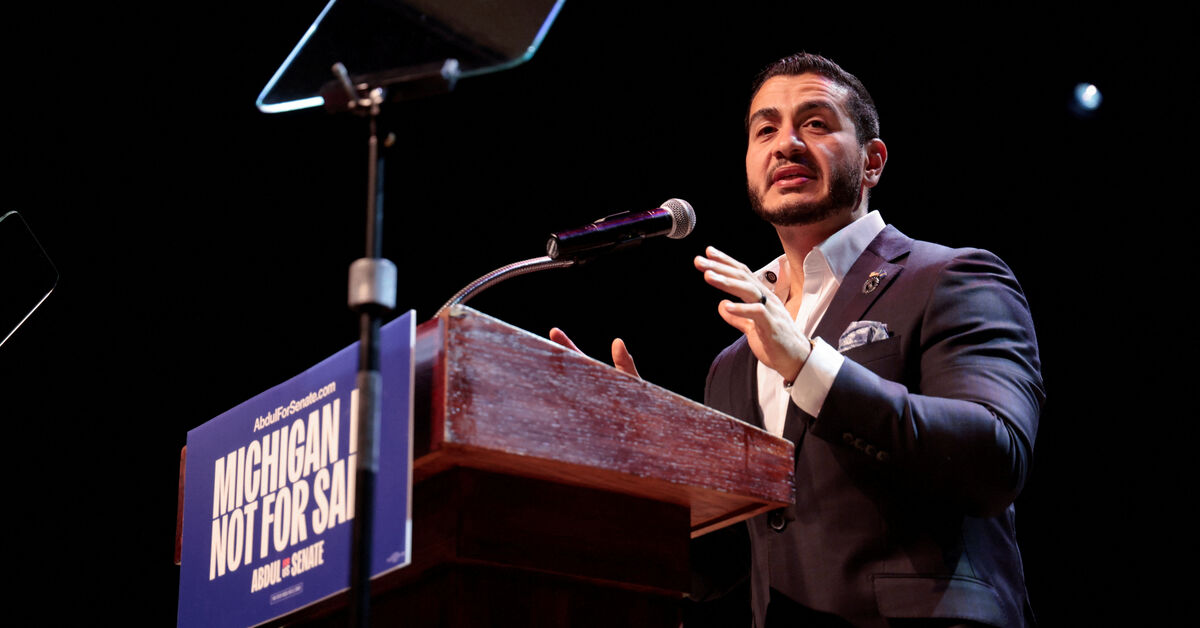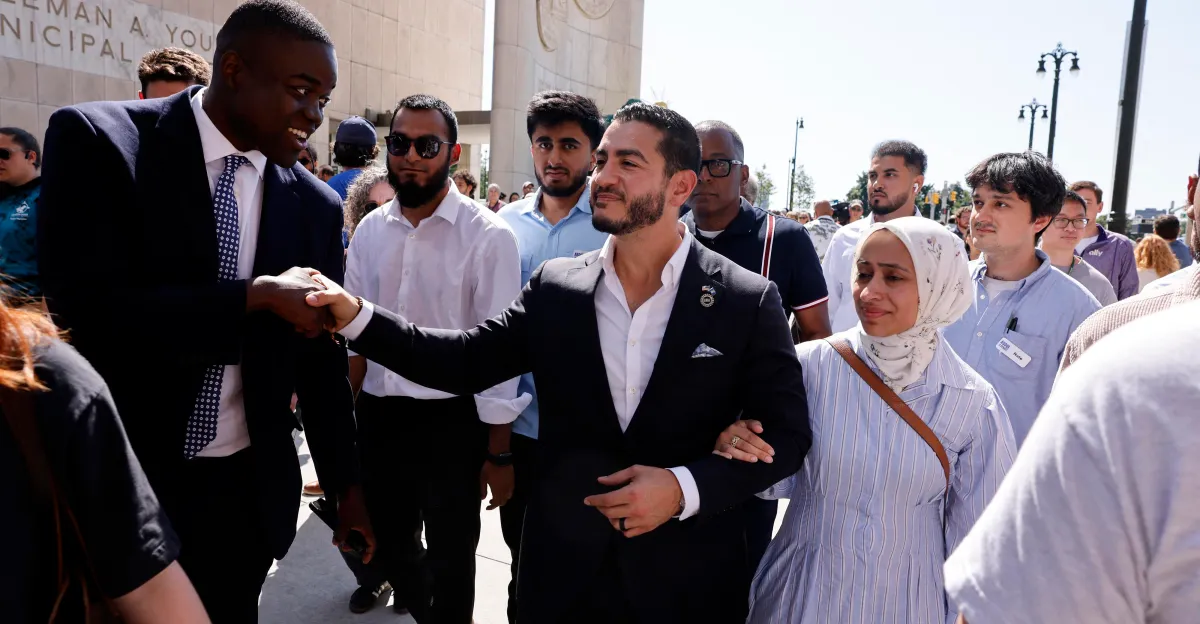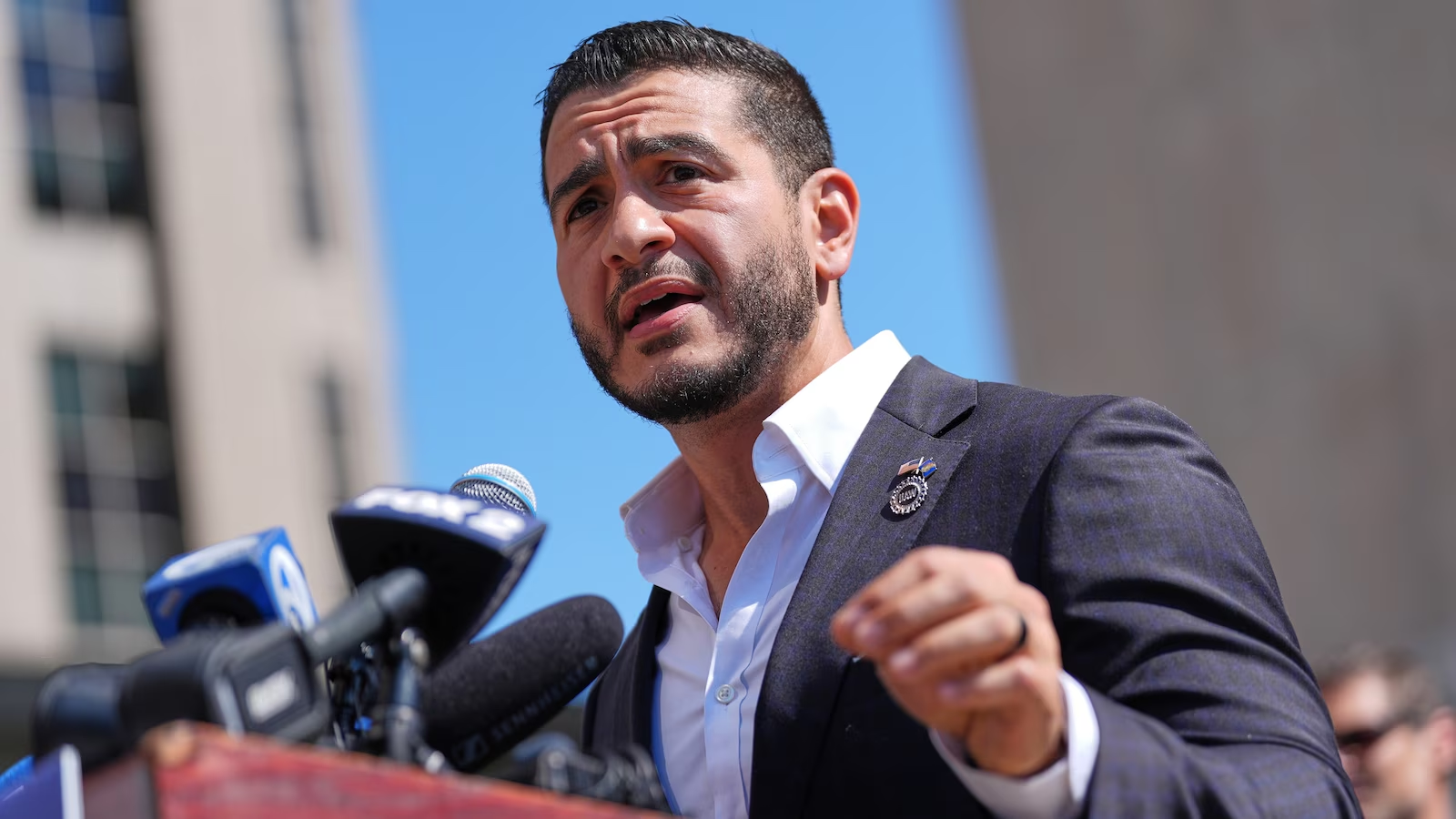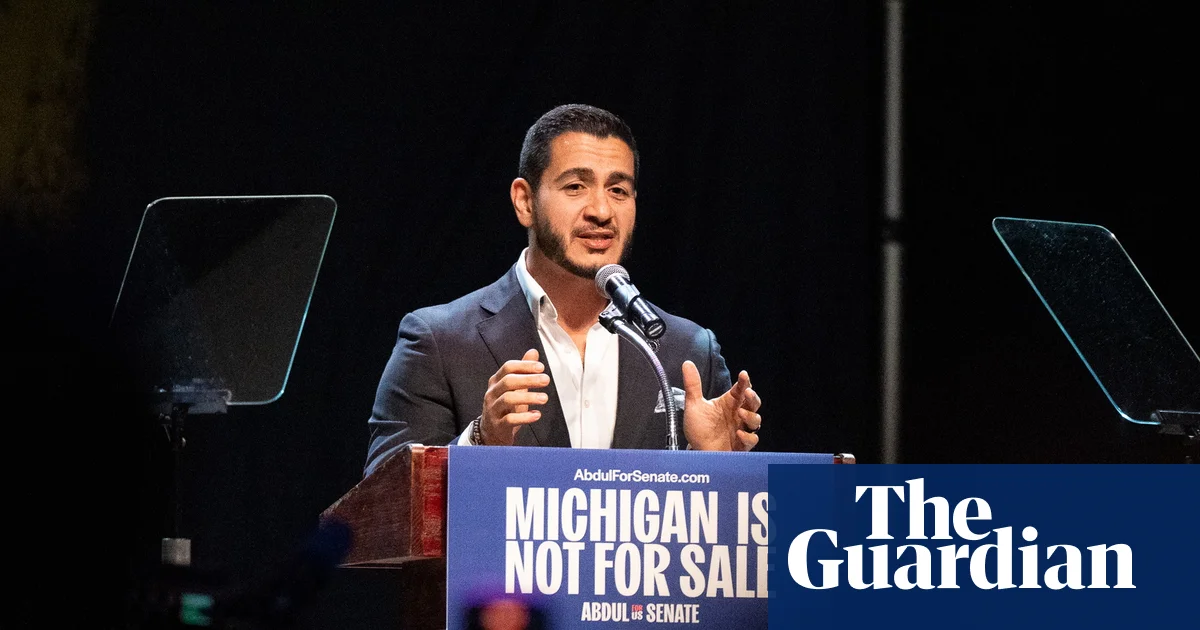
El-Sayed will face Republican Mike Rogers, a former congressman, in November in a race that will help determine control of the Senate. His first challenge will be unifying Democratic factions after a bitter primary that offered divergent visions for a party desperate for a path back to power.
The margin was extraordinarily close. El-Sayed walked off the stage at his Tuesday night election party without declaring victory, and the race was not called until early Wednesday, after nearly all ballots statewide had been counted. At the time The Associated Press declared him the winner, El-Sayed led Stevens by 14,893 votes — just under 1 percentage point — out of more than 1.5 million ballots counted, the most in recent state history.
The political significance of the result, however, extends well beyond the slim margin.
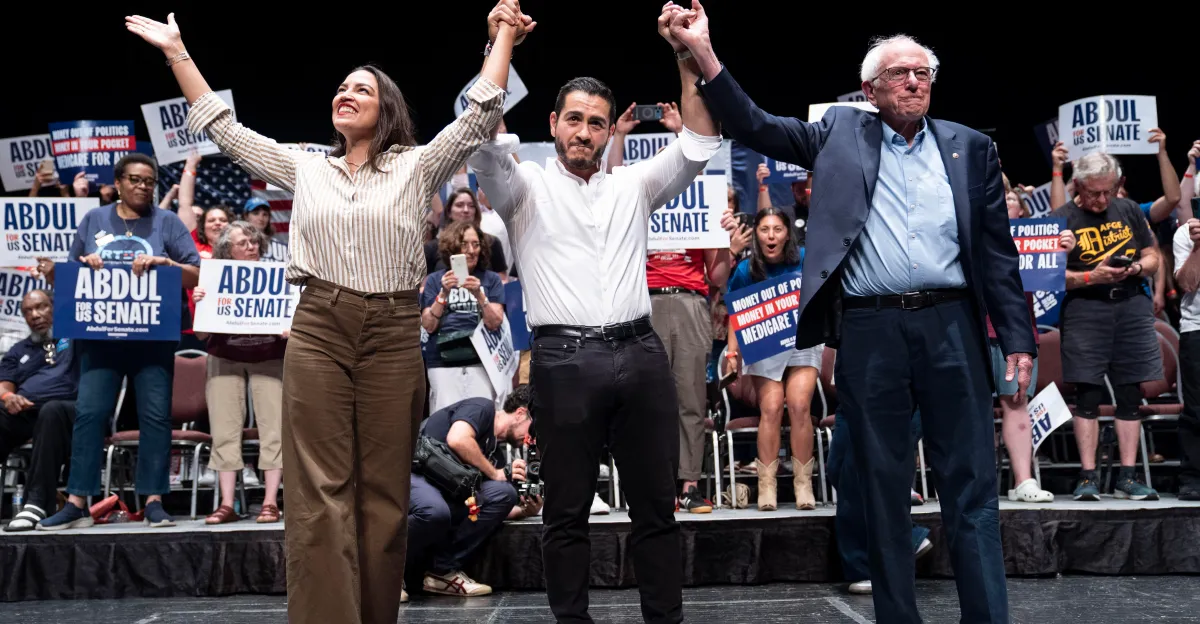
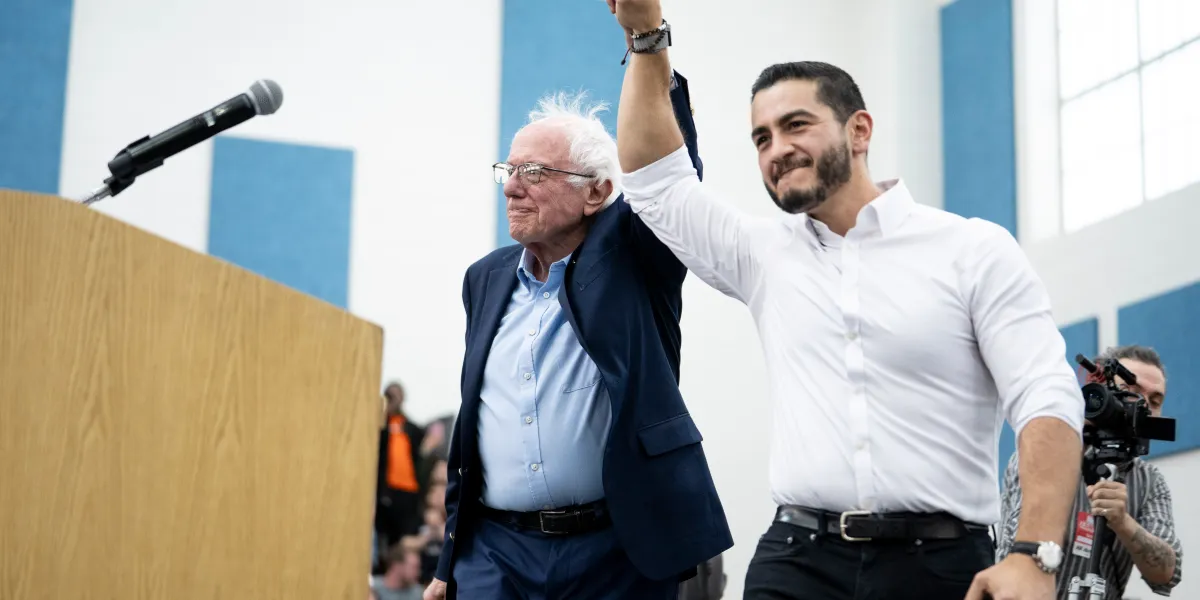
“Abdul’s victory was, in my opinion, the most extraordinary victory that I can think of in modern American politics,” said Sen. Bernie Sanders, a leader of the progressive movement who was an early supporter of El-Sayed’s candidacy.
El-Sayed, 41, has never held elected office and entered the race seven years after losing Michigan’s Democratic gubernatorial primary by more than 20 percentage points. This time, running on an unapologetically progressive agenda, he overcame more than $60 million in outside spending and an opponent backed by many of Michigan’s top Democrats, including Gov. Gretchen Whitmer and outgoing Sen. Gary Peters, and Senate Democratic Leader Chuck Schumer.