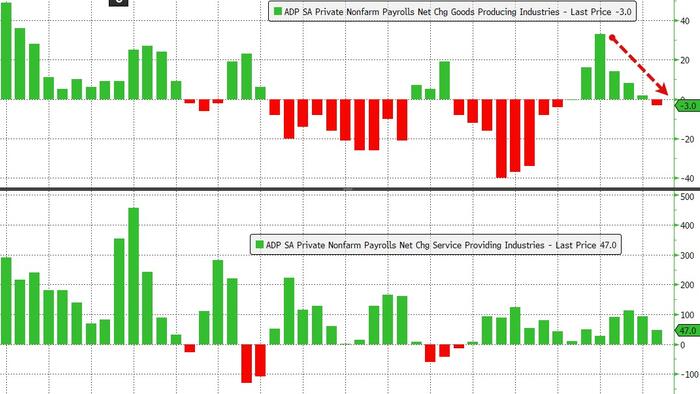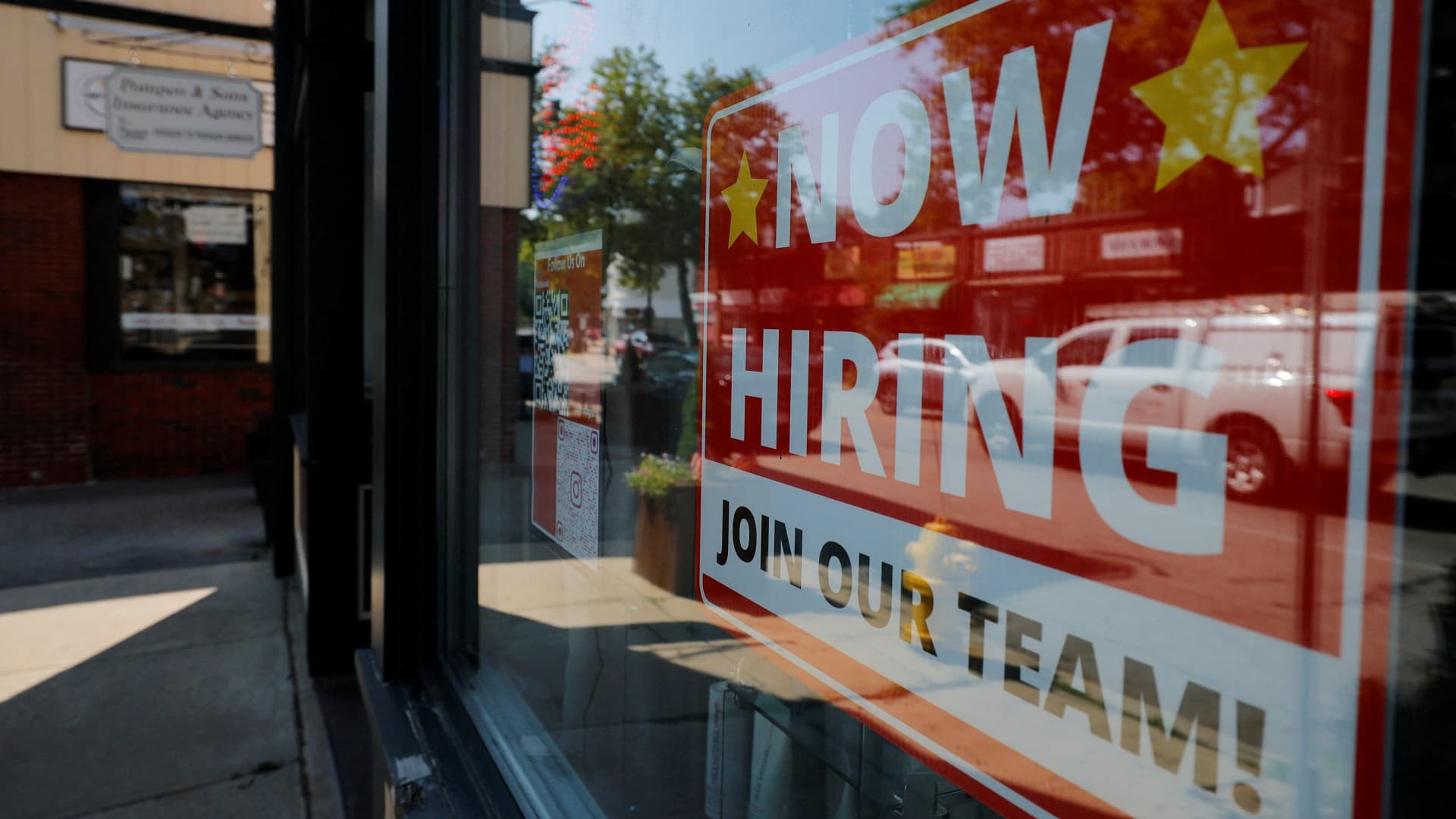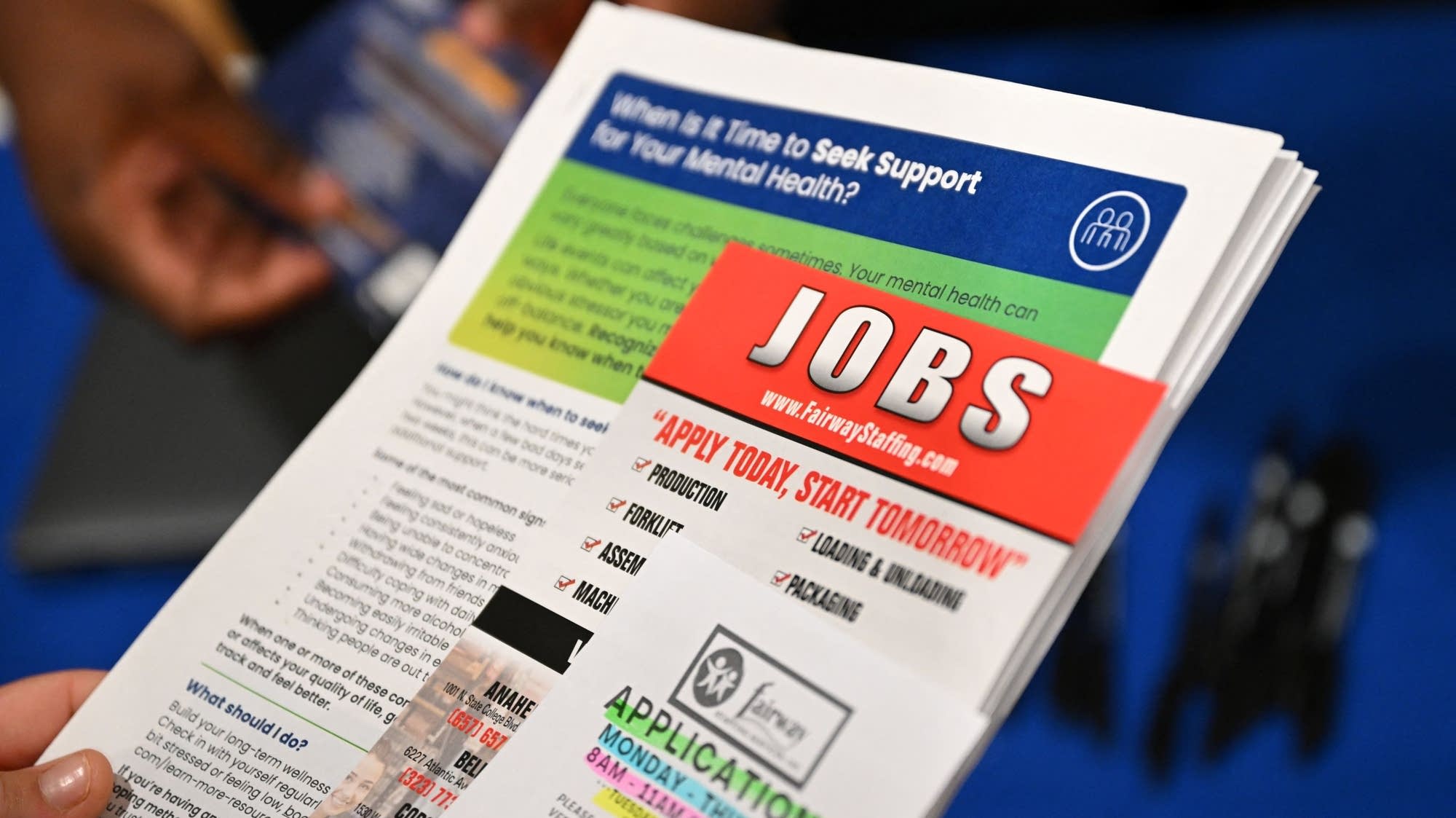
Employers added fewer jobs than expected in July, according to payroll processor ADP Research. But there was a nugget of good news for job-changers: Pay growth for people who switched jobs rose to 7%, the largest year-over-year increase since August 2025.By now the phrase economists use to describe the labor market is quite familiar: “low hire, low fire.” And the longer that description is true, the more cautious people who have jobs become about looking for new ones.“If you’re trying to hire somebody, you may be trying to take them from another job,” said Nich Tremper, a senior economist at Gusto.Convincing someone to leave their comfy, cozy, low-fire position for something new and unknown is especially tough right now.“And that’s going to increase the premium a little bit,” Tremper said. “They’re taking a risk. And so you’re going to have to up the pay.”The ADP report doesn’t break down wage increases by industry, but a look at in-demand categories — where hiring is growing — offers clues. Yelena Shulyatyeva, senior U.S. economist at The Conference Board, said there’s a lot of poaching happening in healthcare and AI.“Employers are still willing to pay a premium for workers they really want,” Shulyatyeva said.It’s why she thinks this wage jump for job changers is a bit isolated — reserved for specific roles and industries and less of an across-market trend.“I would just be very careful to interpret it as if the job market is heating up again,” she said.But wages for job hoppers can be a predictor of where the overall labor market is heading down the road.“It’s maybe saying hey, there’s some potential either supply constraints or some potential demand picking up coming down the pipeline,” said Cory Stahle, an economist at the Indeed Hiring Lab. “It starts with the switchers, it starts with new hires.”And someday, that could trickle down into the rest of the job market — including boosting wages for people who stay at the same job.
Job-changers are seeing their highest wage increases in nearly a year
APD reported that job switchers are seeing a seven percent raise. The report doesn't show which industries are paying more, but health care and AI firms have been hiring.
328 words~1 min read