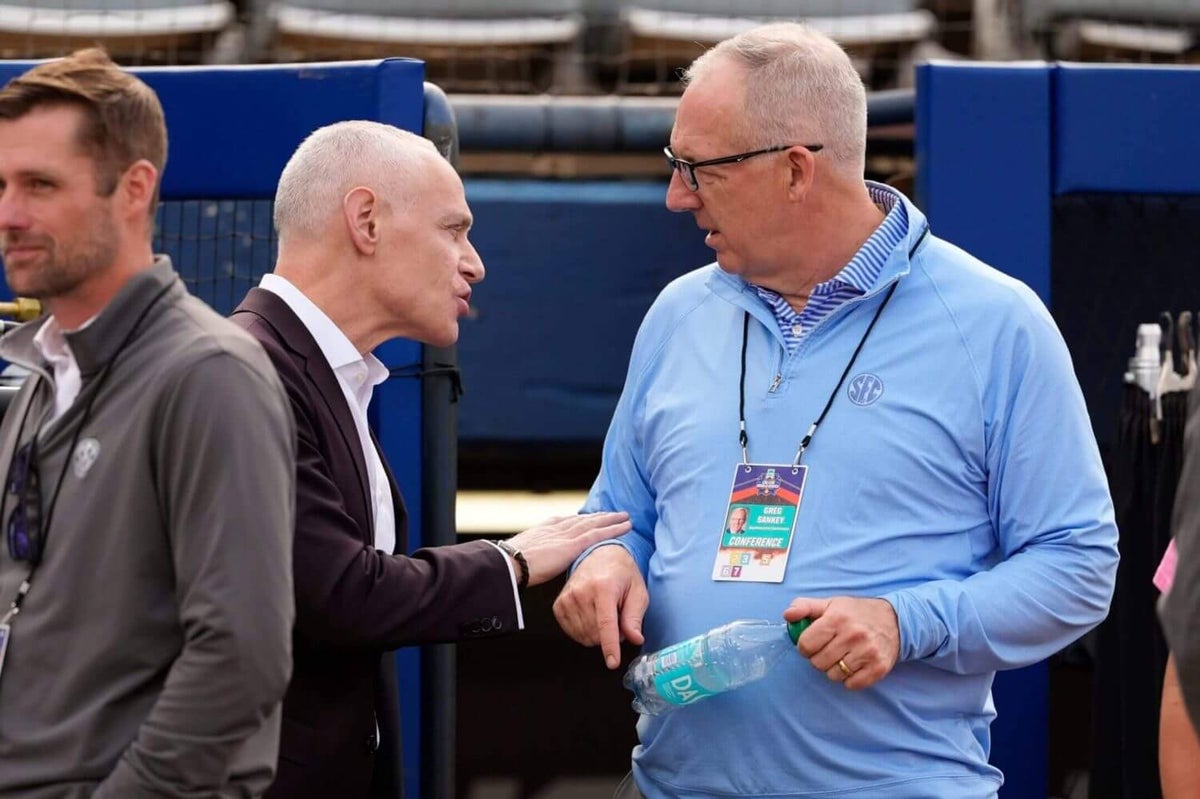
After months of negotiations, the SEC and Big Ten were finally on the verge of agreeing to support the Protect College Sports Act last Friday. But the two most powerful conferences in college sports still had one final hang-up: How would the bill enforce the cap on revenue-sharing?
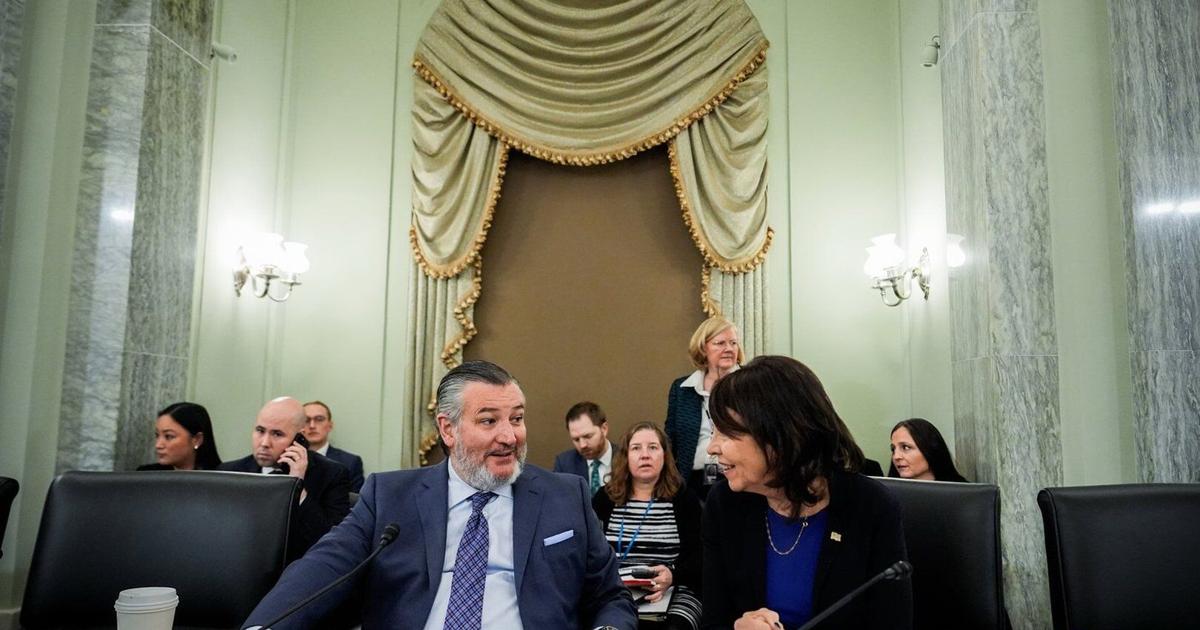
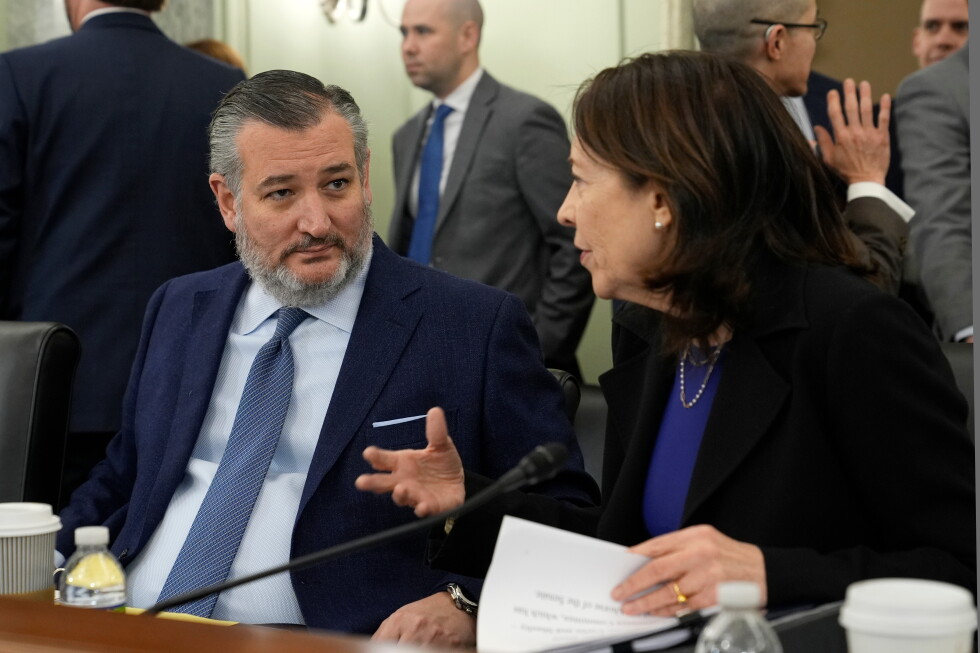
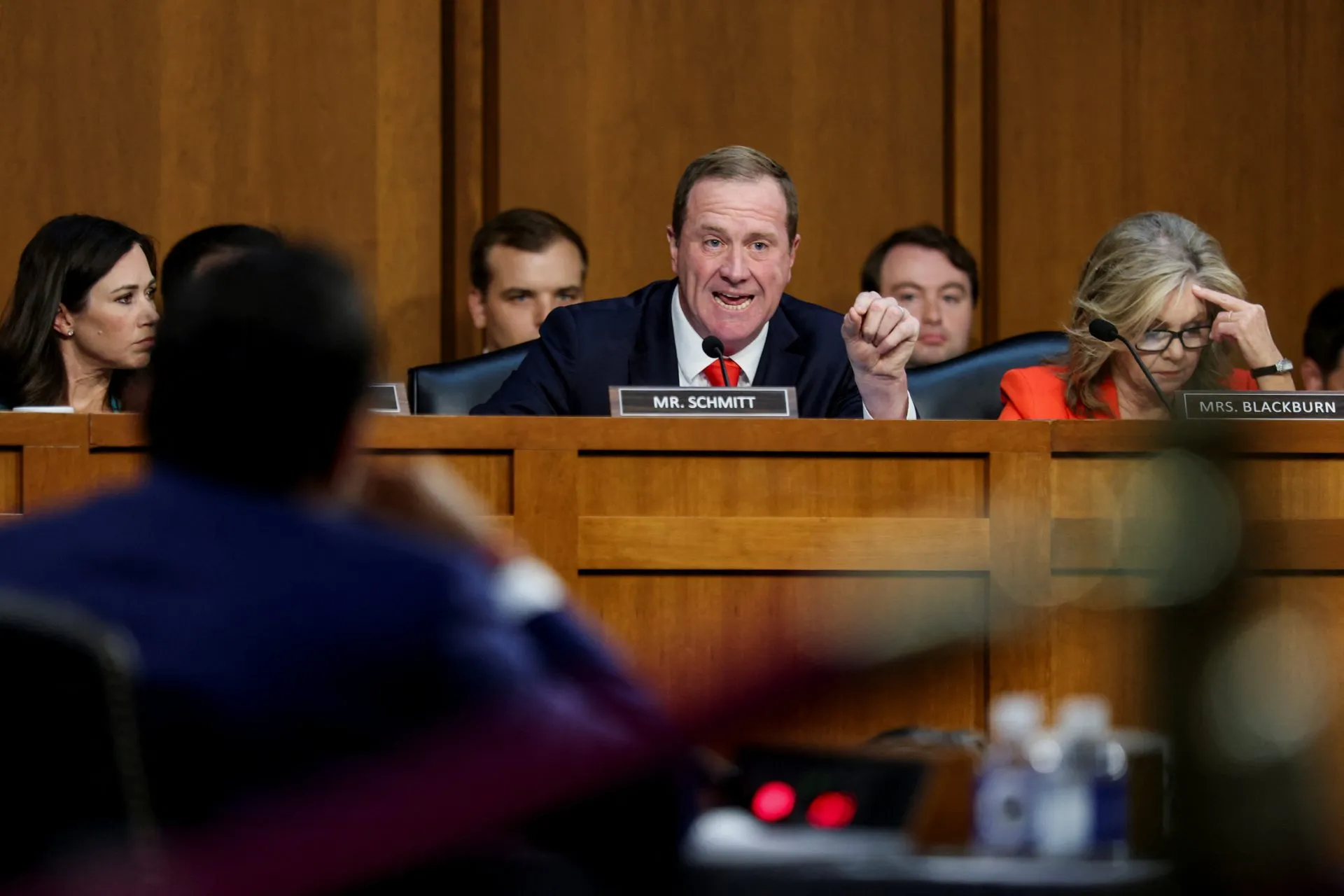
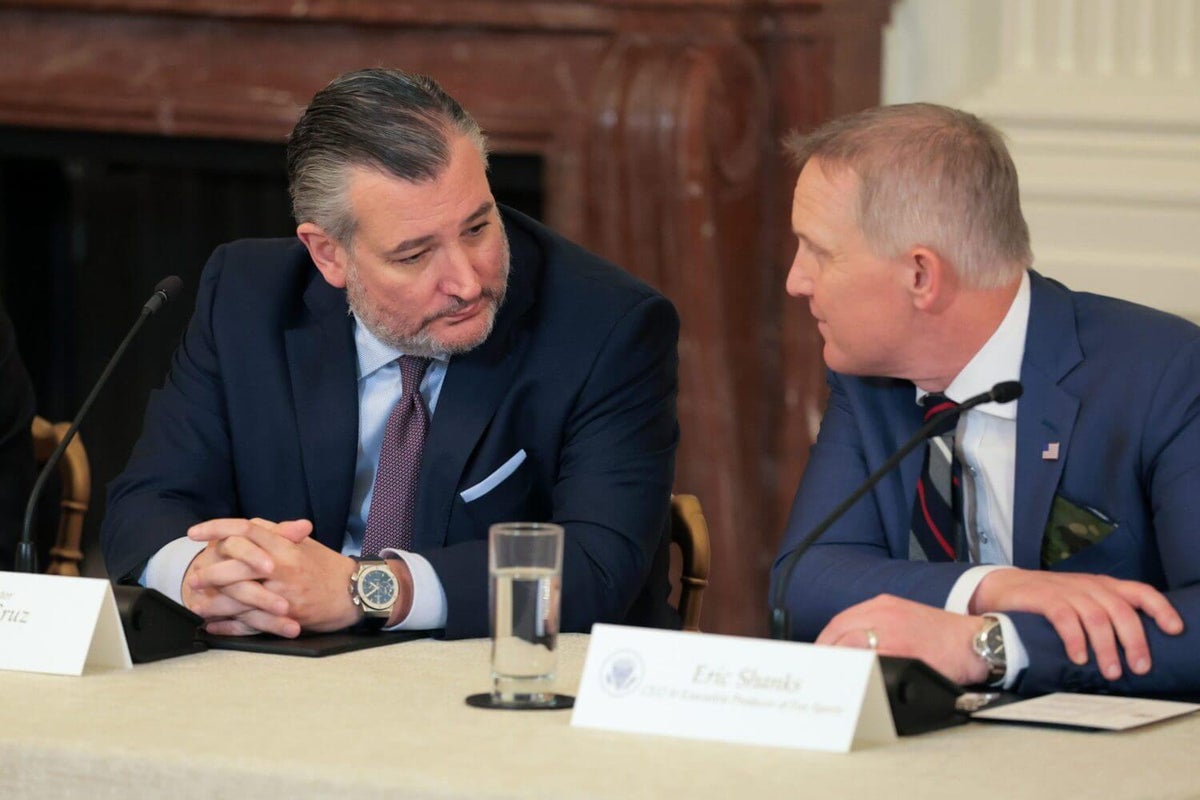
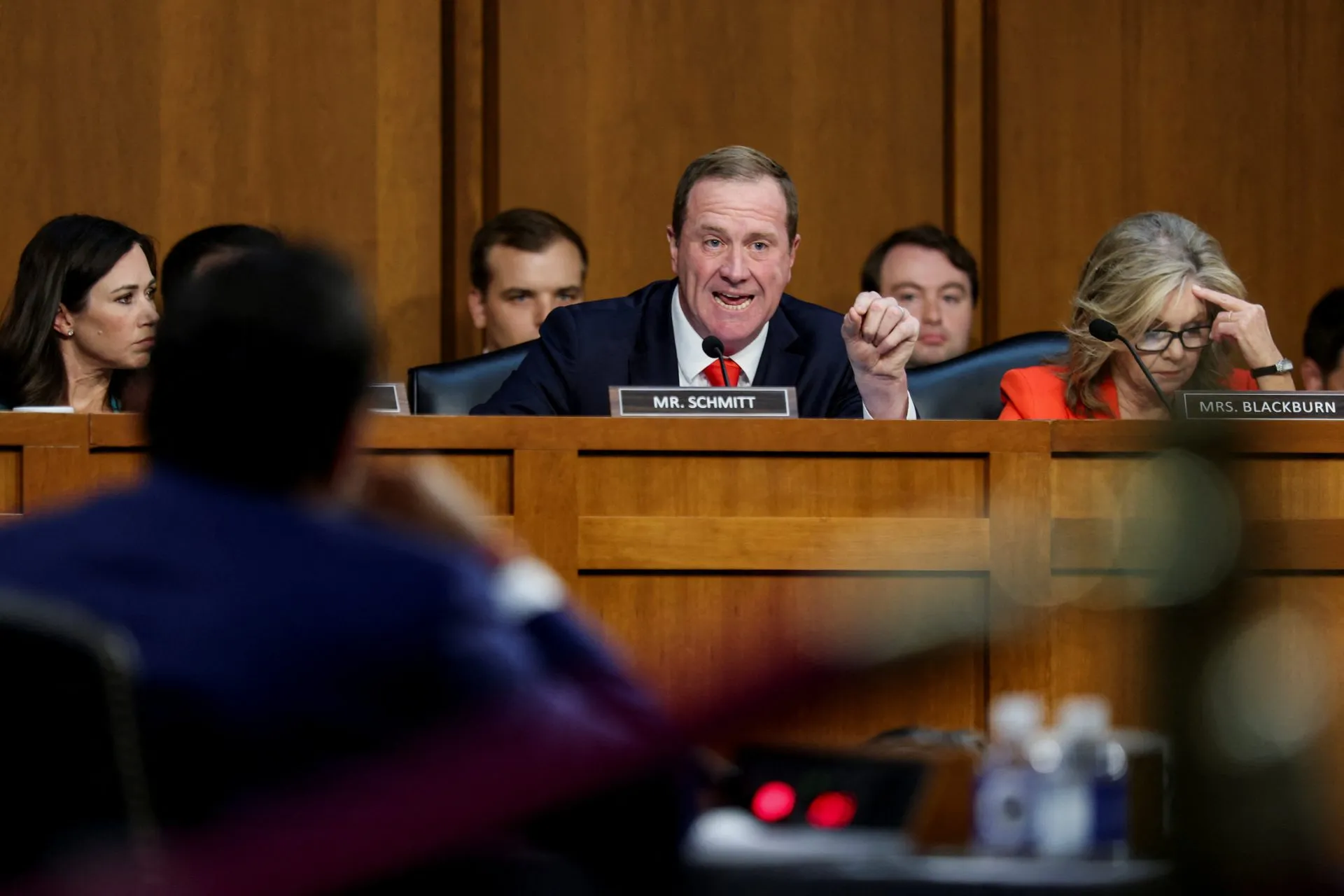
Ultimately, the conferences and senators leading negotiations—cosponsors Ted Cruz (R., Texas), Maria Cantwell (D., Wash.), and Eric Schmitt (R., M.O.)—reached an agreement. The new version of the bill, released Tuesday, would substantially increase the amount of money schools could pay players and add more guardrails (though not ban) certain third-party NIL deals considered to be used for cap circumvention. The bill wouldn’t make cap circumvention violations a criminal offense.
First, the bill codifies key tenets of the House v. NCAA settlement: Players are allowed to receive revenue-sharing payments up to a cap (this year around $21 million). But it allows for essentially double the amount of revenue-sharing than the House settlement, however. It creates a “retention pool” of up to $22.5 million that schools can use across sports in addition to the rev-share limit.
The bill also allows players to continue to receive third-party name, image, and likeness deals that constitute a valid business purpose, and that are separate from rev-share. But it tries to ensure these payments don’t circumvent the rev-share cap (as some are considered to do now) through two processes.