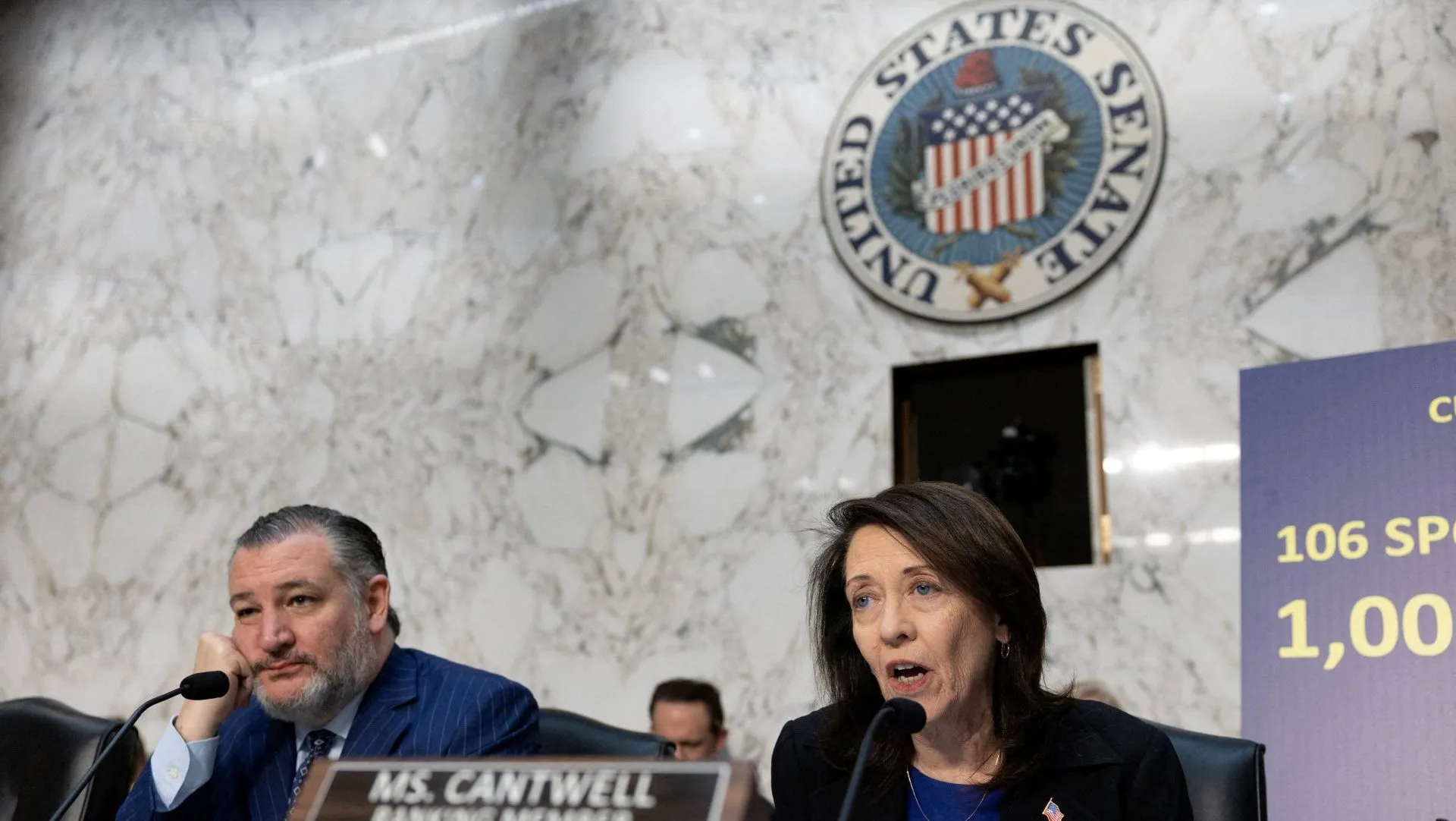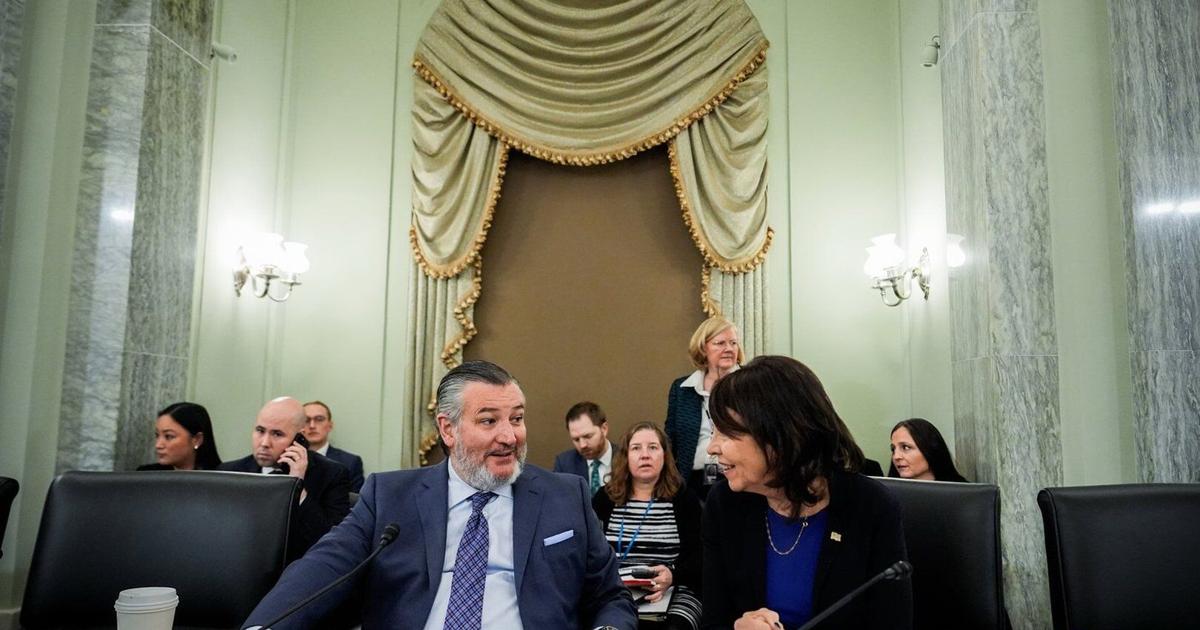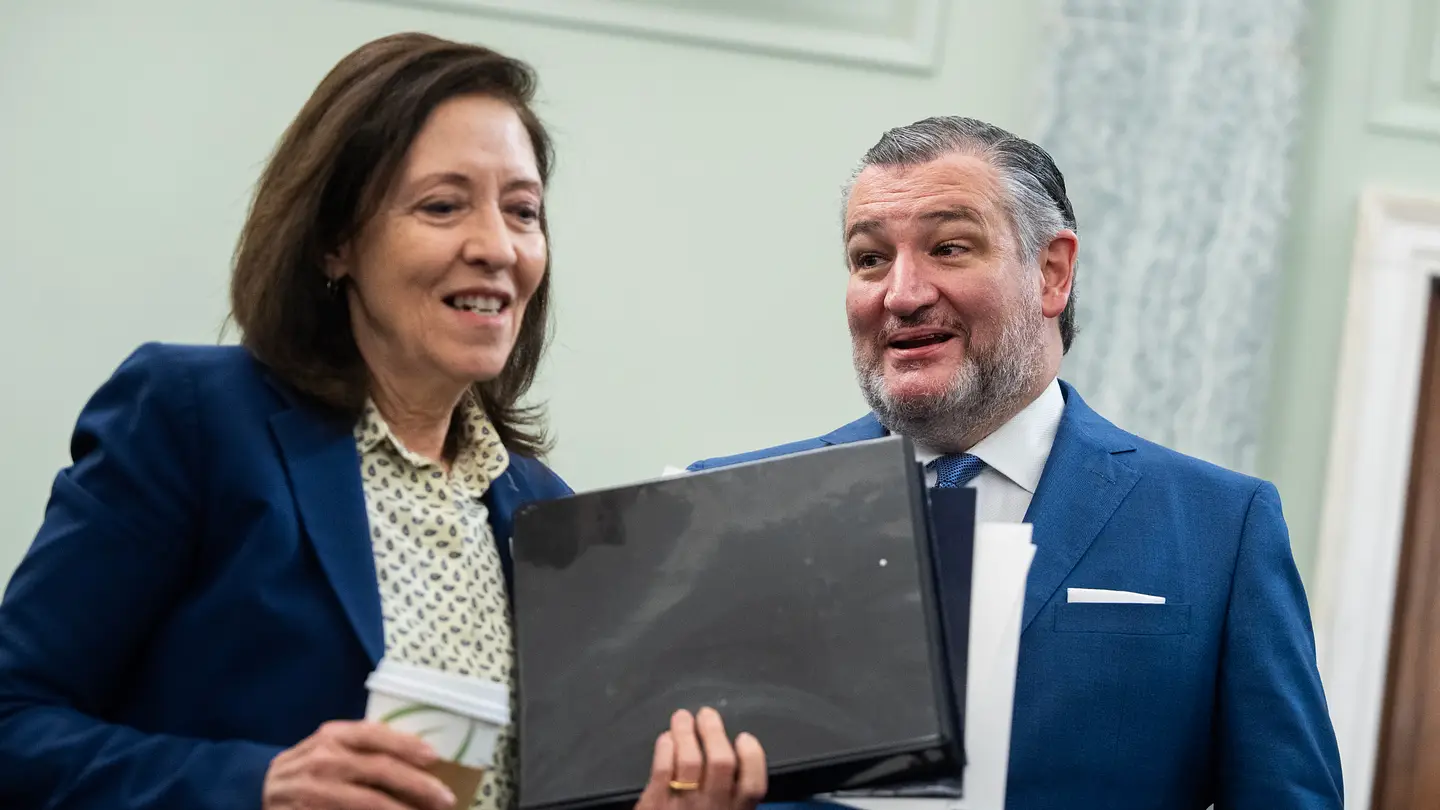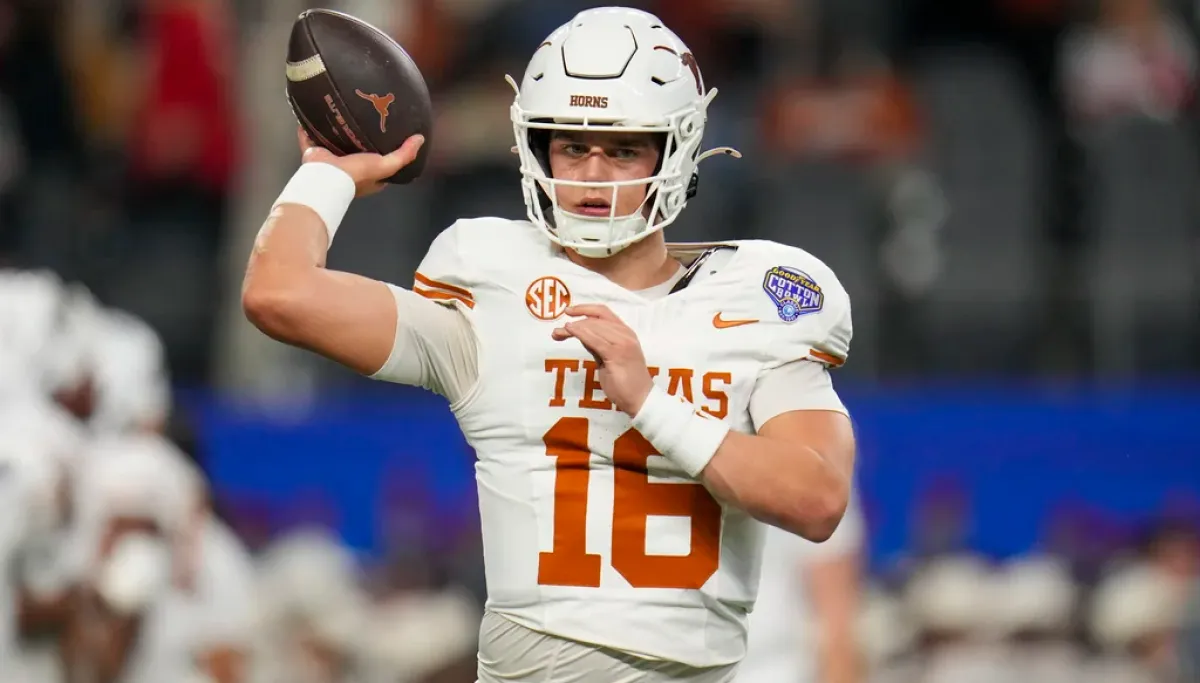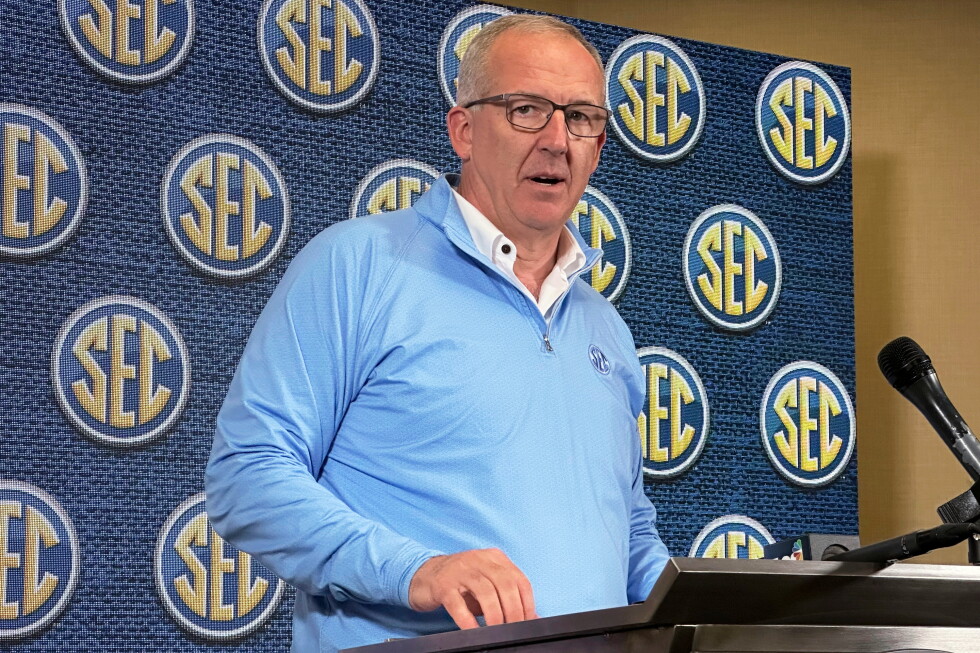
The Protect College Sports Act took a step forward Thursday with a Senate committee approval. Plenty of potential pitfalls remain ahead, including opposition from the Big Ten and Southeastern conferences. The two most powerful conferences in college sports made clear that “revisions are needed to secure our support” for a bill designed to stabilize college sports. The opposition has renewed speculation that the two leagues and their 34 schools stretching from coast to coast will split from the NCAA and form a super league.U.S. Sen. Maria Cantwell, D-Washington, has heard the concerns about the Big Ten and SEC breaking away.“We are interested in them understanding an economic future where there is more revenue for everybody and there is an upside,” Cantwell said. “But if the discussion is we just want to hold everybody else back and being king of the hill, I think that’s where they’ll run into trouble.”
Money drives college sportsThe potential for leagues breaking away and consolidating seeming inevitable keeps growing for a simple reason. “The economics are simply pointing in that direction,” said sports law professor Michael LeRoy at the University of Illinois at Urbana-Champaign. The Big Ten recently distributed $79.9 millio n to each of its full members with the SEC paying $72 million per school compared to $45 million by the Atlantic Coast Conference and $40 million by the Big 12. The Big Ten and SEC also netted 83% of five-star athletes and 65% of four-star athletes last December in LeRoy’s tabulation for the Seton Hall Law Review.