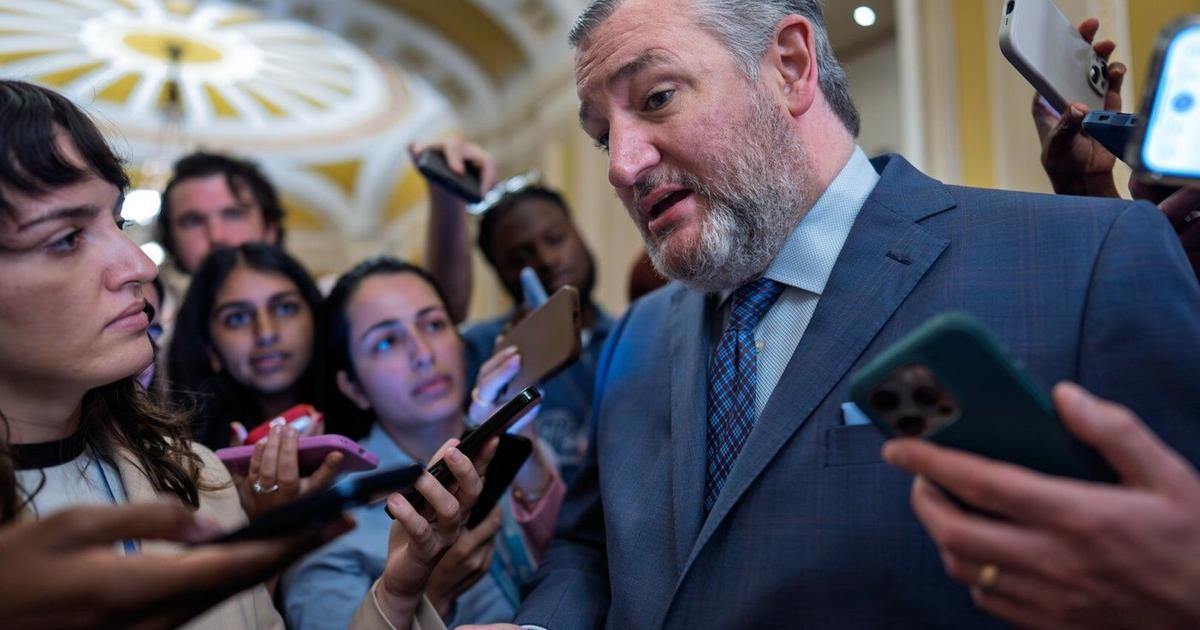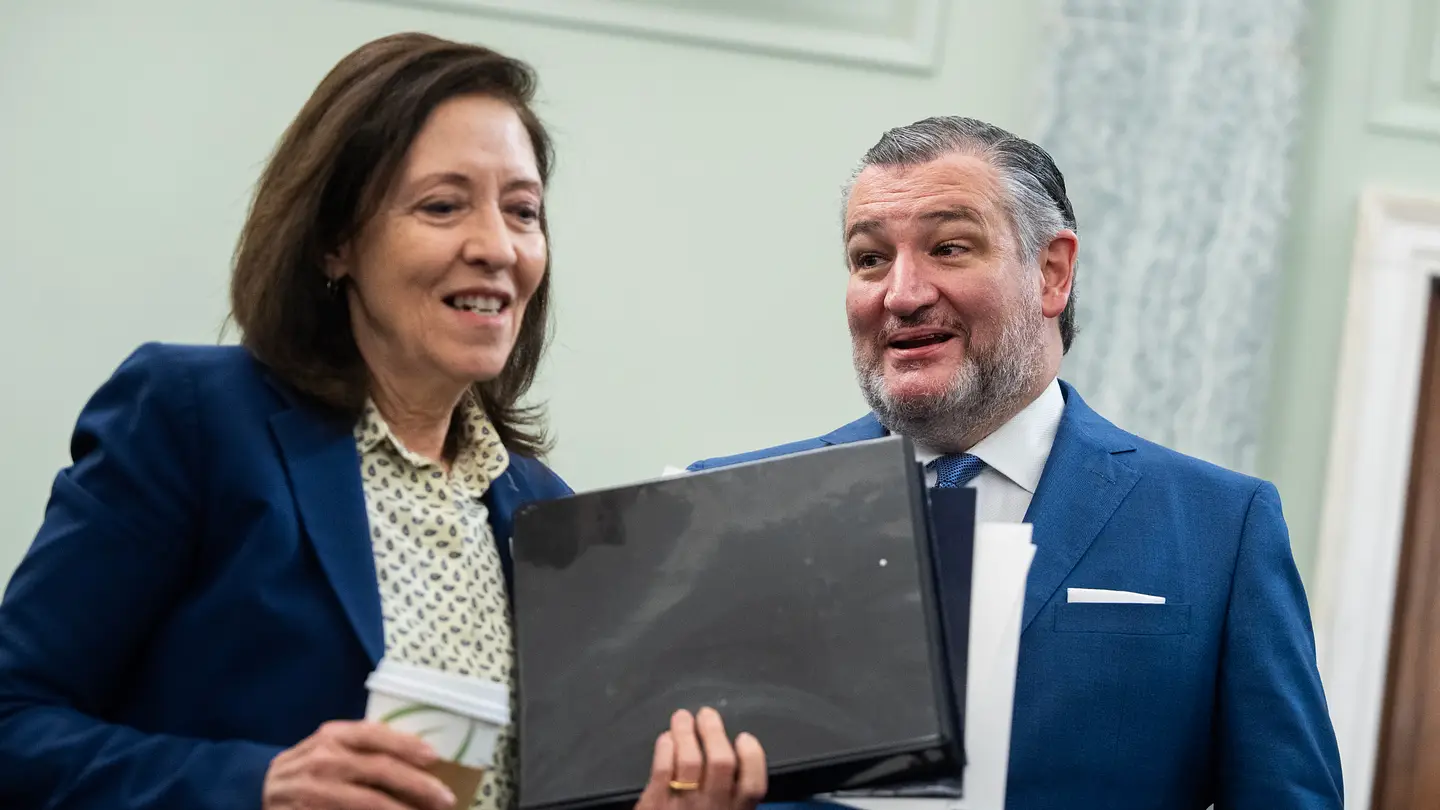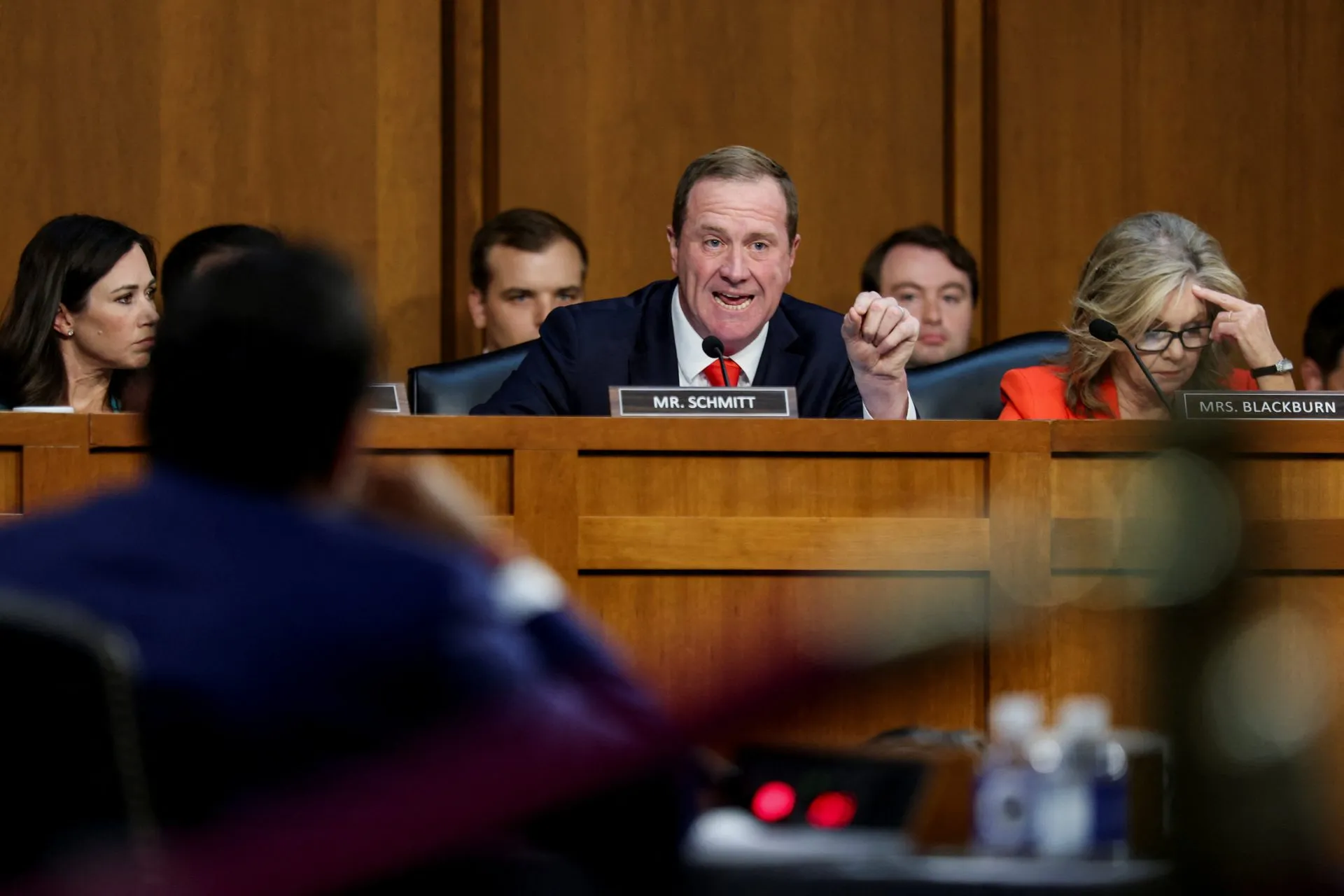
Can Congress really slow — or stop — the chaos of conference realignment?The answer comes down to the meaning and interpretation of a section in an 111-page bipartisan bill announced in the Senate last week, designed to prevent the Big Ten and SEC breaking away from everyone else. In practice, it could also limit, if not eliminate, Power 2 expansion … with some notable exceptions (including one in South Bend). Before we go deeper, let’s pause for some standard caveats. A bill’s language can change as it goes through the legislative process, so this provision of the Protect College Sports Act could evolve or be cut. Just because it has support from Democrats (Washington’s Maria Cantwell and Delaware’s Chris Coons) and Republicans (Texas’ Ted Cruz and Missouri’s Eric Schmitt) does not guarantee it will pass the Senate. Even if it does, it must still pass through the House of Representatives and be signed into law by the president. But the potential effects on conference realignment are potentially enormous and worth exploring ahead of the next step (Wednesday’s committee hearing). After a dozen conversations with lawmakers, aides, attorneys and industry observers, here’s what we know and don’t know:Can Congress legally pause Big Ten/SEC expansion?Yes, said antitrust and higher education attorney David Gringer.The Constitution gives Congress the power to regulate interstate commerce. Gringer, a partner at the law firm WilmerHale, said the business of college sports and conferences falls under the interstate commerce umbrella, just like antitrust laws and exemptions in other industries.“It’s not nakedly outside of Congress’ power in my view,” Gringer said.What does this new bill say?It prohibits the Big Ten and SEC from doing two things:
Can Congress stop SEC, Big Ten expansion? What we know about a proposed bill and realignment
The bipartisan Protect College Sports Act has a section designed to prevent the Big Ten and SEC breaking away. Could it actually work?
TL;DRAI
Congress proposes bill banning Big Ten and SEC from acquiring conference media rights, effectively freezing expansion for both leagues. The legislation could slow Power 2 consolidation by preserving revenue for non-Power 2 schools until media contracts expire in 2031.
1,335 words~6 min read