C
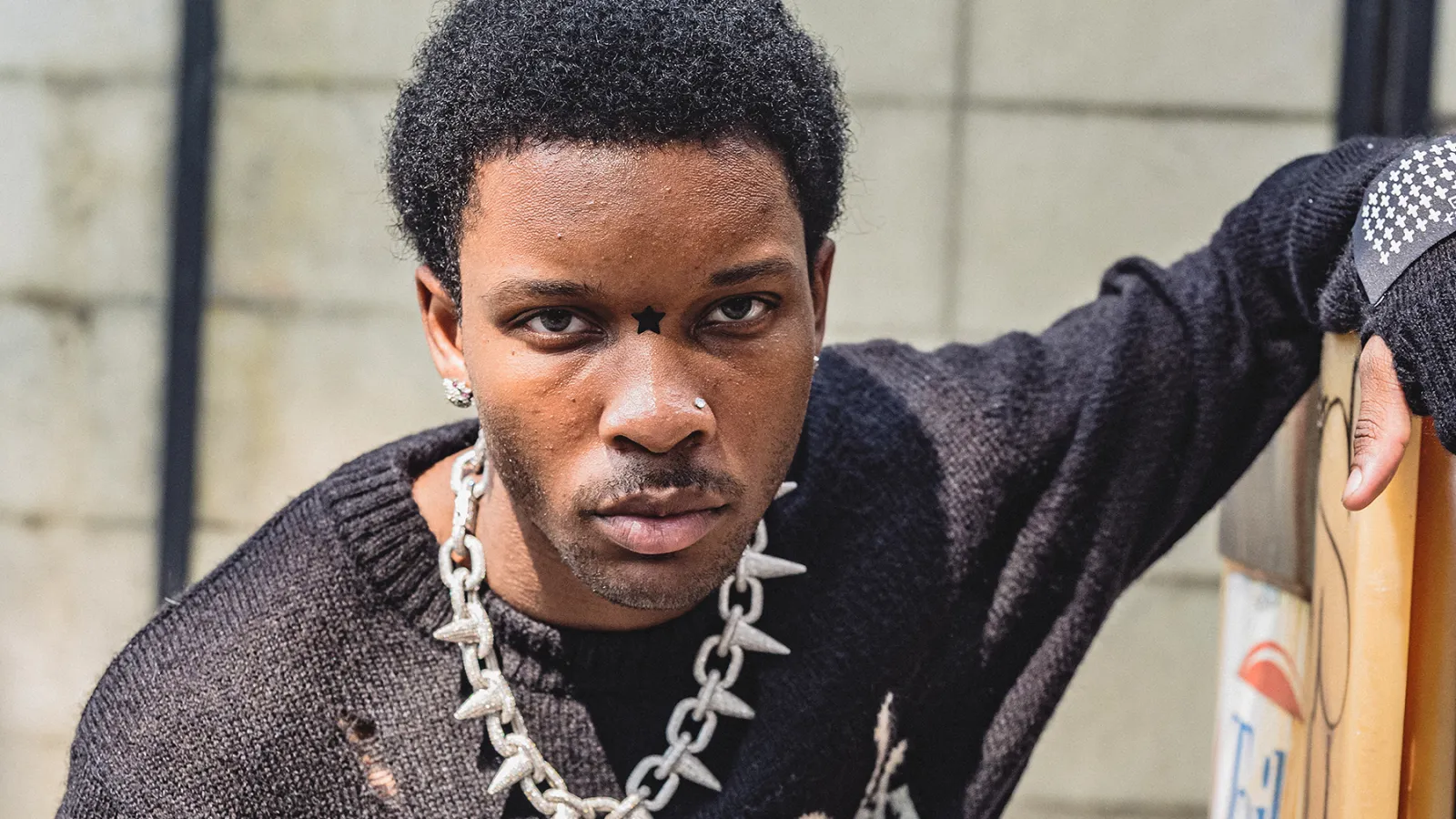
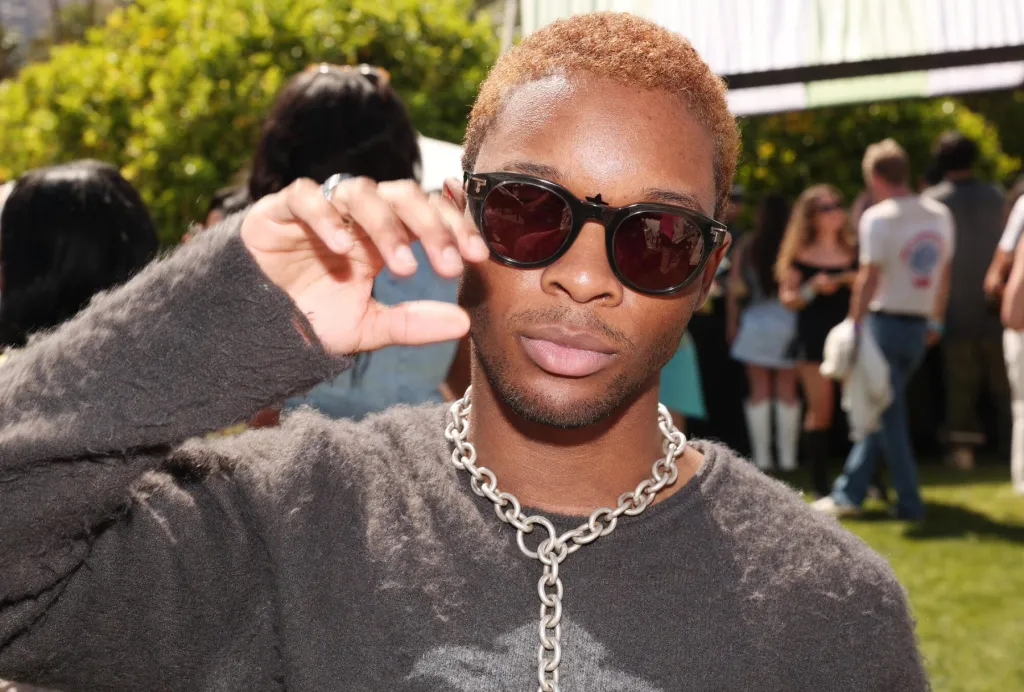
aden Alvarez borrowed an orange shirt from his mom, wound himself in a leafy garland, and boarded the subway from his Bronx home to New York’s Union Square. It was late April 2025, and he’d scored free tickets to a pop-up event celebrating the release of Withered, the debut album from D4vd. Alvarez was a fan of the brooding, vulnerable bedroom pop that had turned the then-20-year-old, born David Anthony Burke, into a Gen Z sensation. The costume nodded to the cover of D4vd’s first EP, Petals to Thorns, and helped Alvarez win a $1,000 fan prize.
Alvarez watched as the singer was ushered to the stage to meet the event’s host. “What’s up guys?” D4vd said in a silly chipmunk voice. He spoke about Withered and performed an acoustic version of the album closer, “Afterlife.” But as he neared the end of the song, Burke’s voice faltered. He shook his head as though fighting tears. Abandoning the final lines, he let the guitar trail off into silence.
Burke choked up again as he thanked the audience and his parents. “I never cry,” he insisted.
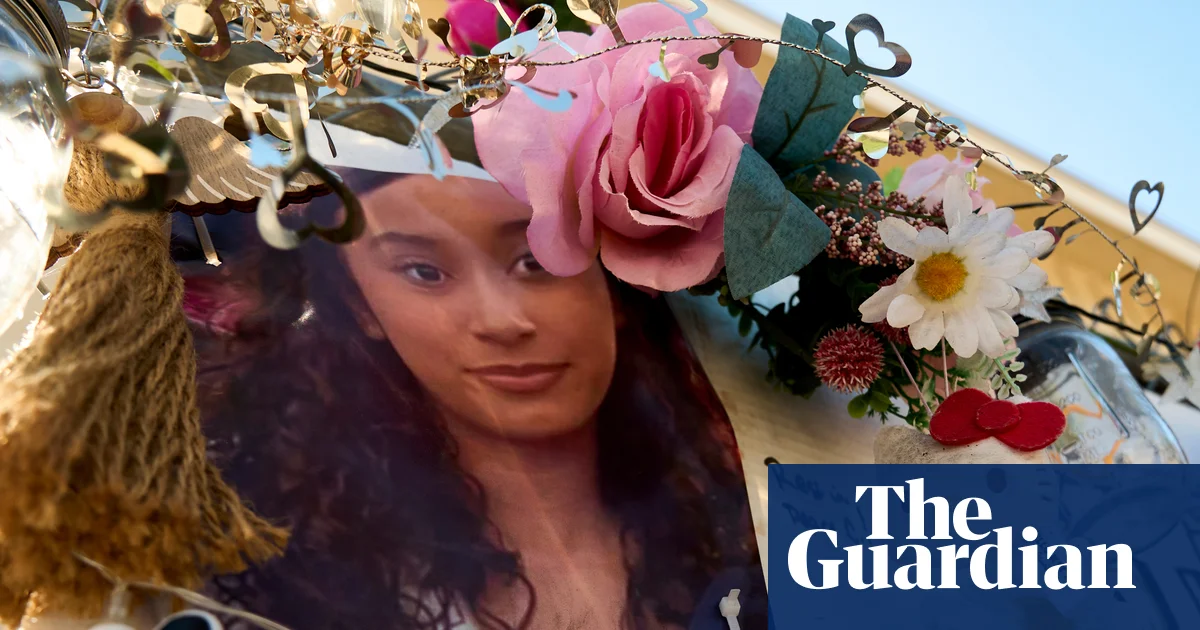
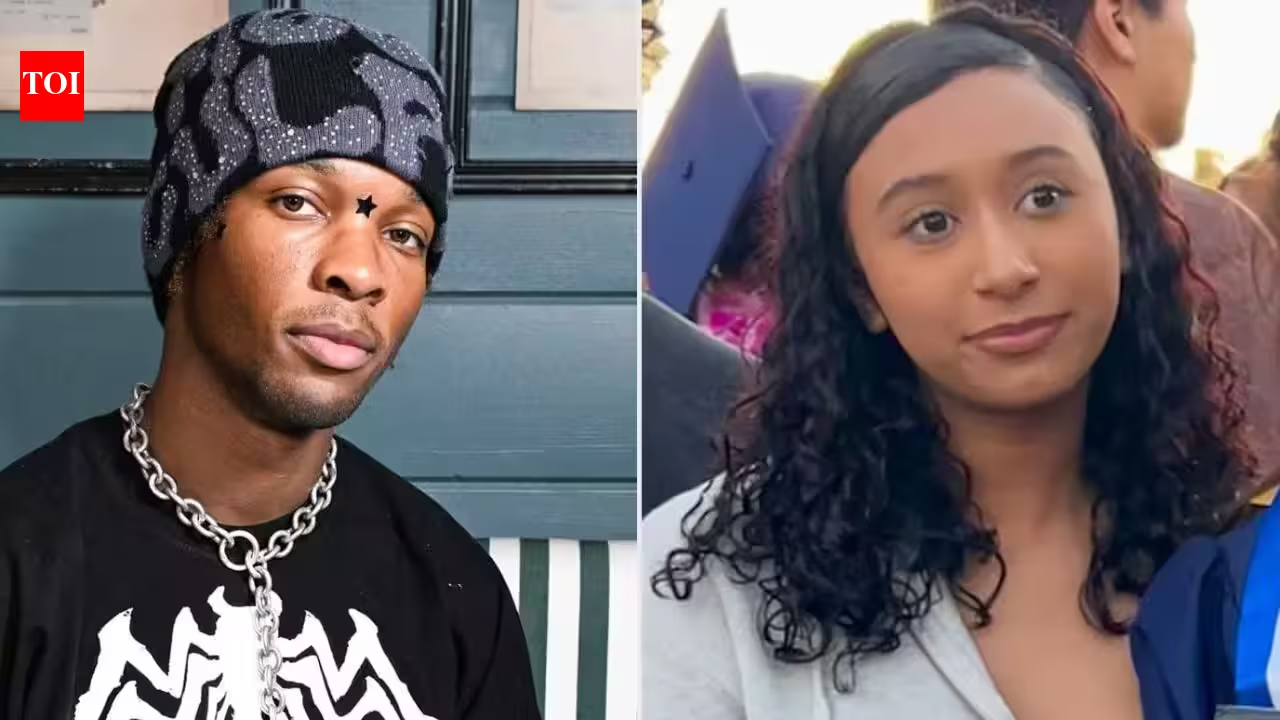
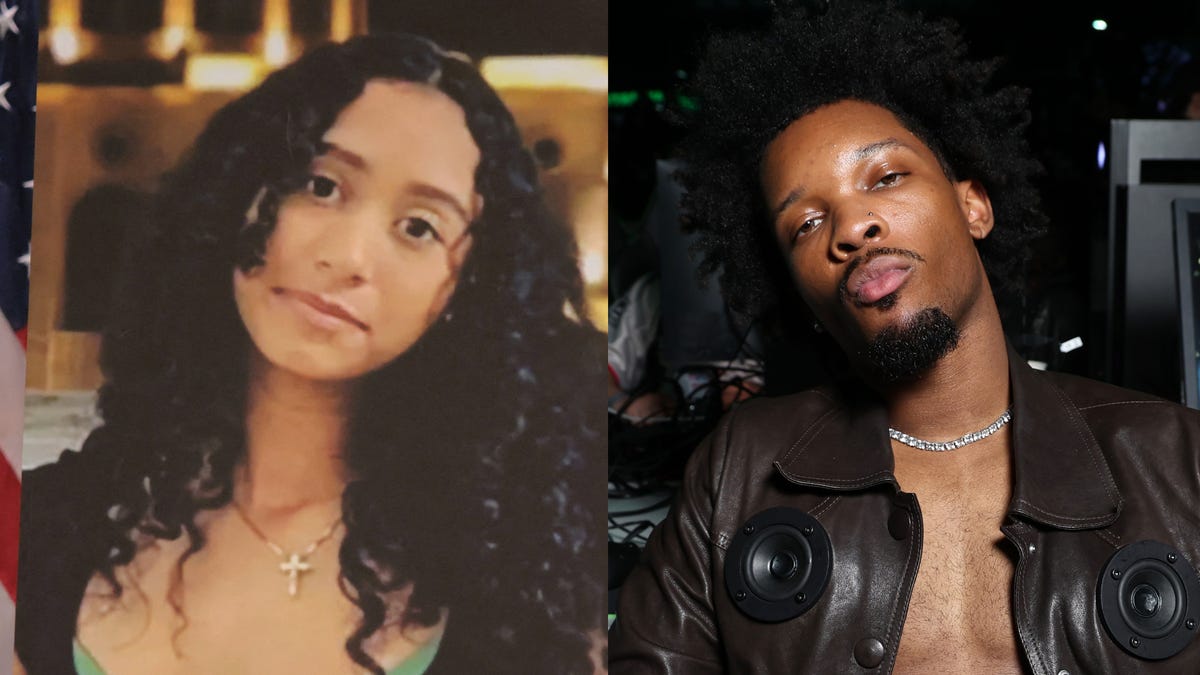
Alvarez, who was in the second row, thought Burke was simply overwhelmed by the moment as he celebrated the release of his debut album. But a darker possibility has emerged. Two days earlier, prosecutors claim, Burke stabbed 14-year-old Celeste Rivas Hernandez to death inside his Hollywood Hills mansion to cover up his sexual abuse of the girl. Prosecutors allege the abuse went on for more than a year, and that Burke had gotten Rivas Hernandez pregnant at 13 and talked her through an abortion. Later, they say, he killed her and then dismembered her body with a chain saw. Burke was not merely a rising star grappling with new fame, prosecutors contend, but a killer carrying a gruesome secret.