Welcome to Foreign Policy’s Africa Brief.
The highlights this week: African governments try to distance themselves from Pretoria following xenophobic attacks, Spanish politicians seek to make sense of the border incident in Ceuta, and renewed clashes erupt in Ethiopia’s Tigray region.
South Africa has long been a leader of the African continent, but the country’s influence may be waning as its reputation takes a hit following widespread violent attacks on Black African migrants within its borders.
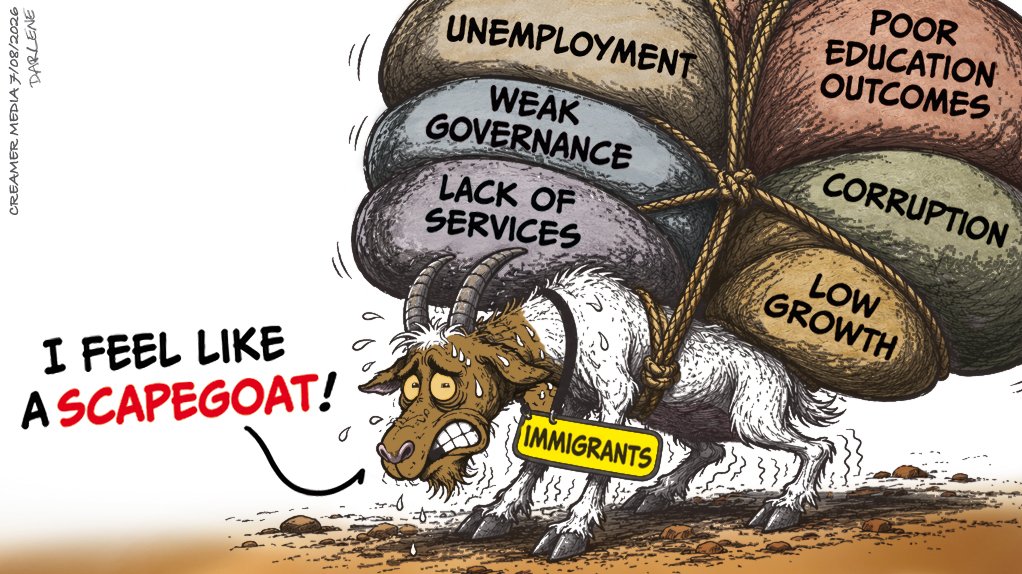
Since the end of apartheid, South Africa has experienced recurring waves of xenophobic violence, which have killed an estimated 705 people over the past two decades. There was an uptick in anti-migrant attacks in 2008, and xenophobic sentiment has worsened again this year as migrants have become scapegoats for the country’s economic woes and high unemployment rate.
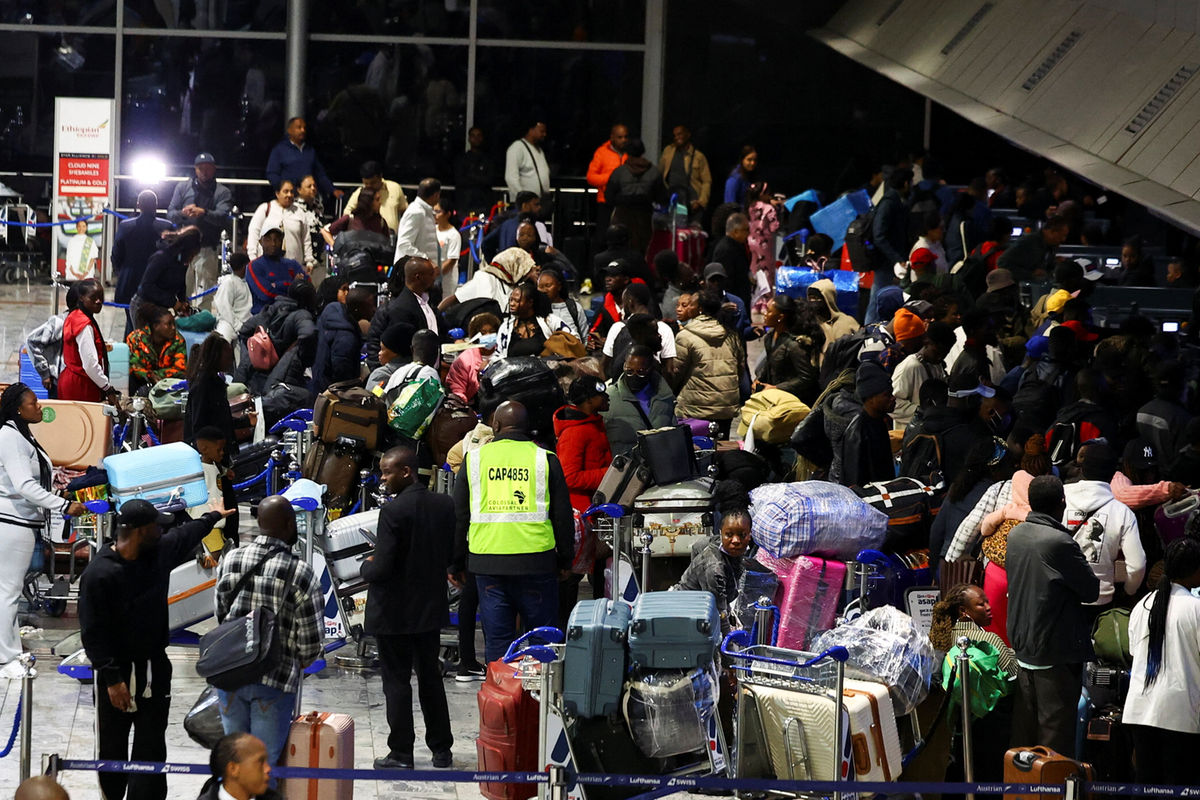
The two anti-migrant groups driving this latest wave—Operation Dudula and March and March—are well funded and organized. More than 160,000 Africans have fled the country over the past two months, according to an AFP tally of repatriations by African governments.