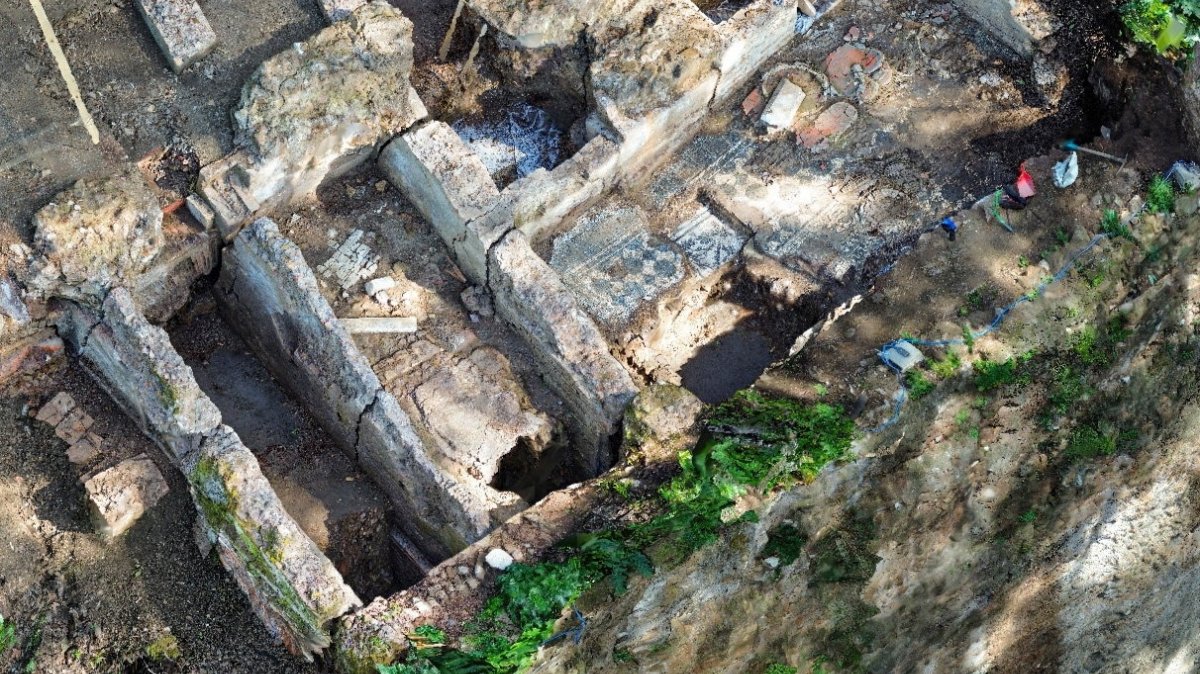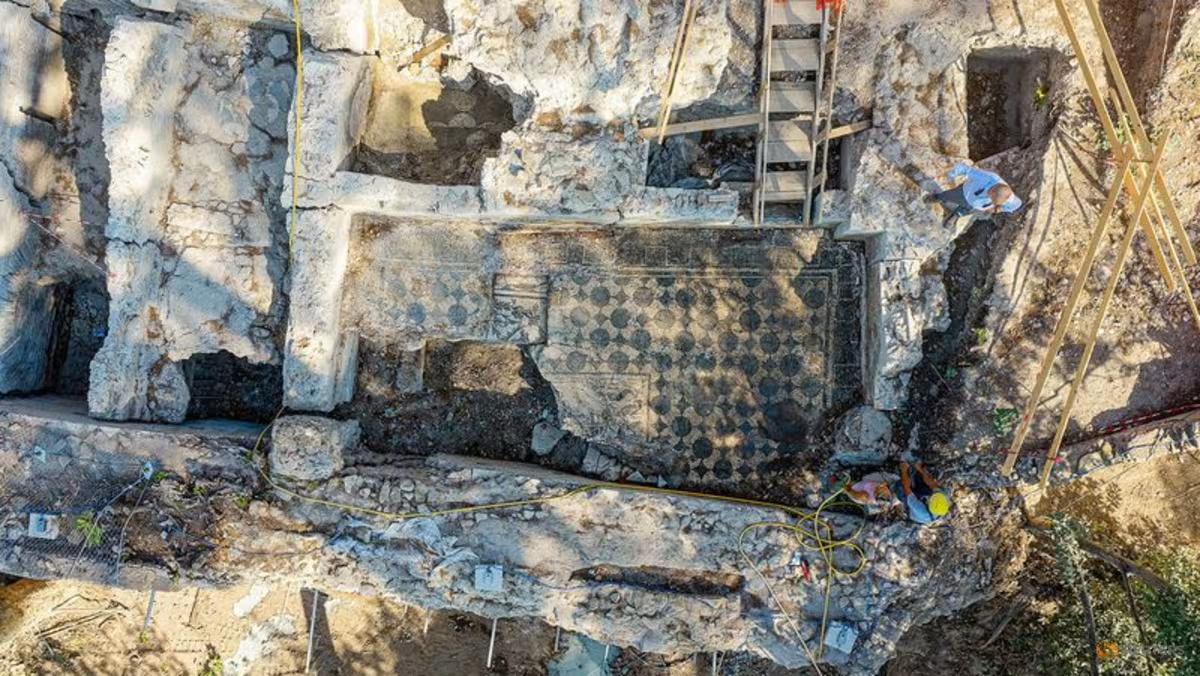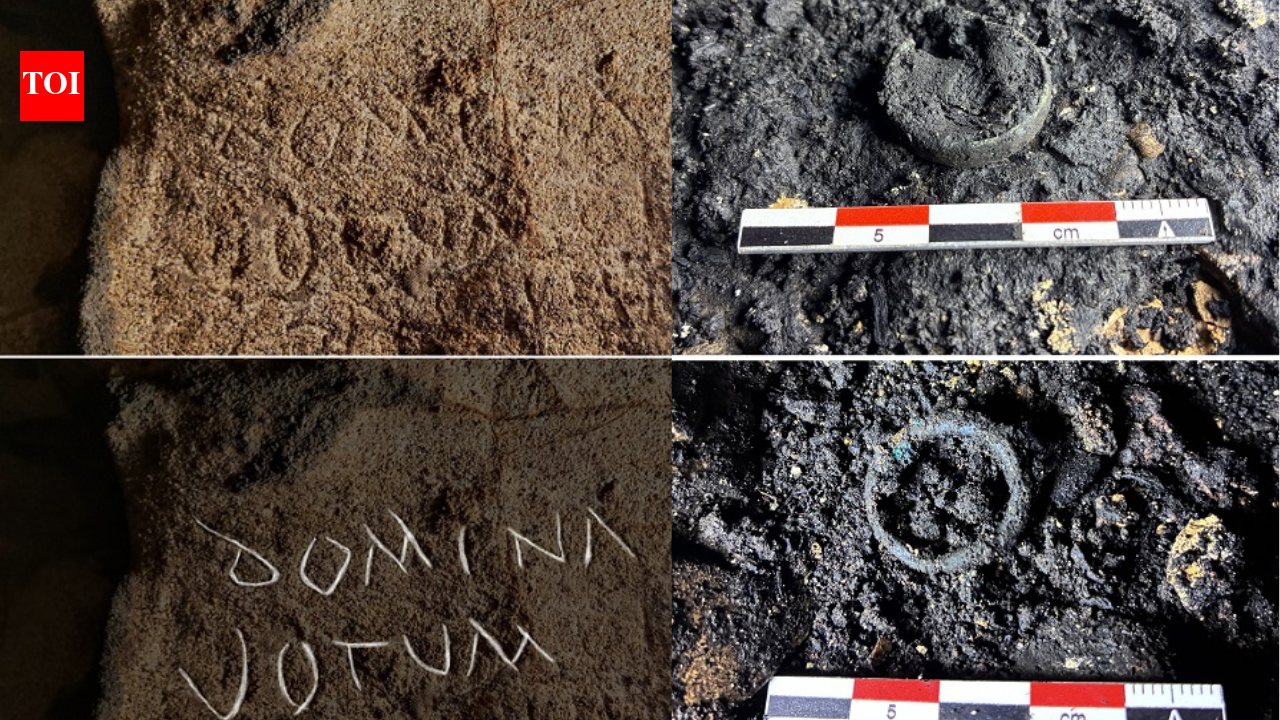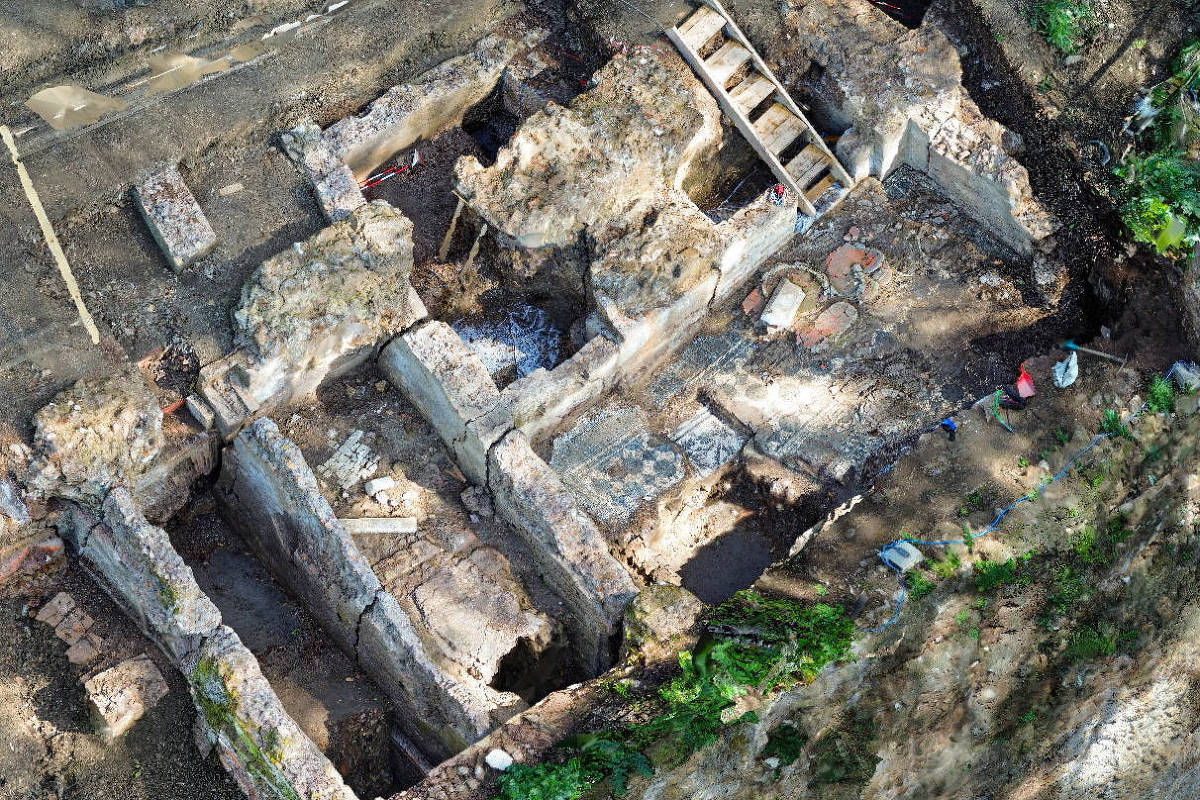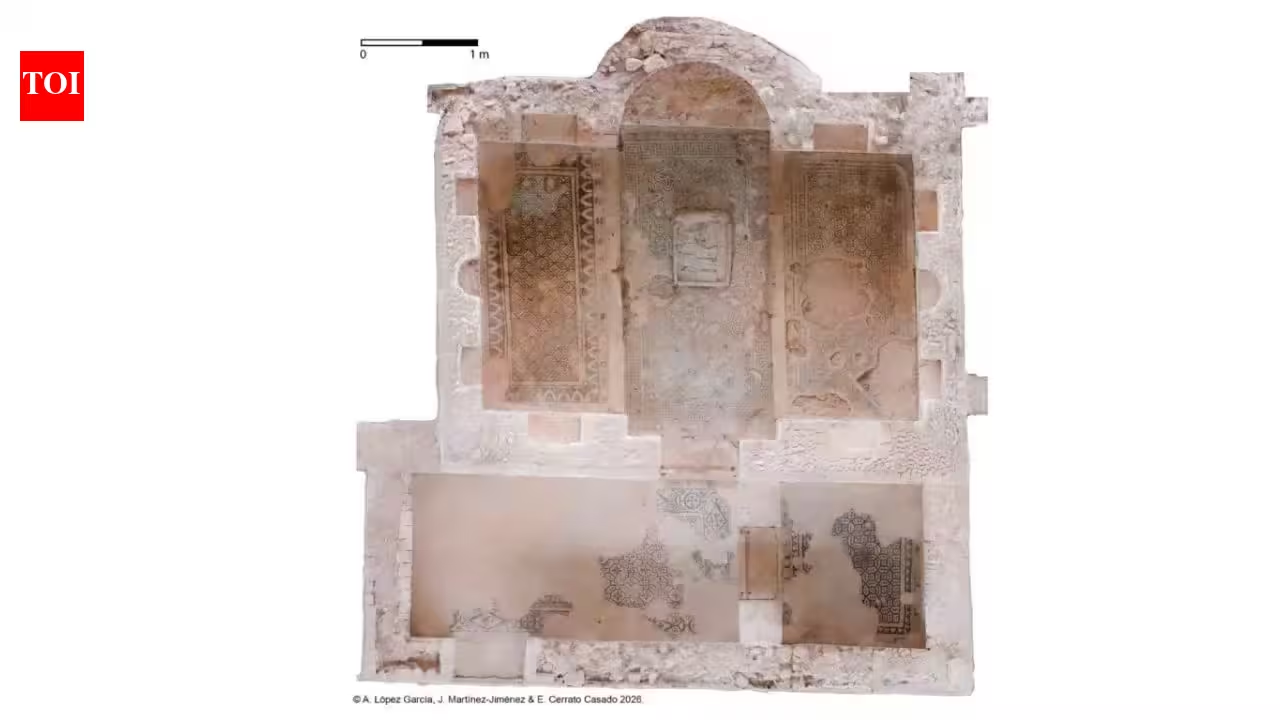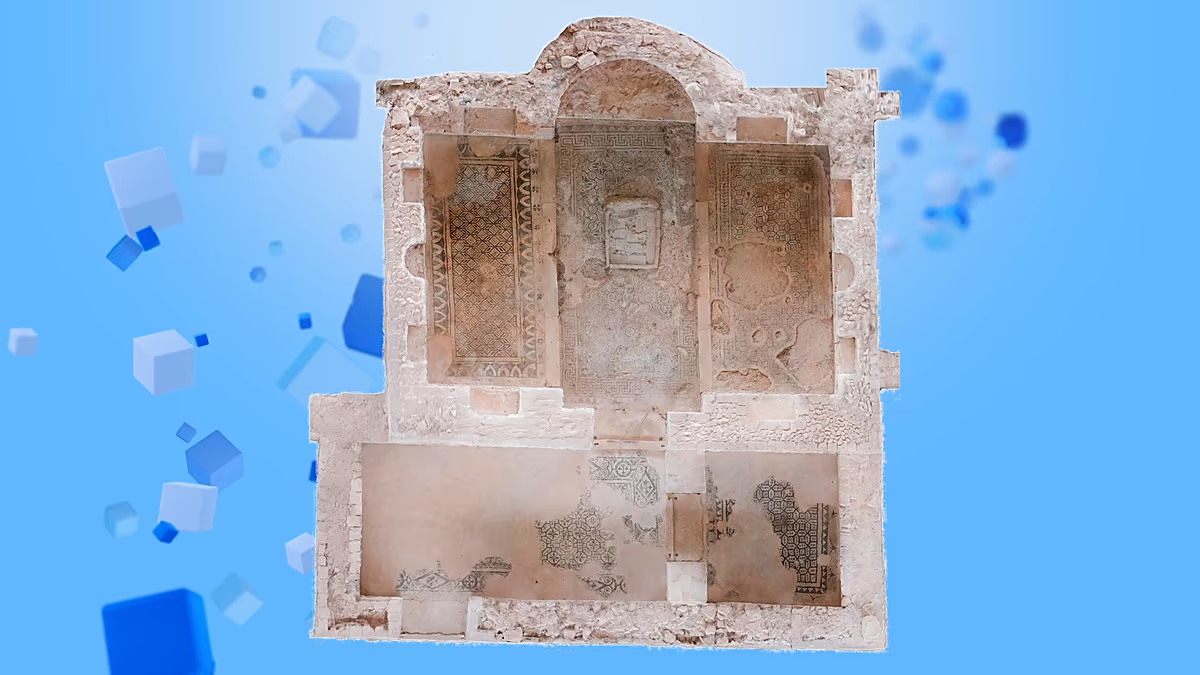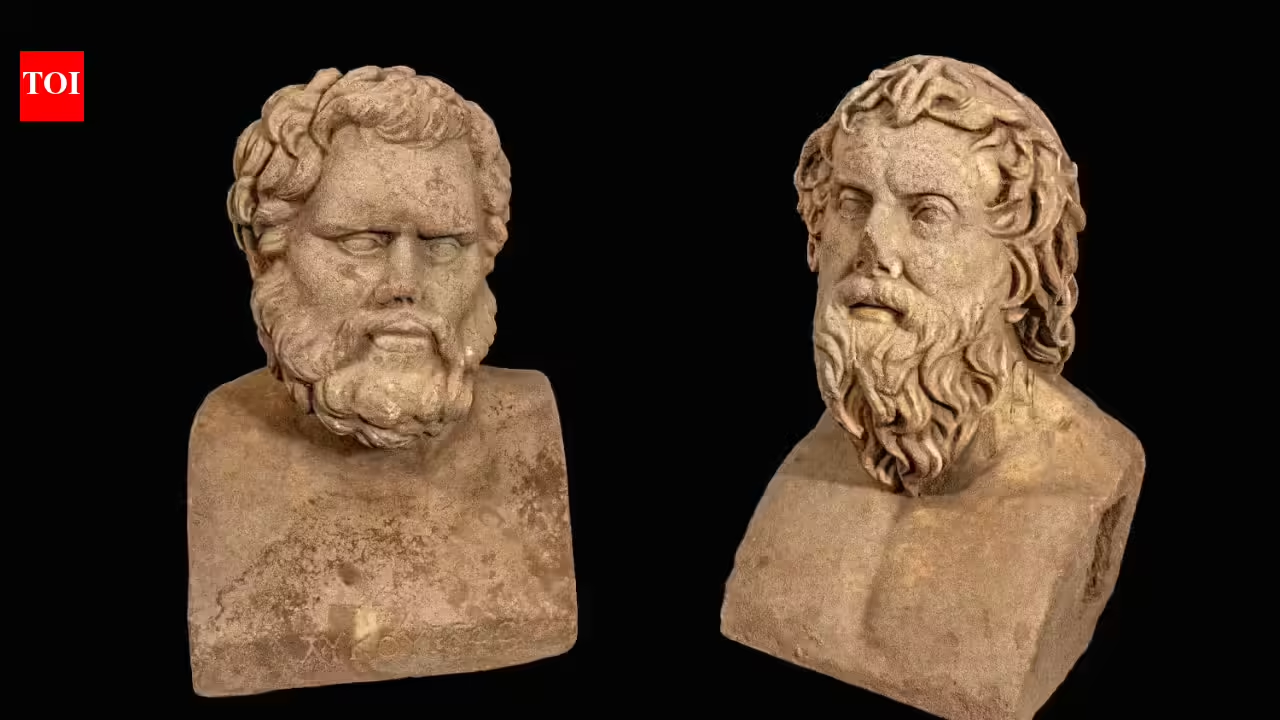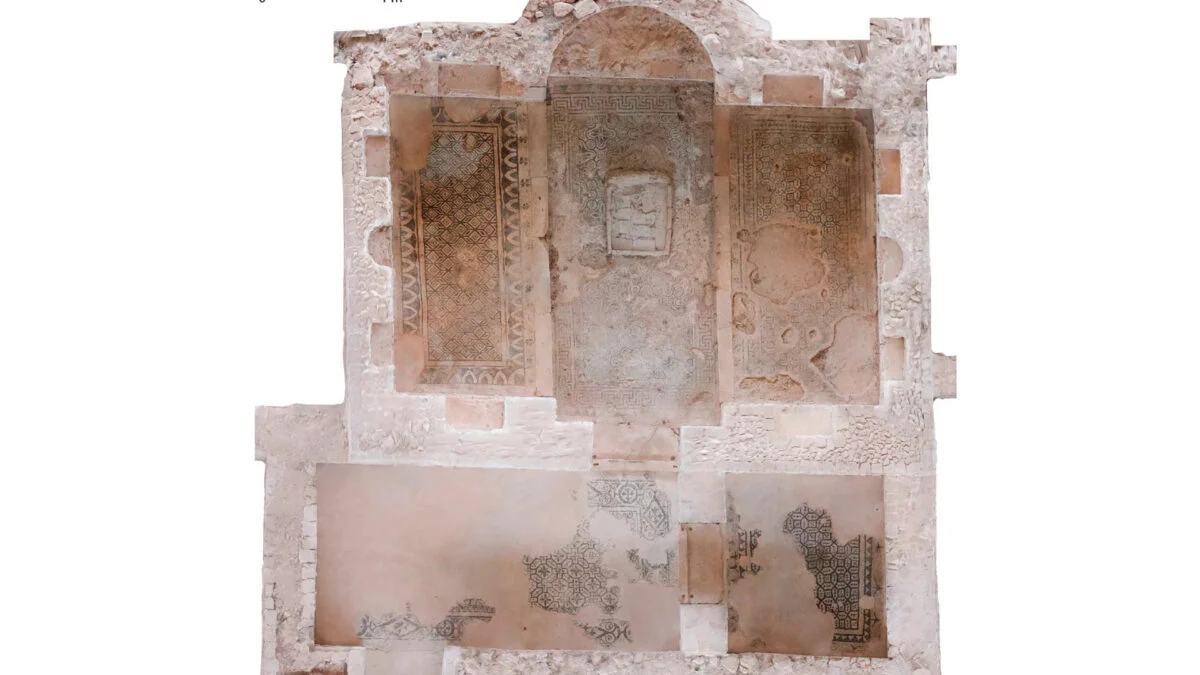
Despite extensive records of Roman libraries, there is only one library preserved with the documents more or less intact: the Villa of the Papyri in Herculaneum. Sometimes, though, archaeologists get extremely lucky. When archaeologists first discovered the Roman villa of Fuente Álamo in Spain, one particular room with depictions of Roman gods led them to believe that they were looking at a Mithraeum, a shrine to Mithras. Decades later, researchers revisited the site with upgraded technology—finding evidence that the chamber, dubbed Room 10, was more akin to a library. If the new analysis is correct, the library would be the oldest known on the Iberian Peninsula as well as one of the best-preserved libraries from the Roman era. A team of Spanish archaeologists at the University of Granada in Spain conducted the research, publishing their results in a recent Journal of Mediterranean Archaeology paper. In a translated statement (via Google Translate) on the discovery, the university explained that the findings “not only allow for a reinterpretation of this key space within the Fuente Álamo villa but also provide new methodological criteria for archaeological identification.” Lost to history The Roman Empire built many of antiquity’s grandest, largest libraries. For instance, the Libraries of Alexandria and Pergamum served as primary hubs for learning, research, and philosophy at the time. But here’s the thing: we only know of these libraries thanks to detailed records, and, if we’re lucky, some old columns or a crumbling wall where the building reportedly once stood.
Archaeologists Thought This Was a Roman Temple. It Might Actually Be a 1,700-Year-Old Library
Using an innovative approach, scientists reevaluated a room thought to be a cult shrine, finding more evidence that this was actually a rare library.
555 words~3 min read