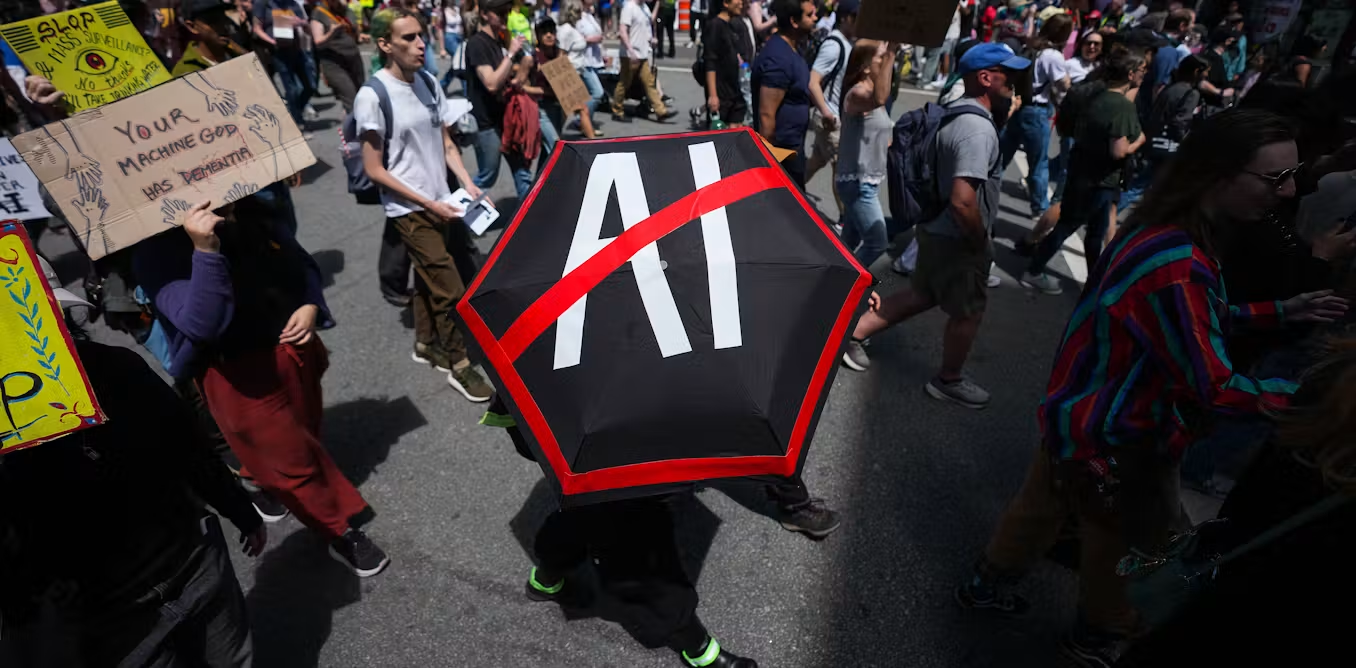
In my previous column, I made the case that the AI revolution has forced our most weighty questions wide open. What is a person? What is healthcare? What is education and mentoring? What is friendship? These and similarly foundational topics are always relevant to our public discourse, but most often — especially in the age of technocratic middle managers controlling such discourse — they rarely get addressed. But AI is changing all that.What is war? What does it mean to honor the dignity of one’s enemy? Are there any actions that can never be done, regardless of consequences? Especially as we celebrate 250 years as a country, are there any moral principles to which we are fundamentally committed as a people? These are the kinds of questions forced open by the rise of AI-directed lethal autonomous weapons.
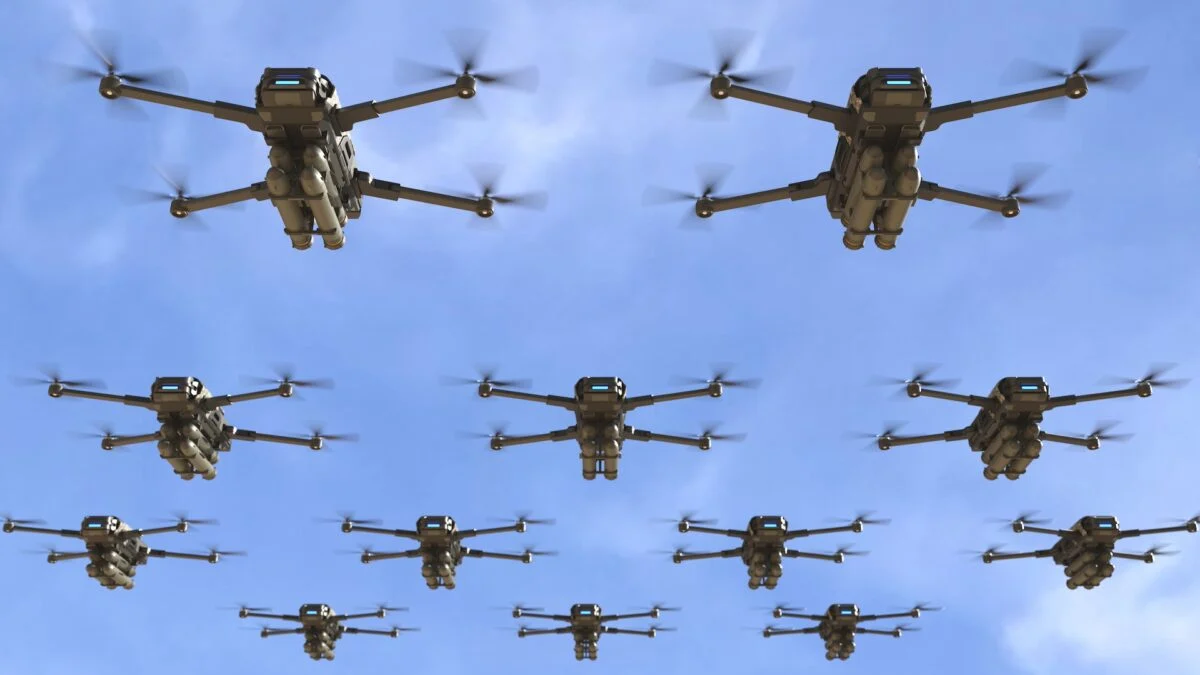
Back in 2024, a co-founder of defense-tech company Anduril, in a debate over these weapons, mocked his adversaries for using “phrases that sound really good in a sound bite” by asking them, “Where’s the moral high ground in a landmine that can’t tell the difference between a school bus full of kids and a Russian tank?”A report released by AEI just a few days ago insisted, “No treaty and no person or entity—not the Pope and not Congress—will ever put this genie back in the bottle. The live question is whether the US will develop these weapons on our terms, prospectively, or on an adversary’s terms in the midst of a crisis.” A co-founder of Foundation, a company that is committed to making AI-directed robot soldiers, recently said, “We think there’s a moral imperative to put these robots into war instead of soldiers.”Whether or not they have moral imperatives or high grounds, these companies are moving ahead with this technology. According to CNBC, Foundation is planning to begin front-line testing of its robot soldiers with the U.S. military within months, not years. Indeed, they have already been deployed in Ukraine in a testing capacity. The next version of the robot, the Phantom 2, will come with “superhuman abilities” related to payload, battery life, and use of a wide variety of weapons. CNBC’s reporting suggests that the robots “will need to make fully autonomous decisions in certain time-critical scenarios” and that Foundation plans to “scale production to thousands of units this year.”DAN HANNAN: WE ARE CLOSER TO NUCLEAR WAR THAN AT ANY TIME SINCE 1962Defenders of this technology often think that their critics either don’t understand the benefits of the technology or don’t understand the high-stakes realities of today’s international military conflicts. But let’s take on their two best arguments. The first goes something like this: “You moralizers who claim to care about human dignity in war don’t understand that these robots will actually protect human life and make civilian casualties less likely because AI will make fewer mistakes.”Indeed, our government funds a program called ASIMOV, which “aims to develop benchmarks to objectively and quantitatively measure the ethical difficulty of future autonomy use cases and readiness of autonomous systems to perform in those use cases within the context of military operational values.” Essentially, this program will try to build scales and scores for things like how likely a particular target is a civilian and whether a particular amount of force, likely to cause a certain number of civilian deaths, will be “worth it” from a military perspective. This will produce fewer mistakes and less loss of innocent life.(Getty Images)