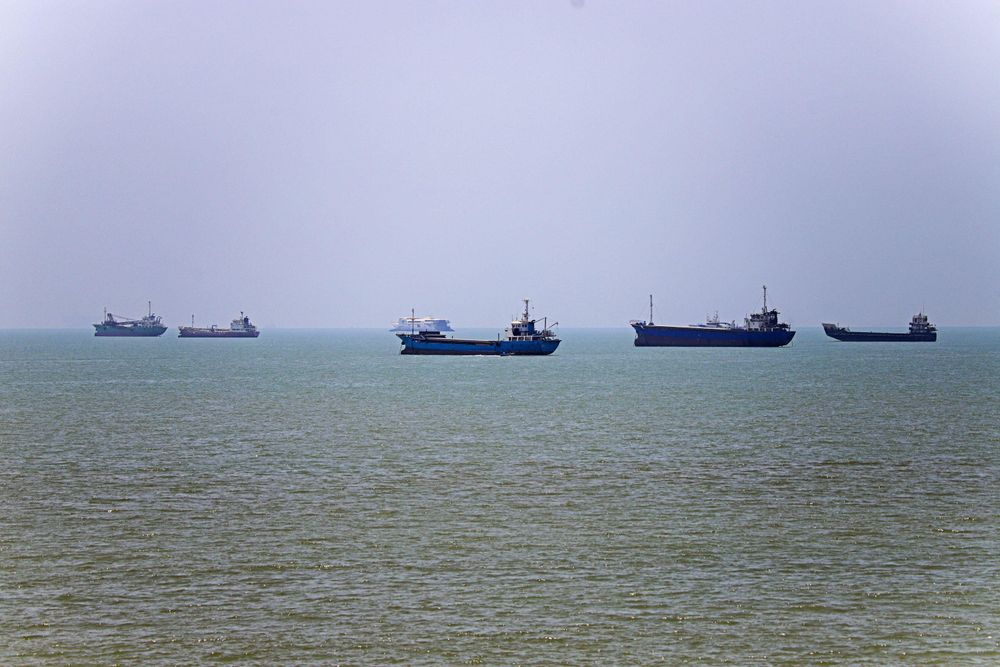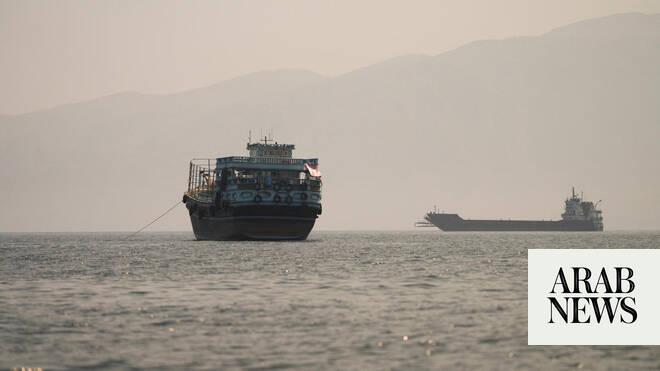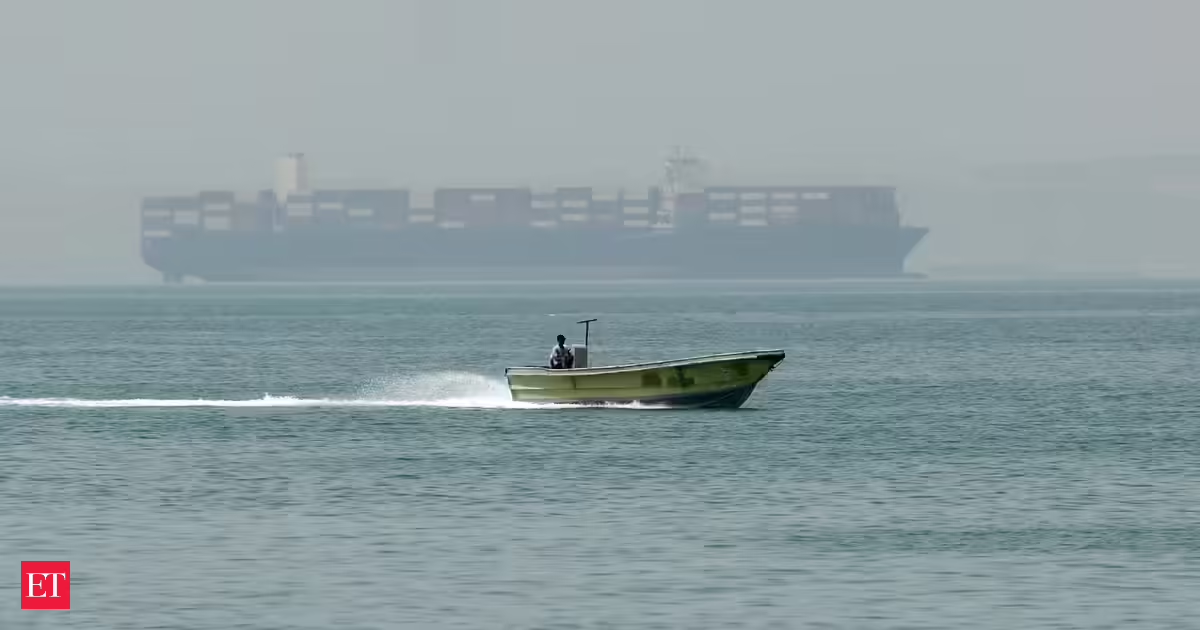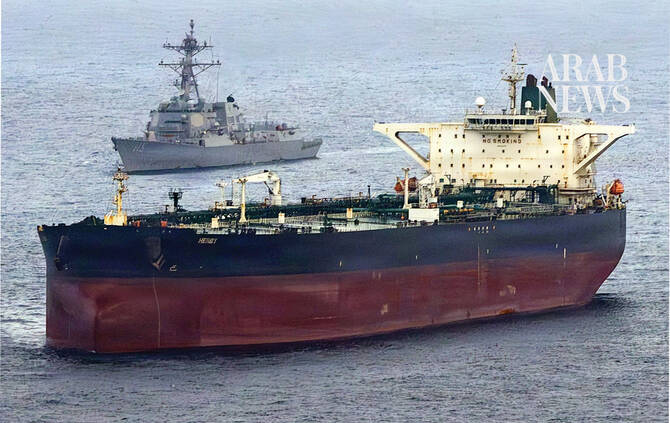
Could a US-Iran deal over Hormuz reshape global shipping and the rules of international trade?
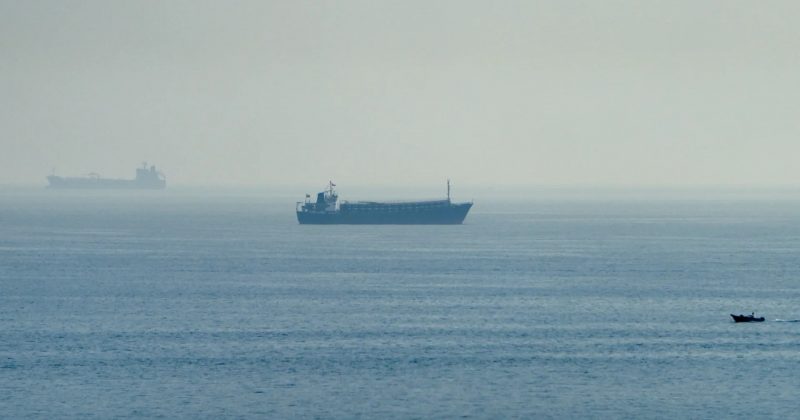
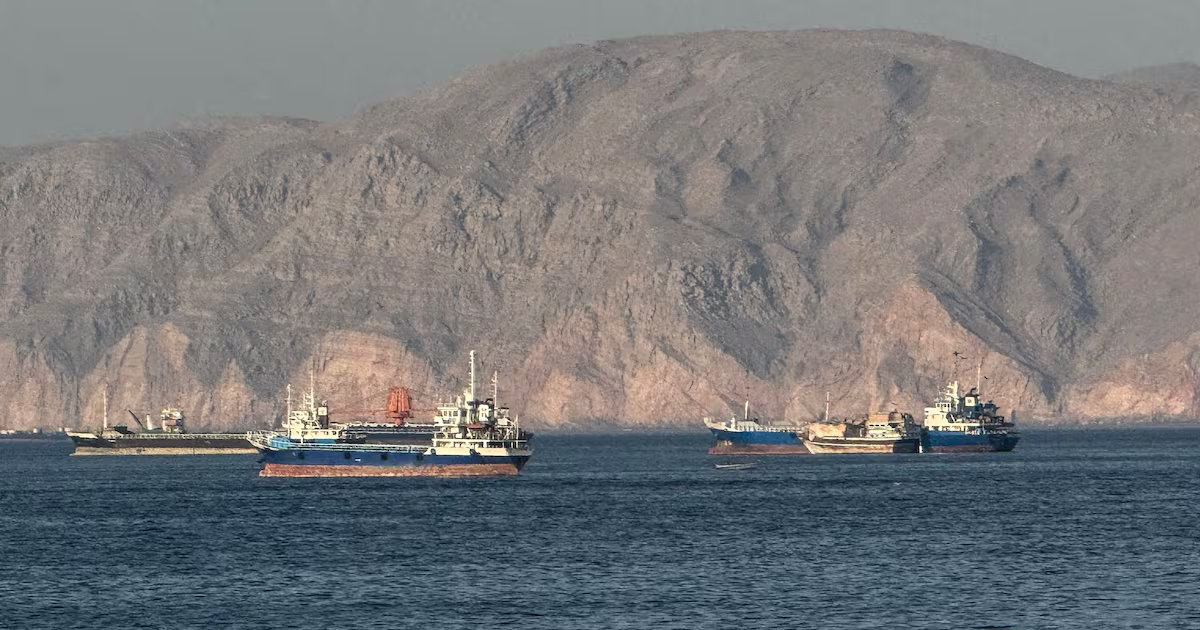
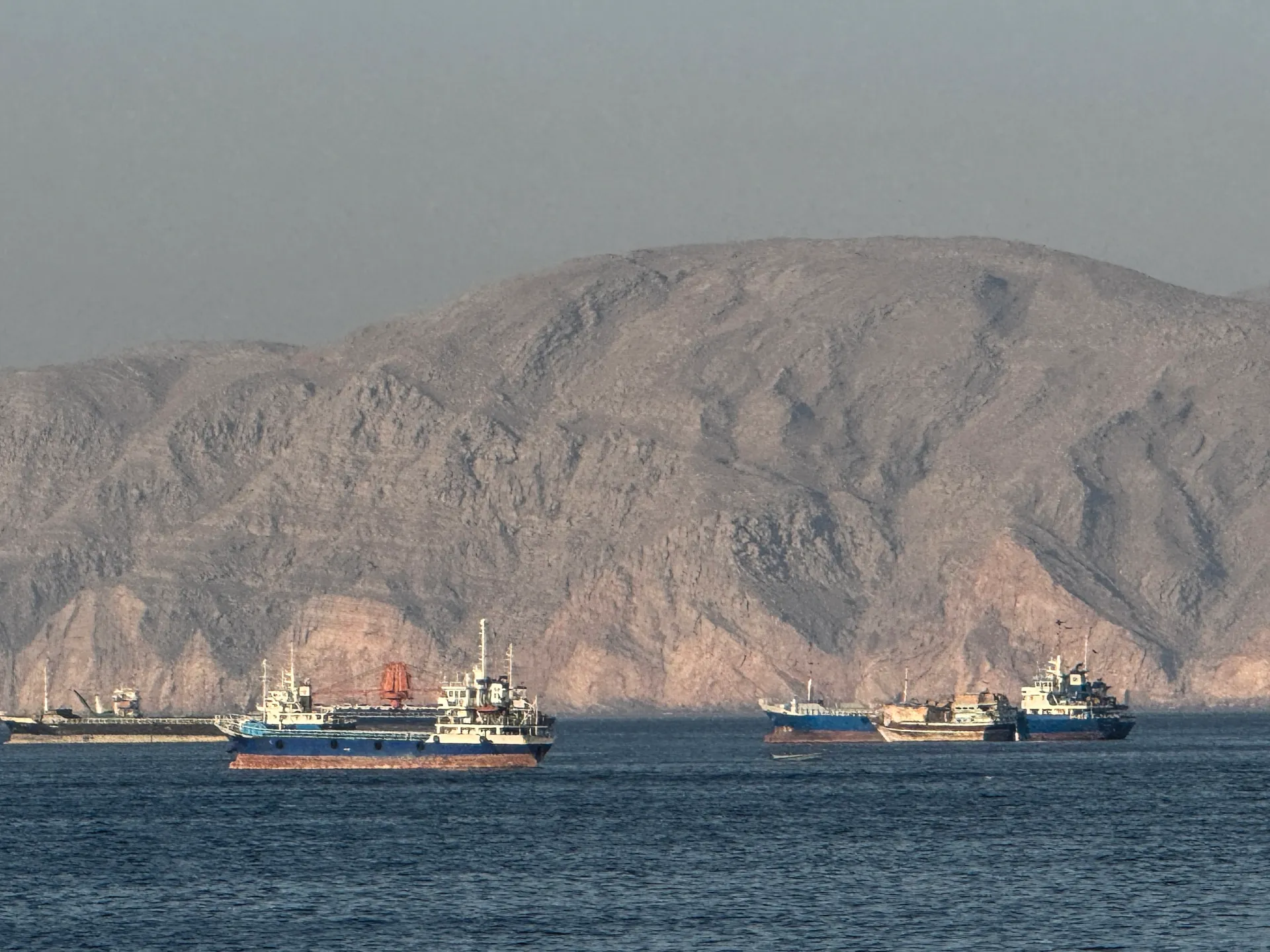
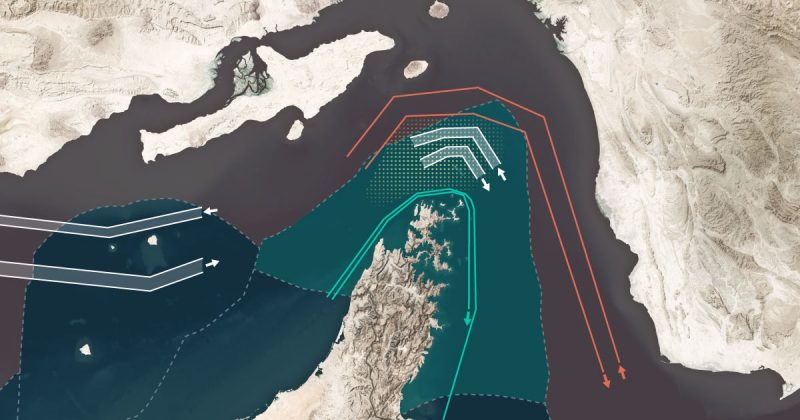
LONDON: Negotiations are now underway between the US, Iran, and Oman to reopen the Strait of Hormuz, and while the agreement’s precise shape remains unknown, it seems at least one side will land responsibility for managing what has, until now, been an international waterway.
From a legal and practical perspective, any such deal raises huge questions, not least what it means for the continuity of international law, what it means for other trading chokepoints, and what it means for the inflationary pressures heaping themselves on world economies.
Richard Barnes, professor of international law at the UK’s University of Lincoln, who specializes in freedom of navigation and the international law of the sea, was unequivocal when asked about the legal merits of any deal that should emerge.
“There is no clear or plausible basis in international law for one or both of Iran or the US to adopt a management regime for the strait that imposes charges or permits boarding and inspections of transiting ships,” he told Arab News.