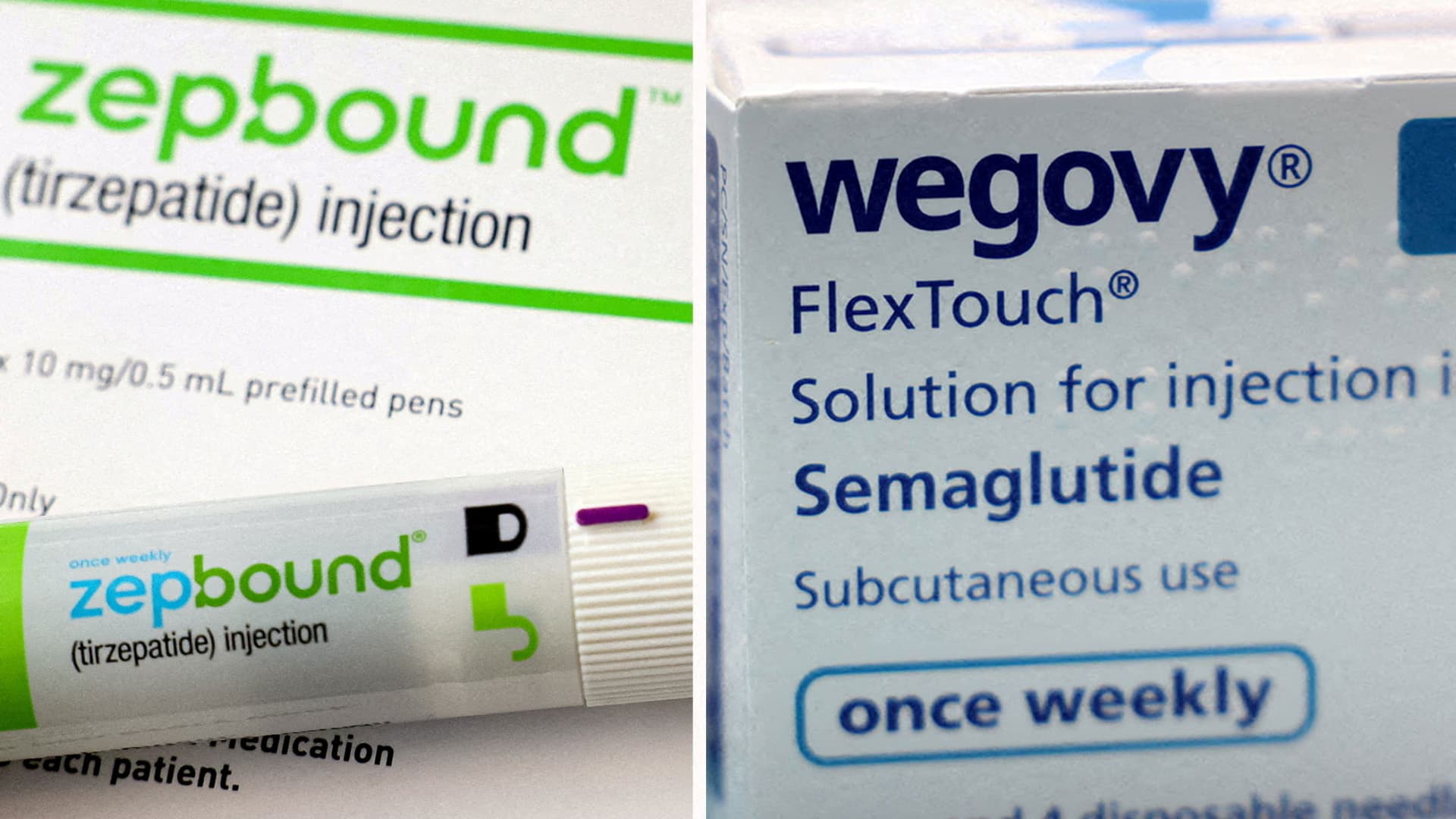
Accurate diagnosis and procedure coding has become a critical gatekeeper for identifying patients eligible for advanced obesity treatments, including GLP‑1 therapies. Yet in many organizations, systematic undercoding and overcoding are obscuring the true burden of obesity, leaving high‑risk patients effectively invisible to payers, life sciences companies, and care teams.Drawing on real-world data, case studies, and findings from a newly released white paper, this session explores how coding inaccuracies affect patient identification, engagement strategies, and access to obesity therapies. Speakers will examine where coding errors occur most frequently, how they influence population health insights and treatment eligibility, and practical steps healthcare organizations can take to improve coding accuracy and better identify patients who could benefit from evidence-based interventions.Key Takeaways:Understand the most common patterns of undercoding and overcoding that distort the obesity populationQuantify the impact of coding errors on identifying patients eligible for GLP‑1 therapiesPinpoint where in the workflow coding breakdowns are most likely to occurApply findings from the featured white paper to improve patient identification and engagement strategiesPrioritize practical steps organizations can take to close coding gaps and reduce missed opportunities for treatment
Why Are Obesity Patients Being Denied Anti-Obesity Medications? It Starts With a Diagnosis Code
Accurate diagnosis and procedure coding has become a critical gatekeeper for identifying patients eligible for advanced obesity treatments, including GLP‑1 therapies. Yet in many organizations, systematic undercoding and overcoding are obscuring the true burden of obesity, leaving high‑risk patients effectively invisible to payers, life sciences companies, and care teams. | Accurate diagnosis and procedure coding has become a critical gatekeeper for identifying patients eligible for advanced obesity treatments, including GLP‑1 therapies.
361 words~2 min read