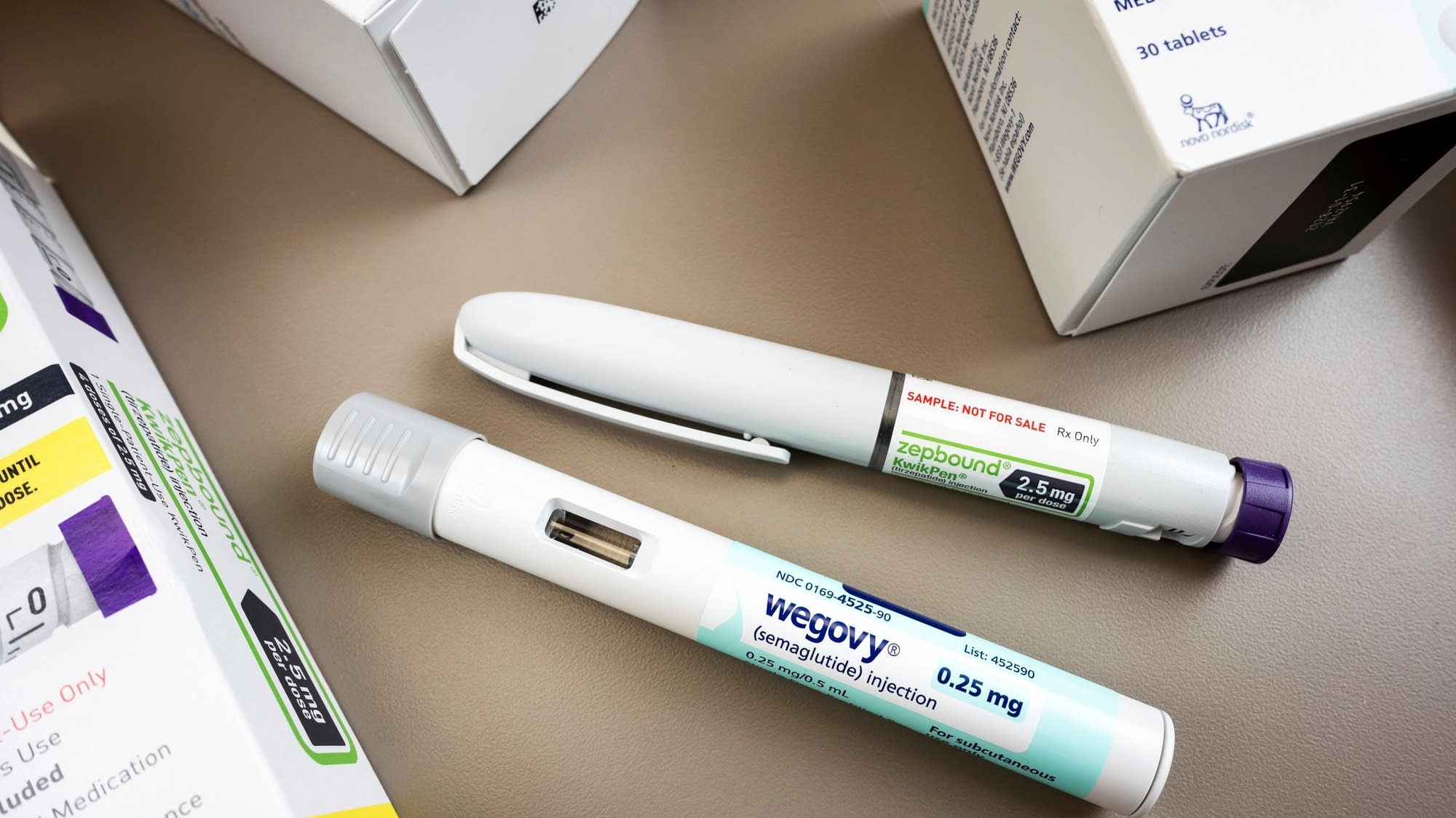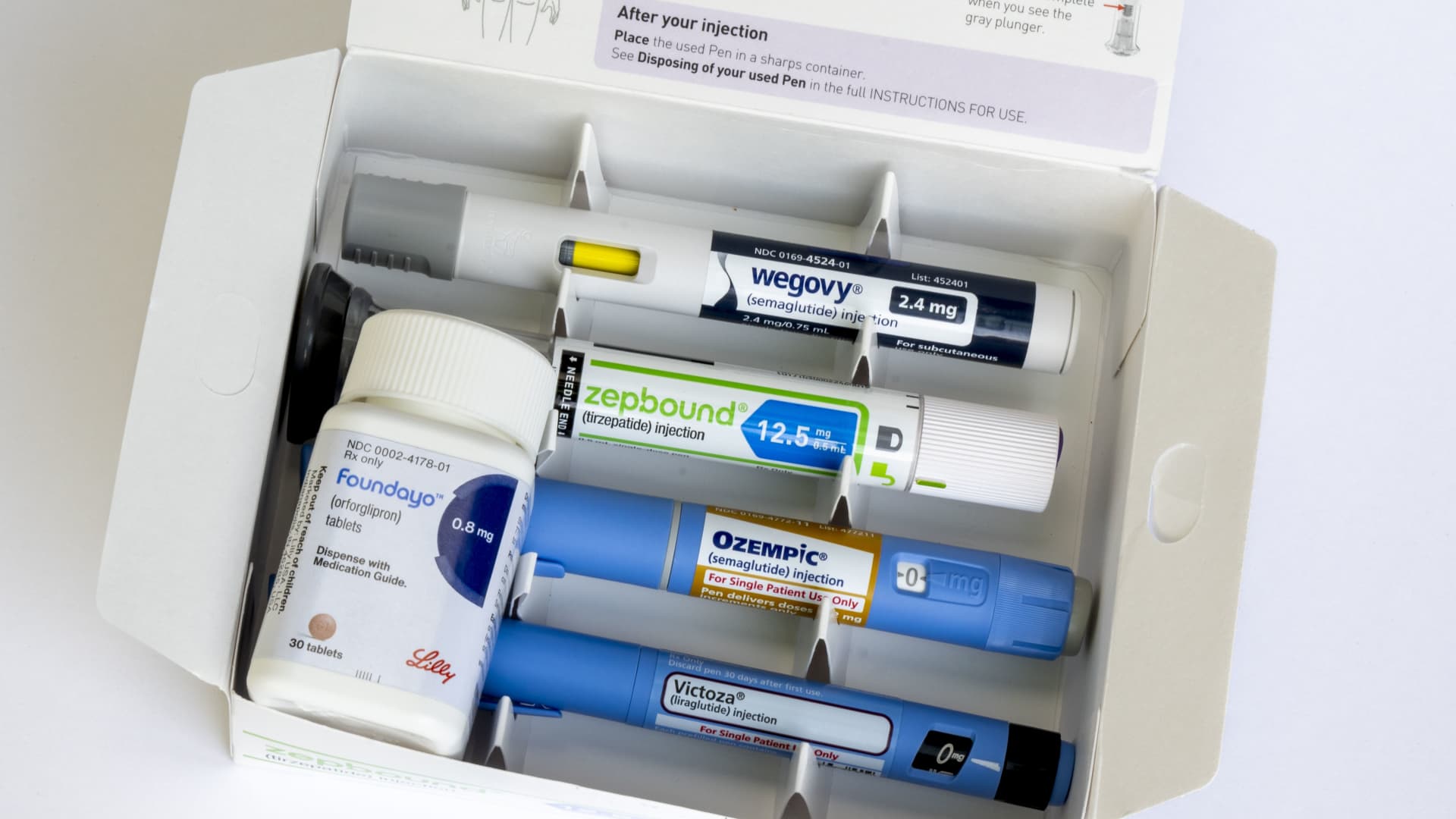
The U.S. healthcare system is at a critical juncture with rising obesity and chronic disease coupled with skyrocketing GLP-1 costs. Three in four (76.4%) U.S. adults have at least one chronic condition, and over half (51.4%) have two or more.
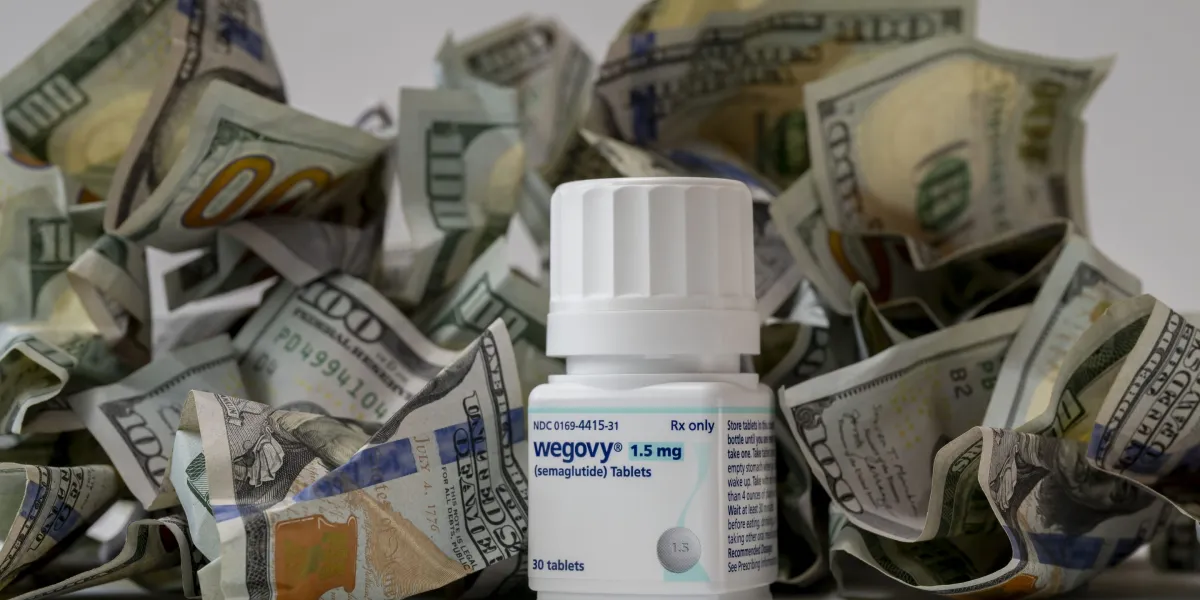
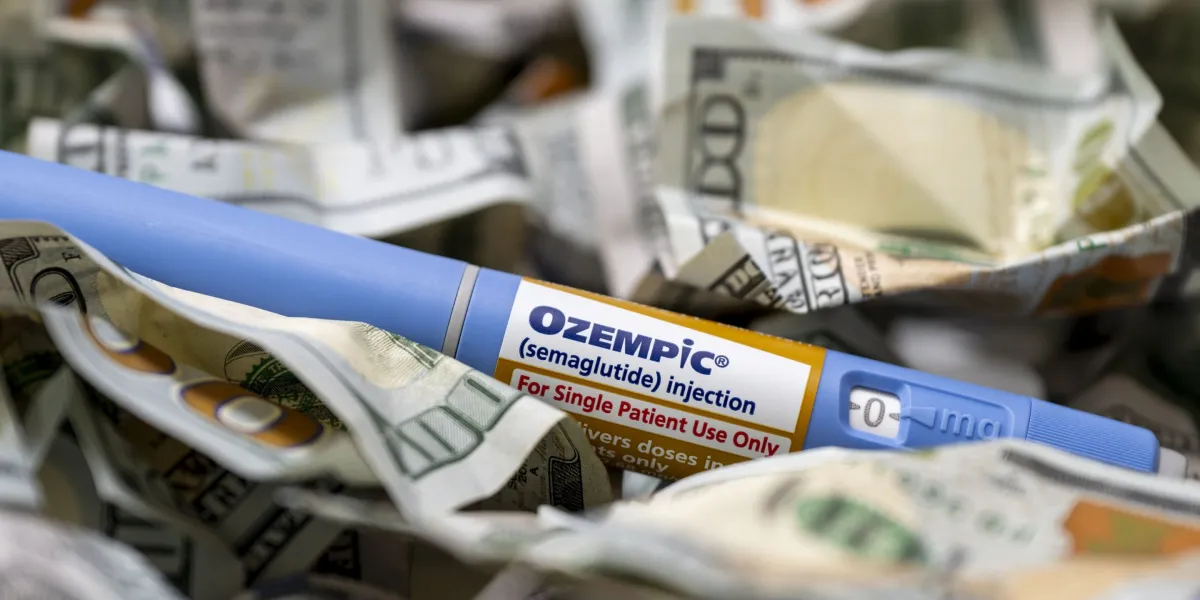
At the same time, spending on GLP-1 treatments has surged by more than 500% between 2019 and 2024. Growth is expected to continue, especially with the introduction of the Bridge program, which offers GLP-1 access for obesity with comorbidities under Medicare and Medicaid. Experts predict the number of people in the U.S. using GLP-1s could reach 25 million by 2030 (rising from 10 million in 2025).
While the health need is great, the near-term financial pressure feels unsustainable. Plans across government and employers are pulling back support. This month, MassHealth announced it would cease covering the medication, a move that will impact 22,000 Massachusetts residents but save the state an expected $15 million per year. Last month, Cigna became the latest organization to cease access for its employees. More may follow – research from the Business Group on Health found 10% of companies that now cover GLP-1s for weight-loss plan to drop them by 2027.