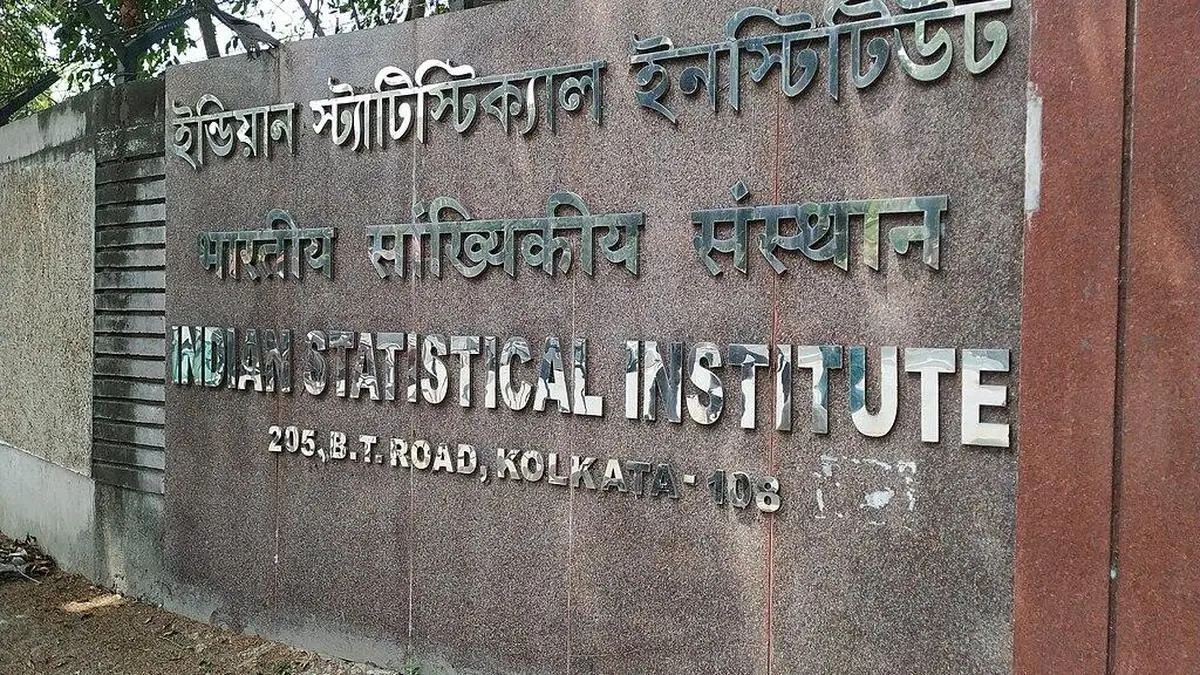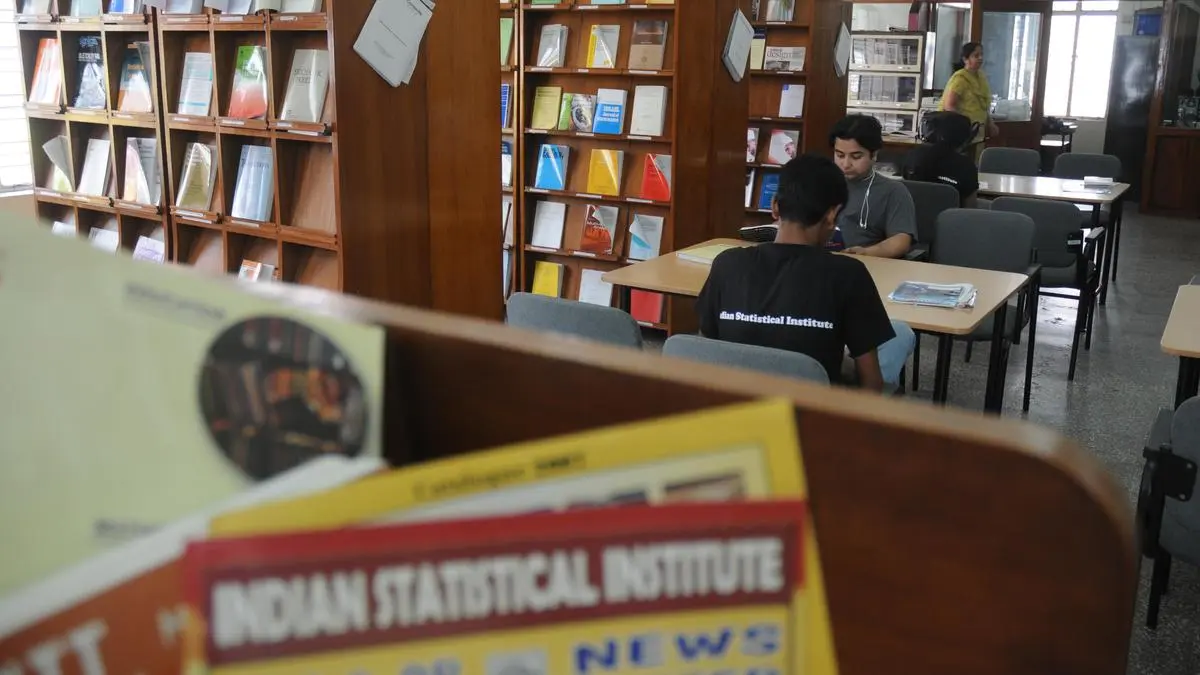
New Delhi: Government officials on Wednesday defended the Indian Statistical Institute Bill, 2026, saying it will modernise the nearly century-old institution, expand student capacity and decentralise decision-making, while dismissing concerns raised by a section of the faculty over autonomy and governance.The proposed legislation seeks to replace the Indian Statistical Institute's (ISI) society-based governance structure with a new framework that formally recognises the Academic Council and establishes an 11-member board of governors as the institute's principal executive body, an official said.Also Read: Govt introduces Indian Statistical Institute Bill in Lok SabhaThe government on Monday introduced the Bill to replace the ISI Act, 1959, in the Lok Sabha.It seeks to incorporate the country's premier statistics institute as a corporate body, with an aim to equip it to meet emerging needs in statistics, data science and related fields.Rejecting allegations of inadequate consultations, the official said the government held detailed discussions with the principal scientific advisor, vice chairman of Niti Aayog, members of the economic advisory council to the prime minister, president of ISI society, and current and former directors of ISI among others in July 2025.Subsequently, the draft bill was released for public consultations in September 2025 and received over 600 comments.The official noted that these reforms are essential to position ISI for expansion ahead of its centenary in 2031.Also Read: Bill to provide statutory framework to Indian Statistical Institute up for introduction in Lok SabhaOfficials said the opposition to the reforms is centred on a move to grant greater autonomy to ISI's Delhi and Bengaluru centres and reduce the concentration of powers currently exercised by the heads of academic divisions.They argued that the existing structure has constrained interdisciplinary teaching, academic innovation and expansion of student intake.The institute, despite its global reputation in statistics and mathematics, has only around 1,600 students and about 280 faculty members. With growing demand for fields such as artificial intelligence, machine learning, cryptology and data science, the institute needs greater flexibility to introduce new programmes and expand enrolment while maintaining academic standards, the official noted.
Govt defends ISI Bill, says reforms will modernise institute, expand capacity
The Indian Statistical Institute Bill, 2026, aims to modernize the institution and expand student capacity. This legislation will replace the existing society-based governance structure with a new framework. The government asserts that extensive consultations were conducted with various stakeholders before introducing the bill. Reforms are deemed essential to position the institute for expansion ahead of its centenary. The proposed changes seek to decentralize decision-making and enhance flexibility in academic programs.
337 words~2 min read