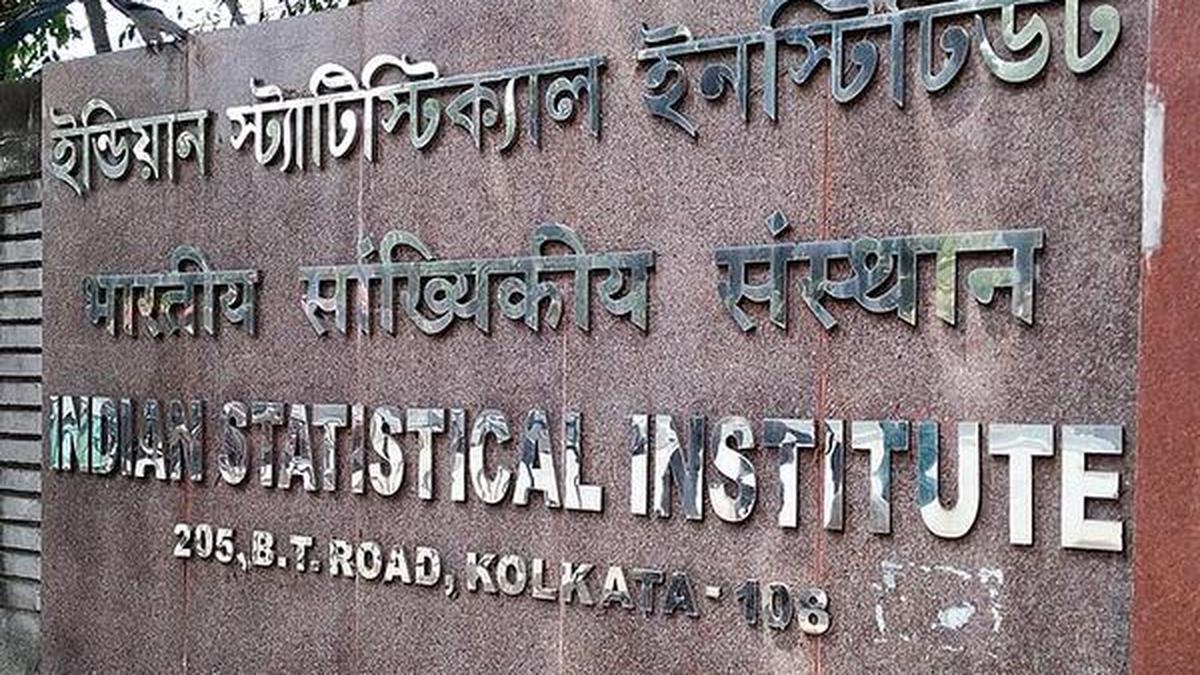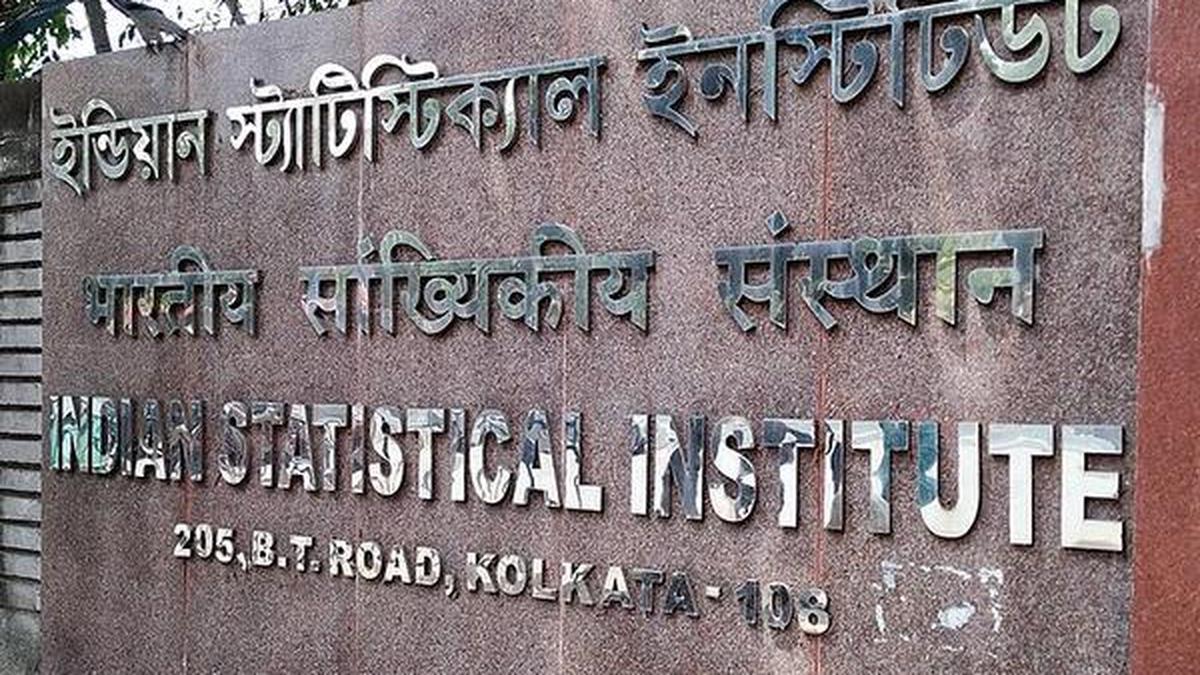
File pic: Library at the Bengaluru centre of the Indian Statistical Institute (ISI)
| Photo Credit:
The government on Monday introduced the Indian Statistical Institute Bill, 2026, seeking to replace the over six-decade-old legal framework governing the Indian Statistical Institute (ISI) with a comprehensive law aimed at transforming it into a globally competitive institution focused on statistics, data science and allied disciplines.The Bill seeks to replace the Indian Statistical Institute Act, 1959, under which the ISI was declared an institution of national importance, arguing that the existing law is too limited to meet the needs of a data-driven economy. It proposes to convert the institute, currently registered as a society under the West Bengal Societies Registration Act, into a statutory body corporate with a new governance structure, greater financial flexibility and enhanced accountability.According to the Statement of Objects and Reasons, the legislation is intended to help the ISI emerge as a global centre of excellence in statistical sciences by broadening its mandate to include data science and other quantitative disciplines, while supporting India’s growing need for evidence-based policymaking and advanced analytical capacity across government, industry and society.The Bill also gives legislative backing to recommendations of a 2021 review committee, which had called for structural reforms to enable the institute to reclaim global leadership by its centenary in 2031.Among the key changes is the creation of a Board of Governors as the principal policy-making body, alongside an Academic Council, Management Councils for individual centres and a Finance Committee. The President of India will serve as the Visitor of the Institute.The proposed law empowers the Institute to establish campuses and centres in India and abroad, award degrees and honorary distinctions, promote start-ups and incubation, collaborate with industry, academia and partner institutions abroad, and generate its own revenue, while remaining a not-for-profit entity.The legislation also introduces stronger accountability provisions. The Institute will be required to prepare annual financial and performance reports, undergo periodic independent reviews, remain subject to audit by the Comptroller and Auditor General, and will now come under the ambit of the Right to Information Act.To ensure continuity, all employees, students, assets, liabilities and ongoing legal proceedings of the existing Institute will automatically vest in the new statutory entity once the law comes into force.Published on August 3, 2026