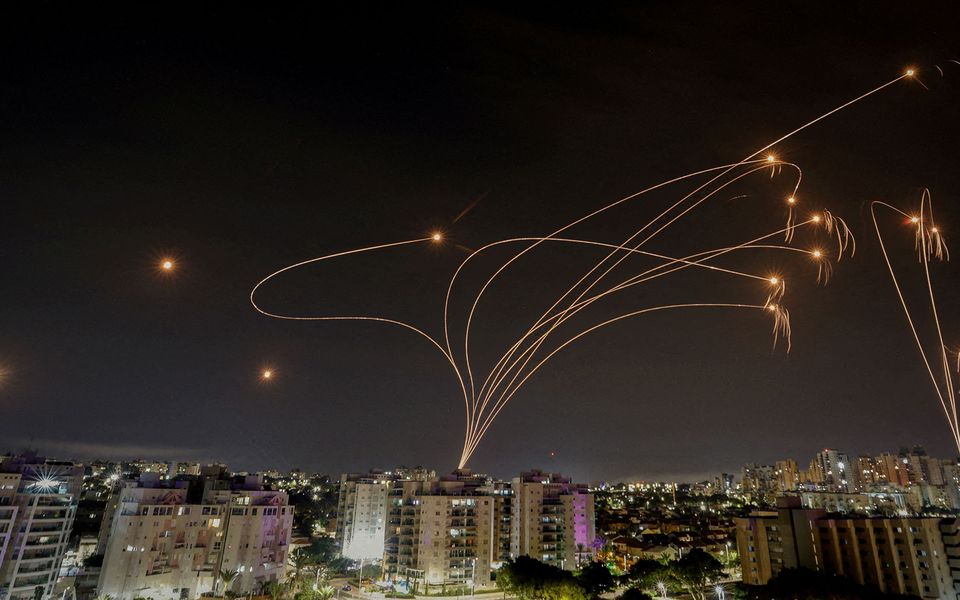
The Greek economy has so far proven sturdy in the face of the upheaval caused by the US-Israel war against Iran, with growth staying strong in the second quarter of the year (April-June).
With the situation in the Middle East having its ups and downs, however, concerns about its destabilizing effects remain. And Greek households remain under pressure by persistent inflation, a situation encapsulated in a social media post saying that “there’s too much month left at the end of the money.”
The official data for the second quarter will be announced by Greece’s independent statistics agency ELSTAT in early September; economists have told Kathimerini that this was another quarter of dynamic growth with every indication that the shock of the war was quickly absorbed.
The sectoral indicators in industry, services, retail trade and construction appeared impervious to the dangers touted both domestically and internationally. The composite Economic Sentiment Indicator (ESI), averaged 107 for the three second quarter months, that is comfortably higher than the neutral position, 100.
A greater source of worry is household behavior. First quarter ELSTAT data showed that private consumption, which had driven growth in the past few years, showed that it rose just 0.7% year-on-year, a five-year low. Also the Consumer Confidence Index remained in deeply negative territory over the second quarter, with Greek consumers proving among the most pessimistic Europeans.