It’s time to return to our no-punches-pulled look at food manufacture, and this time we’re looking at the humble loaf of bread. As before, we’re approaching the subject with a look at breadmaking both in the traditional sense that marketing people would like you to imagine, and in the modern sense of the loaf you’ll find on your supermarket shelf.
A Food Of Great Cultural Significance
An ancient Egyptian bakery, depicted in the reign of Ramesses III. Scanned by Peter Isotalo, CC BY-SA 4.0.
Perhaps there are few foods with as much cultural significance as bread. If your distant ancestors took the path of growing grain as their major subsistence carbohydrate, the chances are there will be some form of bread woven into your identity. Where this is being written for example were I to head for the cathedral of a Sunday morning I would recite the Lord’s Prayer as part of the service, Give us this day our daily bread. Whether your culture leavens its bread or not, or whatever grain it uses, the chances are that there will be something similar about the humble foodstuff within it.
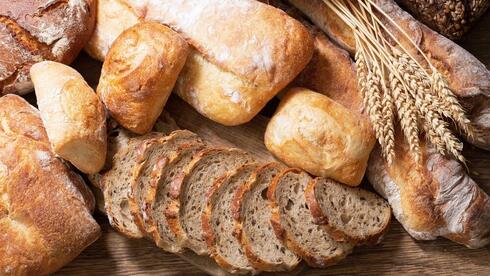
Sitting in a coffee shop writing this a few streets away from that cathedral in a British county town, the bread here is made from wheat flour and leavened using yeast. I’d hazard a guess that it’s the loaf most of you reading this will find at your local store, and with apologies to people whose bread takes a different form it’s the bread I’ll be examining here. It’s the loaf the wheat fields where I grew up supply grain for, so it’s the one whose production I’m most familiar with.